"Set Phasers to Kill." Derek Lowe's take on our @eLife paper on phase change batteries and cell death is as accurate as it is engaging. Impressed and grateful for the coverage @ScienceMagazine! https://t.co/9ygBill14w
Also, check us out on https://t.co/029WCdfHmT front page! Congrats again @arg_arginine. Thanks to pioneering structural biology of death domains (DFDs) from @WuLabHarvard and previous collab with Zhijian 'James' Chen @UTSWMedCenter that led us to the protein batteries concept.
Why would a healthy cell decide to die? Investigator @HalfmannLab joined @NPR's @npratc with @NPRjonhamilton to discuss his #research on how and why cells decide to self-destruct—a process known as programmed cell death.
🎧 Listen here: https://t.co/PF9WcptMyC
@arg_arginine@ScienceStowers YOUR work, Alex! After years of effort and teasing apart what we've actually uncovered here, I'm so glad we can finally plant our flag on this discovery. Excited to see if other proteins function like batteries.
Alex Von Schulze, postdoc in the @HalfmannLab, is exploring how proteins clump together to form disease-linked amyloids, and why collaboration is the key to scientific discovery. 🧠 #neuroscience
Learn more in this #PostdocProfile Q&A: https://t.co/lRmRHYot1a
MD simulations let you watch a microsecond or so of one protein's life in a box. But in the cell thousands of proteins work together, over much longer timescales. With @IlyaVakser's group and their new simulation method, GCell, we're now beginning to see this emergent behavior!
Delighted to share #MyACSCover and our recent study, "Highly Optimized Simulation of Atomic Resolution Cell-Like Protein Environment", published by @ACSPublications in J of Phys Chem B.
Congratulations to Prof. @IlyaVakser , @HalfmannLab , and the team!
https://t.co/1p5i033hQ0
1/n Can LLMs perform scientific research? And, can they do so while enhancing key scientific values including transparency, traceability & verifiability? Check out our preprint on the "data-to-paper" platform. w the amazing @TalIfargan@LostInTranscrip https://t.co/60Go3TR5tn
Meet a #StowersGrad faculty member! Randal Halfmann (@HalfmannLab) seeks to understand #aging, the inexorable decline in cellular and bodily function that results from the unidirectional nature of self-assembly by supersaturated proteins. #PhD
Learn more: https://t.co/rziz5Q3wEg
Kudos also to a responsive editorial staff, who offered to provide Senior Editorial oversight in the second round of review. I feel empowered to refocus on science rather than academic politics – this feels like the future of science publishing. @ASAPbio_
Thank you, @eLife, for transparent review!
Exercising the power to publicly address a reviewer’s untenable position changed the outcome for our latest paper, the findings of which are recognized as “fundamental” by eLife’s updated assessment.
https://t.co/kWXvbJlIKy
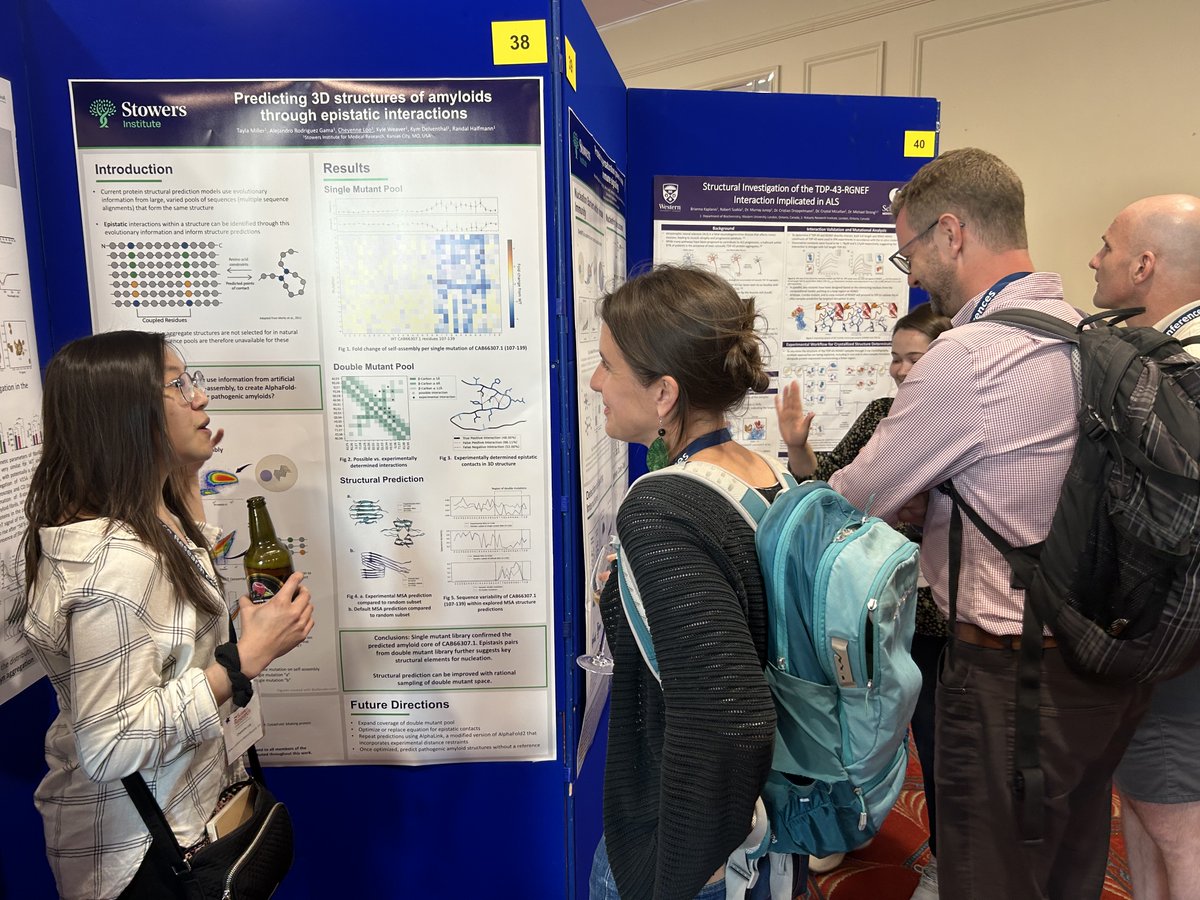
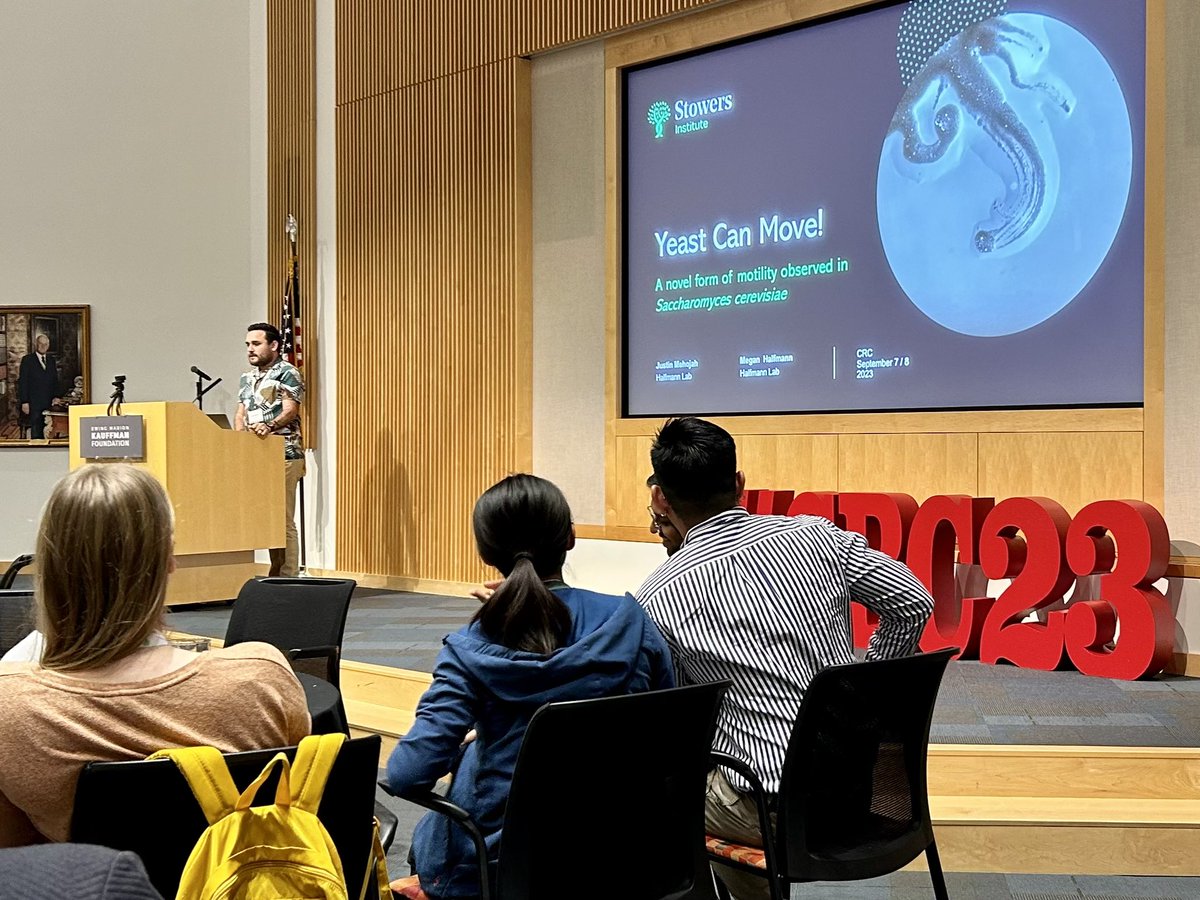
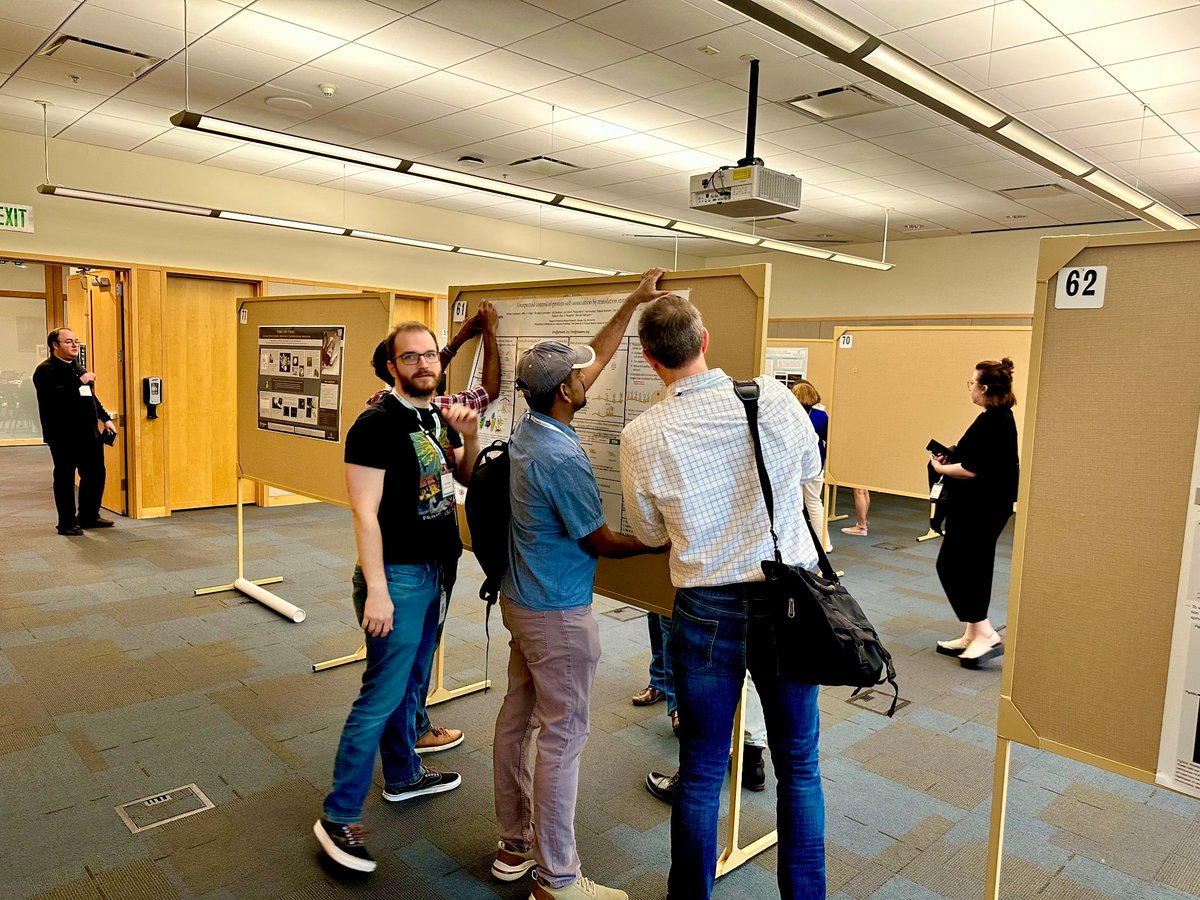
one poster, 8 hands to hang it. #CRC2023 kicks off and everyone is excited to share their scientific discoveries with their peers. Great job @StowersXroads for organizing such a wonderful event @ScienceStowers. Shriram @HalfmannLab amazing presentation#researchtalks #scievents
@SaelicesL @Hlashuel Echoing Lorena- Hilal, your keynote on night 1 beautifully set the scene for the rest of the conference. Thank you so much! Looking forward to 2025.
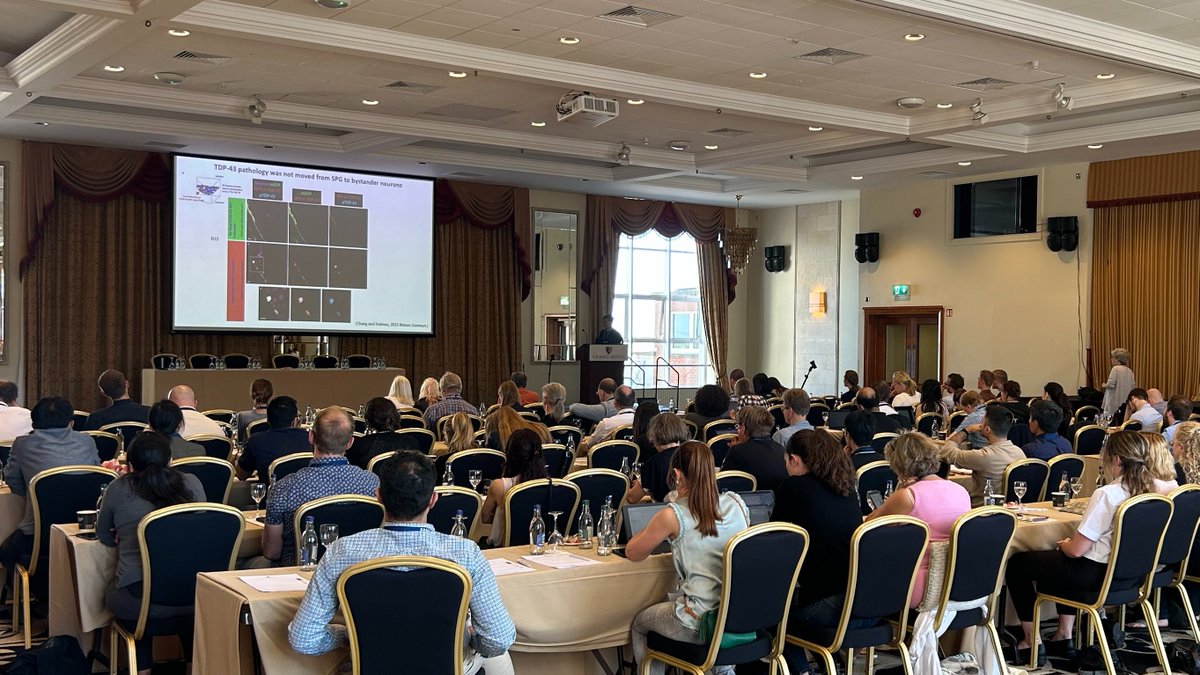
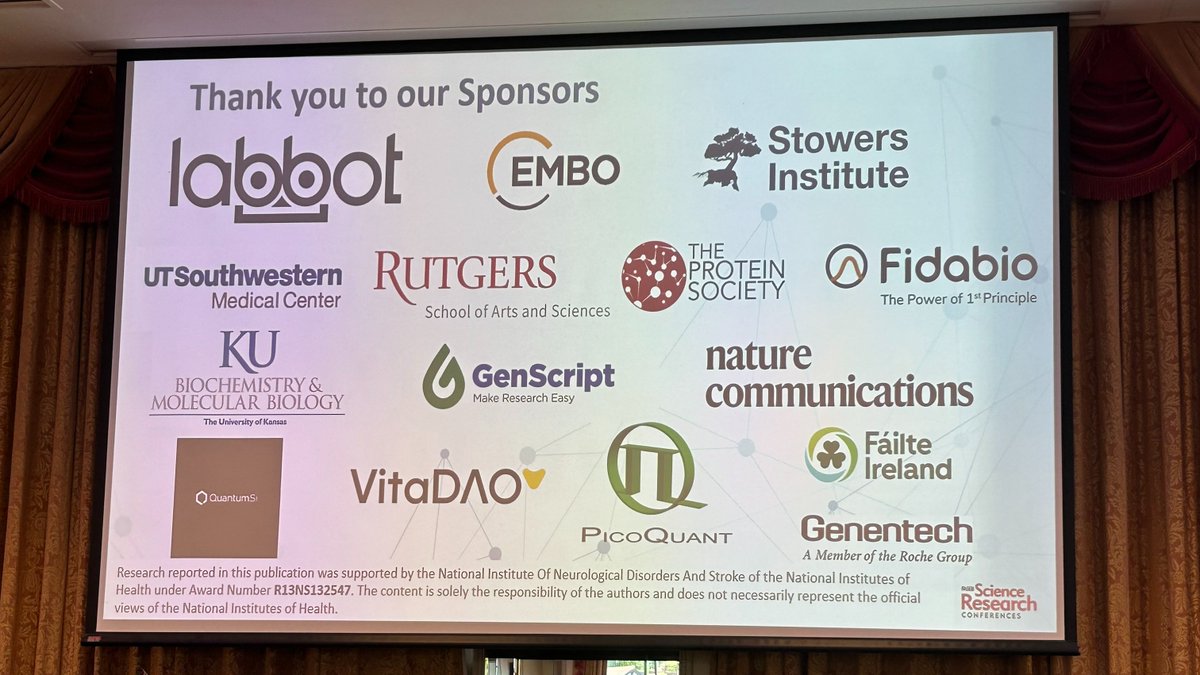
Still unpacking my supersaturated brain after a fantastic #PACSRC FASEB protein aggregation conference. Thanks to all the speakers and attendees for making this so worth while! And BIG thanks again to our sponsors! #amyloid
Ron is a pioneer on the mechanism of polyQ aggregation, and an inspiration to me. It was a nice surprise that our new in-cell method validated his twenty year-old model derived from rigorous test tube experiments. Good science stands the test of time!
Now out in eLife – our epic journey into the heart of polyQ to deduce the structure of an amyloid nucleus. Spoiler: it’s not #LLPS. Even more surprising, oligomerization blocks nucleation!