The confidence intervals for your effect sizes may be wrong! E.g. if you have observational data. @kaidikangkk has a solution bootstrapping the robust effect size index https://t.co/s3dw2qUh2s. @MJBiostats made you an R package https://t.co/lmU24sVP5i @vandy_biostat @Penn_SIVE
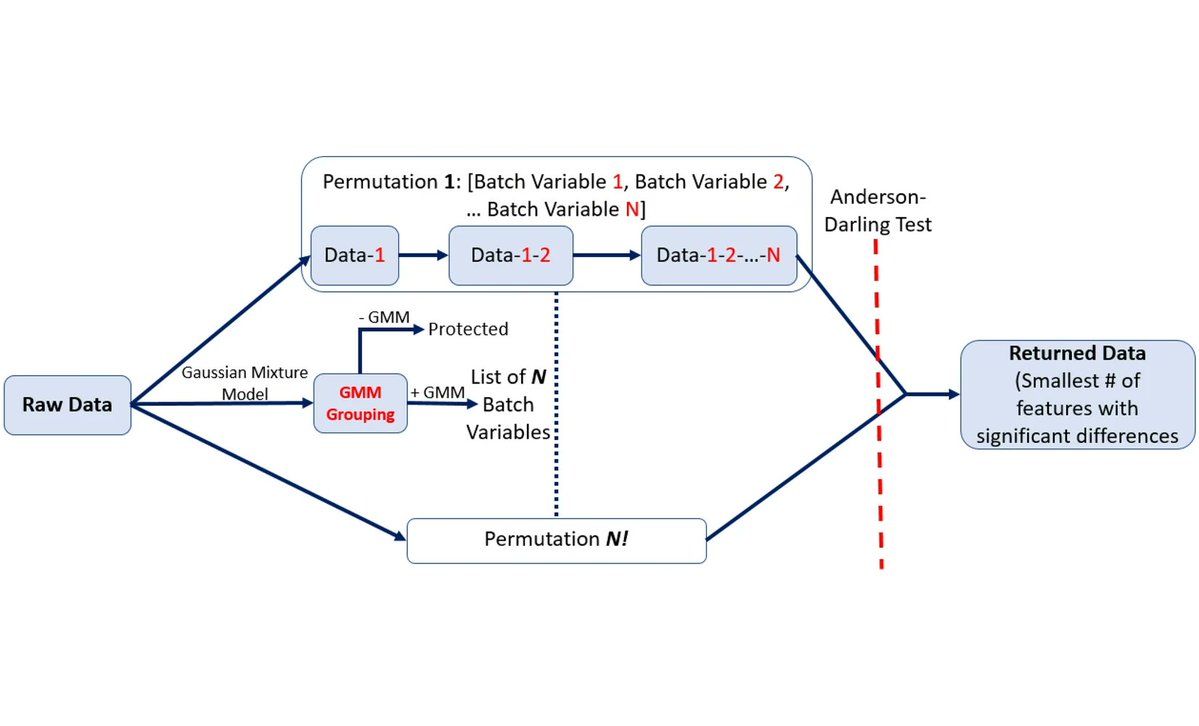
@josephdviviano@KordingLab I’m actually a PhD student actively working on site bias from the perspective of statistical batch effect correction! It’s tricky because we aren’t sure what these site effects look like, but we can make some solid guesses to help us take a stab at correction and addressing bias!
💡Dive into the de-identification of protected health information (PHI) in radiology reports in our featured #TheJDI article:
Ensemble Approaches to Recognize Protected Health Information in Radiology Reports
Read Article | https://t.co/WQ7HZ4VUfH
Our work in the de-identification of radiology reports is now published in the Journal of Digital Imaging (@SIIM_Tweets): https://t.co/NoRF4KJGHQ!
Massive thanks to Jackson Steinkamp, @cekahn, and @asset25!
This. Bad radiology research is, I think, largely a result of domain silos. Specifically for radiology, we get promoted by impressing other rads. For us rads, there's minimal academic currency in impressing the #epistats community. How do we change that? https://t.co/MxZOXDRkq1
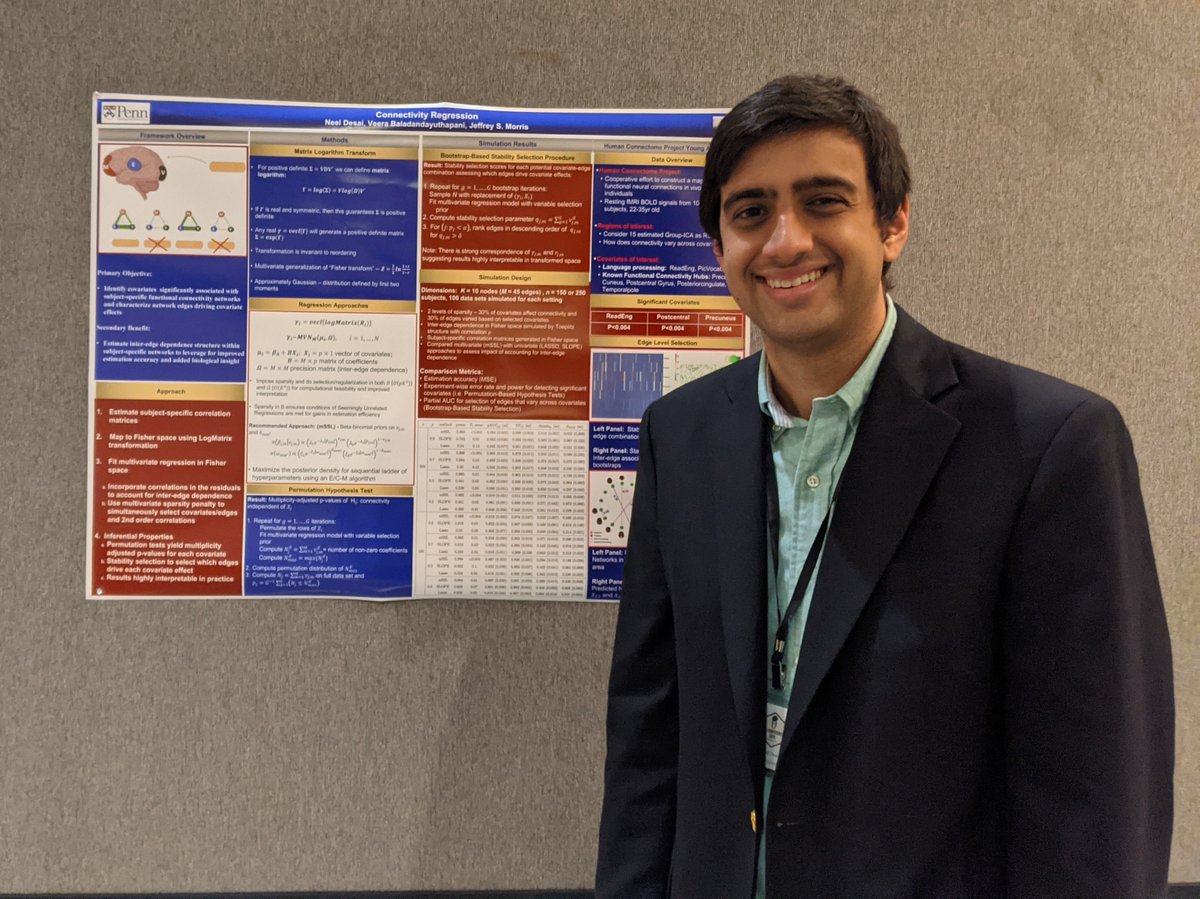
So many amazing posters at #SMI2022@ASAimaging, including several from our (about to be on the job market 🤩) PhD students @smweinst @danni__tu@Andrew_AChen, as well as postdoc Neel Desai 🧠 (1/2) ...
📣 New paper out in @SciReports: "Generalized ComBat harmonization methods for radiomic features with multi-modal distributions and multiple batch effects" led by PhD student Hannah Horng, @DespinaKontos@takishinohara et al! 🧠