We’re giving away a cutting-edge PC powered with the latest Intel® Core™ i9-13900K processor built live during RazerCon 2022. Here’s how to enter:
🏆 Follow @Razer, @IntelGaming, & @StarforgePCs
🏆 Like, Tag a friend & Retweet!
Giveaway ends November 25, 23:59 PDT. GLHF!
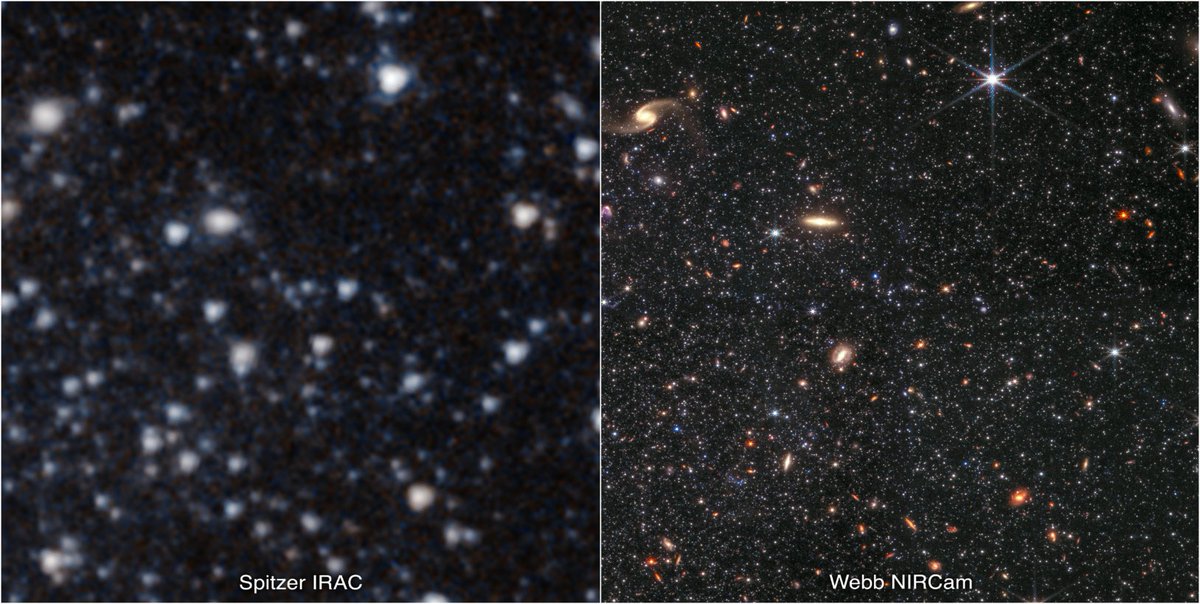
How it started ➡️ How it’s going
These images demonstrate Webb’s remarkable ability to resolve faint stars in nearby dwarf galaxy Wolf-Lundmark-Melotte (WLM). On the right is Webb’s brand new image, and on the left is Spitzer’s view: https://t.co/ha4Wv7cBJK
A new perspective on the Tarantula Nebula! 🕷 Thousands of never-before-seen young stars are spotted in this stellar nursery captured by the James Webb Space Telescope.
Chandra & Webb, together at last! Webb's infrared abilities combined with Chandra's X-ray vision underscore how the power of any of NASA's telescopes is only enhanced when joined with other instruments, both in space and on the ground. More: https://t.co/IzKkaTncSX
Yesterday, we shared Hubble’s *impactful* images of the aftermath of the #DARTMission.
But DART isn’t the only mission Hubble has helped support with its unique capabilities!
Find out more ⬇️
You say it's your birthday? It's our birthday, too, yeah!
NASA was founded Oct. 1, 1958. On Oct. 1, 2001, @NASAHubble took this picture of a galaxy 50 million light-years away.
Check out what the space telescope saw on YOUR birthday: https://t.co/oHvXXpIzjg
The Andromeda galaxy is 6 times bigger in the sky than the full Moon: it's just too dim to see with the naked eye. This composite created by Tom Buckley-Houston shows what it would look like at night if it was just brighter [read more: https://t.co/O9IoMLnzTe]
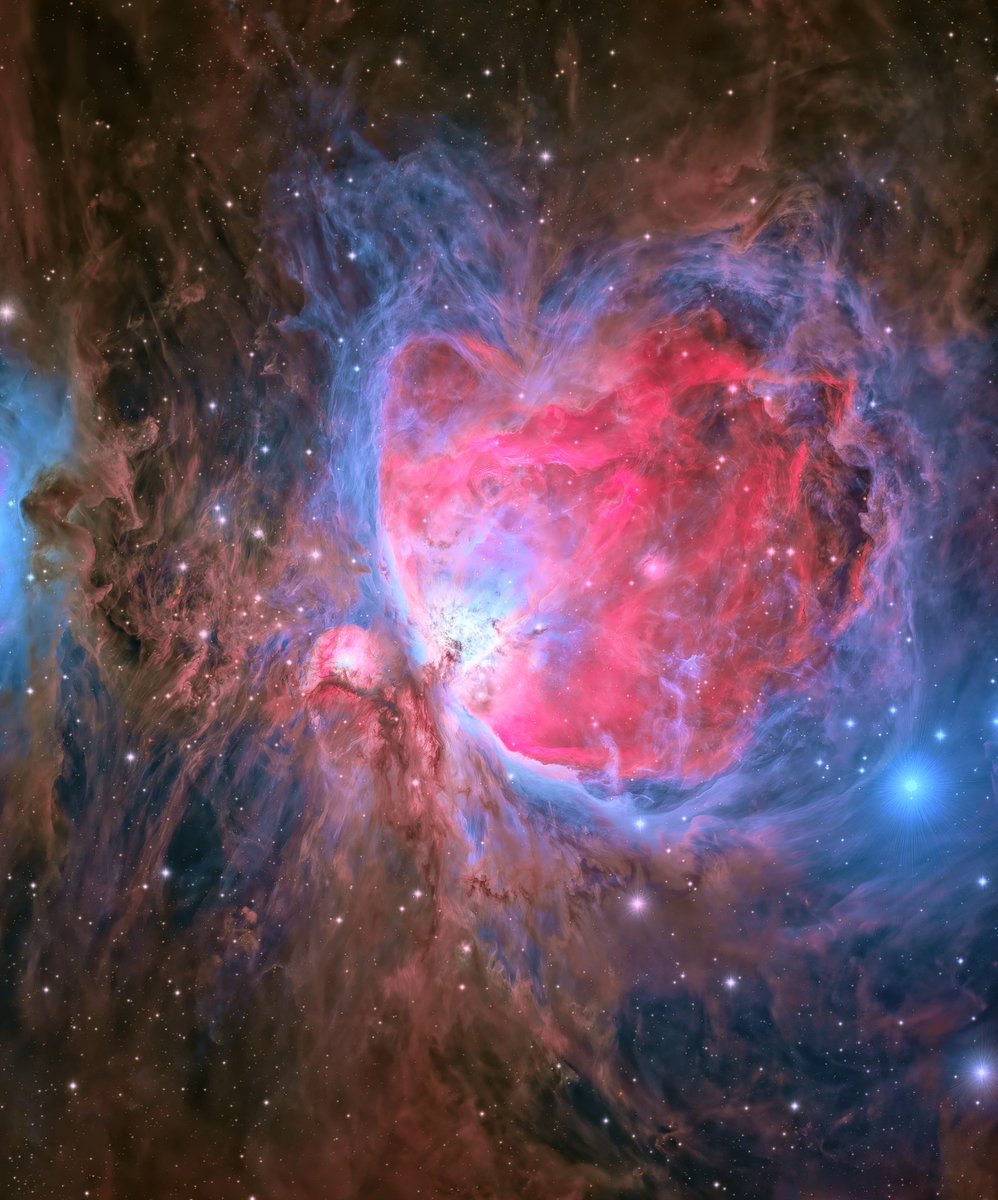
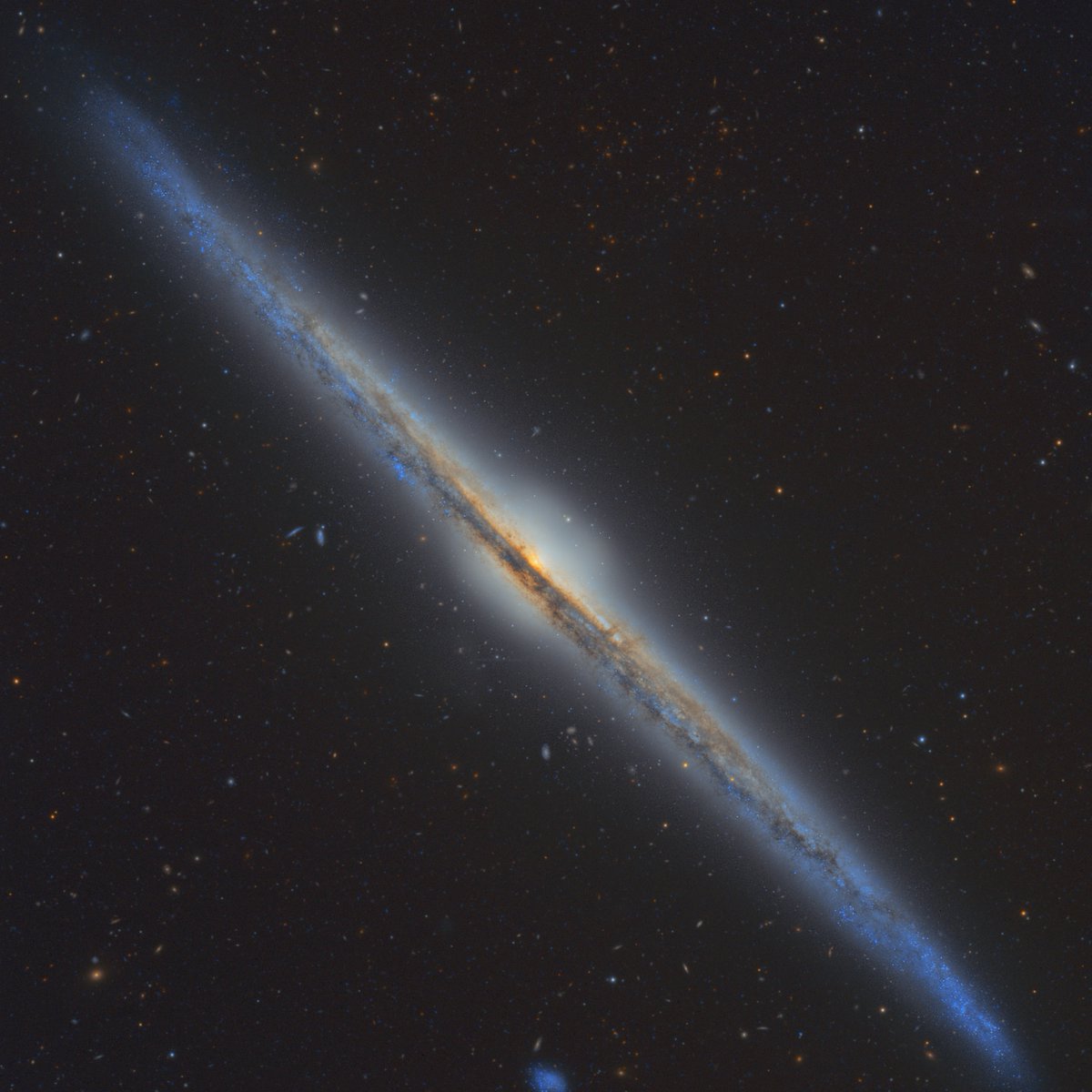
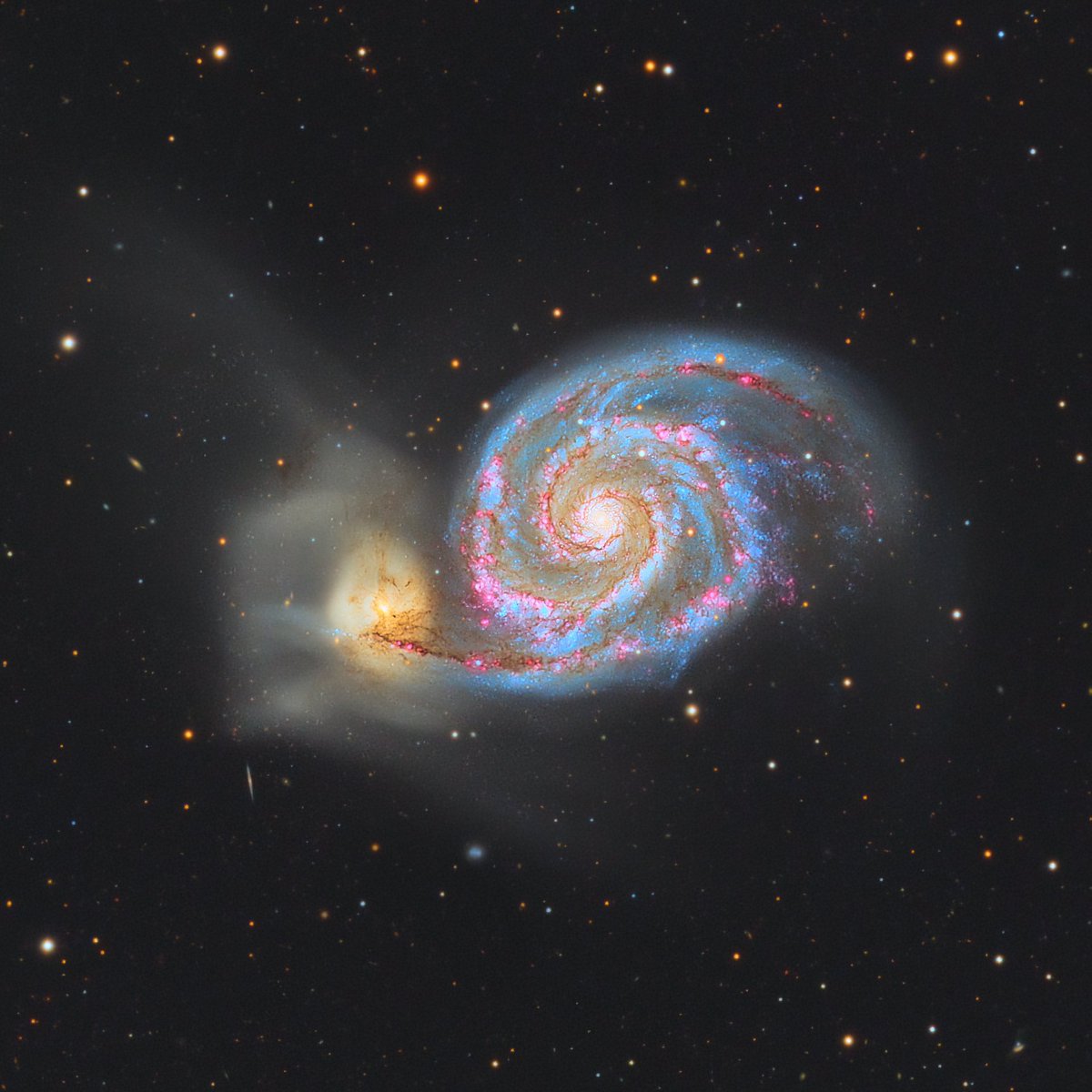
Woke up to 5000 followers- that's amazing. For those that are brand new because of my moon photo collab with @AJamesMcCarthy, I thought it would be worth showing you mainly what I do. I am a deep space astrophotographer.
A legendary experiment on the moon, a hammer and feather dropped from the same height, reach the lunar surface simultaneously without air resistance, all objects fall at the same rate (regardless of mass) as predicted by Galileo, over 400 years earlier.








![Rainmaker1973's tweet photo. The Andromeda galaxy is 6 times bigger in the sky than the full Moon: it's just too dim to see with the naked eye. This composite created by Tom Buckley-Houston shows what it would look like at night if it was just brighter [read more: https://t.co/O9IoMLnzTe] https://t.co/s0cYljJTWD](https://pbs.twimg.com/media/FanX1VxWAAA951M.jpg)