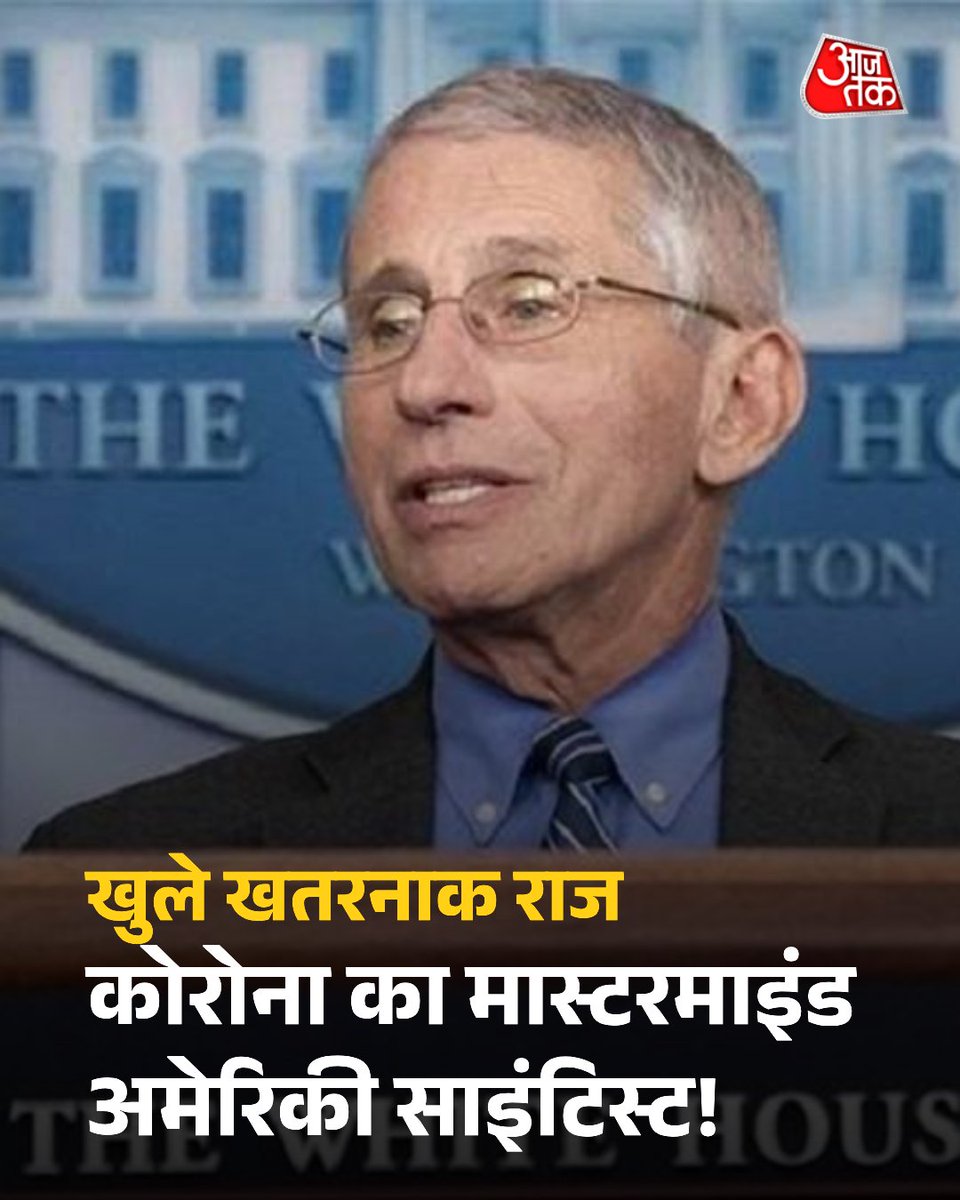
अमेरिका की खुफिया विभाग की प्रमुख तुलसी गबार्ड ने नए दस्तावेज जारी किए हैं, जिसमें बताया गया कि डॉक्टर एंथनी फाउची ने ही चीन की वुहान लैब को कोरोना वायरस पर खतरनाक रिसर्च के लिए करोड़ों का फंड दिया था. जब इस लैब से वायरस लीक होकर पूरी दुनिया में महामारी के रूप में फैला, तो फाउची ने खुफिया एजेंसियों के साथ मिलकर इस सच को छुपाया.
#Coronavirus #COVID19 #AnthonyFauci #TulsiGabbard #WuhanLab
पूरी खबर: https://t.co/m51K1sdNc7
Israel's Minister of National Security, Itamar Ben-Gvir, tweets, "Trump's agreement does not bind us. Israel is not subject to the United States, and we are an independent and sovereign nation... Every time we succumbed to international pressure at the expense of Israel's security, we paid a blood price with interest. It was true in the Oslo Accords, it was true in the Lebanon agreement in 2006, and it was true in every period of containment in Gaza that exploded in our faces... We emphasise: We love the USA and are grateful to President Trump. And yet, the State of Israel is not a banana republic. I say these things to the Prime Minister all the time, and repeat them in closed rooms at every important historical juncture: In historical moments, a historical decision must be made... We must make it clear: Every launch of a drone, UAV, or missile toward Israel from Lebanon will lead to an Israeli strike in Dahiya..."
Two days after the IPL 2026 final at the Narendra Modi Stadium in Ahmedabad, the Royal Challengers Bengaluru finally revealed the details of the chat between Virat Kohli and teenage sensation Vaibhav Sooryavanshi.
The clip went instantly viral right after the final, when RCB won a second consecutive title by beating the Gujarat Titans, but none of the videos circulating on social media had any audio. RCB have now added sound to that viral Kohli-Sooryavanshi moment, revealing exactly what was said between the two.
In the 43-second clip, Kohli is seen reminding Sooryavanshi that everything he has achieved so far has come through hard work and belief, before urging the teenager to ignore the outside noise and keep aiming higher.
#ViratKohli #vaibhavsooryavanshi #ipl #rcb
Know more 🔗 https://t.co/hKFjHk4FpD
If I ran TCS today, I'd do three things this weekend:
One — make the top 1-5% talented implementation engineer a Forward Deployed Engineer. This will be the biggest upgrade in their title.
Two — buy a few AI tooling startups. You can't sell AI services in 2026 with case studies that say "digital transformation" and without a deep understanding of AI tooling.
Three — fly to SF and announce that we have 1000+ FDEs ready with deep AI expertise.
The Indian IT services industry needs to win the AI implementation narrative.
IT’s New Gold Dust
The next big hiring trend in IT may not be traditional coders or project managers.
It is the rise of Forward Deployed Engineers.
These are client-facing engineers who understand technology, business problems, workflows and execution.
In the AI era, this role becomes very important because companies don’t just want AI models.
They want AI deployed inside real business operations.
That is where the opportunity begins.
Continue Reading 👇
The 5 generative AI models every leader should know:
1. Large Language Models (LLMs) = generate and understand natural language text
2. Code Models = specialized in programming languages and code generation
3. Diffusion Models = generate images from text prompts
4. Multimodal Models = handle multiple input types across text, images, and audio
5. Domain‑Specific Models = fine-tuned for specific industries or tasks
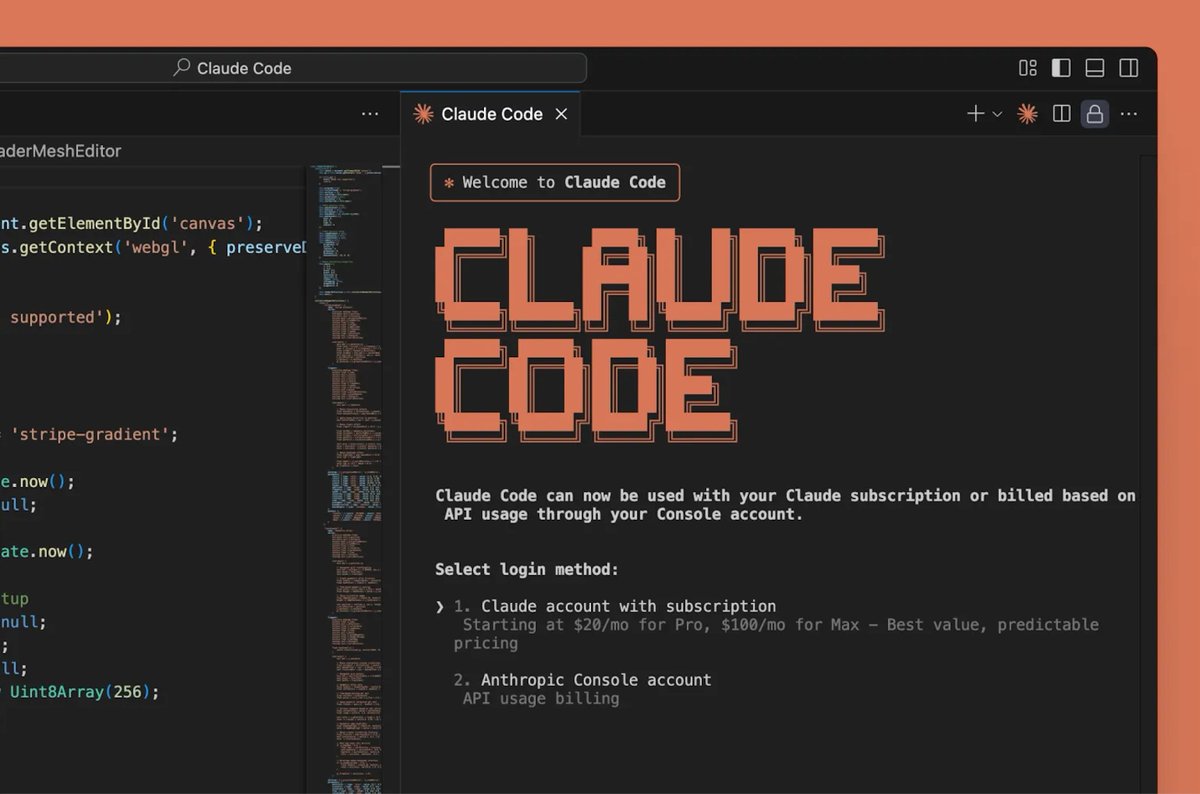
Uber gave 5,000 engineers access to Claude Code in December. By February, usage had nearly doubled. By April, the CTO told the company they'd burned through the entire annual AI budget.
The adoption curve tells you everything about what happened. In December 2024, 32% of Uber's engineers were using Claude Code. By February 2026, that number was 63%. That's not a gradual rollout. That's a product so useful that engineers pulled it into their workflow faster than finance could model the spend.
Uber has about 34,000 employees. Engineering is roughly 15% of that headcount, somewhere around 5,100 people. At enterprise API pricing, Claude Code runs $100 to $200 per developer per month on Sonnet alone. But that's the subscription math. The real number is token consumption, and Uber's engineers aren't building hello-world apps. They're building rider-driver matching algorithms, dynamic pricing engines, and real-time logistics across 70+ countries. Every one of those tasks eats context windows for breakfast.
The scale of what these engineers are actually doing with AI is wild. 92% of Uber's developers use AI agents monthly. 65 to 72% of code written inside IDEs is now AI-generated. 11% of all pull requests are opened by agents, not humans. The company's AI code review system, uReview, analyzes over 90% of the 65,000 diffs Uber ships per week.
AI-related costs at Uber are up 6x since 2024.
CTO Praveen Neppalli Naga's quote was "I'm back to the drawing board." That's the CTO of a $144 billion company admitting that the tools work so well his team can't afford to keep using them at this rate.
Here's the part nobody is pricing in. Anthropic's Claude Code hit $2.5 billion in annualized revenue by February 2026. That's up from $1 billion in November 2025. The fastest enterprise software ramp in history, and a huge portion of that growth is coming from exactly this pattern: companies deploy Claude Code, engineers love it, usage explodes, budgets evaporate.
Uber won't be the last company to have this conversation. The average Claude Code developer burns about $6 per day. Multiply that across thousands of engineers running complex agentic workflows, spawning sub-agents that each maintain their own context windows, and the math compounds fast. One engineering team running Claude Code in automated CI/CD loops can drain a monthly budget in days.
The CFO problem is now the bottleneck for AI adoption at the enterprise level. The technology works. The productivity gains are real. Uber's own data says 75% of AI code review comments are marked helpful by engineers. The constraint is that traditional annual budgeting was designed for tools with predictable per-seat costs, and AI coding agents have usage curves that look like cloud compute bills from 2015: exponential until someone notices.
Every enterprise CTO is about to have the same meeting Praveen just had. The tools are too good to pull back. The costs are too unpredictable to ignore. And the companies that figure out token cost optimization first will have a structural advantage over every competitor still running annual budget cycles against exponential adoption curves.
IT Sector's Sunset Is Near
1. TCS: 92% FCF as dividends; zero risk; old bureaucracy continues
2. Strategic Sector: 10% of GDP; 30% of Exports; 6M Workforce
3. Biggest Hangover for FIIs & INR: No AI pivot
4. Vishal Sikka: In next 3-4 Qtrs disruption begins in Indian IT
FACTS:
The IT Valuation Trap
a. AI Compression: On 24 Mar, JP Morgan warned that Indian IT sector is caught in a “valuation trap.” Instead of being a beneficiary of AI, Indian firms are facing the opposite: AI margin compression.
To offer a cheaper cost than the client’s in-house AI team, it can become a race to the bottom (your manpower model vs. their AI models).
b. Dollar Revenues: FIIs look at dollar revenues as the most important metric. If dollar revenue declines, it means clients are buying less (even if you earn more due to rupee depreciation).
c. TCS FY26 Dollar Revenue: (-) 0.5% YoY. First-ever decline in TCS history. For context, Accenture grew +8% in the same period.
d. TCS Valuation Risk: TCS P/E ratio is higher than Accenture because TCS operating margins are much higher (25% in Q4) compared to Accenture’s 15-16%.
That’s because TCS pays its employees even less than a bus conductor. Now that entire model is at risk because clients don’t want manpower-led billing.
e. Indian IT founders want to die rich, so they will not innovate. Innovation is risky. They won’t make aggressive acquisitions or even split their company. (AI subsidiary can be a non-legacy product business to compete globally.)
f. Capital Allocation: In TCS, every leader, including the Board of Directors, is an employee who works for a pay raise, bonus, and a nice retirement. They are not agents of change.
So, they did not change the business model. TCS returned 92.1% of Free Cash Flow (₹39,571 cr out of ₹42,983 cr) in FY26 as dividend.
India’s Most Strategic Sector Is at Risk
a. IT industry’s share in India’s GDP has risen to over 9% in FY26 ($315 billion).
b. Net Forex Earner: IT sector constitutes 30% of India’s exports, making it a critical source of foreign exchange and rupee stability.
c. Direct employment in IT industry is 6 million. Many more industries and workers are indirectly supported by this skilled, white collar workforce.
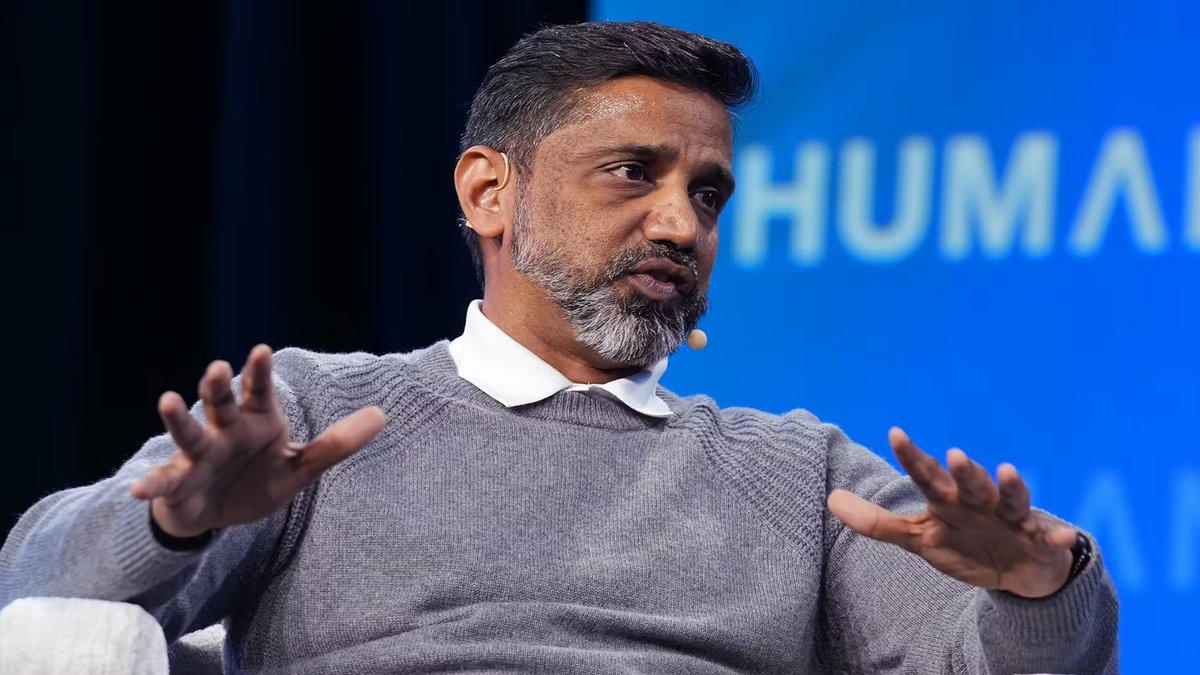
Vishal Sikka’s Warning
Vishal Sikka is the guy who wanted India to pivot to AI a decade ago. But India was not ready to seize global leadership. Now he is warning the IT sector once again. Excerpts from his interview of March 27, 2026:
a. IT stocks are getting thrashed because the market believes Indian IT companies will not be able to change in time. Market has a wisdom of its own, but who knows. Time will tell.
b. In any case, one thing is clear. If Indian IT companies don’t adapt to AI, and don’t make this change, then they will not make it. That is for sure.
c. You will start to see that happen in the form of decline in margins, to begin with. And over time, it will be followed by decline in revenues.
d. If you continue to renew the existing contracts on existing terms (manpower-led billable hours), then some of those customers will simply not renew.
e. Some of those customers will ask for new terms, which are going to be very difficult to match for Indian IT firms, unless you are able to bring AI into your business model.
f. So, the question is: what percentage of the existing contracts is going to get disrupted this way? I think in the next 2/3/4 quarters, we will start to examples of that.
g. On the contrary, if you start to see Indian IT companies demonstrating thousands of new efforts around new kinds of transformational work using AI, then there is no threat, but a massive growth opportunity.
h. I don’t know how the market is seeing this, but very soon it will be clear whether Indian IT’s transition to AI is happening or not.
i. What should Indian IT companies do to stay relevant? Build own AI platforms, own AI intellectual property (IPs), and double down on AI integration into services.
j. What piece of puzzle can Indian IT companies start off with? Skill as many people as possible in using AI agentic work. Offer services using AI-driven business models (outcome-based models; not billable hours-based).
k. And build all of this as fast as possible, assuming there is no tomorrow.
ENDPIECE: Hungry vs. Over-satisfied
When a developing country is dominated by mature, zero-growth dinosaurs with a resistance to risk and innovation, it will drift into irrelevance in a competitive world.
@arabicatrader
🚨 India is now the world's SECOND LARGEST market for ChatGPT 🤯
160 million monthly active users. 4.5x growth in 2025. Indians spend ~30% more time on it than the global average.
This goes beyond a curiosity stat. It shows how commerce itself is being rebuilt in real time.
Shopping is shifting from search and browse to describe and get.
Flipkart's AI engine is already pushing this forward, compressing discovery to checkout into a single conversational flow. The experience it is building toward will look fundamentally different from e-retail as we know it today.
Platforms that own the conversation will own the customer.
How India Shops Online 2026 report unpacks where this is heading: https://t.co/Y74gtNinVF
#AI #ConversationalCommerce #GenAI #Ecommerce #FutureOfShopping
12 API mistakes making your VIBE CODER app a HACKER's playground :
bookmark this RIGHT NOW !
> no auth on "internal" endpoints — if it has a URL, it can be hit from outside
> returning full DB objects — leaking password hashes, admin roles, internal flags
> no rate limiting — your API can be scraped and DoS'd with zero friction
> file uploads accepting any MIME type — validate server-side, not the extension
> missing input validation — null, undefined, strings where numbers expected
> verbose errors in production — stack traces and SQL errors in response body
> CORS wildcard (*) in production — any site can make requests using your users cookies
> HTTP without redirect — credentials sent in plaintext on any network
> HTTP verbs misused — DELETE triggered via GET, cached by browsers
> sensitive data in query params — `/api/reset?token=abc` gets logged everywhere
> no authorization, only authentication — change an ID in the URL, access any users data
> no API versioning — one breaking change kills all existing clients
every Claude Code app i've reviewed had at least 6 of these.
How did Facebook deploy without Vercel?
Back in 2004, there was no Vercel, no AWS, no “Deploy” button.
Here’s how it actually worked:
> Wrote code in PHP (LAMP stack)
> Ran it on a local machine first
> Manually pushed code to a server (FTP/SSH)
> Hosted on a single rented physical server
> Configured Apache + MySQL by hand
> Restarted services manually after changes
As traffic grew:
- Added more physical servers
- Introduced load balancers
- Split DB + app servers
- Built internal tools for deployment
- No CI/CD
- No auto scaling
- No rollback safety
- Just raw engineering + trial & error
Today we complain if deploy takes 30 seconds
the difference between asking Claude to review your code vs asking Codex is embarrassing
same code, same instructions and same review role
Claude: "looks good, clean implementation, nice work"
Codex: rips it apart, finds actual bugs, flags security issues, and gives you real feedback
Claude is trained to be agreeable but Codex is trained to be correct
someone extracted Codex's review instructions and turned them into a Claude slash command and then it suddenly Claude started reviewing like Codex.
the model was always capable of giving brutal honest reviews but it was just told not to
you don't have a dumb model but instead you have a polite one
- Meet James Gosling
- Creator of Java
- Built his first computer from scratch as a teenager
- Loved math, science, and tinkering with electronics
- Preferred experimenting on his own rather than traditional classroom learning
- joined Sun Microsystems and noticed a major problem
- Programming languages were complex, unsafe, and hardware-dependent
- Code couldn’t run easily across different machines
- Many projects failed due to system incompatibility
- got Frustrated with these limitations
- Created a new language called “Oak”
- They wanted simple, catchy, and energetic name
- The team was drinking coffee during brainstorming ☕
- so Later they renamed it to Java
- he wrote the original Java compiler and virtual machine himself
- designed it to be Simple, Secure, Platform-independent
- it became one of the most influential programming languages in history
- Widely used in: Web applications, Android apps, Enterprise systems, Banking software
- Adopted by millions of developers worldwide
- earned the nickname as “Father of Java”
- literally changed how software is built across the world.
Absolute legend.
पश्चिम बंगाल के 294 सीटों वाली विधानसभा में सरकार बनाने के लिए 148 सीटों की जरूरत है।
बंगाल में 112 सीट ऐसी है,जहां मुस्लिम मतदाता निर्णायक भूमिका में रहते हैं और इन 112 सीटों में से 106 ममता बनर्जी के पास हैं।
अंक गणित के लिहाज से समझें तो ममता बनर्जी को शेष 182 हिंदू-बहुल निर्वाचन क्षेत्रों में से केवल 42 और सीटें जीतने की जरूरत है।
2021 में तृणमूल कांग्रेस ने उन 182 सीटों में से 109 जीती थीं,सफलता दर 60 फीसदी थी।इस जीत के साथ तृणमूल को 215 सीटों का आरामदायक बहुमत दिलाया।वहीं भारतीय जनता पार्टी ने 72 हिंदू-बहुल सीटें जीतीं, लेकिन मुस्लिम बहुल क्षेत्रों में सूपड़ा साफ हो गया था।
बंगाल के 3 जिले- मालदा, मुर्शिदाबाद और उत्तर दिनाजपुर में मुस्लिम आबादी 50 फीसदी या उससे अधिक है।दो अन्य जिले- दक्षिण 24 परगना और बीरभूम में यह 35 फीसदी से ऊपर है।इन क्षेत्रों में 89 ऐसी विधानसभा सीटें हैं, जहां मुस्लिम आबादी 30 फीसदी से अधिक है।साथ ही 112 विधानसभा सीटें ऐसी हैं,जहां मुस्लिम वोटरों की संख्या 25 फीसदी से अधिक है।
2021 के विधानसभा चुनाव में तृणमूल कांग्रेस ने 35 फीसदी से अधिक मुस्लिम वोटर वाले 89 में से 87 सीटें जीती थीं,यह लगभग एकतरफा जीत था।
112 मुस्लिम-प्रभावित सीटों में से तृणमूल ने 106 पर कब्जा किया,जबकि भाजपा के पास केवल 5 सीटें रहीं। 30 फीसदी से अधिक मुस्लिम आबादी वाले निर्वाचन क्षेत्रों में बीजेपी की सफलता दर लगभग शून्य थी।
मुसलमान पूरी तरह ममता के साथ है और हिंदू पूरी तरह बीजेपी के साथ नहीं है।मुसलमान पूरी तरह मुस्लिम होकर मतदान करते हैं,और हिंदू जातियों बटकर,धर्मनिरपेक्ष होकर मतदान करते हैं।
बंगाल में इस बार बंगालियों को बंगाली अस्मिता से ऊपर उठकर हिंदू अस्मिता के लिए वोट करना होगा, बंगाल तभी बचेगा।
𝐁𝐑𝐄𝐀𝐊𝐈𝐍𝐆: ‘𝐂𝐢𝐜𝐚𝐝𝐚’ 𝐂𝐎𝐕𝐈𝐃 𝐕𝐚𝐫𝐢𝐚𝐧𝐭 (𝐁𝐀.𝟑.𝟐) 𝐃𝐞𝐭𝐞𝐜𝐭𝐞𝐝 𝐢𝐧 𝟐𝟑 𝐂𝐨𝐮𝐧𝐭𝐫𝐢𝐞𝐬: 𝐖𝐡𝐚𝐭 𝐖𝐞 𝐊𝐧𝐨𝐰 𝐒𝐨 𝐅𝐚𝐫
A new Omicron subvariant — BA.3.2, nicknamed “Cicada” — has been detected in 23 countries.
First identified: South Africa, Nov 2024
Now spreading quietly across regions.
Classified as “variant under monitoring," not a major threat yet.
(1/5)
New COVID Strain With 75 Mutations Triggers Panic After 22 Countries Report Sudden Surge
A new COVID-19 variant, identified as BA.3.2 and informally referred to as “Cicada,” has been detected across 22 countries, including the United States, according to monitoring reports. Early assessments indicate the strain carries a high number of mutations, prompting closer observation by health authorities and researchers tracking its spread.
WATCH: https://t.co/D5uTXGKnkJ
𝐈𝐧𝐝𝐢𝐚'𝐬 𝐛𝐢𝐠 𝐢𝐧𝐭𝐞𝐫𝐧𝐬𝐡𝐢𝐩 𝐜𝐫𝐢𝐬𝐢𝐬: 𝐀 𝐠𝐞𝐧𝐞𝐫𝐚𝐭𝐢𝐨𝐧 𝐥𝐞𝐟𝐭 𝐰𝐢𝐭𝐡𝐨𝐮𝐭 𝐬𝐤𝐢𝐥𝐥𝐬 𝐨𝐫 𝐣𝐨𝐛𝐬
Internships are disappearing in India. Freshers, who once entered the workforce after completing a series of internships, now join as trainees with little to no experience. As trainee positions remain limited, many capable candidates, who would earlier have had a chance, are being filtered out. This shift is further exacerbating the skills gap, leaving young professionals without the practical exposure they miss during their education.
Read more : https://t.co/NOcNYoaYoV
✍️ @InkSleuth
कोविड के नए वैरिएंट की खबर फिर से लोगों को चिंता में डाल रही है. रिपोर्ट्स के अनुसार, 75 म्यूटेशन के साथ कोरोना का नया वैरिएंट आया है. इस नए वैरिएंट में स्पाइक प्रोटीन में करीब 70 से 75 म्यूटेशन पाए गए हैं. यह वही हिस्सा होता है जिससे वायरस हमारे शरीर की कोशिकाओं में जाता है. वैज्ञानिकों का कहना है कि यह वैरिएंट हमारी इम्युनिटी को कुछ हद तक धोखा भी दे सकता है और इसके स्पाइक प्रोटीन वायरस को हमारे शरीर में घुसने में मदद करता है. यह नया कोरोना वैरिएंट पहली बार नवंबर 2024 में दक्षिण अफ्रीका में पाया गया था.
#covid19 #corona #coronavirus #newvariant #abpnews
The global situation remains in flux, and we are closely monitoring developments across energy, supply chains, and essential commodities on a real-time basis.
Under the leadership of Hon’ble PM @narendramodi Ji, all necessary steps are being taken to ensure uninterrupted availability of fuel, energy, and other critical supplies for our citizens. We are fully prepared to handle emerging challenges.
India has consistently demonstrated resilience in the face of global uncertainties, and we will continue to act in a timely, proactive, and coordinated manner.
Rumours of a lockdown in India are completely false. Let me state this clearly, there is no such proposal under consideration by the Government of India.
In such times, it is important that we remain calm, responsible, and united.
Attempts to spread rumours and create panic in such a situation are irresponsible and harmful.
वैश्विक स्थिति अभी भी अनिश्चित बनी हुई है, और हम ऊर्जा, सप्लाई चेन और ज़रूरी वस्तुओं से जुड़े हालात पर लगातार नज़र बनाए हुए हैं।
माननीय प्रधानमंत्री जी के नेतृत्व में सरकार यह सुनिश्चित कर रही है कि देश में ईंधन, ऊर्जा और अन्य आवश्यक चीज़ों की आपूर्ति बिना किसी रुकावट के जारी रहे। हर संभावित चुनौती से निपटने के लिए हम पूरी तरह तैयार हैं।
भारत ने पहले भी वैश्विक अनिश्चितताओं के बीच अपनी मज़बूती दिखाई है, और आगे भी हम समय पर, सक्रिय और समन्वित तरीके से कदम उठाते रहेंगे।
लॉकडाउन को लेकर फैल रही अफवाहें पूरी तरह गलत हैं। मैं स्पष्ट करना चाहता हूँ कि सरकार के स्तर पर ऐसा कोई प्रस्ताव विचाराधीन नहीं है।
ऐसे समय में ज़रूरी है कि हम सभी शांत, ज़िम्मेदार और एकजुट रहें।
इस तरह की स्थिति में अफवाह फैलाना और बेवजह डर का माहौल बनाना गैर-जिम्मेदाराना और हानिकारक है।