Become a Founding Member and join the circadian health revolution! We have opened a limited cohort waitlist for the MiEye! Join here: https://t.co/CsFWeFiuAh
Two hospitals in London in a space of 1 week added a rooftop sundeck for their ICU patients.
We also discuss the new MiEYE light sensor on this episode of MedCram!
https://t.co/cb4FudfPw7
@KingsCollegeNHS@geshNHS@HealthyLight247@circadian247
Why visual brightness might not mean IR irradiation and why it's better to be outside in greenery rather than a concrete jungle.
@HealthyLight247@circadian247
https://t.co/NS1VLoGQ3p
Sneak peak at tomorrow's offering on MedCram.
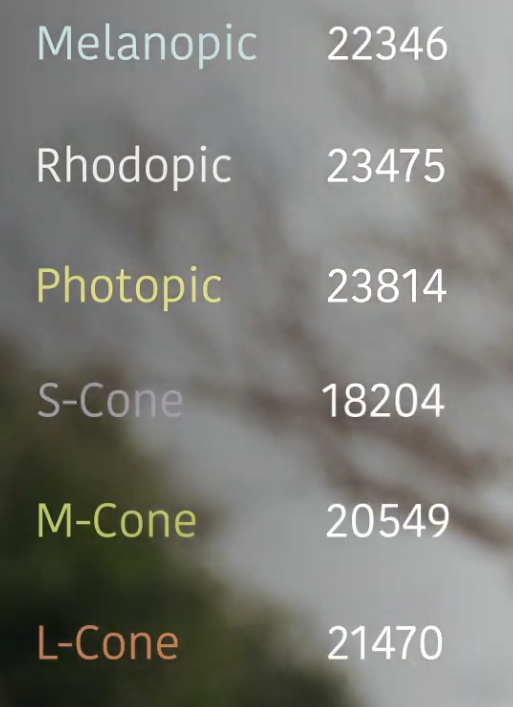
In time for the holidays, a gift from CHI to MiEye users: infrared light sensing! We’ve just released an app and firmware update allowing users to measure and record near infrared (NIR) light. This is a burgeoning research area, with very little on real-world exposure patterns.
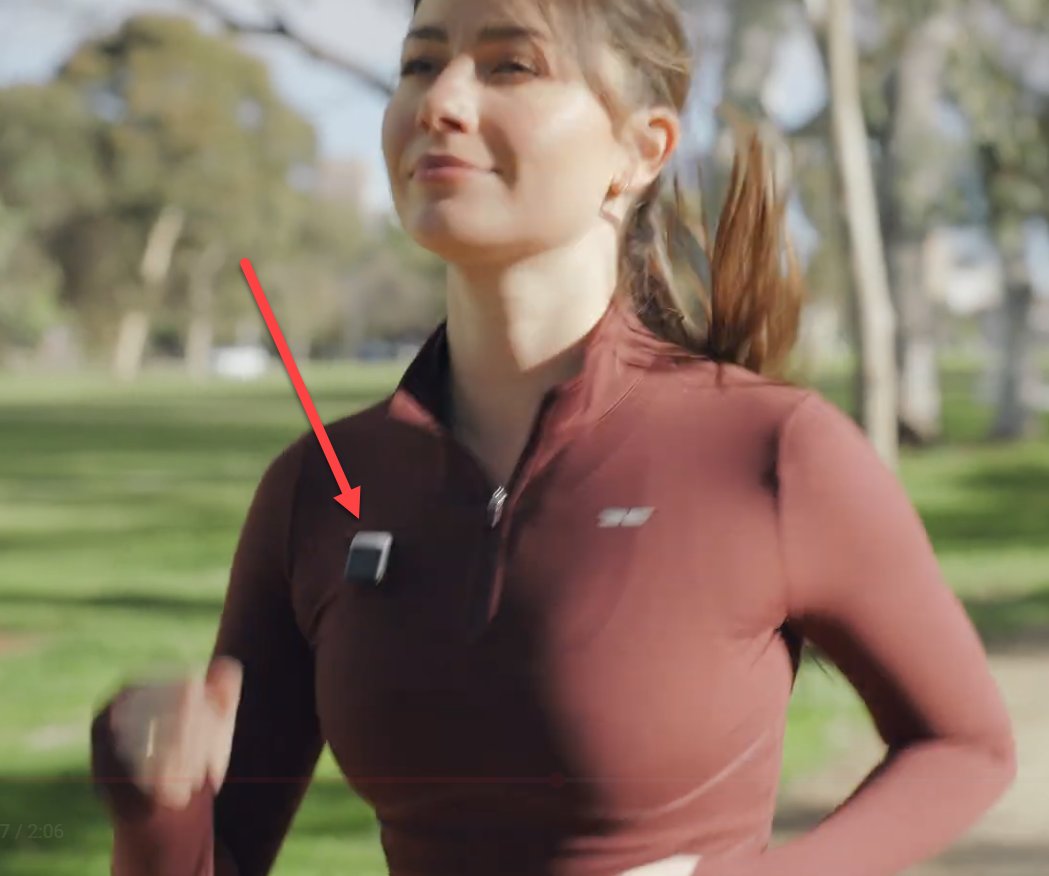
🚨🚨MiEye: This is the ultimate wearable to measure light coming to your body in the visible (and also infrared apparently). I have no financial relationship with this company. But this would be a great way of showing how much light patients in a hospital get before and during an intervention!!!
https://t.co/P8xe23Biqg
https://t.co/DDNDaC04u4
@circadian247
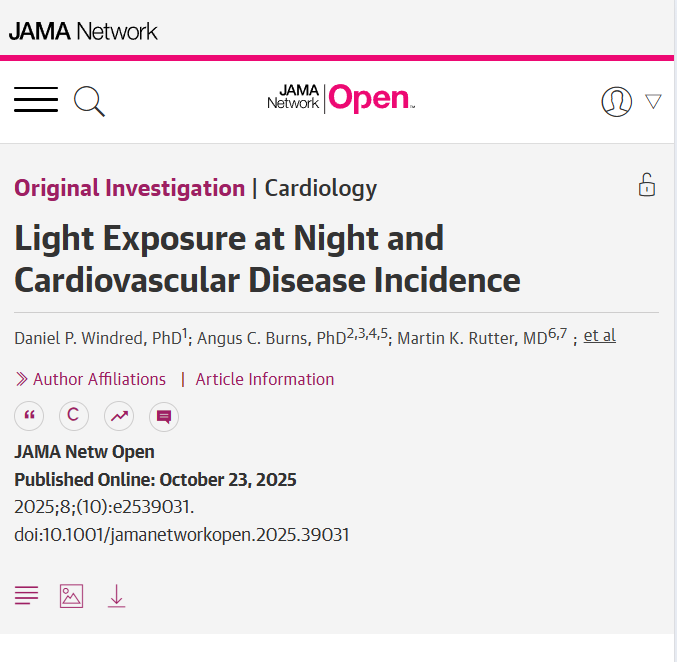
Exposure to brighter light at night was associated with greater risk of developing coronary artery disease, myocardial infarction, heart failure, atrial fibrillation, and stroke, developing cardiovascular diseases among adults >40 years. https://t.co/ZceGsqDpq2
Light at night and heart disease! Published today in JAMA Network Open. We found that those with the brightest nights had higher risks of coronary artery disease, myocardial infarction, heart failure, atrial fibrillation, and stroke.
https://t.co/9sq1KTXSS2
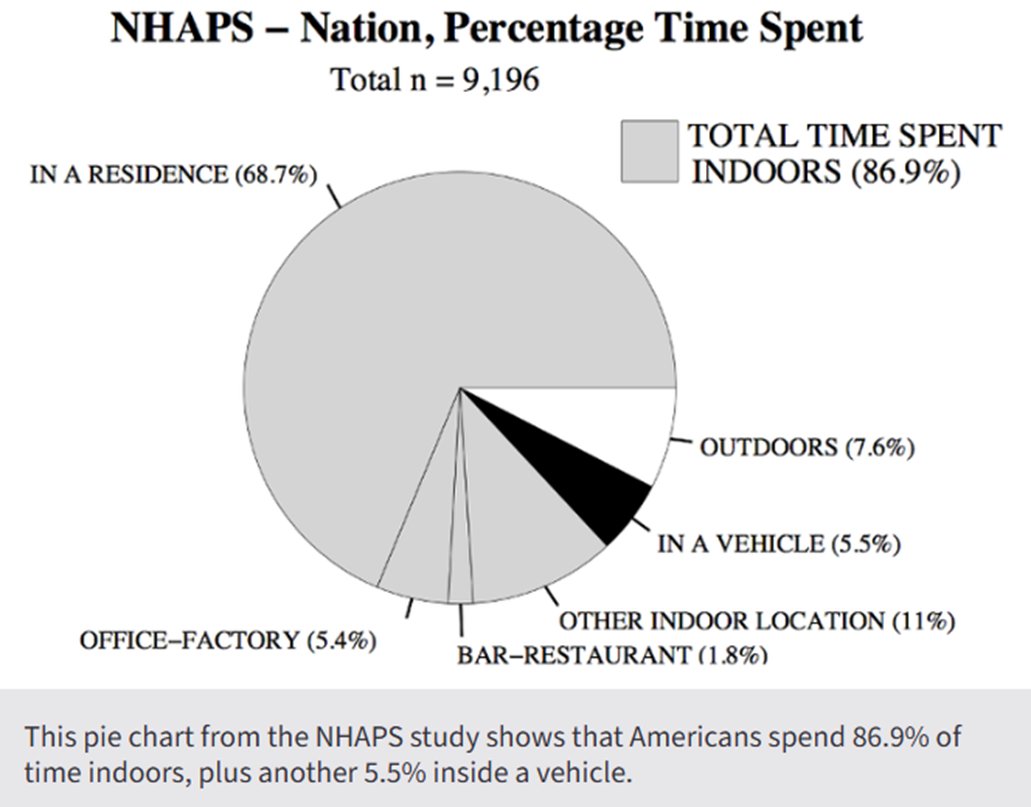
@bitcoinand_beef Working outside as much as you reasonably can is good advice. Getting enough bright light in the day to enhance circadian amplitude is too rare in modern life. As a start, try to at least have your lunch outside in a work day. Your clock will thank you.
@AdamRochussen Light has a mood elevating effect, day or night. So if mood is particularly bad at night, there will be more motivation to seek it. The second paper I linked shows how more blue in a light leads to better rejection of negative self-directed thoughts.
Preprint alert! Light at night predicts heart health. People with bright nights had significantly higher risks of coronary artery disease, myocardial infarction, heart failure, atrial fibrillation, and stroke.
https://t.co/Dg1VogGBbt