I've acquired ~$80 million worth of real estate over the past 5 years.
Here's what you don't hear about on social media:
1. Real estate won't make you rich.
Or at least, not on the timeline you probably think.
Most people get into real estate thinking they'll acquire 10 buildings in the first year, quadruple returns in 9 months, and be cashflowing 7-figures shortly thereafter.
Here's the truth:
You won't.
But that's okay, because here's some more truth:
Real estate is the best get rich slowly, but surely strategy in the world.
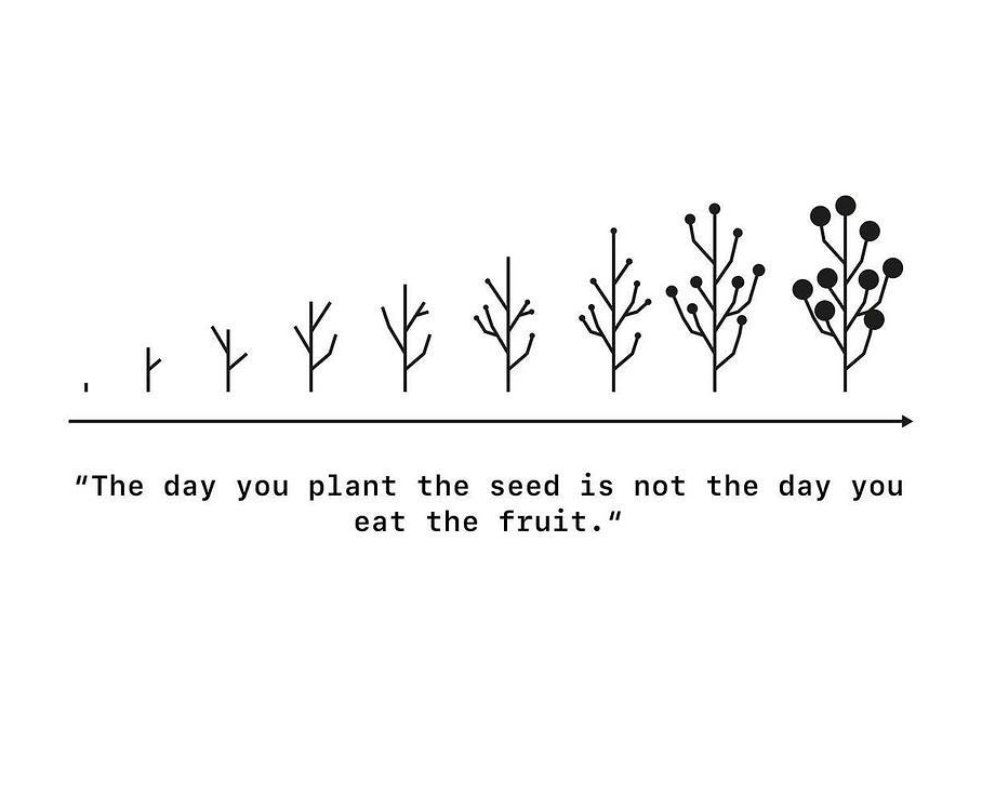
It's all a matter of lengthening your time horizon.
My core investment thesis:
Let time do the heavy lifting.
Time is an investor's best friend, so if you're gonna play this game, plan to do so for a long time.
It's hard to lose money if you stay in the game for 30+ years.
2. You will probably be asset rich and cash poor.
Most "successful" investors I know have a great looking balance sheet, but an anemic bank account.
Why?
Because they're addicts...
As soon as they refinance or sell an asset, they turn around eager to find the next one.
If you're raising capital from LPs, then as GP it's going to be years before you see meaningful cashflow from your promote.
In the meantime, you'll probably be living off fees...
Unless...
You've already built a cash generating machine elsewhere.
I didn't do this with intention, but in hindsight, it was the smartest thing I ever did:
I only started raising money for real estate AFTER I'd built several cash generating machines.
Those machines were in the form of other businesses and other real estate I owned outright myself.
The result?
Steady cashflow to support my life so I don't have to go chasing deals/fees.
Cashflow and reserves keep you in the game.
You can literally never have too much of either.
3. People are the hardest part.
This goes for all businesses.
Whether you're dealing with employees, residents, investors, customers, vendors, suppliers, etc...
People are weird and messy and often have no clue what they really want.
As a result, people (and not plumbing, electrical, or roofs) are going to be your biggest headache.
Accept that this is all just part of the game.
In fact, in many ways, it's THE most important part of the game, because:
Your success in real estate depends entirely on your ability to work effectively WITH and THROUGH other people.
4. The best investors are the best problem solvers.
Things will go wrong.
It's not a matter of if, only when.
The players who thrive (much less survive) are the ones most able to roll with the punches, handle the stress, and stay in the game.
The way you stay in the game is by repeatedly solving problems.
Seriously...
The problems never stop coming.
They simply get bigger and harder to solve.
But that, at the end of the day, that's how you get paid.
You get paid to solve problems.
Now, don't let me scare you off of real estate.
Truth is, it's one of the best investments/business models in the world...
Just make sure you go in with eyes wide open and know exactly what you're getting into.
If you do, you can do INCREDIBLY well.
Want more raw real estate advice from an owner/operator that's been in the game for over a decade?
CLICK THE FOLLOW BUTTON.
Shortly after Steve Jobs returned as the CEO of Apple in 1997, he met with Jony Ive, Apple’s Senior VP of industrial design.
Apple had 40 products on the market.
“Jony, how many things have you said no to?” Jobs asked.
Ive was confused.
“You have to understand,” Jobs said,
“There are measures of focus, and one of them is how often you say no.”
“What focus means,” Jobs taught Ive, “is saying no to something that you—with every bone in your body—think is a phenomenal idea, and you wake up thinking about it, but you say no to it because you're focusing on something else.”
Jobs walked up to a whiteboard and drew a 2 x 2 grid. On top, he wrote “Consumer” and “Professional.” Down the side, “Portable” and “Desktop.”
Four products—meet Apple’s new radically focused product line, Jobs said.
After that meeting, over the next two decades, Jobs and Ive—focused on making a few high-quality products while saying no to everything else—transformed a dying, near-bankrupt company into one of the most valuable companies in the world, worth over $2.9 trillion.
Takeaway 1:
The philosopher Marcus Aurelius pointed out that the focus of doing less “brings a double satisfaction.”
You get the satisfaction of having fewer things to do. And…you get the satisfaction of doing those fewer things at a higher level.
You get “to do less, better.”
During Steve Jobs’ first visit to Jony Ive’s design studio, he looked around, and then he said, “Fuck, you’ve not been very effective, have you?”
It was clear to Jobs that Ive was full of ideas and potential he wasn’t able to execute or fulfill under Apple’s previous leadership.
In the Jobs era of “doing less, better,” Ive was very effective.
Some products he designed include: iMac, iPod, iPhone, iPad, Apple Watch, and AirPods.
Takeaway 2:
Even though he slashed the product line down to four products, Jobs loved to have and hear ideas.
“Steve used to say to me,” Ive said, “and he used to say this a lot, ‘Hey, Jony, here’s a dopey idea.’ And sometimes they were: really dopey. Sometimes they were truly dreadful.
But sometimes they took the air from the room, and they left us both completely silent.”
It made me think of what Jerry Seinfeld identifies as the ultimate skill of the artist: “taste and discernment.”
“It’s one thing to create,” Seinfeld says. It’s one thing to have ideas.
“The other is you have to choose. ‘What are we going to do, and what are we not going to do?’” What are we going to add to the product line, and what are we not going to add?
“This is a gigantic aspect of [artistic] survival,” Seinfeld continues.
“It’s kind of unseen—what’s picked and what is discarded—but mastering that is how you stay alive.”
- - -
“Everything just got simpler. That’s been one of my mantras—focus and simplicity.” — Steve Jobs
Follow @bpoppenheimer for more content like this!
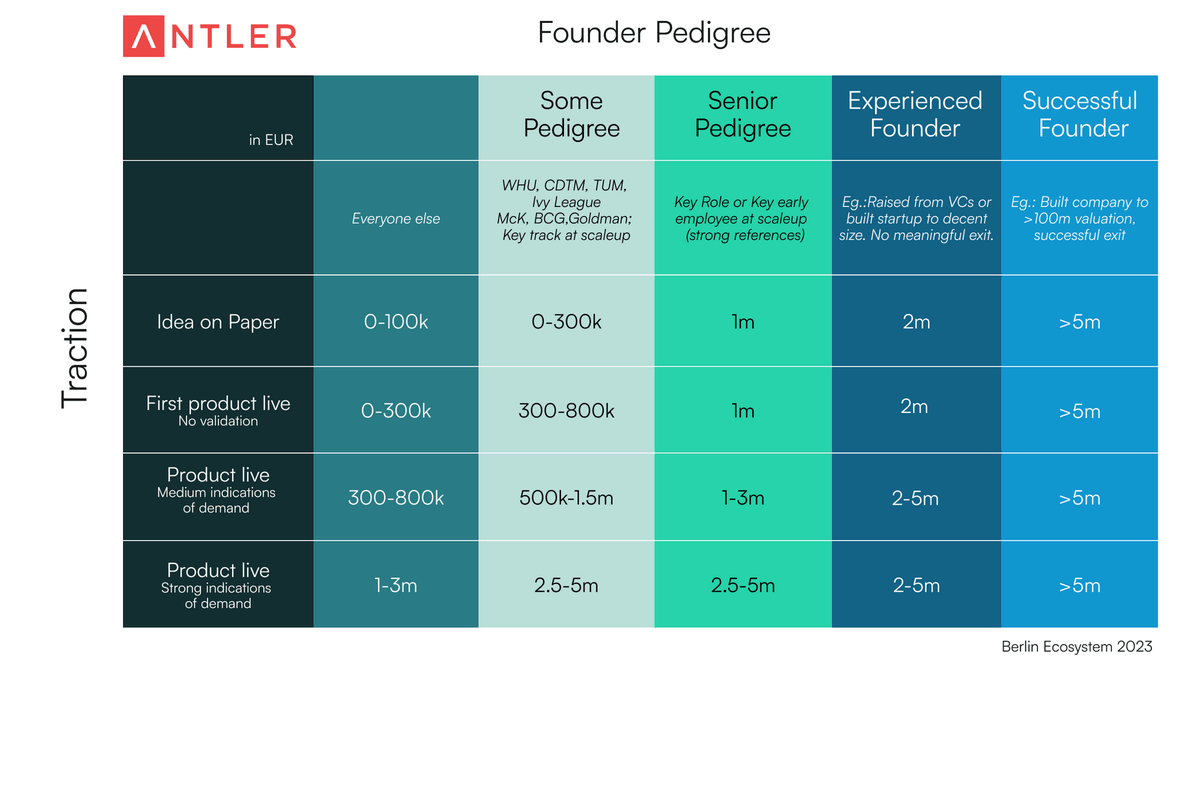
I tell young aspiring entrepreneurs to join a quality firm and get promoted at least once before they start their company.
It's also why I invested my own cash in everyone from my department who left to start a business.
A founder's track record is valuable. Investors agree.
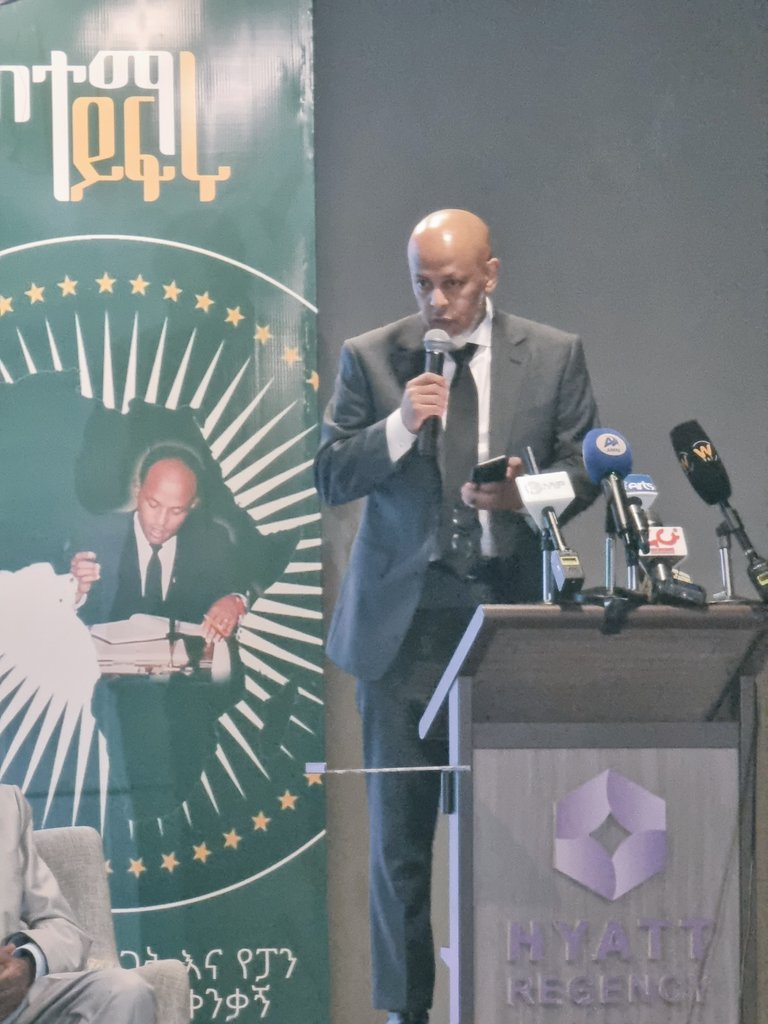
A biography book Launch of #Ketema_Yifru, former #Ethiopian Foreign Affairs Minister who was instrumental in the establishment of the @_AfricanUnion, criss-crossing the continent on diplomatic missions. Author & Son: #Mekonnen_Ketema
If you watch the NEWS, you may think we're headed for Civil War and the world's in Bad Shape.
That's Bullsh!t
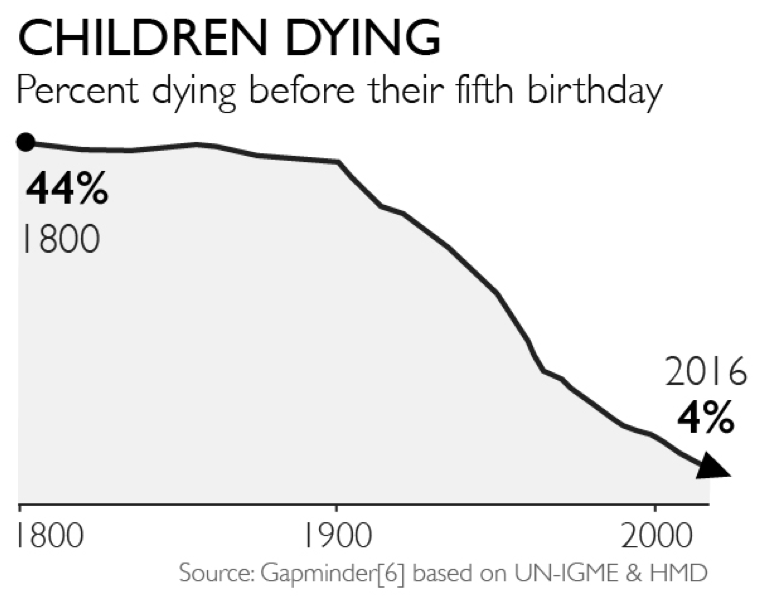
And, here's 10 Charts to Prove it:
1. Child Survival is Up
@bobomaheder@FERESApps Mahder, your story is heart-warming. Reading through your thread, I was on the edge of my seat thinking, "he better not get off before the destination!" 😊 Kudos for persevering through, what they call, his ill-motivated "microagressions."
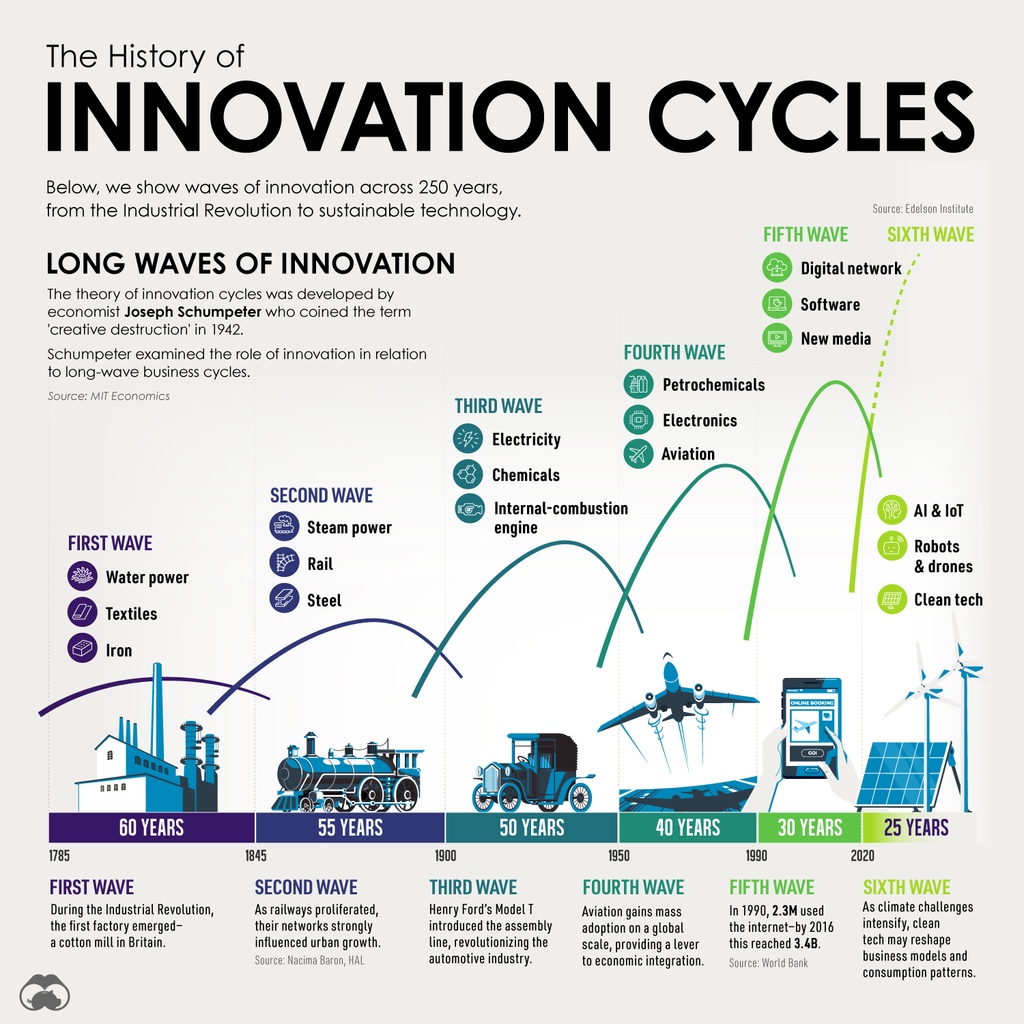
Why are innovation cycles and business growth linked so closely? 🔗
Find out in our piece The History of Innovation Cycles, from our 2021 archives: https://t.co/5whX7KzpS6
The Ethiopian bible is the oldest, most complete and original bible on earth.
Written on goat skin in the early Ethiopian language of Ge’ez. It is also World’s first illustrated Christian Bible.












![bpoppenheimer's tweet photo. Shortly after Steve Jobs returned as the CEO of Apple in 1997, he met with Jony Ive, Apple’s Senior VP of industrial design.
Apple had 40 products on the market.
“Jony, how many things have you said no to?” Jobs asked.
Ive was confused.
“You have to understand,” Jobs said,
“There are measures of focus, and one of them is how often you say no.”
“What focus means,” Jobs taught Ive, “is saying no to something that you—with every bone in your body—think is a phenomenal idea, and you wake up thinking about it, but you say no to it because you're focusing on something else.”
Jobs walked up to a whiteboard and drew a 2 x 2 grid. On top, he wrote “Consumer” and “Professional.” Down the side, “Portable” and “Desktop.”
Four products—meet Apple’s new radically focused product line, Jobs said.
After that meeting, over the next two decades, Jobs and Ive—focused on making a few high-quality products while saying no to everything else—transformed a dying, near-bankrupt company into one of the most valuable companies in the world, worth over $2.9 trillion.
Takeaway 1:
The philosopher Marcus Aurelius pointed out that the focus of doing less “brings a double satisfaction.”
You get the satisfaction of having fewer things to do. And…you get the satisfaction of doing those fewer things at a higher level.
You get “to do less, better.”
During Steve Jobs’ first visit to Jony Ive’s design studio, he looked around, and then he said, “Fuck, you’ve not been very effective, have you?”
It was clear to Jobs that Ive was full of ideas and potential he wasn’t able to execute or fulfill under Apple’s previous leadership.
In the Jobs era of “doing less, better,” Ive was very effective.
Some products he designed include: iMac, iPod, iPhone, iPad, Apple Watch, and AirPods.
Takeaway 2:
Even though he slashed the product line down to four products, Jobs loved to have and hear ideas.
“Steve used to say to me,” Ive said, “and he used to say this a lot, ‘Hey, Jony, here’s a dopey idea.’ And sometimes they were: really dopey. Sometimes they were truly dreadful.
But sometimes they took the air from the room, and they left us both completely silent.”
It made me think of what Jerry Seinfeld identifies as the ultimate skill of the artist: “taste and discernment.”
“It’s one thing to create,” Seinfeld says. It’s one thing to have ideas.
“The other is you have to choose. ‘What are we going to do, and what are we not going to do?’” What are we going to add to the product line, and what are we not going to add?
“This is a gigantic aspect of [artistic] survival,” Seinfeld continues.
“It’s kind of unseen—what’s picked and what is discarded—but mastering that is how you stay alive.”
- - -
“Everything just got simpler. That’s been one of my mantras—focus and simplicity.” — Steve Jobs
Follow @bpoppenheimer for more content like this!](https://pbs.twimg.com/media/FzeinZYWYAEzlYI.jpg)