New York City is gradually sinking under its own mass.
With more than a million buildings spread across its five boroughs, it is considered one of the heaviest urban environments on the planet. The combined weight of these structures is estimated at around 1.68 trillion pounds or 762 billion kilograms, which is roughly comparable to about 1.9 million fully loaded Boeing 747 aircraft.
Research suggests that this immense load is contributing to a process called subsidence, where land slowly settles or sinks over time.
On average, parts of New York City are lowering by about 1 to 2 millimetres each year, with some locations experiencing rates closer to 4.5 millimetres annually.
However, the buildings are only part of the explanation. Certain areas sit on softer sediments or reclaimed land that compress more easily under pressure. In addition, groundwater changes and long term geological recovery from the last Ice Age are also influencing gradual ground movement.
While these shifts are extremely small on a yearly basis, they become more meaningful over long periods.
At the same time, sea levels around New York are rising faster than the global average. The combination of rising oceans and slowly sinking land increases the risk of flooding, particularly in low lying neighbourhoods, transport systems, and coastal infrastructure.
Scientists note that this is not unique to New York. Other major cities such as Jakarta, Shanghai, Mexico City, and parts of Tokyo are also experiencing land subsidence, often due to a mix of natural and human influenced factors.
Although this process is far too slow to notice day to day, its effects accumulate over decades.
There is no indication that the city’s buildings are at risk of sudden failure or collapse. New York will continue to stand, but the ground beneath it is slowly shifting downward, shaped by both geological forces and the scale of human development.
Source
"The Weight of New York City: Possible Contributions to Subsidence From Anthropogenic Sources." Earth's Future
Nietzsche: "Never trust a thought that occurs to you indoors."
Psychologists in 2026: going for a brisk walk increases creativity measurably.
Go for a walk.
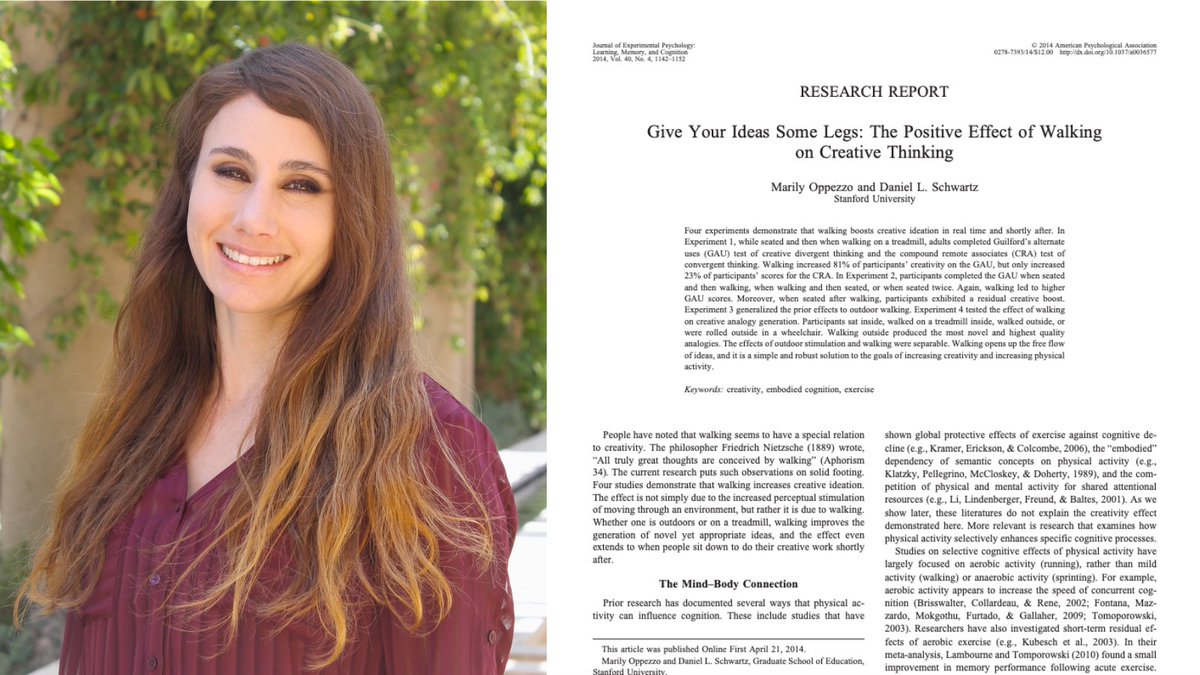
A Stanford psychologist spent 4 years proving that the simple act of walking generates 60% more creative ideas than sitting, and the experiment she designed to kill every alternative explanation is one of the most decisive findings in modern psychology.
Her name is Marily Oppezzo.
She got the idea for the study while walking with her advisor at Stanford to discuss her thesis topic, and the paper she eventually published in the Journal of Experimental Psychology in 2014 is sharp enough that it should have ended the seated meeting on the day it came out.
She ran 4 experiments on 176 people. Same person tested twice. Once sitting, once walking. The creativity tasks were the standard ones psychologists have used for decades to measure how good a brain is at generating novel useful ideas.
The result was almost too clean to publish.
81% of participants in the first experiment produced more creative ideas while walking than while sitting. In the second experiment, 88%. In the third, 100%. Every single person walked into a more creative version of themselves.
On average, people generated 60% more novel useful ideas the moment their legs started moving.
The skeptical question is the obvious one. Maybe it was the fresh air. Maybe it was the scenery passing by. Maybe it was the change of environment doing the work, not the walking itself.
Oppezzo killed every one of those explanations with one experimental decision.
She put people on a treadmill facing a blank wall. No scenery. No fresh air. No environmental change. Just legs moving in place while staring at white drywall. The 60% boost held.
Then she ran the experiment that closed the case completely. She took participants outside in two conditions. Half of them walked through a Stanford courtyard. The other half were pushed through the exact same courtyard in a wheelchair. Same outdoor stimulation. Same scenery passing at the same speed. The only difference was whether the legs were moving.
The walkers produced dramatically more novel high-quality ideas than the wheelchair group. The outdoors did almost nothing on its own. The walking did everything.
This is the part of the study that hit hardest when I read it the first time.
She also tested the opposite kind of thinking. Convergent thinking. The kind where there is one right answer and you have to narrow down to it.
Word puzzles where 3 words share a hidden fourth word that connects them. The seated participants did slightly better on these. Walkers got slightly worse.
Walking is not a general intelligence enhancer. It does one specific thing. It opens up the divergent search inside your brain. The part that generates options. The part that produces unexpected connections. The part that takes a problem and finds five ways into it instead of one.
When you need to converge on the single right answer, sit down. When you need to find the answer in the first place, get up.
The mechanism is now well understood. Walking selectively activates what neuroscientists call the default mode network, the system inside your brain that runs when you are not consciously focused on anything. The DMN is where mind-wandering happens. Where memories cross-reference each other. Where ideas that have been sitting in separate folders inside your head finally bump into each other.
When you sit at a desk and force yourself to concentrate, you suppress the DMN. When you walk at a natural pace, the executive part of your brain gets just busy enough handling the walking that the DMN comes online and starts doing the work that focus was blocking.
The most useful finding in the entire paper is the one almost nobody quotes.
The boost did not turn off the moment people stopped walking. Participants who walked first and then sat back down stayed elevated. Their next round of seated creativity work was still significantly better than people who had been sitting the whole time. The rest lingered for at least several minutes after the legs stopped moving.
You do not need to do creative work while walking. You need to walk before the creative work. The brain holds the state.
The history of this is the part that should haunt anyone who still does meetings in chairs.
Charles Darwin built a gravel loop behind his house in Kent called the Sandwalk and walked it 3 times a day for the rest of his life. The theory of evolution was developed one lap at a time on that path.
Nietzsche walked up to 10 hours a day during the years he wrote his most important books and openly said the work was conceived on his feet.
Beethoven composed for the morning and walked for 5 hours every afternoon with a pencil in his pocket for when something landed.
Kahneman said the best thinking of his Nobel Prize-winning career happened on leisurely walks with Amos Tversky. Steve Jobs refused to take important conversations sitting down. He held them on foot.
Every one of them was using the system Oppezzo would not measure until 2014. They just did not know what to call it.
The question worth sitting with is the one almost nobody asks.
Every meeting you have ever attended sitting around a table was a meeting held at a fraction of the brain power that was actually available to the people in the room. Every brainstorm that got stuck inside a conference room. Every problem you tried to solve at a desk and gave up on. Every idea you could not quite get to.
The intervention is the easiest one in modern science. No supplement. No app. No subscription. No training program. Just a pair of legs and 15 minutes.
The Stanford lab proved it. The philosophers knew it. The neuroscience explains it.
And almost everyone reading this is still trying to think their way out of problems sitting completely still.
🍔 Fattest & Fittest Nations
Most obese:
1. 🇰🇼 Kuwait — 45%
2. 🇶🇦 Qatar — 44%
3. 🇺🇸 United States — 43%
4. 🇸🇦 Saudi Arabia — 43%
5. 🇵🇷 Puerto Rico — 42%
Least obese:
1. 🇯🇵 Japan — 6%
2. 🇰🇷 South Korea — 7%
3. 🇫🇷 France — 10%
4. 🇹🇼 Taiwan — 11%
5. 🇨🇭 Switzerland — 13%
Data: Global Obesity Observatory (2025)
Wild gap between the top and bottom. Culture and lifestyle really matter.
A journalist spent $11,000 on a forgotten island nobody wanted.
Everyone thought he was insane.
Brendon Grimshaw walked away from a newsroom career in Yorkshire, signed the papers four minutes before midnight on the last night of his Seychelles holiday, and inherited a dead patch of land called Moyenne.
The place was a wasteland. Coconuts so tangled they couldn't even fall to the ground. No wildlife worth mentioning. Just silence.
So he got to work.
Alongside his friend René Lafortune, Brendon spent the next 39 years planting trees one by one. By hand. No machines. No crew. Just two men and a vision.
16,000 trees later, Moyenne looked nothing like the barren rock he'd bought.
Then came the animals. He reintroduced more than 120 giant Aldabra tortoises, a species teetering on extinction. Around 2,000 new birds found their way back to the island. Today, two-thirds of all the fauna in the Seychelles call Moyenne home.
Word got out. Tourism exploded across the region in the 80s, and developers came knocking.
A Saudi prince reportedly slid $50 million across the table for the island.
Brendon said no.
"I don't want the island to become a favorite vacation spot for the rich," he said. "Better let it be a national park that everyone can enjoy."
In 2008, that's exactly what happened. Moyenne became the smallest national park on Earth.
Lafortune died in 2007. Brendon stayed on the island until his own death in 2012. He's buried there, next to his father, surrounded by every tree he ever planted.
He took a dead island and gave it back to the world.
Source: BBC / Silverback Digest / Story Seychelles
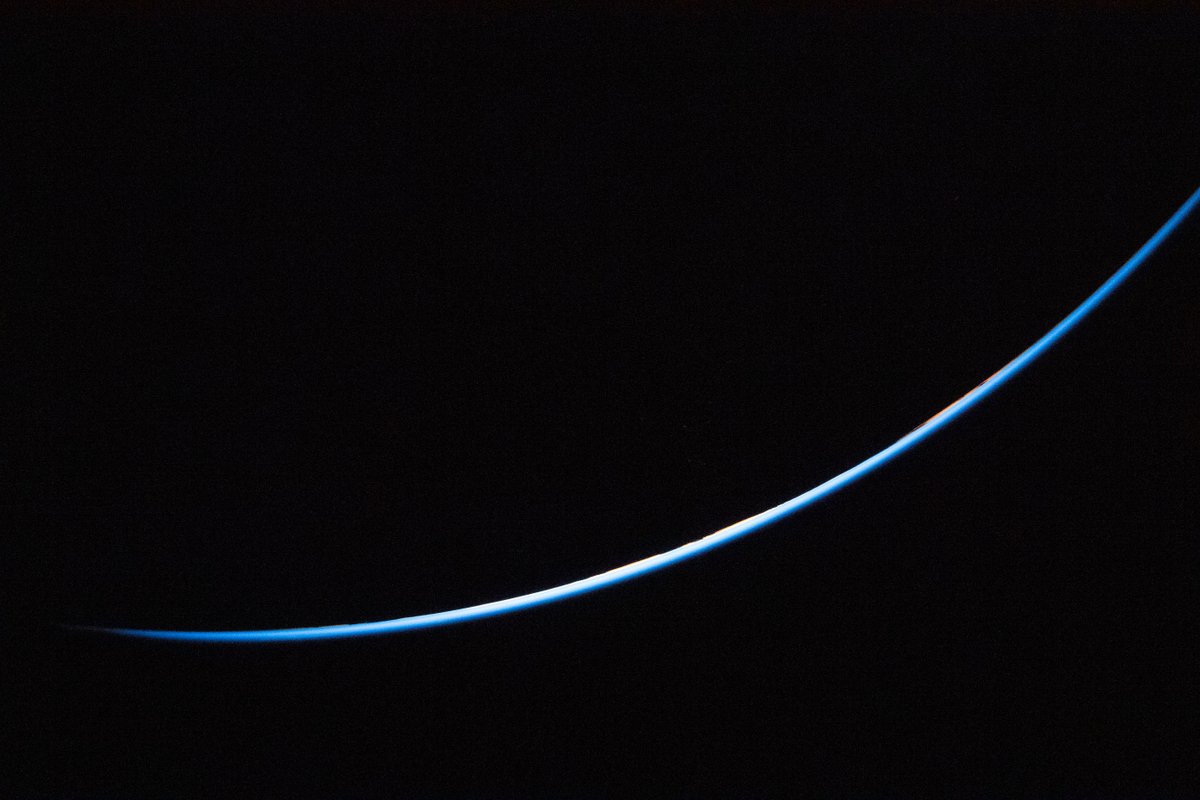
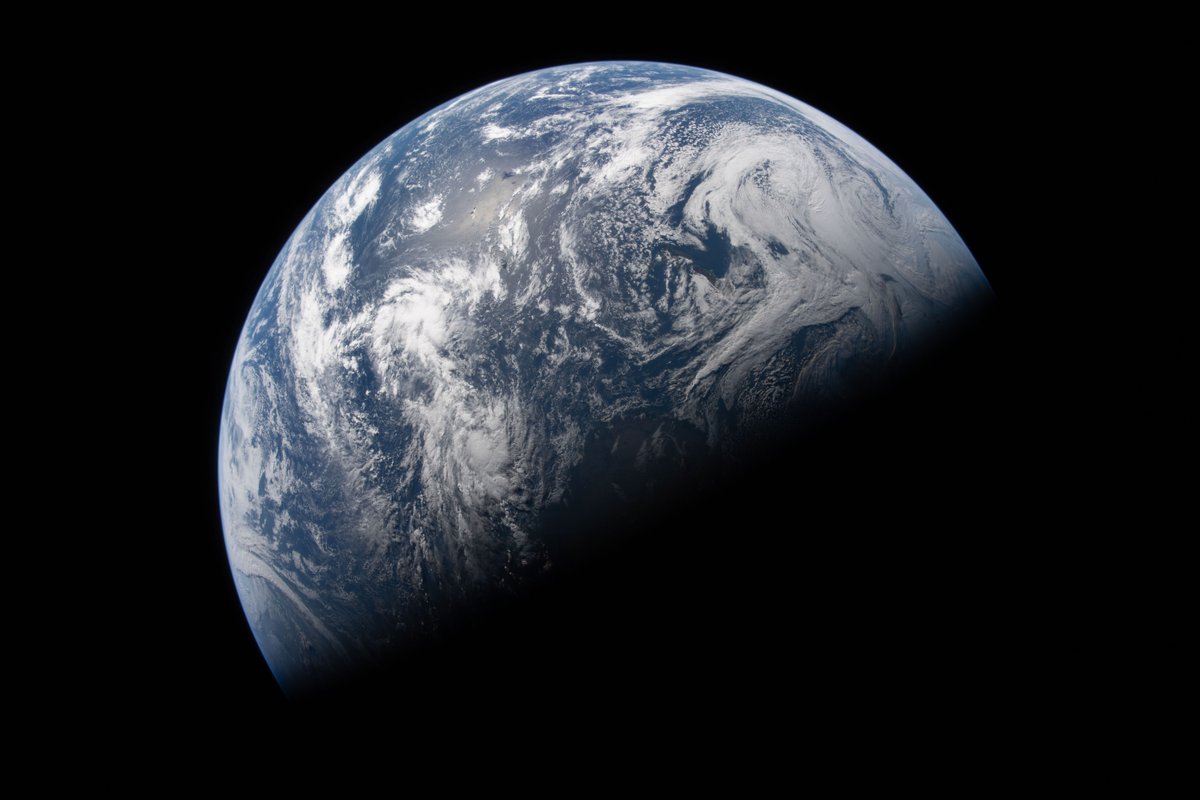
Last week, we took the mission to the heart of New York City. The Artemis II crew showed the country what’s next.
America is ready to go back to the Moon. Artemis II is just the beginning. 🌕
Look out for the @Space_Station the next time it passes over your town!
You might see it in the night sky the next time it's nearby — download our NASA app to get notified, or look it up on our website at https://t.co/cAQ4RnX0LT.
Start your week with some new photos from Artemis II!
Though our journey around the Moon has ended, we're still retrieving plenty of new images. Keep an eye on our Artemis II multimedia gallery for image highlights from the mission: https://t.co/XInWMJwMYY
South Korea's first humanoid robot monk made its debut at Jogye Temple in Seoul, ahead of Buddha's birthday. Gabi, the 130-centimeter-tall robot, wore a traditional grey-and-brown Buddhist robe and stood before monks as it pledged to devote itself to Buddhism
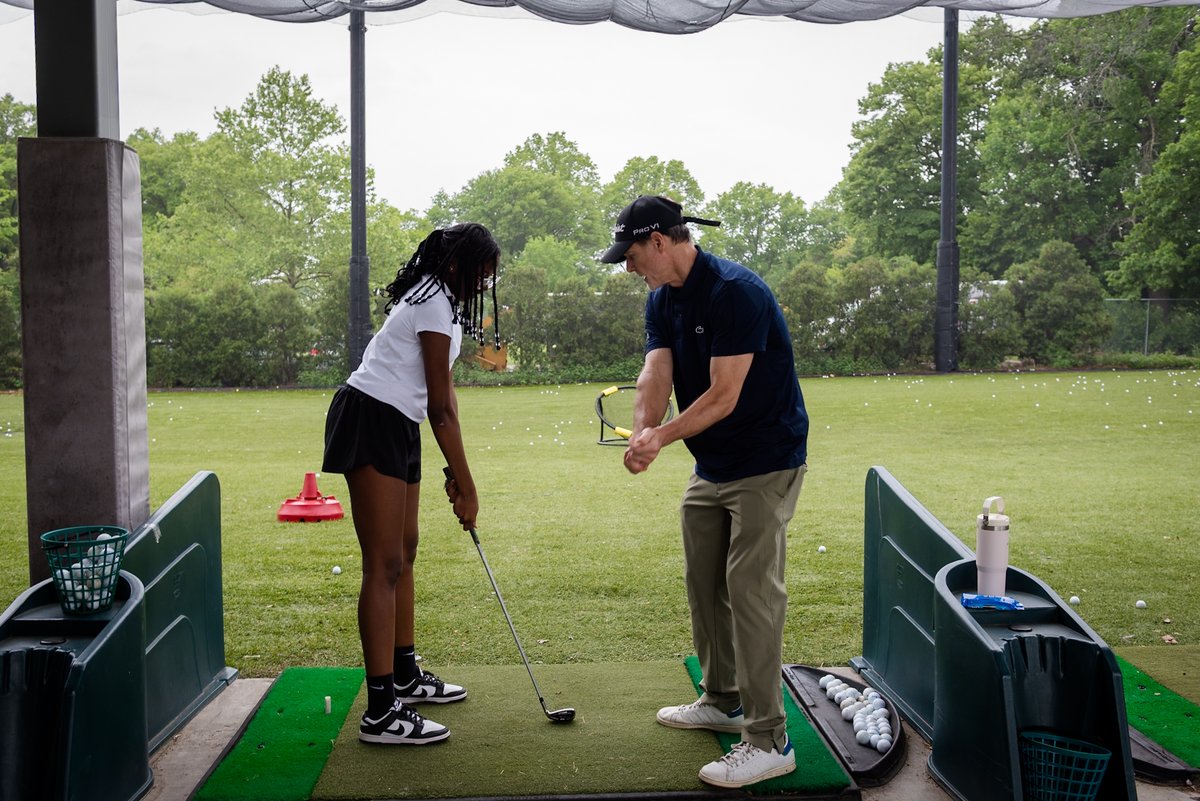
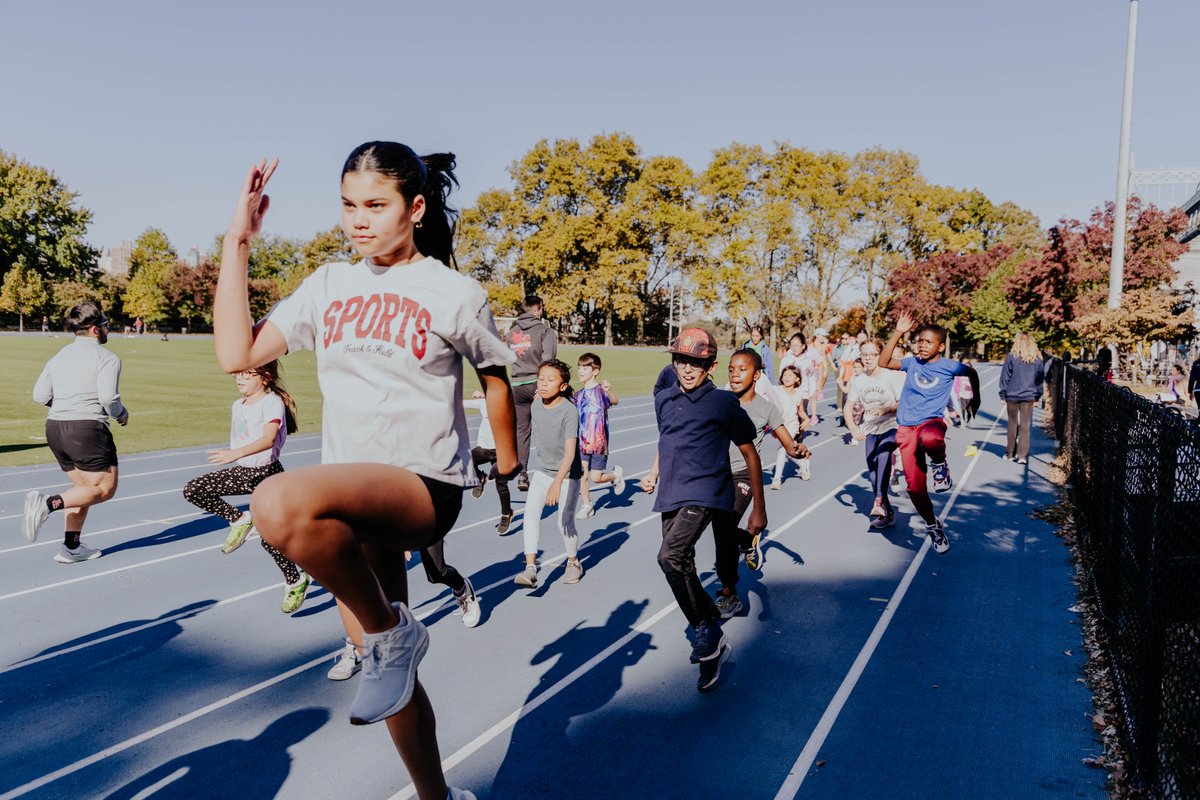
Registration is live for our summer sports programs! Sign up today for FREE youth golf, track & field, tennis, soccer, and Girls Forward programming in all five boroughs. Looking for a summer job in sports? We’re #hiring instructors! Visit https://t.co/ojWbdpzgJh for more info!
Registration is open for our upcoming @lacoste Junior Tennis Academy Tryouts on 5/16. Tryouts are open to competitive juniors ages 8-17 interested in participating in our 6-week summer training program held from July-August. Learn more and register at https://t.co/d8GCQzjppW 🎾
The Rain Vortex at Jewel Changi Airport is officially the tallest indoor waterfall in the world, plunging 40 meters (130 ft) into a lush indoor forest. Visitors are mesmerized as the water plunges straight down through a futuristic glass-and-steel dome, surrounded by hanging gardens and spectacular light displays. It’s not just a waterfall — it’s a natural spectacle inside an airport, blending architecture, nature, and art in one jaw-dropping experience.
#JewelChangiAirport #RainVortex #IndoorWaterfall #Singapore #Architecture
Your EV battery can catch fire. Your grid-scale storage degrades with every cycle. Eugene Beh founded Quino Energy to fix both, with batteries that use water instead of flammable chemistry.
https://t.co/nEte7VlblG
#FlowBattery#EnergyStorage#CleanEnergy