Latest paper from @HibpK on using uEVs to study the K switch
Using human urinary extracellular vesicles to study physiological and pathophysiological states and regulation of the sodium chloride cotransporter https://t.co/jo67m4P5eb
#COP9 signalosome deletion promotes renal injury and distal convoluted tubule remodeling
Ryan J. Cornelius, Jonathan W. Nelson, Xiao-Tong Su, Chao-Ling Yang, and David H. Ellison
👀https://t.co/9X6dj4Oxt8
#AJPRenal#JAB1@OHSUNews@dhekidney@JWNdothelium@XiaotongSu
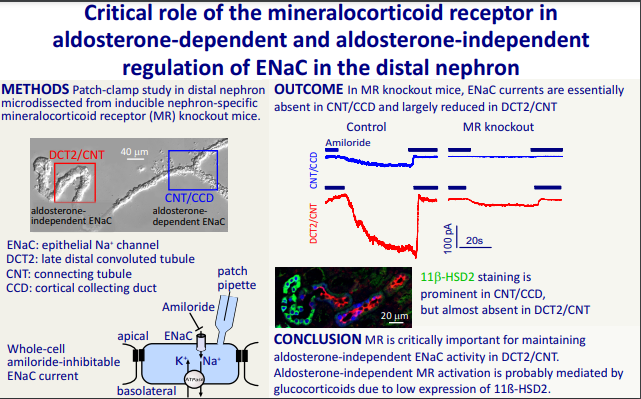
EDITORS PICK: Eplerenone caused natriuresis and potassium retention in mice lacking aldosterone, indicating that some kidney mineralocorticoid receptors are activated normally by glucocorticoid hormones rather than aldosterone @dhekidney@HibpK
https://t.co/9WeAsUmye3
Ryan Cornelius, Associate of LeDucq Potassium in Hypertension Network, in David Ellison’s Lab demonstrates that COP9 Signalosome controls the WNK4-NCC Pathway in the distal convoluted tubule, deletion mimics Familial Hyperkalemic Hypertension. FASEB J. 2022 PMID: 35552026.
https://t.co/LOqJ9BCE2M Nice study from Mathias Kristensen,
Robert Fenton in Søren Brandt Poulsen’s group
providing support for the idea that thiazide sensitive renal sodium absorption in primary hyperaldosteronism is driven by hypokalemia rather than aldosterone
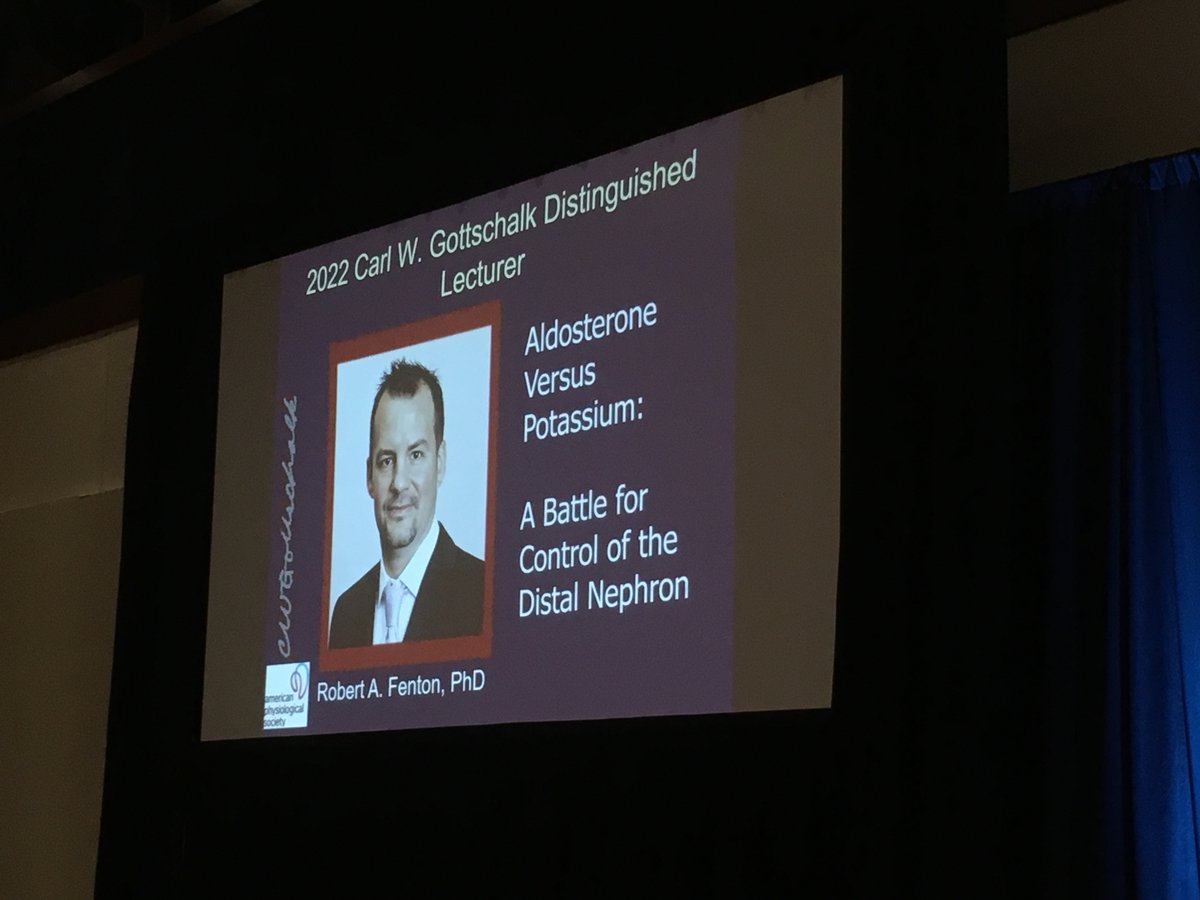
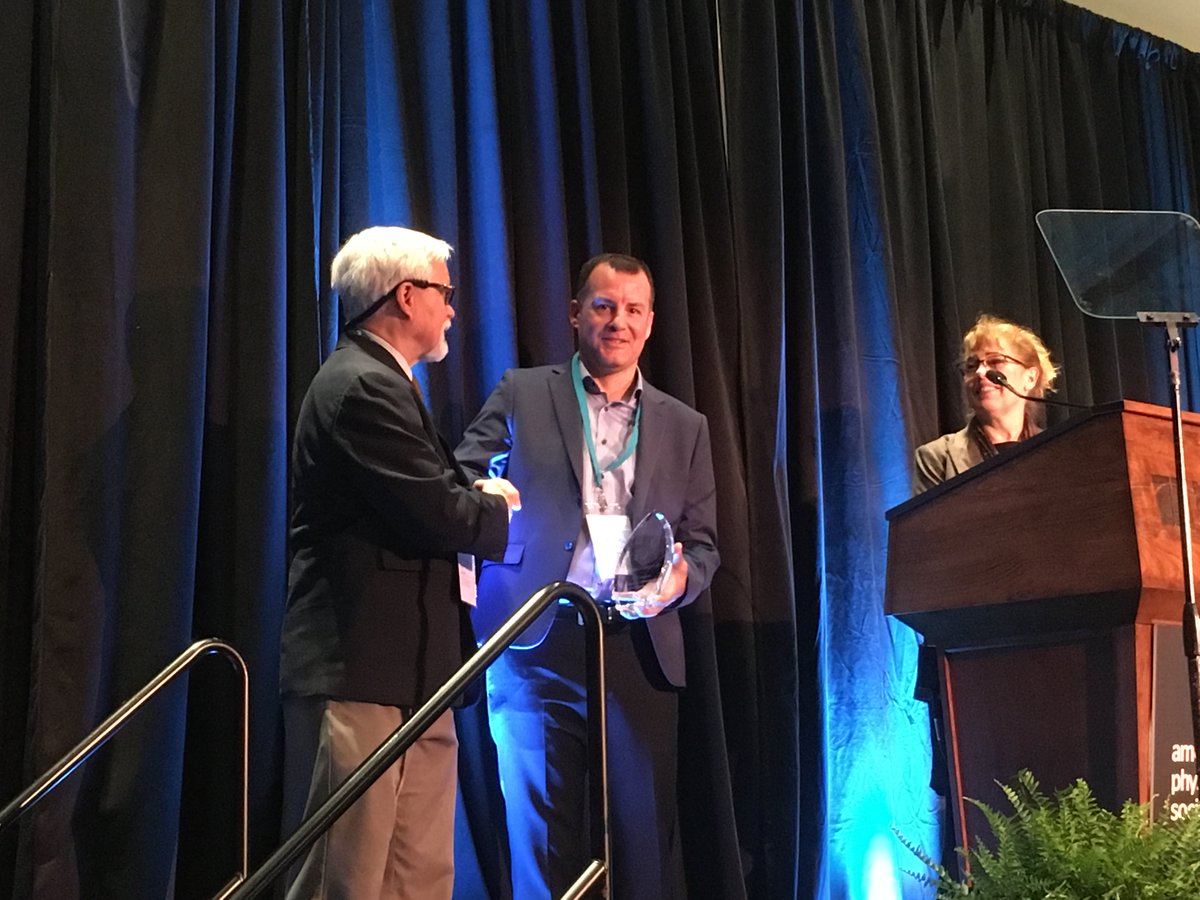
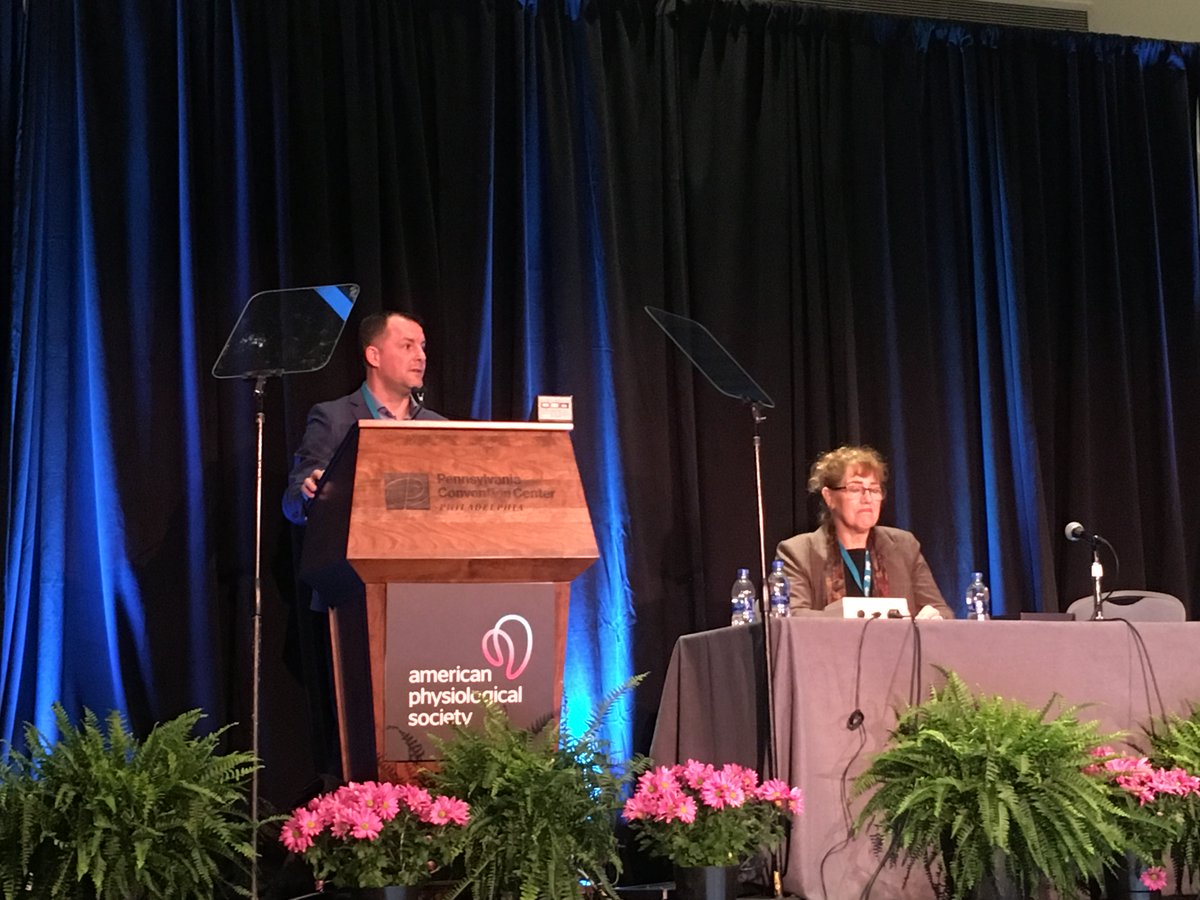
Congratulations to our own European Coordinator, Dr. Robert Fenton his award from the American Physiological Society, Renal Section @APSPhysiology
of the 2022, Carl W. Gottschalk Distinguished Lecturer.
Network members, @DHEkidney and @PAWellingMD, describe a new paradigm of salt physiology in “Insights into Salt Handling and Blood Pressure” | NEJM https://t.co/eajsVQgY79
@JASN_News The Leducq Potassium in Hypertension research network is proud to support this study lead by
@rofe6065
and executed by the team. Team science!
The aldosterone to renin ratio (ARR) in 871 Raine Study participants at age 17 and 758 at age 27 had sex-specific associations with BP. The ARR may help to assess hypertension in young people. @DrJunYang @marcus_schlaich @m_stowasser@moragjyoung https://t.co/VfvmNjkGqz
@__philipn__@jbrianbyrd Both DASH and the quoted meta analysis show that potassium is most helpful when sodium intake is high. Look at figure 8 in the paper I cited.
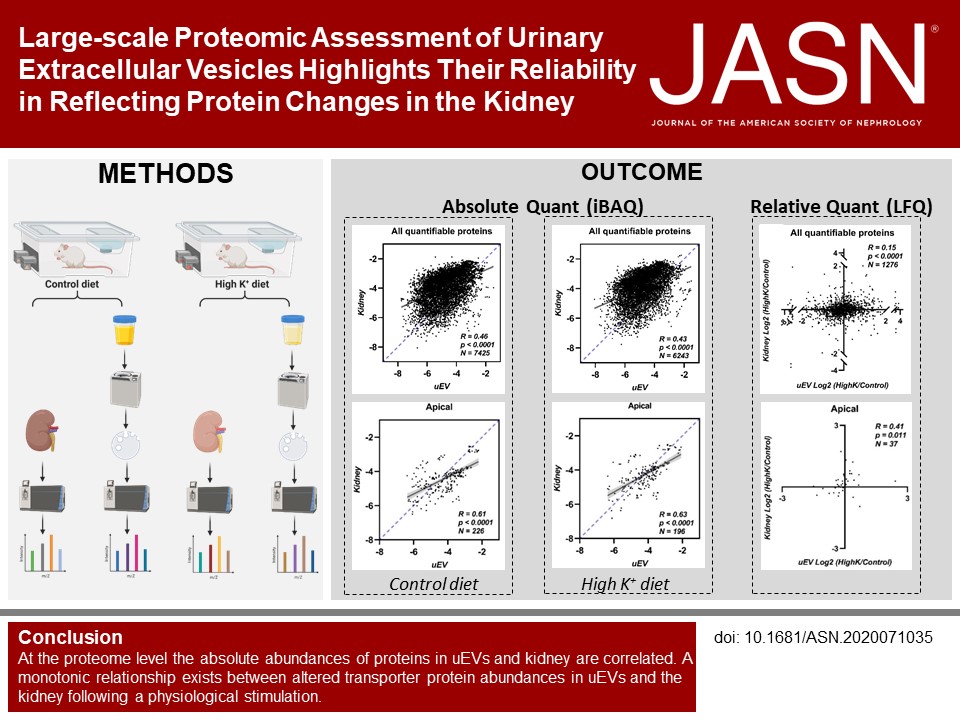
Urinary extracellular vesicles can be isolated from urine and are a stable source of proteins. This study found that proteomic analysis of uEVs in rats reliably reflects protein changes in the kidney https://t.co/jPyEpVTiDV
@PAWellingMD @RickGrimmPhD@SathishKMurali@dhekidney
Very happy to see this in press - it has been a long road.
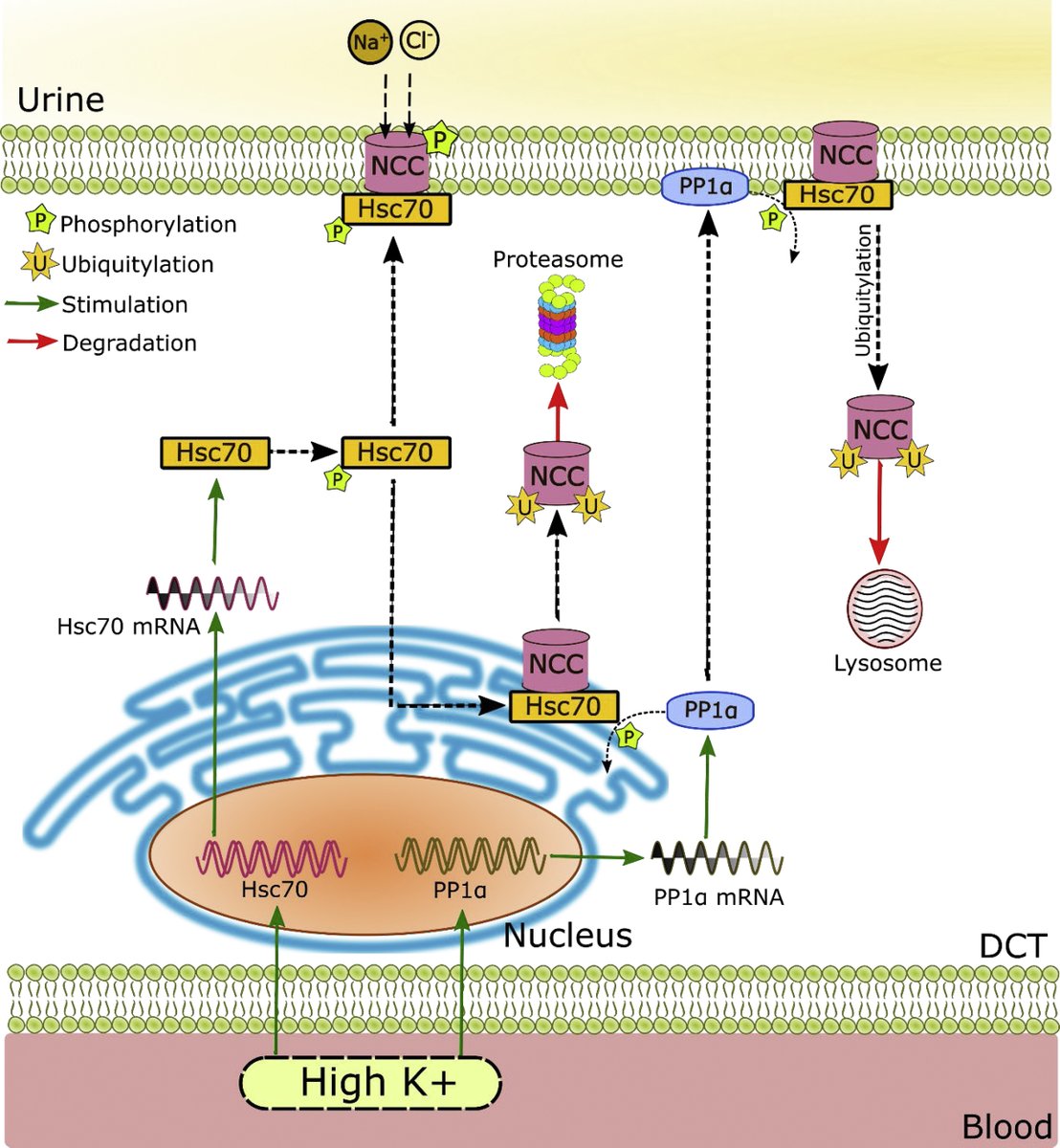
High dietary potassium causes ubiquitin-dependent degradation of the kidney sodium-chloride cotransporter https://t.co/IF9NsZnQo5
The LeDucq Network, Potassium in Hypertension, is happy to share a recent publication: Roles of WNK4 and SPAK in K+ mediated dephosphorylation of the sodium chloride cotransporter | American Journal of Physiology-Renal Physiology https://t.co/P0oiJjh7MW
NEW #AJPRENAL COVER! The figure is from "Distal convoluted tubule sexual dimorphism revealed by advanced 3D imaging"
By: Ebrahim Tahaei, Richard Coleman, Turgay Saritas, David H. Ellison & Paul A. Welling
Read the research here: https://t.co/ciy2lKNcCu
@PAWellingMD #FreeArticle