„In acht Stunden fielen 491 Liter Regen. 343 davon allein in vier Stunden! Zum Vergleich: 794 Liter Regen fallen in Köln im Jahr. Das hat mit dem Klimawandel zu tun. Ein Grad wärmer ist gleich 7 Prozent mehr Wasserdampf in der Atmosphäre.“
Sven Plöger
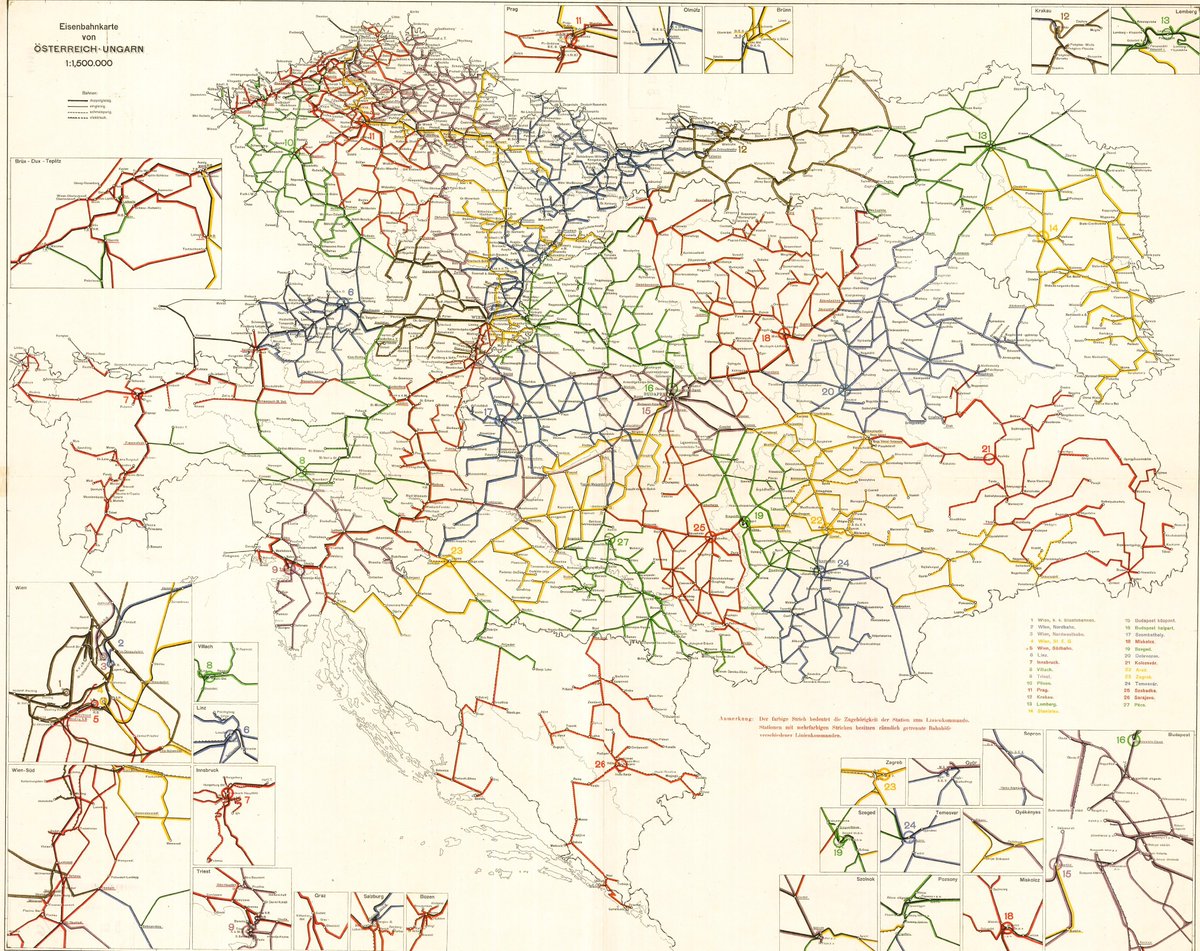
Nicht nur die Donauinsel hat Wien gerettet, sondern auch das hervorragend ausgebaute 2.500-Kilometer-Kanalnetz (Länge: Wien-Paris h & r). Das wurde zum Gutteil im Zuge der Stadterweiterung um 1900 angelegt. Infrastrukturinvestitionen rentieren sich über Jahrhunderte.
Service für unsere Leserinnen und Leser anlässlich der Hochwasser-Situation: Kostenloser Download der Druckausgabe. @derStandardat https://t.co/4HGUJi72on
Was Wien gerade auch zugute kommt, ist der Umstand, dass Wien vor dem 1. Weltkrieg eine stark wachsende Stadt (1910: ~ 2,1 Mio. Einwohner) war und man von einer weiteren Zunahme auf bis zu 4 Mio. Einwohner ausging und die Kanalisation dementsprechend mit Reserven dimensionierte.
Je mehr ich über `science of learning` lese, umso mehr bin ich erstaunt wie ineffizient und kontraproduktiv unser Bildungssystem und teils auch Unterricht aufgebaut sind. Dieses Buch müssen alle Lehrer:innen und Bildungsinteressierte lesen.
Meine 9 learnings aus 9 Kapitel:
Genauer: Im Vergleich zu „Heute“ genießt der in dieser Wertung führende „Standard“ exakt zwei Mal mehr Vertrauen und stößt auf nur halb so viel Misstrauen.
https://t.co/78HGMgZNCe
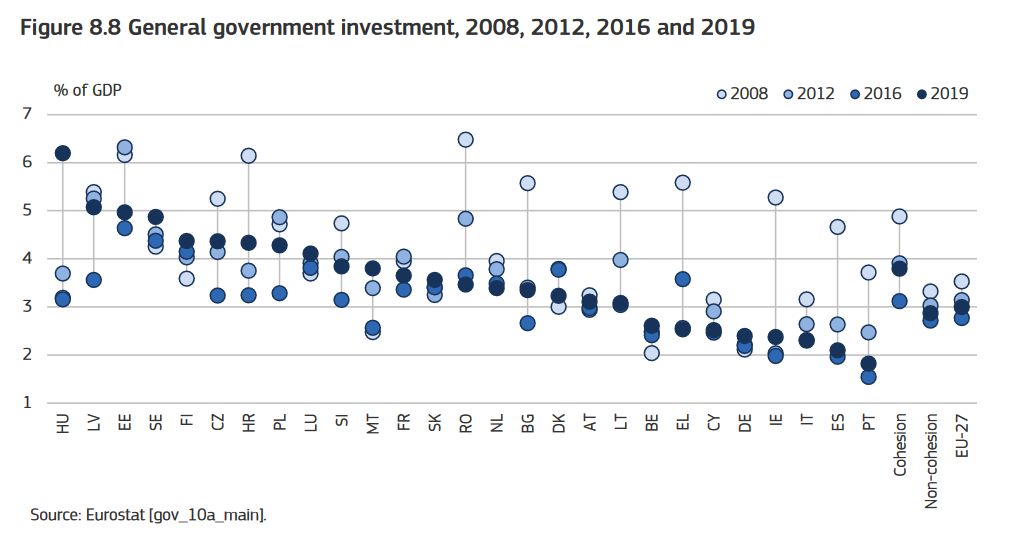
In the past 20 or so years, Austria 🇦🇹 has consistently spent around 3% of GDP on public investment, Germany 🇩🇪 around 2%.
Austria’s debt ratio is 80%, Germany's is 64%.
Austria has new rails, roads, houses, schools and bridges. Germany, well.
Who made the better bet?
In weeks like these - Draghi report, EU fines on big tech, crisis of EU automotive industry - it comes to haunt the EU and its member states that they host no news organisation with the global reach and stature of an FT, Reuters, Bloomberg or Wall Street Journal.
The task of creating and telling the story of the EU’s economic and political present and future to global markets and elites has been left to news organisations from outside the EU.
Imagine the overarching narrative of the US being told primarily by newsrooms from Mexico and Canada. Absurd? Yes. Just as absurd as the absence of a continental equivalent to the FT, which I greatly respect.
The answer to this strategic vulnerability of the EU aren‘t new English language-publications from inside the EU, but new types of English-language alliances between the EU member states’ most respected journalistic brands - with budgets and global ambition.
And no, this is not about ‚news content‘, but about the analytical, interpretative, upper spectrum of journalism.
This is also not about instrumentalising or directing journalism in the service of governments. It is about providing support to an industry that should play a vital role in ensuring accountability, societal cohesion and democratic discourse with a global versus only a national member state audience and from a continental perspective, while respecting its editorial independence.
The EU is caught in a battle of narratives for which it isn’t equipped. The EU won‘t win this contest by exporting (often brilliant) regulation. It can only win by also nurturing independent journalistic ecosystems for the creation, discussion and global, multi-platform distribution of compelling analyses that express the diverse views, sensibilities and life experiences of journalists living in the EU.
Despite the commonly-held belief in many brilliant newsrooms by which there was such a thing as a ‚global news agenda‘, journalism and the editing of a news organisation‘s output have never been region-agnostic.
Wie wäre es, wenn man Kindern endlich beibringen würde, daß alle "Religionsbücher" Märchenbücher sind. Tausende Jahre alt, völlig wirr und niemand muß danach leben. Absolut niemand. #zib2
Ultrareiche verweigern weltweit das Zahlen von Steuern und gewinnen immer noch mehr ökonomische & politische Macht. Der französische Ökonom @gabriel_zucman kämpft für eine vernünftige Besteuerung der 3000 Milliardär:innen der Welt, davon etwa 50 in 🇦🇹.
https://t.co/pXO0QNQ8VA