#CfP Hello, if anyone is still here on X! I’m thrilled to be organising a conference with @lucyjanehavard on Plants and People. Please send abstracts and bios to us by Friday 14 March!
La urbanización es una de las principales causas de la pérdida de biodiversidad. Paradójicamente, la expansión de las ciudades ha convertido los entornos urbanos en espacios con un mayor número de especies vegetales en comparación con sus alrededores. 🌴 Para adentrarse en este fenómeno desde la experiencia bogotana recomendamos el reciente libro de Diego Molina. A la venta en: https://t.co/bdLuqB2bOo.
It is with pleasure that we draw your attention to a new recording of Dr Brent Elliott's paper 'Gardens in the Nineteenth-Century Historical Novel', which was delivered to the Seminar earlier this term and is available below: @ihr_history
https://t.co/084yzO76mH
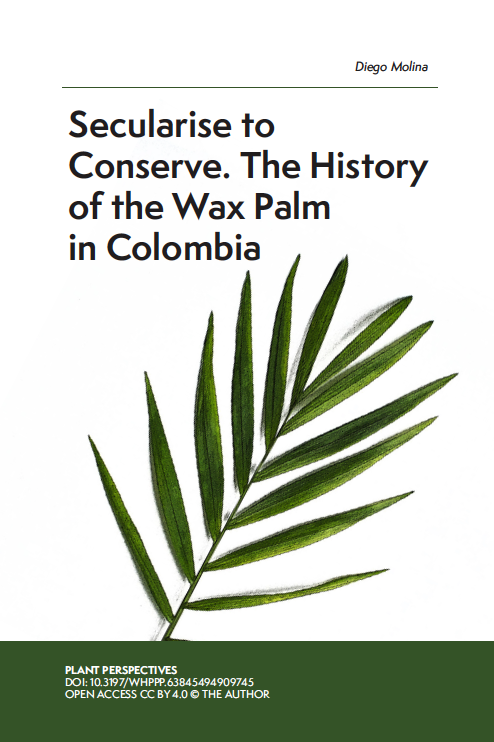
We've published a new article in 'Plant Perspectives', being Diego Molina on 'Secularise to Conserve: The History of the Wax Palm in Colombia'; online here: https://t.co/6JfQo8bv9s @plantpjournal #envhist#colombia
Diego Molina, a British Academy Postdoctoral Fellow (Royal Holloway, University of London), recently delivered a paper to the seminar. We are pleased to announce that Diego's full research is now available @routledgebooks
https://t.co/3AT2xEjKCe
Great to see #ethnobotany research featured on the cover of @ScienceMagazine!
"Plants sustain human life. Understanding geographic patterns of the diversity of species used by people is thus essential for the sustainable management of plant resources."
https://t.co/WBz0MMXn2p
During World War I, both sides of the conflict used fake trees as observation posts. These trees were made from a variety of materials, including wood, metal, and canvas.
One of the most famous examples of a fake tree used in WW1 was the British Observation Tree in Delville Wood, France. This tree was made from a hollow steel cylinder and was camouflaged with bark and leaves. It was equipped with a periscope and a telephone line, and it was used to observe German movements in the lead-up to the Battle of the Somme in 1916.
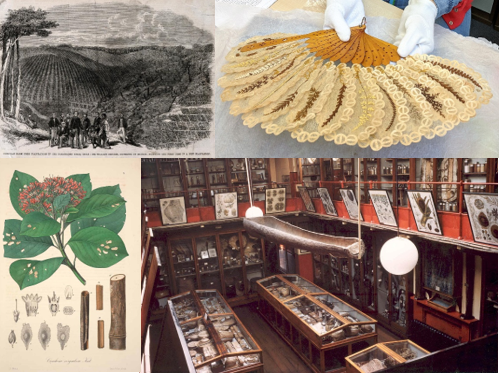
2023 Kent/Kew Distinguished Ethnobotanist Lecture, Dr Sarah Edwards on "Ethnobotany: The Sacred & The Science", also launching her new book. At
@kewgardens Tues 14 Nov, 17.00. Attend online: https://t.co/ktuBD4L8Vy or attend in-person: https://t.co/02WSez5HOE
There is a crazy plan to move the Kew Herbarium to an industrial park somewhere, seriously damaging the global centre & major reference collection for all plants. Keep the Kew Herbarium at Kew - Sign the Petition! https://t.co/LTb8HXVH09 via @UKChange See my relevant review 1/2
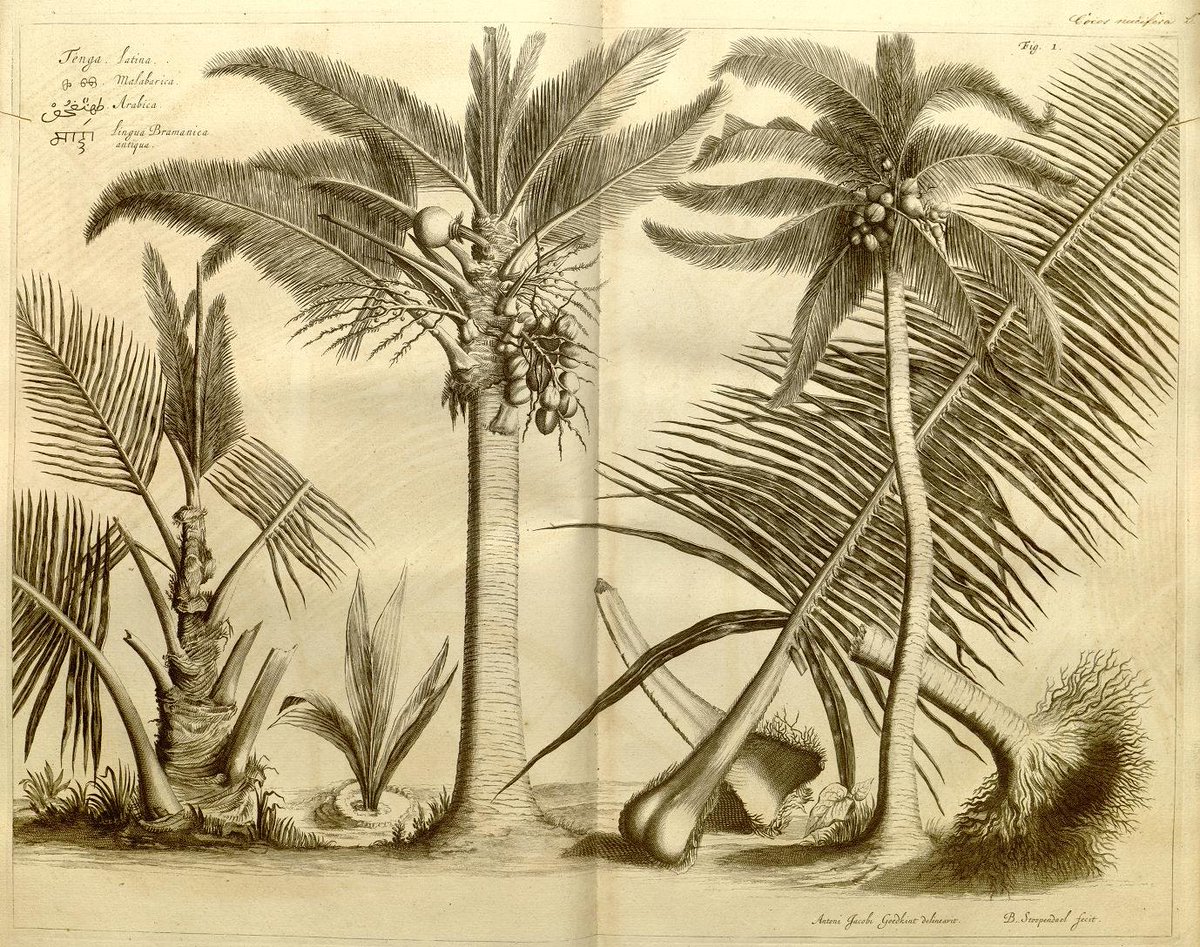
In this short article, historian Minakshi Menon presents her group project @MPIWG, entitled "Hortus Indicus Malabaricus: The Eurasian Life of a Seventeenth-Century 'European' Botanical Classic." Congrats for her fascinating project!
#manipulatinglfora
https://t.co/7VvHWmEmck
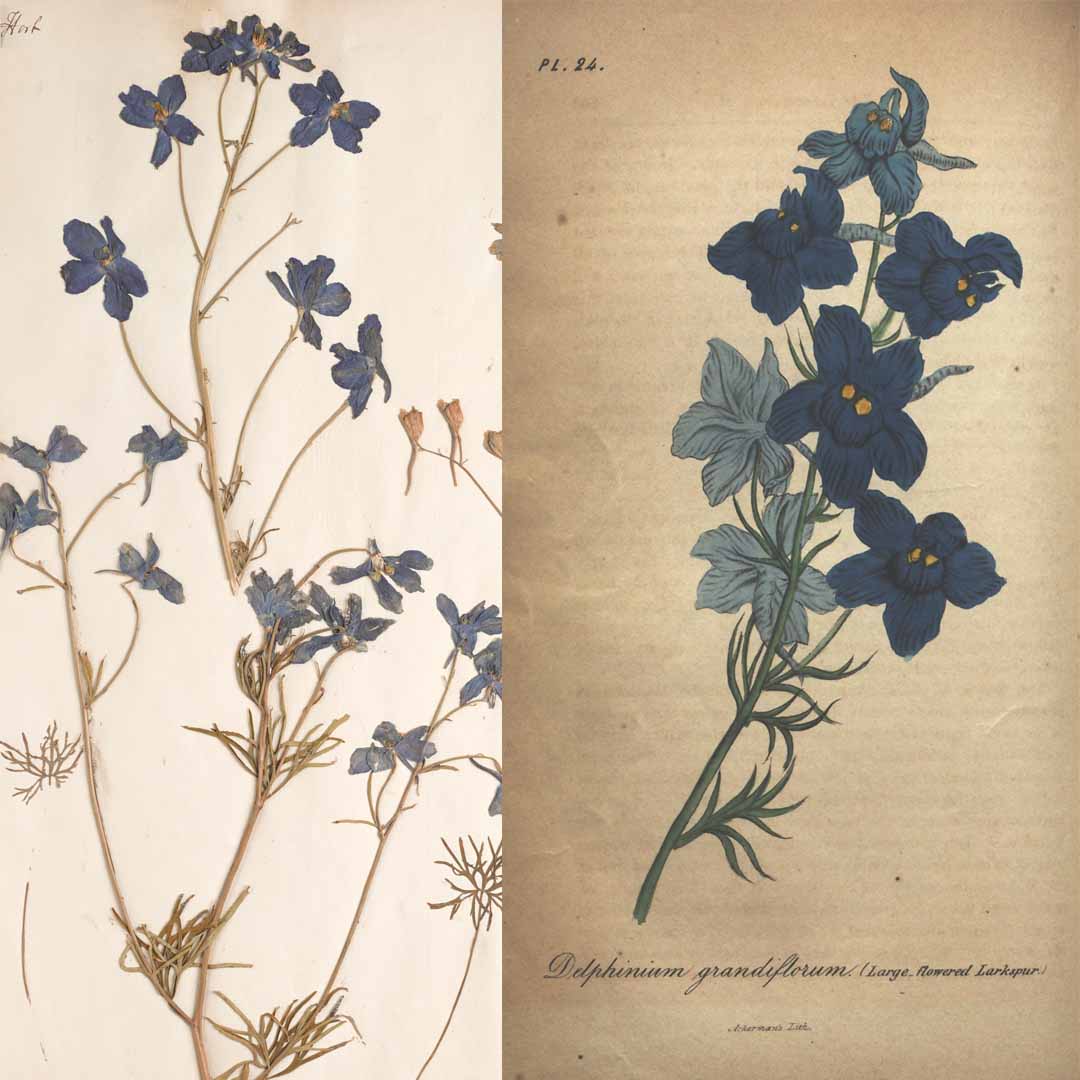
Delphinium grandiflorum is considered to have the most intense #blue colour in the #Delphinium genus. Its common name is Siberian #larkspur. The name "larkspur" comes from the Tudor era, because they thought the flower resembles a lark's claw.
'KEW GARDENS-BOTANY & THE BRITISH EMPIRE' 18/7 @bbcworldservice@rosiekinchen in conversation with Alex Antonelli & @CarolineCornis1 @KewScience, Diego Molina @RHULGeography & Shilo Maples of Native American Food Sovereignty Alliance. More: https://t.co/bk7MkBwUro
On the nineteenth-century genesis of the urban flora in #Bogota and #Medellín. The essay explores how these two Colombian cities turned into floristic islands different from their nearby environments.
Ingenta: https://t.co/C9AhjVg5no
#envhum#envhist#environment
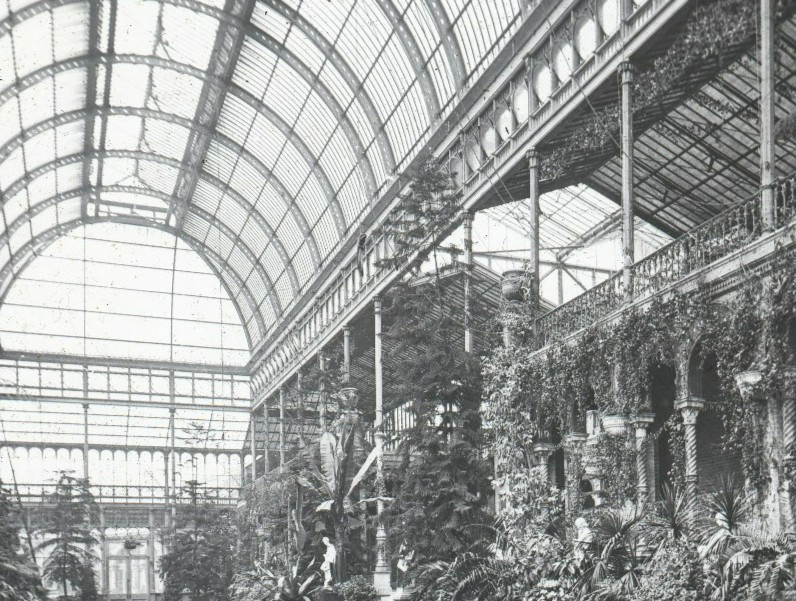
Did you know that the RHS once had a garden in Kensington complete with an elaborate glasshouse?
Find out all about our lost Victorian garden on 18 July with the help of Archivist Helen and an unusual stereoscopic photograph from our collection
https://t.co/1b2rdu9U1b
On 11 Oct 2022 (17.00) I'll talk on "Awakening the past: Ethnobotany, collections and history" @KewScience
Please join me if you can
In person at Kew https://t.co/re2CPN7tBG
Online https://t.co/aJN9yOs683
From Abatina (fickleness) to Zinnia (thoughts of absent friends), and from Absence (wormwood) to Zest (Lemon), the marvellous Language of Flowers: An Alphabet of Floral Emblems (1857) pairs up hundreds of flowers with hundreds of emotions: https://t.co/qn5yx1wwqS
Latin American Plant Humanities Workshop
8 June 2022, 2-5pm, ONLINE
An introduction to this exciting area of research and to available collections - convened by CLACS Fellow @elizabeth_chant
https://t.co/Q2Swmm2dsu #envhum#WorldEnvironmentDay 2/x
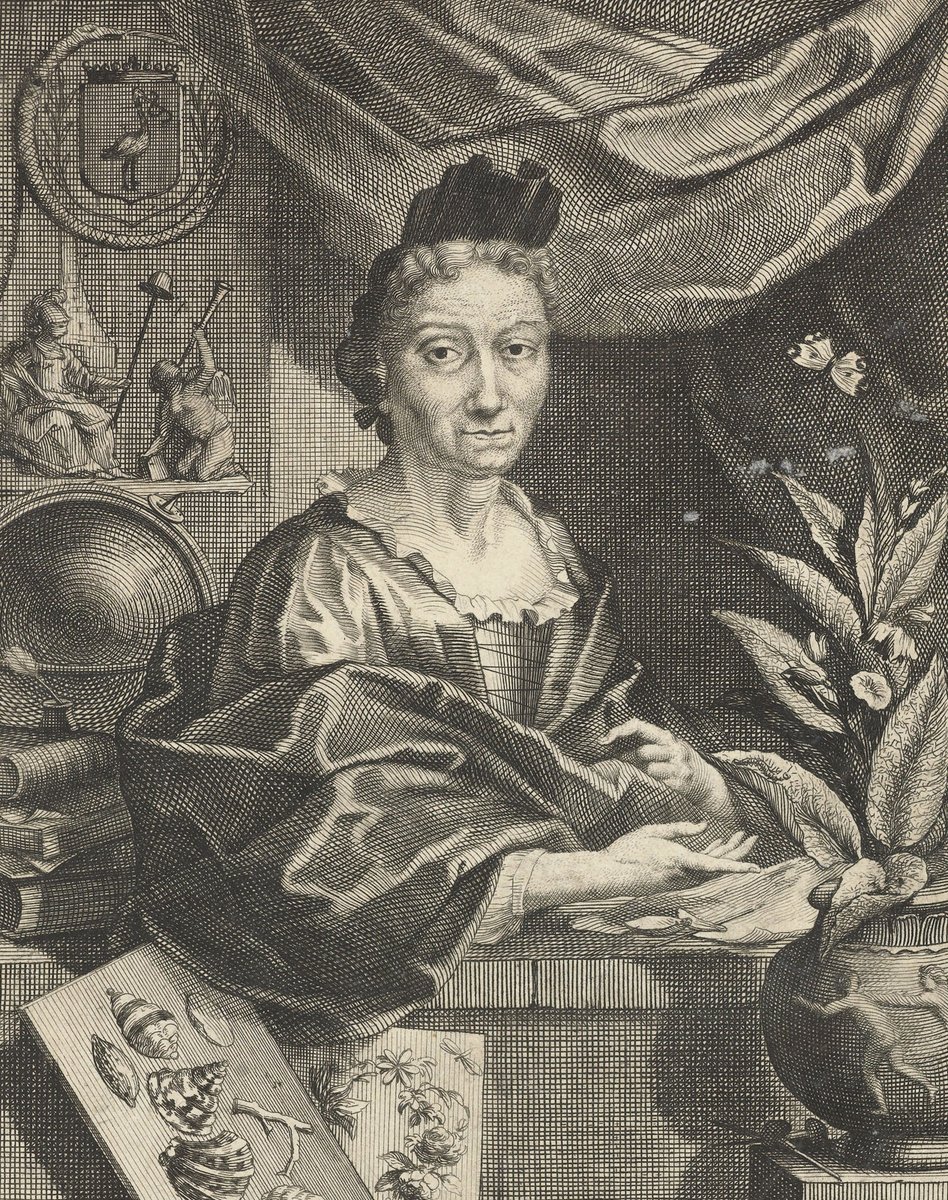
Born today in 1647, botanical artist Maria Sibylla Merian took an early interest in #entomology. She retained indigenous names for the not-yet-described species she found in Suriname and performed controlled laboratory experiments to investigate caterpillars' plant preferences.