🐍 Přesně na den před 81 lety přišlo Československo o svou regulérní součást, o Podkarpatskou Rus.
🐍 Její anexe Stalinovým Ruskem (tehdy název SSSR) znamenala, že se cca tři čtvrtě miliónu občanů Československa ze dne na den ocitlo v cizím totalitním státě, který na ně ihned začal uplatňovat vlastní represivní postupy a perzekuovat je, pronásledovat, věznit a často i zabíjet.
🐍 I tohle byla součást takzvaného „osvobození" ČSR Stalinovou Rudou armádou. Poté co Rudá armáda na podzim 1944 tuto naši oblast „osvobodila", ji již ze svých rukou nepustila.
🐍Ukradení si zákulisně vymohli Rusové u naší exilové vlády v Moskvě, která ale nezastupovala celou reprezentaci a byla výhradně prorusky orientována.
🐍 Už při vstupu Rudé armády na toto naše území koncem roku 1944. začali ruští komunisté okamžitě působit ve prospěch připojení k SSSR – diktovali si složení národních výborů a obsazovala je prosovětskými komunisty, obyvatelstvo bylo zastrašováno, vydíráno a nuceno požadovat připojení k SSSR (ačkoli byli lidé z 85 % pro Československo), představitelé československé moci byli vyhnáni silou už v lednu 1945.
🏇 Tohle je další z historických lekcí. Už se konečně poučme. Rusko je náš nepřítel a posledních sto let se tak prostě chová.
Nejdřív vás klamali, že se nic neděje.
Pak že za oteplení nemůžou fosilní paliva.
Pak že nám prospěje.
Dnes, že to je běžné letní teplíčko.
A teď klamou, že s tím nemůžeme nic dělat.
Nic z toho není pravda.
Je to klimatická krize. A největší problém je, že to je teprve začátek.
Three living legends. Three different careers. One incredible milestone 🙌
Born on June 28, 1926, Mel Brooks became one of comedy’s most influential voices, from writing for Your Show of Shows to creating The Producers, Blazing Saddles, Young Frankenstein, and Spaceballs. His fearless satire, sharp timing, and lifelong mission to make people laugh helped define modern comedy.
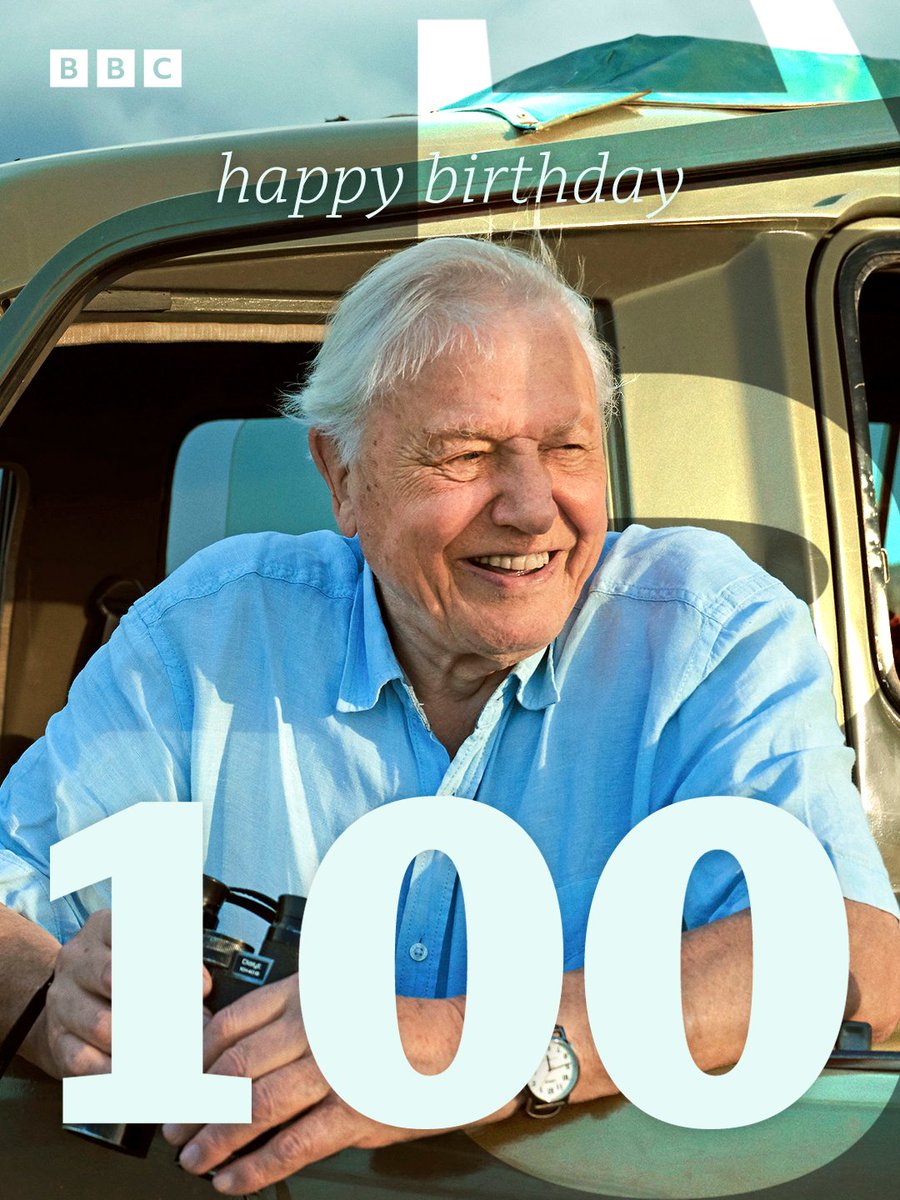
He now stands alongside two other icons who have also reached 100: Dick Van Dyke, whose charm, physical comedy, singing, and dancing made The Dick Van Dyke Show, Mary Poppins, and Chitty Chitty Bang Bang timeless; and Sir David Attenborough, whose nature documentaries brought the beauty and urgency of the natural world to millions across the globe.
Reaching 100 is already extraordinary. Reaching 100 after giving the world this much laughter, wonder, and inspiration is something truly special.
Happy 100th birthday, Mel Brooks, and endless respect to Dick Van Dyke, Sir David Attenborough, and all the legends whose work will continue to live on for generations 👏
☀️🌍 Aujourd’hui, 21 juin, c’est le solstice de juin. L’hémisphère Nord atteint son inclinaison maximale vers le Soleil, ce qui en fait le jour le plus long de l’année. Dans l’hémisphère sud, c’est l’inverse, avec le jour le plus court de l’année.
Mapa pražských tramvajových linek z 1. dubna 1926 připomíná, jak málo se Praha ve skutečnosti mění.
I po sto letech by člověk mohl nasednout na devítku na Žižkově, projet přes Václavské náměstí, Národní divadlo, Újezd a dojet do Košíř.
What an amazing way to visualize early human migration. Lovely map by @HarvardCGA. A great colour scheme and an appropriate map projection! Source: https://t.co/aD8kct1ucD
Točí se porno, pivo se čepuje.
Určitě tuhle fousatou frázi znáte.
Proč se ale říká že se pivo točí?
Pojem točit pivo vznikl na přelomu 19. a 20. století v hospodách v souvislosti s tehdejšími technickými inovacemi výčepních zařízení.
Pivo se tehdy dodávalo v dřevěných sudech a k jeho čepování bylo potřeba nejprve vytvořit tlak a protože ještě neexistovala elektřina, výčepní musel natlakovat mechanismus kompresoru ručním otáčením velkého kovového kola.
Od tohoto „točení“ kolem se vžil název „točit pivo“.
2/ The tails die first.
The researchers plotted what each generation of AI remembers about the original data.
Generation 1: the full distribution. Every rare idea. Every unusual perspective.
Generation 5: the edges are gone. Only the middle remains.
Generation 9: a single narrow spike. One voice. One style. One version of reality.
The weird, creative, unexpected parts of human writing are the first things Model Collapse erases.
Solární energie je nejrychleji rostoucím zdrojem energie v lidské historii.
Její růst je tak bezprecedentní, že to rok za rokem šokuje energetické experty.
A také trhá jejich predikce.
Předpověď IEA z roku 2015 byla překonána 19x.
World Energy Outlook od IEA vs skutečnost:
Rok 2026 si budu pamatovat jako rok, jdy jsem na twitteru musel obhajovat tezi, ze v CR existuje vitr :))
Nekdy je fakt potreba hluboky nadech. Na druhou stranu sledovat tenhle brainwashing v akci je docela fascinujici.
Physics-based weather models still beat AI when it matters most. Not on average. On the most extreme days.
This is the opposite of what we've been hearing...
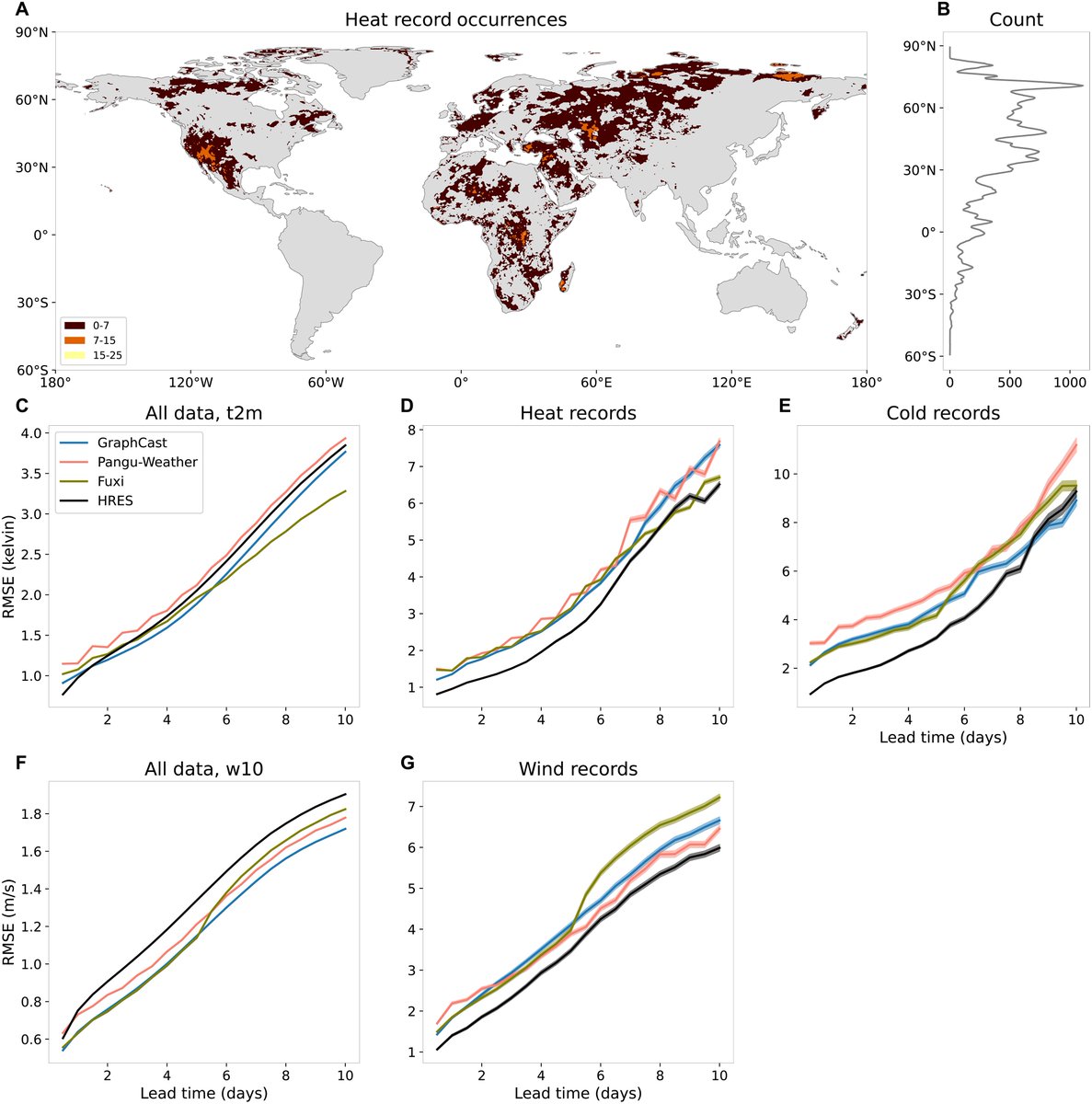
A new paper in Science Advances ran every major AI weather model: GraphCast, Pangu-Weather, Fuxi, against ECMWF's HRES across 162,751 record-breaking heat events, 32,991 cold records, and 53,345 wind records in 2020.
On average conditions, the AI models win. GraphCast, Fuxi, and the rest outperform HRES on standard temperature and wind benchmarks across most lead times. This matches what every prior benchmark study has shown. AI weather forecasting is genuinely impressive.
Then the researchers asked a different question. What happens when the event is unprecedented? Not extreme. Not the 95th percentile. Actually beyond anything in the training data.
HRES won every single category. Heat records. Cold records. Wind records. Nearly every lead time. The performance gap was largest at short lead times, where AI models should have the most information and the least uncertainty.
The bias pattern is pretty massive. The AI models systematically underestimated how extreme the events were. The bigger the record exceedance, the larger the underprediction. The researchers describe it as an implicit 'soft cap': the models behave as if they can't forecast values much beyond the most extreme thing in their training data. The bias grows almost linearly with how far the event exceeded the record. HRES showed no such pattern.
This isn't a fluke. The same result held in 2018 and 2020, which had opposite ENSO conditions. It held across the tropics, subtropics, mid-latitudes, and high latitudes. It held for all three variables. It held when the researchers ran an alternative evaluation specifically designed to avoid the forecaster's dilemma.
The mechanism is pretty straightforward. AI weather models are trained on ERA5 reanalysis data from 1979 to 2017. They learn to interpolate between historical weather patterns. When a new initial condition arrives, they find the nearest analogues in training and produce something in between. Record-breaking events, by definition, have no close analogues. The model has never seen anything quite like this, so it regresses toward the most extreme things it has.
Physics-based models like HRES don't work this way. They solve partial differential equations describing atmospheric dynamics. They don't need a historical analogue for a 48°C heatwave in Siberia. The physics doesn't care whether it's happened before.
The authors are careful about what this means. AI models remain faster, cheaper, and competitive on average conditions. Probabilistic AI forecasting is developing rapidly. Data augmentation with simulated extreme events and hybrid physics-AI architectures are plausible paths forward. This isn't a verdict on AI weather forecasting broadly.
But the policy implication is quite important. The events where AI models fail hardest are exactly the events where accurate forecasting matters most. Record-shattering heat. Unprecedented wind storms. The scenarios that overwhelm emergency response, strain infrastructure, and kill people because no one expected them to be that bad.
The authors wrote it plainly: it remains vital to fund and run physics-based NWP and AI weather models in parallel. I find it an unusually direct recommendation in a methods paper.
Climate change means record-breaking events are becoming more frequent, not less. The training distribution is shifting. AI models trained on 1979 to 2017 data will see more and more out-of-distribution events as the climate diverges from that baseline. The extrapolation problem the researchers identified isn't going away. It's getting harder.
The models that can't forecast records are being asked to forecast a world that's setting them constantly.
Link to full paper: https://t.co/KYvUreAhgt
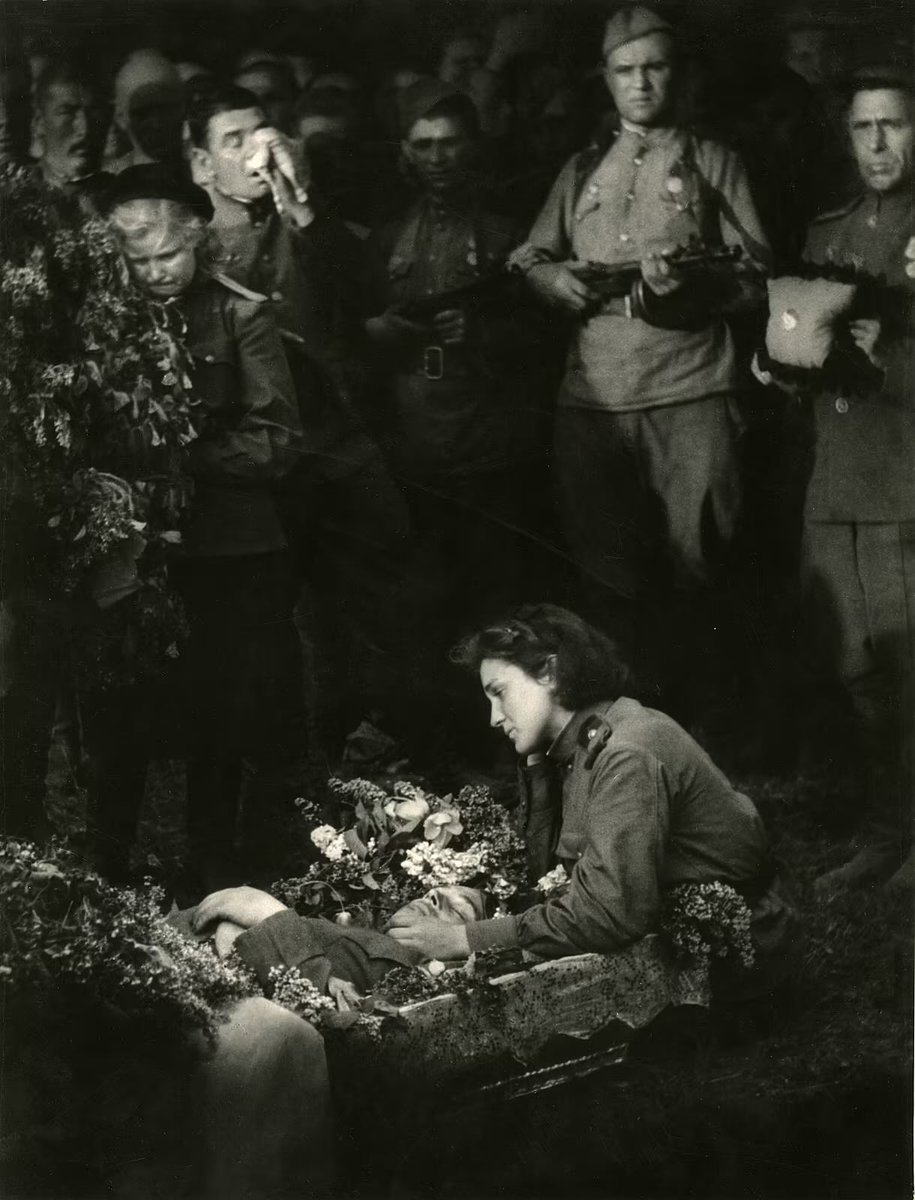
Nejslavnější foto Pražského povstání 📷 - Padl v posledních vteřinách 🕯️
Ikonický snímek známého fotografa Tibora Hontyho z pohřbu sovětského důstojníka na dnešním Palachově náměstí.
Důstojník Rudé armády měl být dle pozdější komunistické propagandy zastřelen německým odstřelovačem v posledních minutách války.
Realita však byla jiná….
Šlo o pohřeb plk. G.I.Sacharova z 208. Dvinské brigády samochodných děl, který se stal obětí náletu vlastního sovětského letectva který proběhl 8. května 1945 v moravských Hrotovicích.
Sovětští letci si spletli vojáky Rudé armády a s nimi slavící české civilisty s rojením německých ozbrojených sil.
Při bombardování zahynulo 115 hrotovických občanů a 37 vojáků Rudé armády…
Ostatky plukovníka Sacharova jeho vojáci přivezli až do Prahy a 10. května pohřbili před budovou
Filozofické fakulty UK.
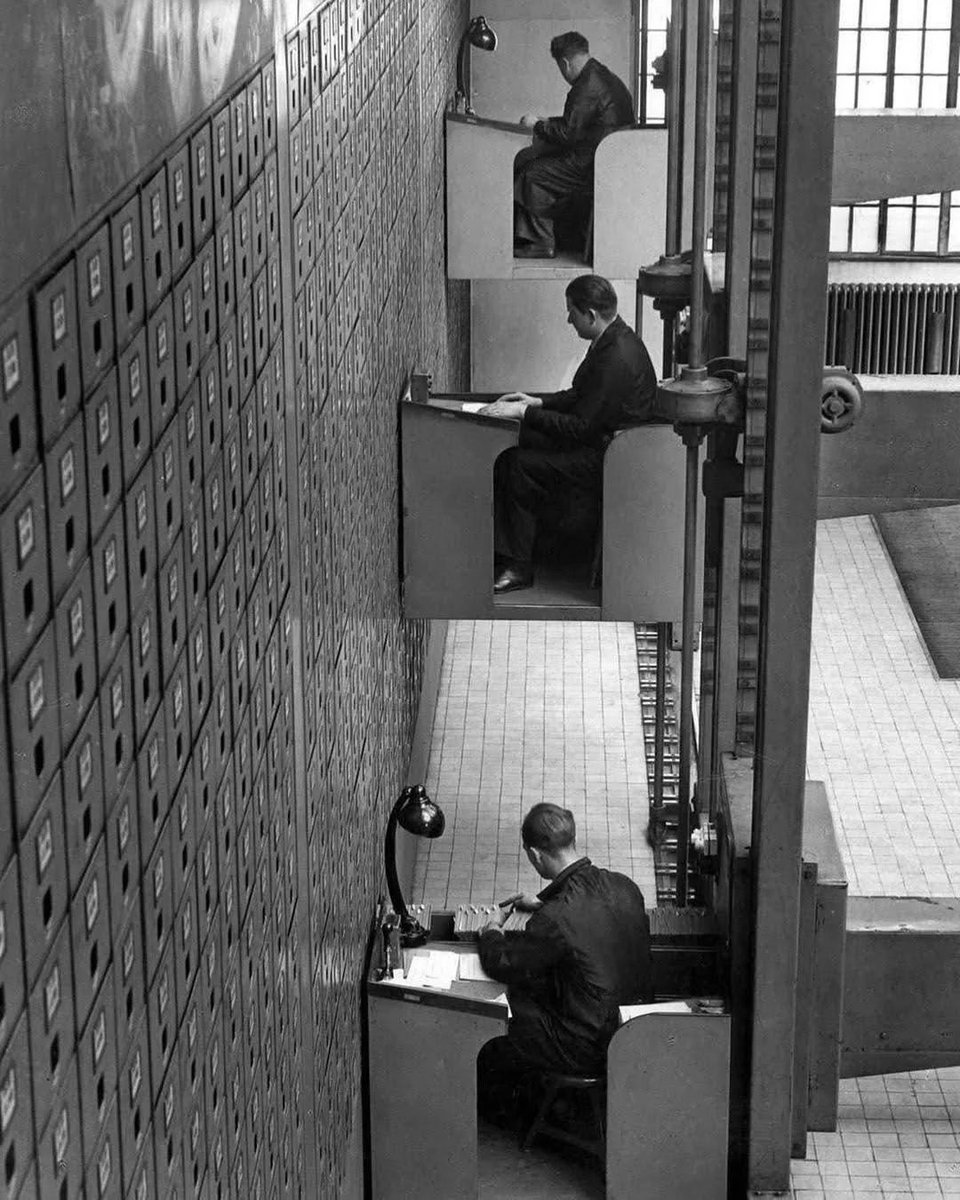
Shifting Baseline Syndrom. Eins der großen Probleme in der Wahrnehmung des Artensterbens. Kurz gesagt: Das was wir als Heranwachsender kennen, wird als der Normalzustand empfunden. Damit verschiebt sich aber die Baseline von Generation zu Generation, und viel Information geht verloren… der tatsächliche Verlust an Vielfalt ist viel dramatischer als wir ihn wahrnehmen.
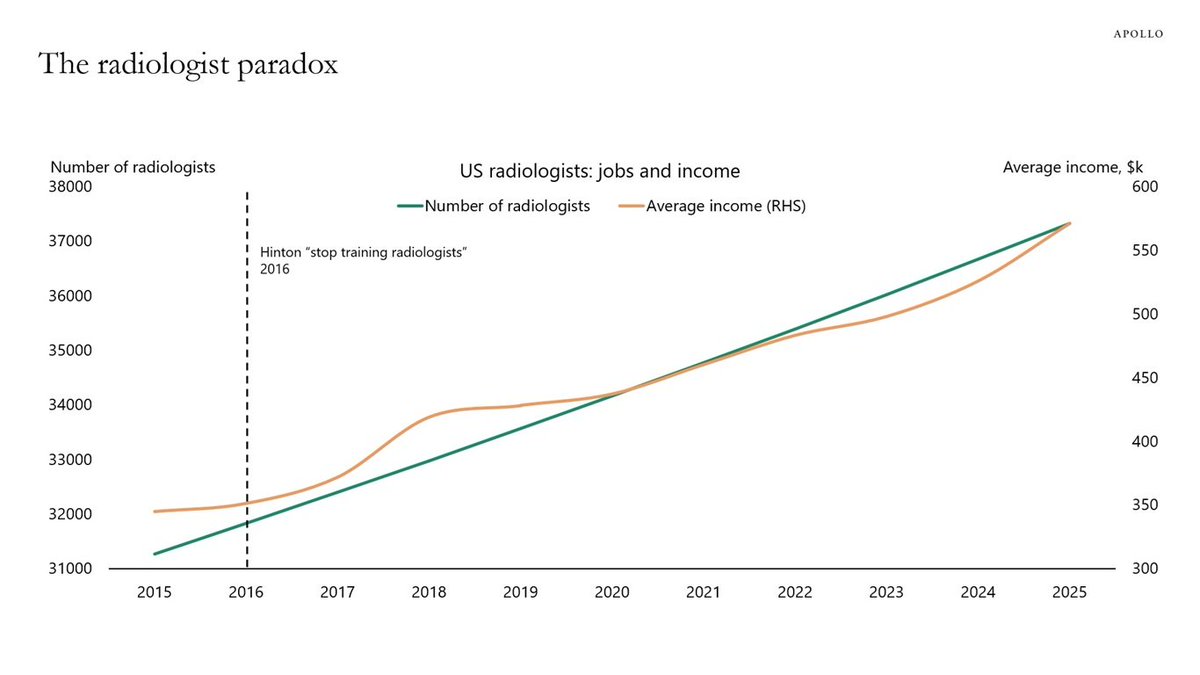
"A decade ago, AI was supposed to replace radiologists. Today, radiologists make more than $500,000 per year, and their employment continues to grow, see chart below. Reading scans is a task, not a job, and when the task gets cheaper, demand for the job grows."
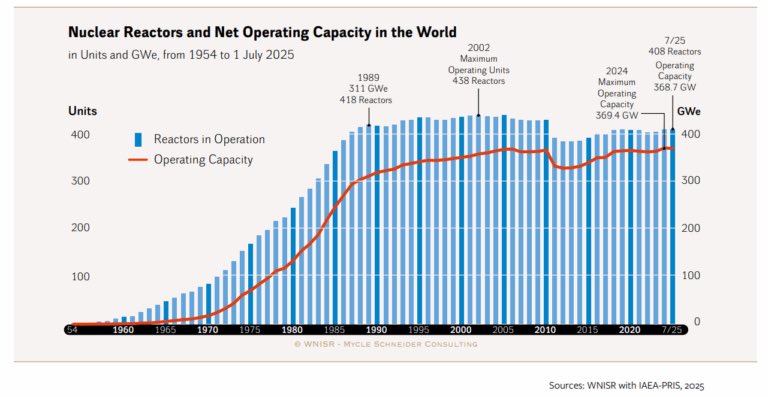
Dnes je to 40 let od jaderné havárie v Černobylu.
Tragédie, která zastavila prudký rozvoj jaderné energetiky.
Do Černobylu prudce rostl počet reaktorů v provozu, ale krátce po něm začal počet funkčních jaderných reaktorů stagnovat.
Zastavil se cca na 400 a stagnuje dodnes.
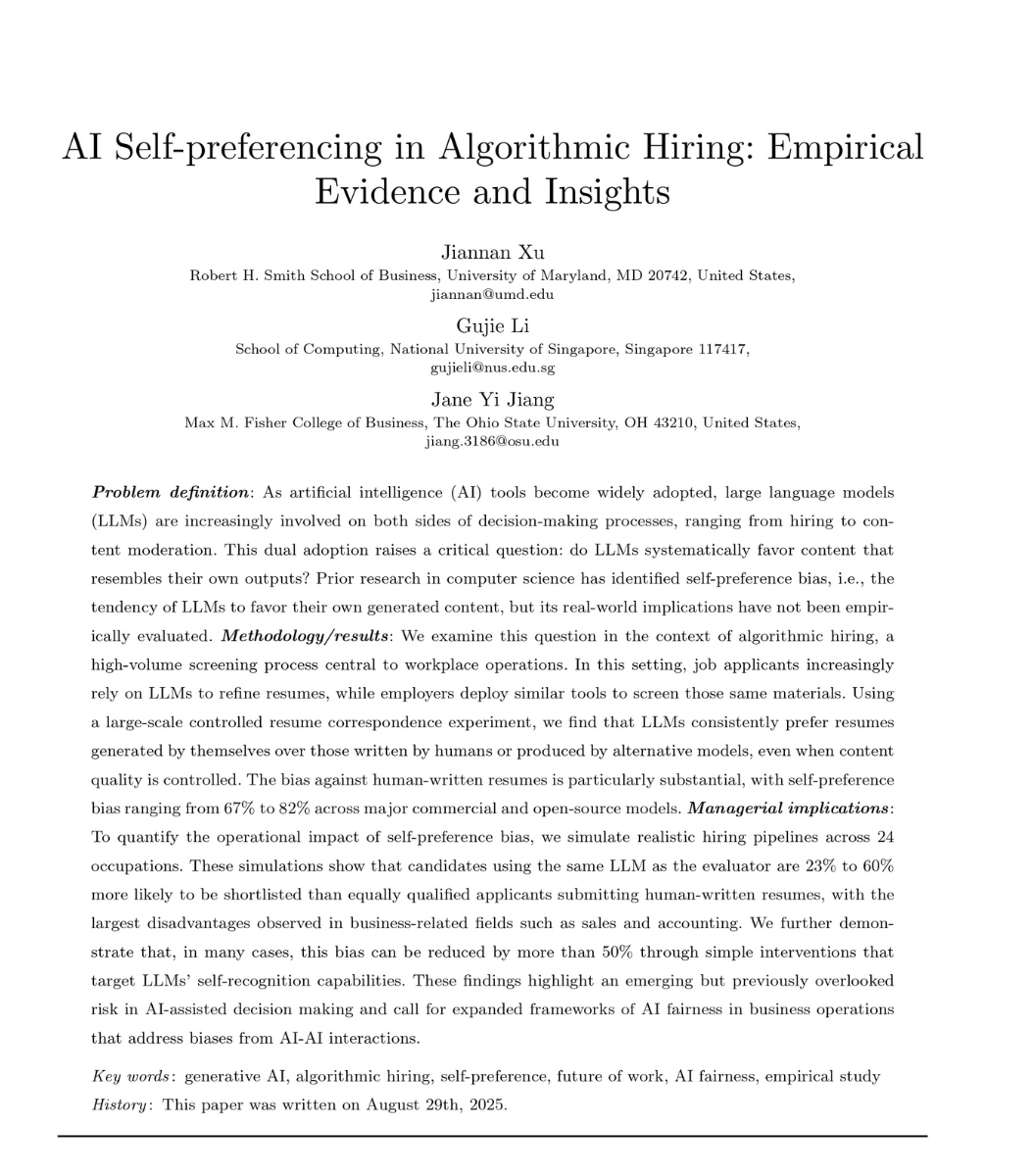
Researchers sent the same resume to an AI hiring tool twice. Same qualifications. Same experience. Same skills. One version was written by a real human. The other was rewritten by ChatGPT.
The AI picked the ChatGPT version 97.6% of the time.
A team from the University of Maryland, the National University of Singapore, and Ohio State just published the receipt. They took 2,245 real human-written resumes pulled from a professional resume site from before ChatGPT existed, so the human writing was actually human. Then they had seven of the most-used AI models in the world rewrite each one. GPT-4o. GPT-4o-mini. GPT-4-turbo. LLaMA 3.3-70B. Qwen 2.5-72B. DeepSeek-V3. Mistral-7B.
Then they asked each AI to pick the better resume. Every model picked itself.
GPT-4o hit 97.6%. LLaMA-3.3-70B hit 96.3%. Qwen-2.5-72B hit 95.9%. DeepSeek-V3 hit 95.5%. The real human almost never won.
Then the researchers tried the obvious objection. Maybe the AI is just better at writing. So they had real humans grade the resumes for actual quality and ran the experiment again, controlling for it. The result was worse. Each AI kept picking itself even when human judges rated the human-written version as clearer, more coherent, and more effective.
It gets worse. The AIs do not just prefer AI over humans. They prefer themselves over other AIs. DeepSeek-V3 picked its own resumes 69% more often than LLaMA's. GPT-4o picked its own 45% more often than LLaMA's. Each model can recognize and reward its own dialect.
Then the researchers ran the simulation that ends careers. Same job. 24 occupations. Same qualifications. The only variable was whether the candidate used the same AI as the screening tool. Candidates using that AI were 23% to 60% more likely to be shortlisted. Worst gap was in sales, accounting, and finance.
99% of large companies now run AI on incoming resumes. Most of them use GPT-4o. The paper just proved GPT-4o picks GPT-4o 97.6% of the time.
If you wrote your own cover letter this week, you did not lose to a better candidate. You lost to a worse candidate who paid OpenAI 20 dollars.
Your qualifications do not matter if the AI prefers its own handwriting over yours.