Could nitrous oxide be a telling atmospheric sign of life on other planets 🧐?
@NASA supports researchers design a model to predict N2O concentrations in a variety of atmospheric conditions ✨
On 🌏 living organisms release N2O, Could high levels of accumulation be detected 🔭
✨ SPECULOOS-2.✨
This star sounds spectacular 🧐
In 2019, the Search for habitable Planets EClipsing ULtra-cOOl 😎 Stars (SPECULOOS) project began operating with the goal of identifying planets whose atmospheres could be suitable targets for characterization by the @NASAWebb
surface temperature, bed topography and other characteristics of sea ice, ice sheets and glaciers.
How could this technology be modified for a mission to Europa ?
Scientist assess glacial environments for psychophriles 🔎❄️ and they can grow & reproduce in temperatures as low as -20°C (-4°F).
@NASA operation icebridge on Canada’s glaciers 👇 uses sophisticated instruments on aircraft for measuring snow depth, ice elevation &thickness💡
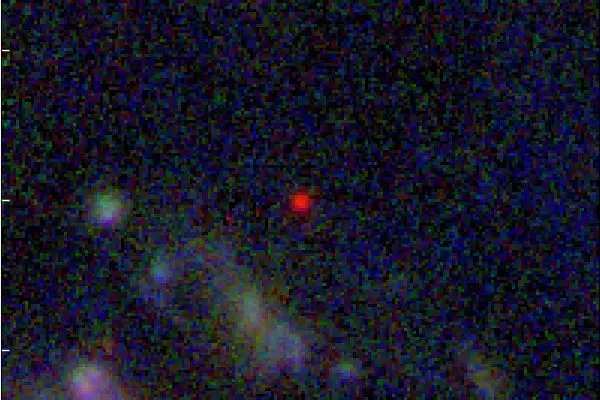
This red dot is the oldest galaxy we've ever seen!
The latest data from the James Webb Space Telescope has helped astronomers find the galaxy, which dates back to just 300 million years after the big bang https://t.co/ujVstyRBES
Expressions of interest are open to industry interested in being a part of the Australian Space Industry Delegation at @IACParis2022 this September. 🚀
Find out more and register today. 👉 https://t.co/p39VQhgw3n
#SpaceIndustry#SpaceState#IAC2022
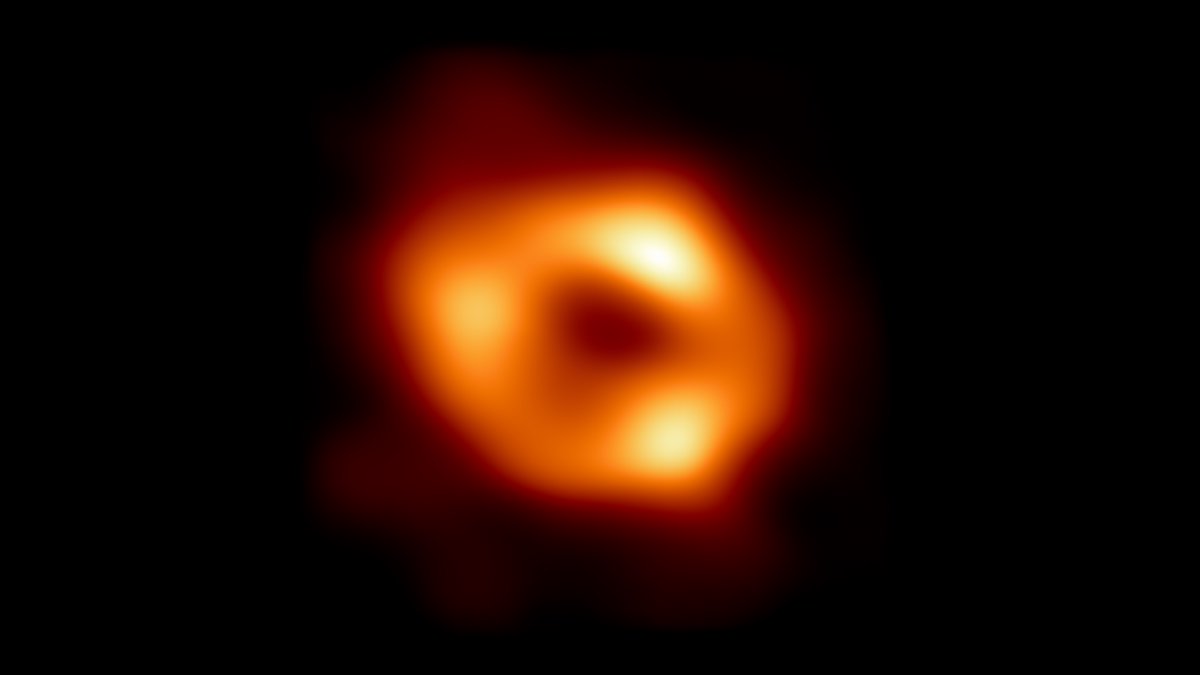
We finally have the first look at our Milky Way black hole, Sagittarius A*. It’s the dawn of a new era of black hole physics. Credit: EHT Collaboration. #OurBlackHole#SgrABlackHole
Link: https://t.co/Ax7ECRVg8A
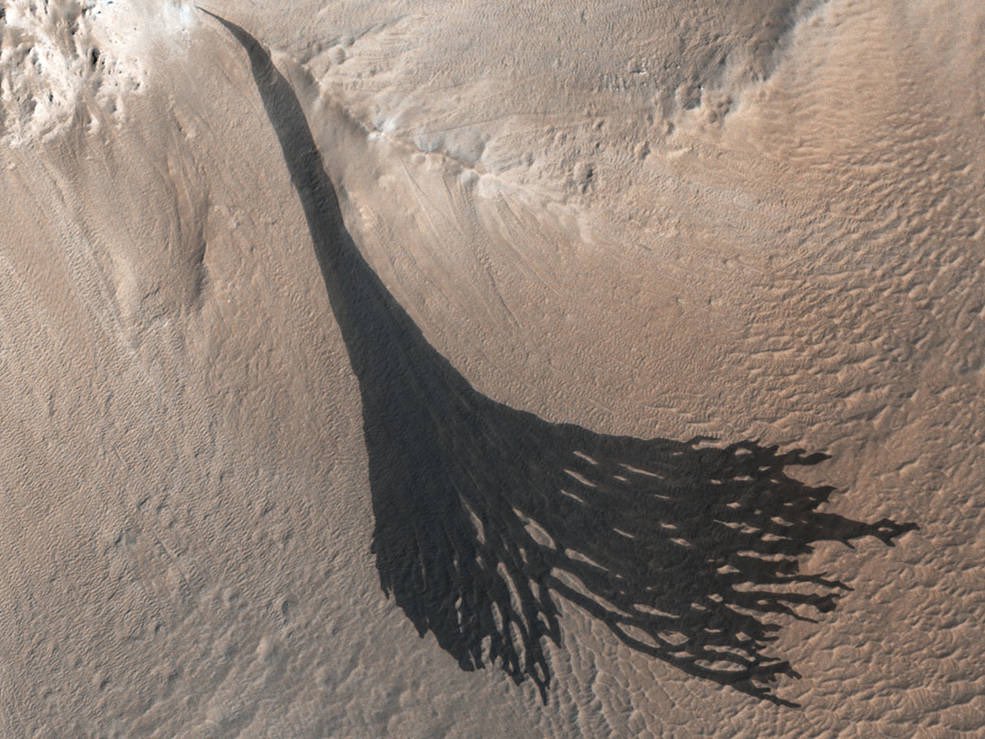
You can read more 👉 Journal of Geophysical Research: Planets, these scientists proposed a surprising answer that may also explain how dust avalanches, which are reshaping the planet, are triggered after sunrise.
📸@NASAJPL HIRISE- slope steaks resulting from dust avalanches 💡
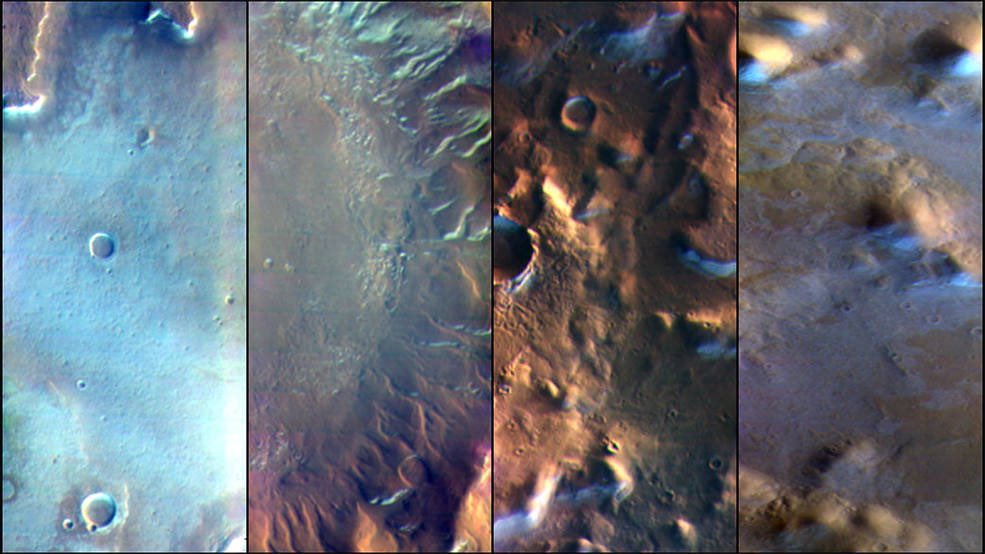
📸 @NASAJPL THEMIS Martian surface
Mars odyssey orbiter may explain why the Martian frost is invisible to the human eye and why dust avalanches appear on some slopes 🔎
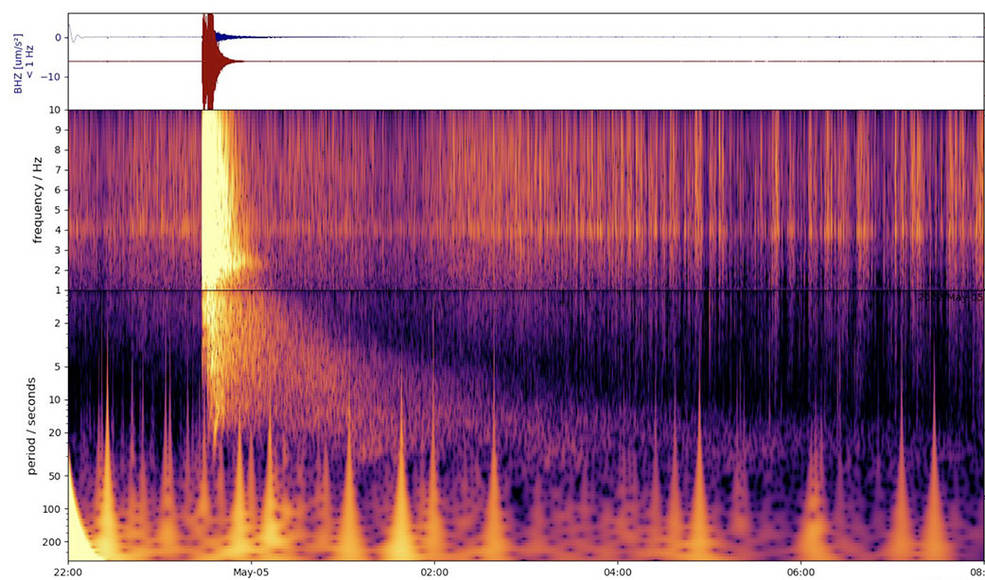
WOW! @NASAInSight's team & @CNES partners just received prelim data from Mars on what's believed to be the largest seismic activity ever recorded on another planet! Preliminary estimate: Magnitude 5 event. Must be patient as teams analyze the data: https://t.co/YrpPAufROX
The team was able to map the distribution of microorganisms living along the gradient of hydrogen produced in the environment.
Read more 👇
https://t.co/9X4yxYs89Y
✨Extremophiles hydrogenotrophs✨
A team of astrobiologists supported by the NASA Astrobiology Program have recently studied organisms known as hydrogenotrophs in hypersaline fluids in the mountains of Oman🔎
The research team studied microorganisms that live in the sediment beneath pools of fluids that have been involved in a process known as serpentinization. This is a geological process by which rocks are altered when they interact with water🌊
Call for participation✨
The @MvaPayload project is inviting individuals to participate in the project development that is now contemplating: definition, development, launch & operations of a lunar surface Earth-imaging payload
🚀📸🌙
👩🏻🎓Masters in space field
⏱ 6hrs a week