Neutrinos leftover from the Big Bang exist everywhere in the universe. But because they are very low-energy particles, these neutrinos are also nearly impossible to detect.
https://t.co/67I4IQiKAc
#Neutrino70
A glimpse back in time
Astronomers using @nasahubble found a galaxy that existed at the end of a transformative period in our universe — just 1.4 billion years after the big bang. Observing a galaxy like this one was previously thought to be impossible.
https://t.co/tXU1T5HEJF
Quasars are incredibly bright and energetic objects found in distant galaxies. They emit massive amounts of energy and are fueled by supermassive black holes at their centers. The most powerful quasars can be seen across the Universe!
Astonishing. 🤯
🎥 ESO/M. Kornmesser
Artemis IV hardware is on the move!
Teams recently moved the liquid oxygen tank, which will form part of the SLS (Space Launch System) core stage for the @NASAArtemis IV mission, at #NASAMichoud ahead of inspections and the next phase of production.
Did you miss one of the biggest Swift events of the year?
The LINK robotic spacecraft from Katalyst Space launched last week on a Northrop Grumman Pegasus XL to attempt an orbital boost of our Neil Gehrels Swift Observatory. But what’s next? Let’s take a look. ⬇️
Baby, you're a firework 🎆
This image combines data from Hubble and @ChandraXRay to show a spectacular star cluster surrounded by a vast region of dust and gas.
Called NGC 3603, this star factory shines 20,000 light-years away: https://t.co/rc68XhMvD2
July 12th is Webb’s 4th science anniversary!
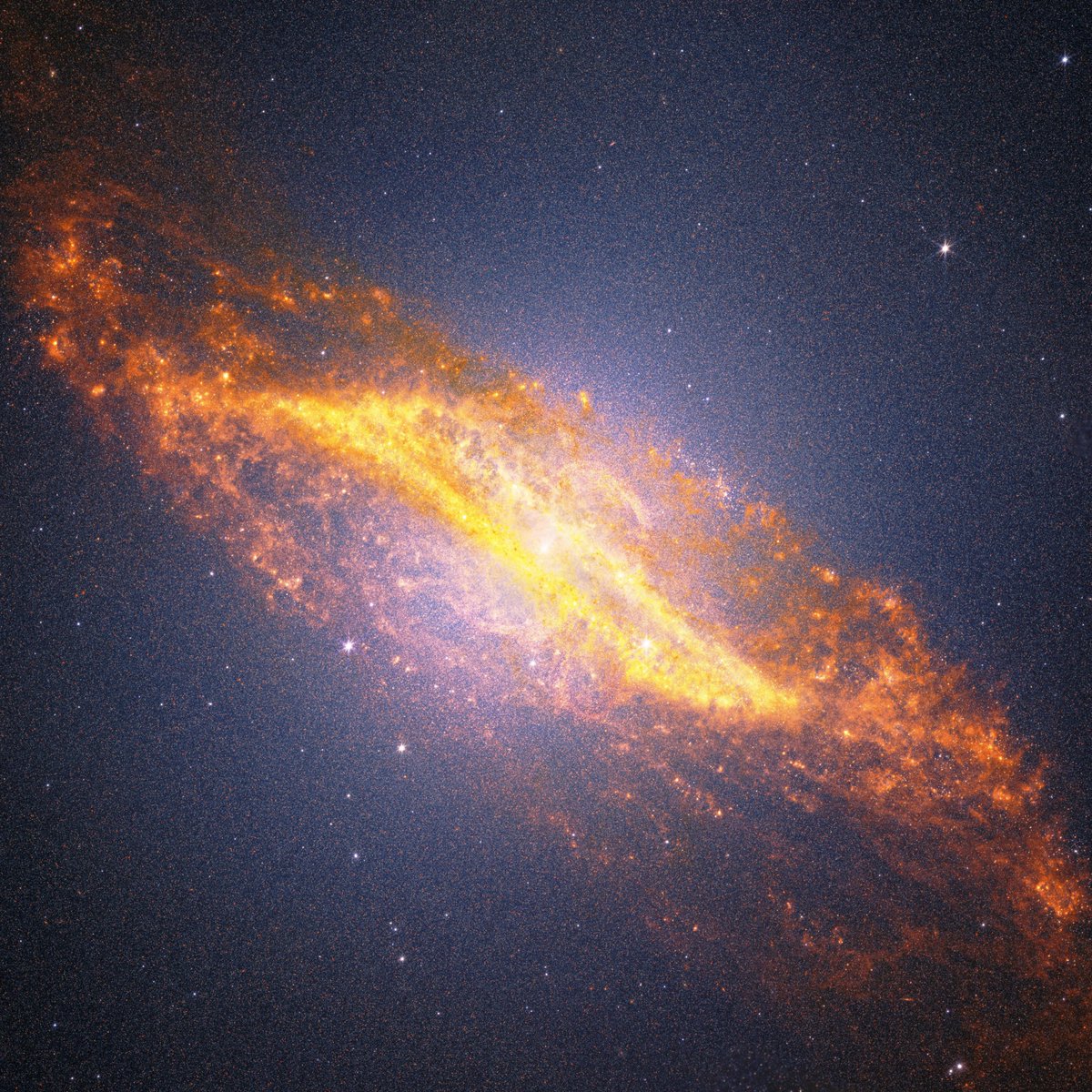
When we dive deeper into the familiar galaxy Centaurus A, our view becomes richer and stranger— a vivid record of cosmic history.
https://t.co/lUTv8fE451
Webb’s mid-IR view exposes the dusty structures and hidden activity that shape this unusual system, from intricate filaments stretching across it. Explore with an interactive tool: https://t.co/EP8mpoOIYt
Many of the glowing red points in the MIRI image are dust-rich stars or stellar nurseries. Dust is a raw ingredient for new stars and planets and vital to the ongoing life cycle of the galaxy.
At the heart of the galaxy, an actively feeding supermassive black hole shines brightly, surrounded by complex structures sculpted by a past galactic collision and ongoing activity.
This combined view of Centaurus A from Webb in near and mid-infrared exposes a warped disk of gas and dust left behind by a collision with another galaxy billions of years ago. The grainy glow is actually a dense field of millions of individually resolved stars.
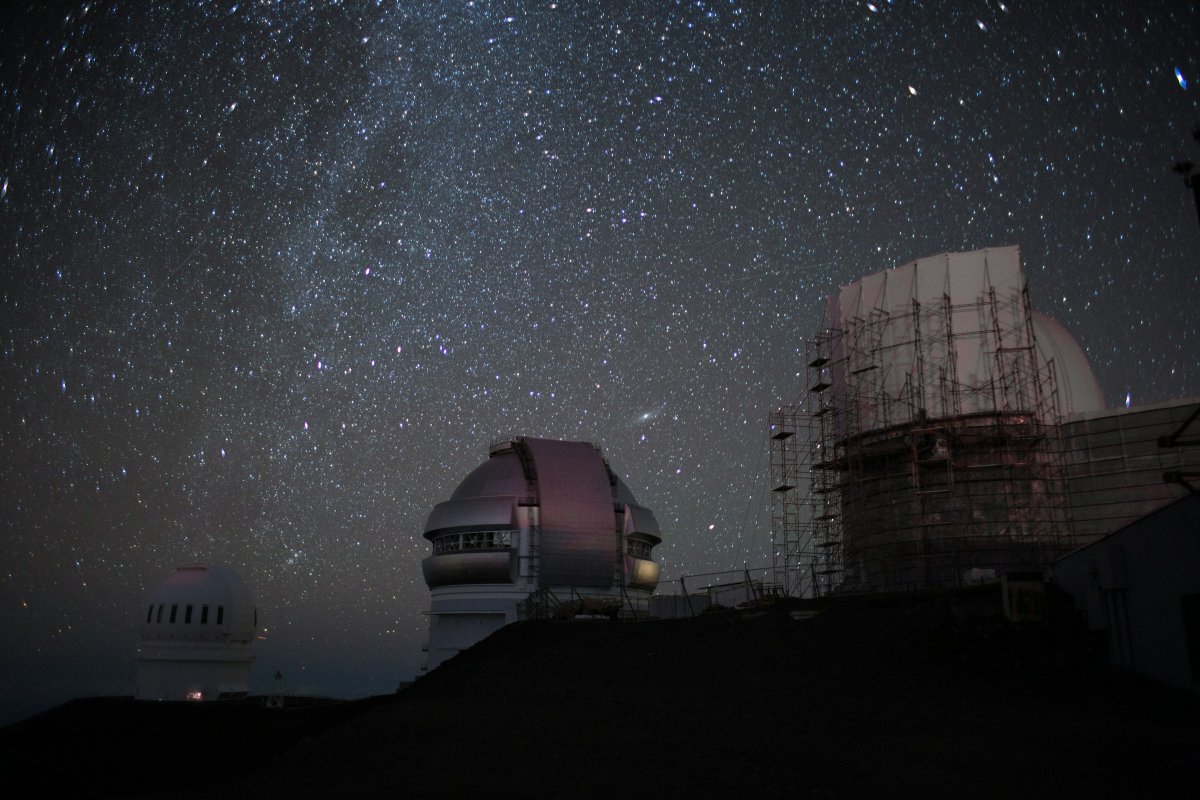
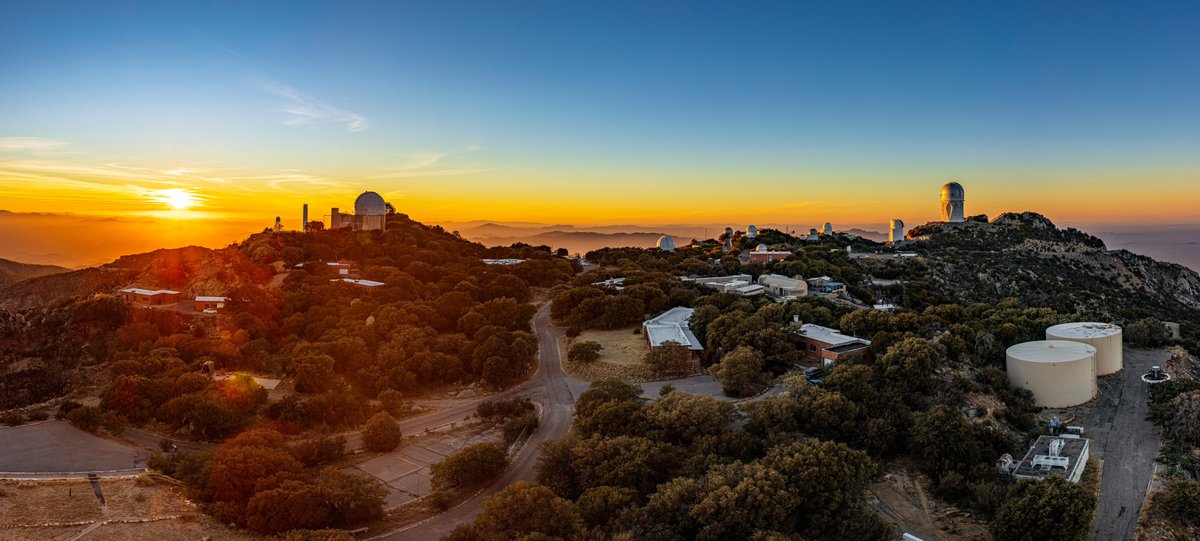
NSF @KittPeakNatObs has telescopes galore… but what are those other buildings?
The brick buildings include administrative offices, a cafeteria, and dorms where our observers sleep during the day. The right 2 white cylinders store water.
📷 KPNO/NOIRLab/NSF/AURA/B. Pinlaut
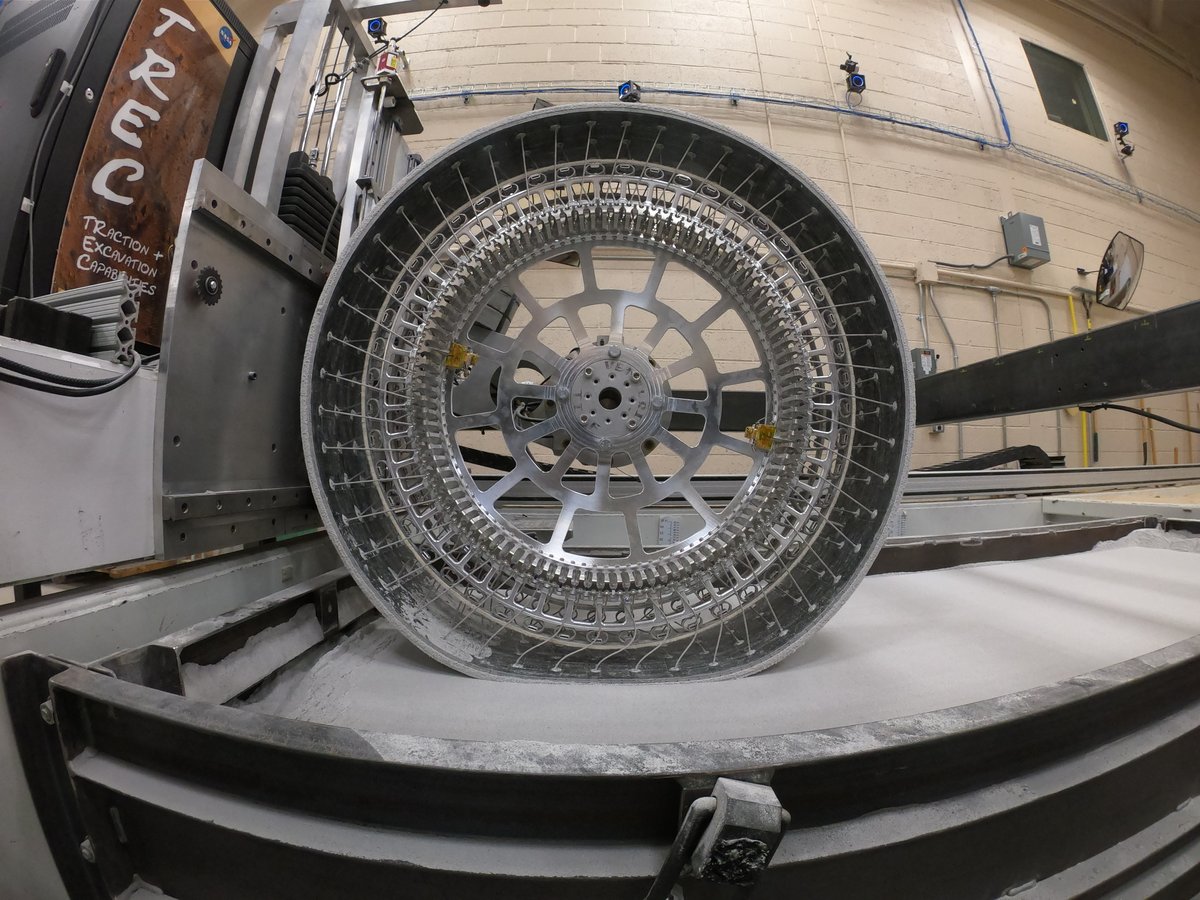
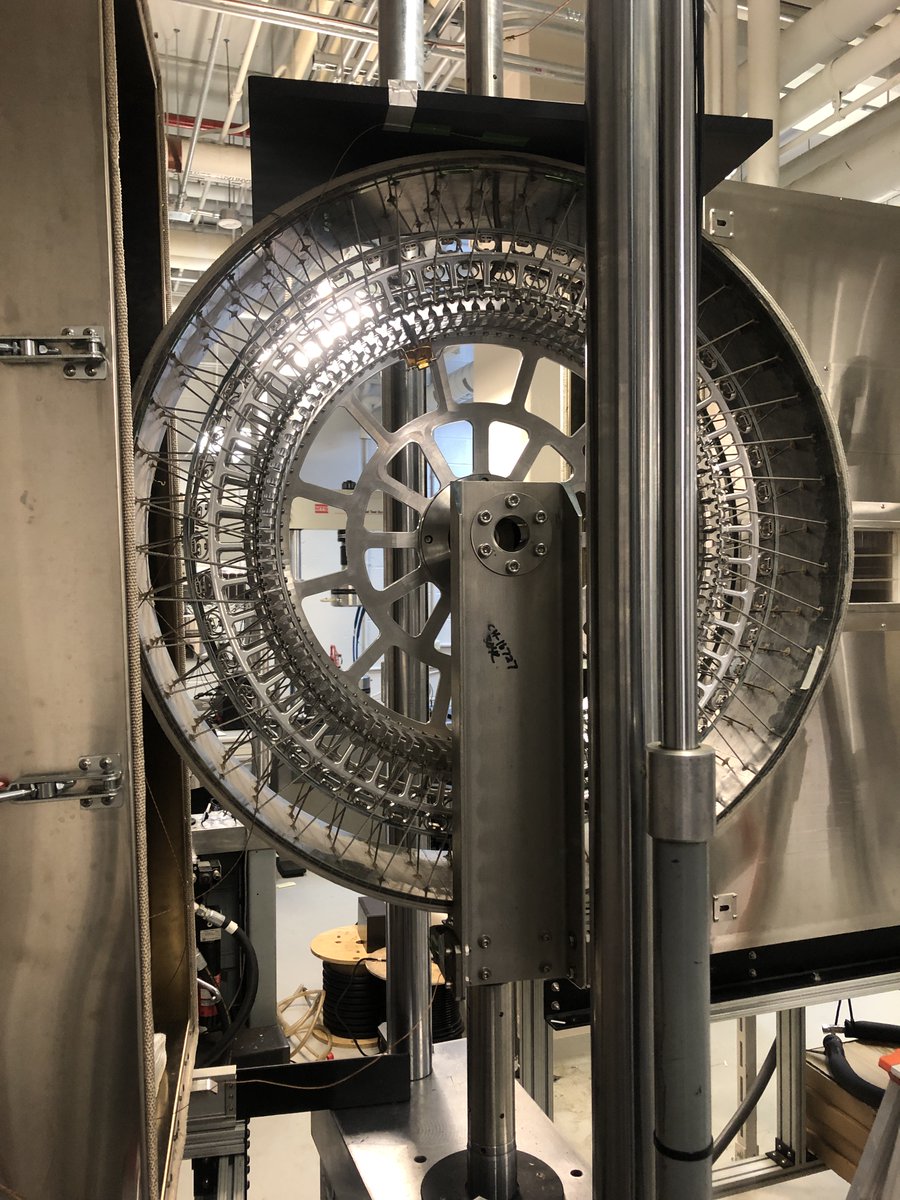
The highest traction space tire was tested with NASA support.
Our rovers’ tires — developed along with @Venturi — have been tested in facilities everywhere from NASA’s Glenn Research Center to Johnson Space Center.
The hyper-deformable tire is made up of 192 cable spokes and 96 springs. NASA test platforms put each spring and spoke under scrutiny in the harsh environments they will experience on the Moon.
We test on Earth so it works on the Moon.
Why is the Artemis spacesuit bright orange? 🤔 The orange color is highly visible in ocean waters—making the astronauts easy to spot after they have splashed down!
Check out an Artemis spacesuit at the NASA exhibit in the Innovation Pavilion at the Great American State Fair!
Scientists at ORNL, @ClevelandClinic, and @IBMResearch completed the first-known quantum computer calculations of materials used to produce tritium fuel, advancing research for future fusion energy.
Read the story: https://t.co/ygQeHt8Imk
Making critical space weather predictions possible. ☀️
We have been selected by @NASA on behalf of @NOAA to support the Space Weather Next PHOMI study. The future instrument would map the Sun's magnetic fields to improve and strengthen our understanding of solar activity.
🏠@NASA is recruiting research participants for the next simulated deep space mission.
Beginning NET August 2027, research volunteers will spend one year living and working in simulated interplanetary environments at @NASAJohnson.
LEARN MORE >> https://t.co/NfTNeeYXwa