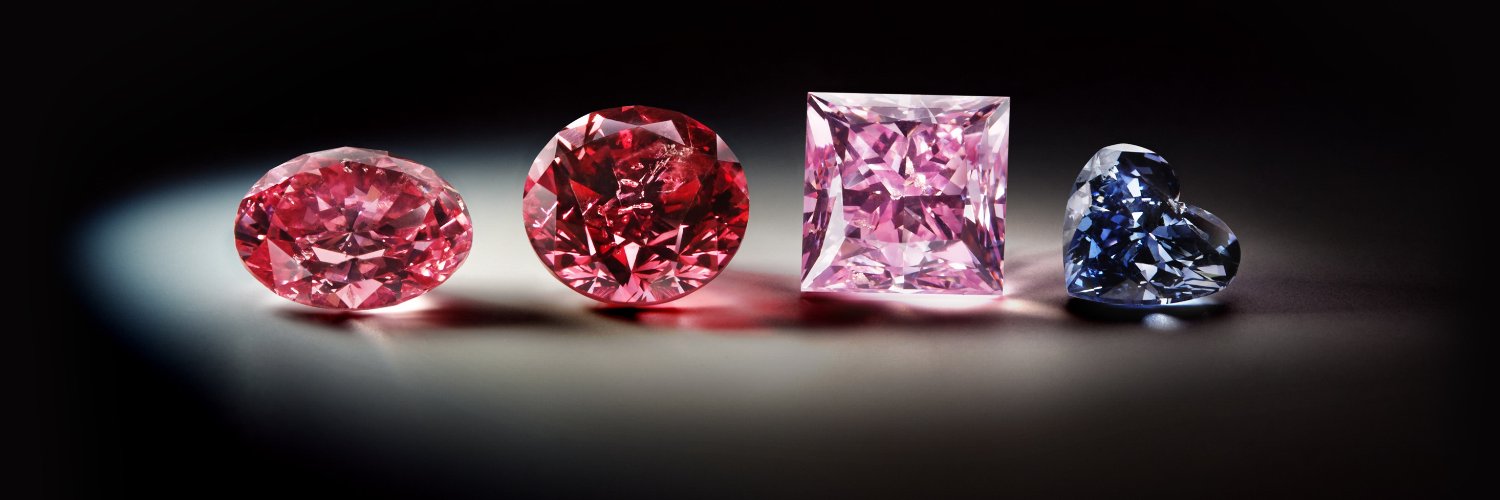
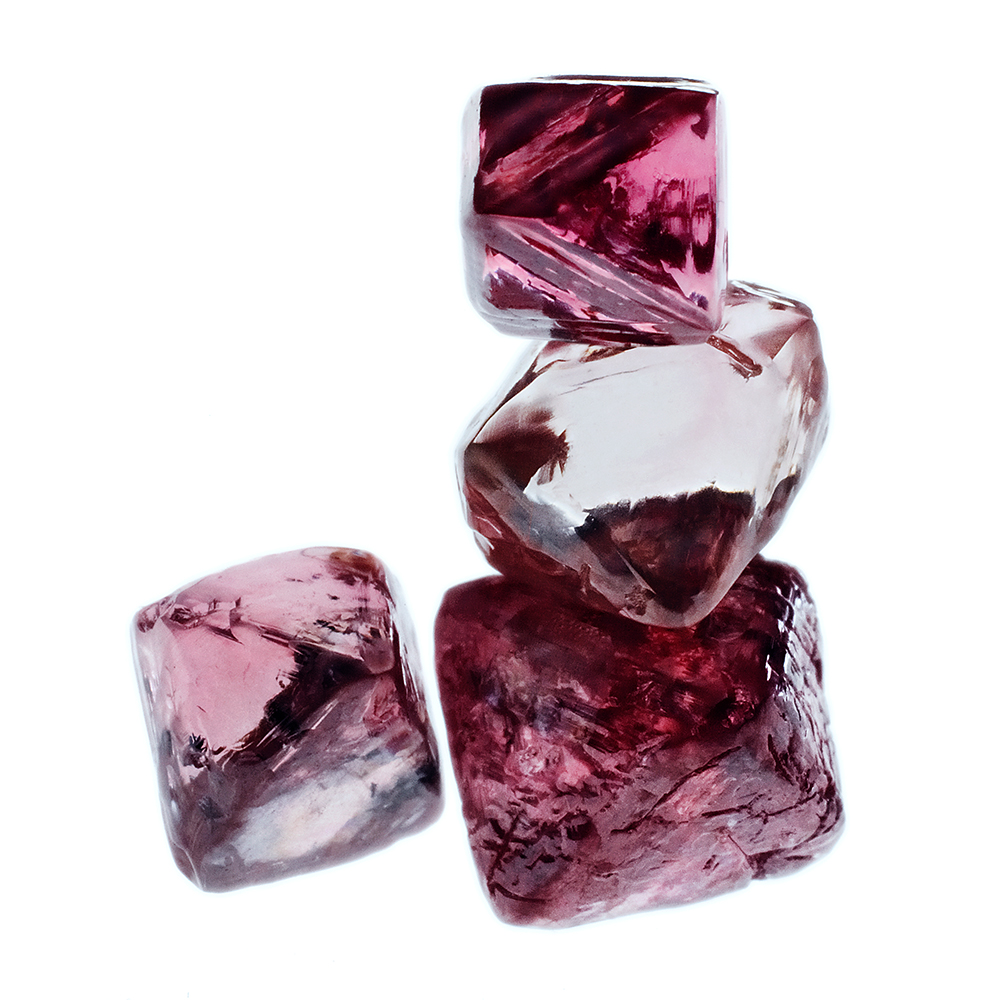
Unlock the mysteries of Argyle diamonds. AuScope enabled research published in Nature reveals insights into the formation of the world's largest natural diamond source.
The Conversation: https://t.co/F3J1TbGNsg
New York Times: https://t.co/oQxWCDinM8
#NCRISimpact@JDLCentre
#CurtinUniversity researchers used laser beams smaller than the width of a human hair on rocks from WA’s Argyle volcano to uncover the missing third clue to finding valuable pink #diamond deposits. 💎 https://t.co/8zApIHvEbR
@RioTinto#CurtinResearch
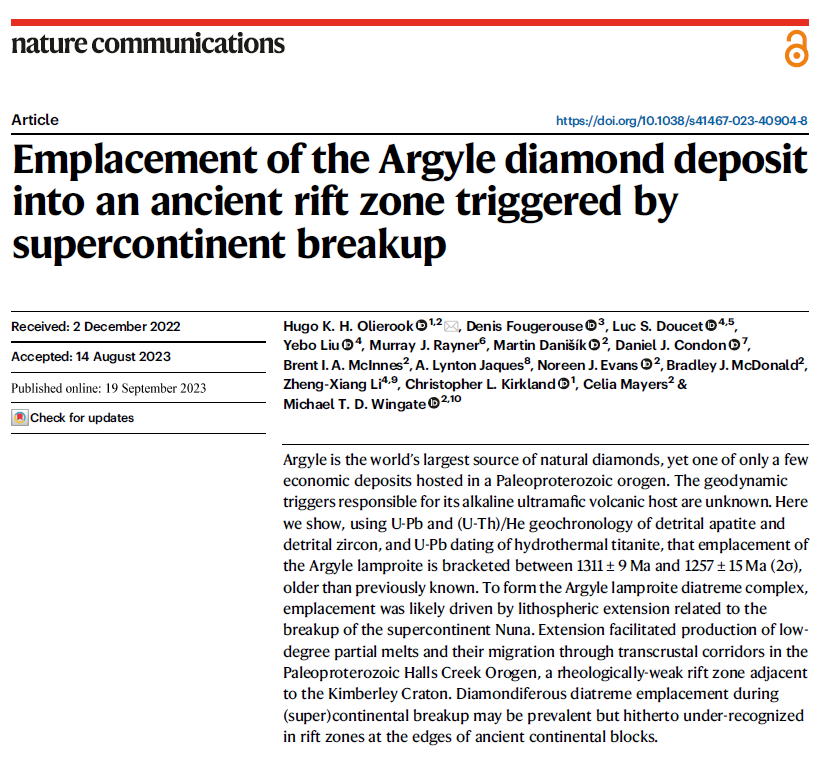
The formation of one of the world’s largest sources of natural diamonds, and the largest source of coloured diamonds, in Western Australia, may have been associated with the breakup of the first supercontinent about 1,300 million years ago: https://t.co/eWN9yjJv33
@NatureComms
Link between diamond emplacement, rifts & continental breakup is highlighted by geochronology of Argyle diamond deposit emplacement & coincident breakup of the Nuna supercontinent by @DenisFougerouse, @CurtinUni, @CurtinMedia, @TimescalesEPS, @JDLCentre. https://t.co/BGJP9VZmA9
The formation of one of the largest sources of natural diamonds, and the largest source of coloured diamonds, in Argyle may have been associated with the breakup of the first supercontinent about 1,300 million years ago, reports a @NatureComms paper. https://t.co/0UshlYBogY
New #openaccess in @NatureComms led by Hugo with @JDLCentre looking at dating and diamonds (an expensive combination).
Bonus link to an associated @ConversationEDU piece in the comments below https://t.co/oI8JFZC8HD