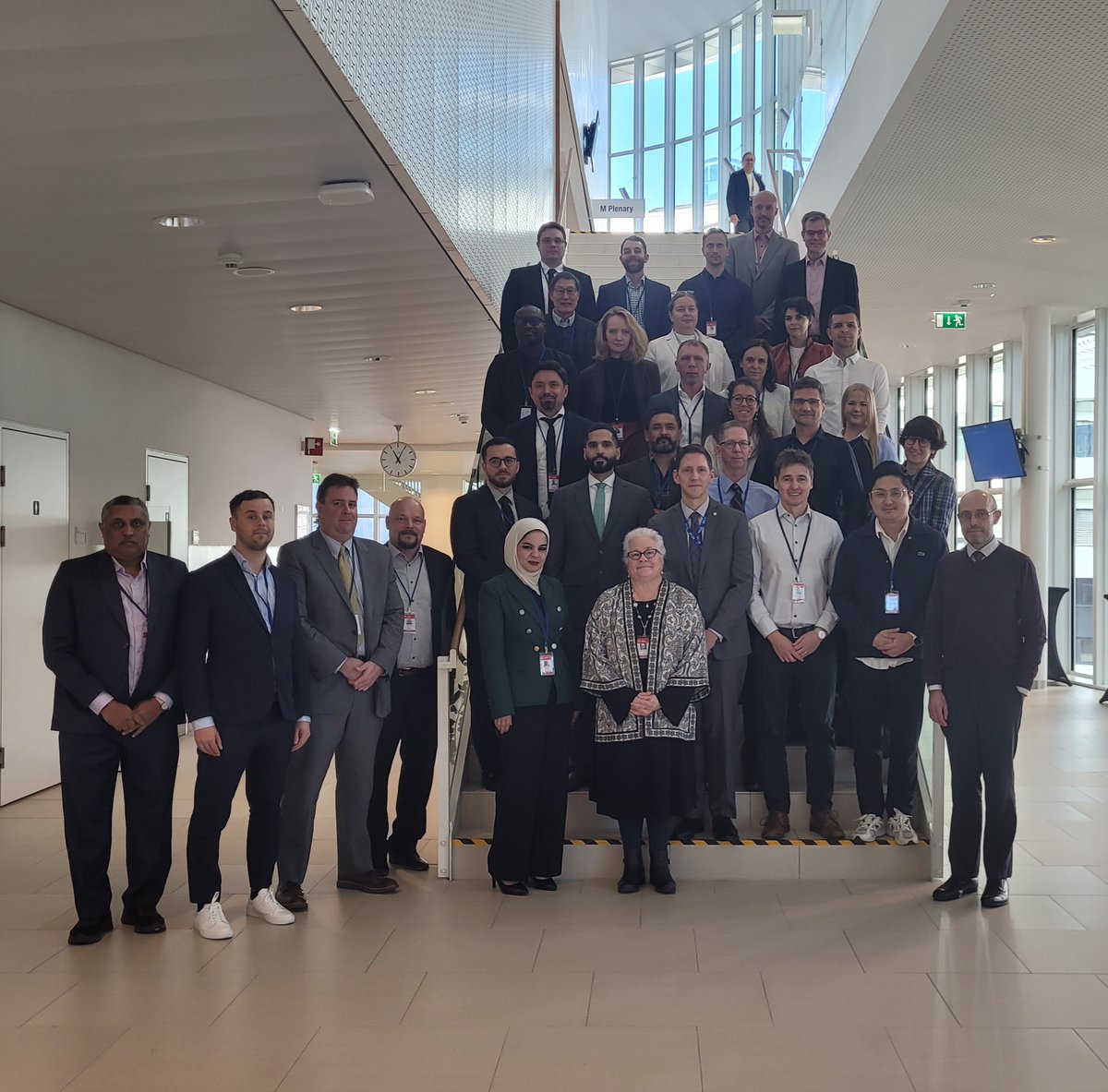
25 participants from countries throughout Africa are currently taking part in the 14th Postgraduate Educational Course in Radiation Protection and the Safety of Radiation Sources #PGEC delivered in French and hosted by @CNESTEN1 and the @IAEAorg in #Morocco 🇲🇦.
Through classroom sessions, practical exercises and technical visits with experienced trainers, participants are gaining the knowledge and skills needed to apply radiation protection practices in their professional work.
The IAEA also conducted a technical visit to evaluate implementation, identify opportunities for future developments and highlight good practices, including potential integration of the PGEC into Morocco's national educational framework. The 14th edition of the PGEC will conclude in February 2027.
Learn more about the PGEC 👉 https://t.co/VgrKtlbp8u
The PGEC is open to participants from @iaeaorg Member States via the @iaeatc Technical Cooperation Programme 🤝
Read more about the PGEC 👉https://t.co/0v5TsIoFm7
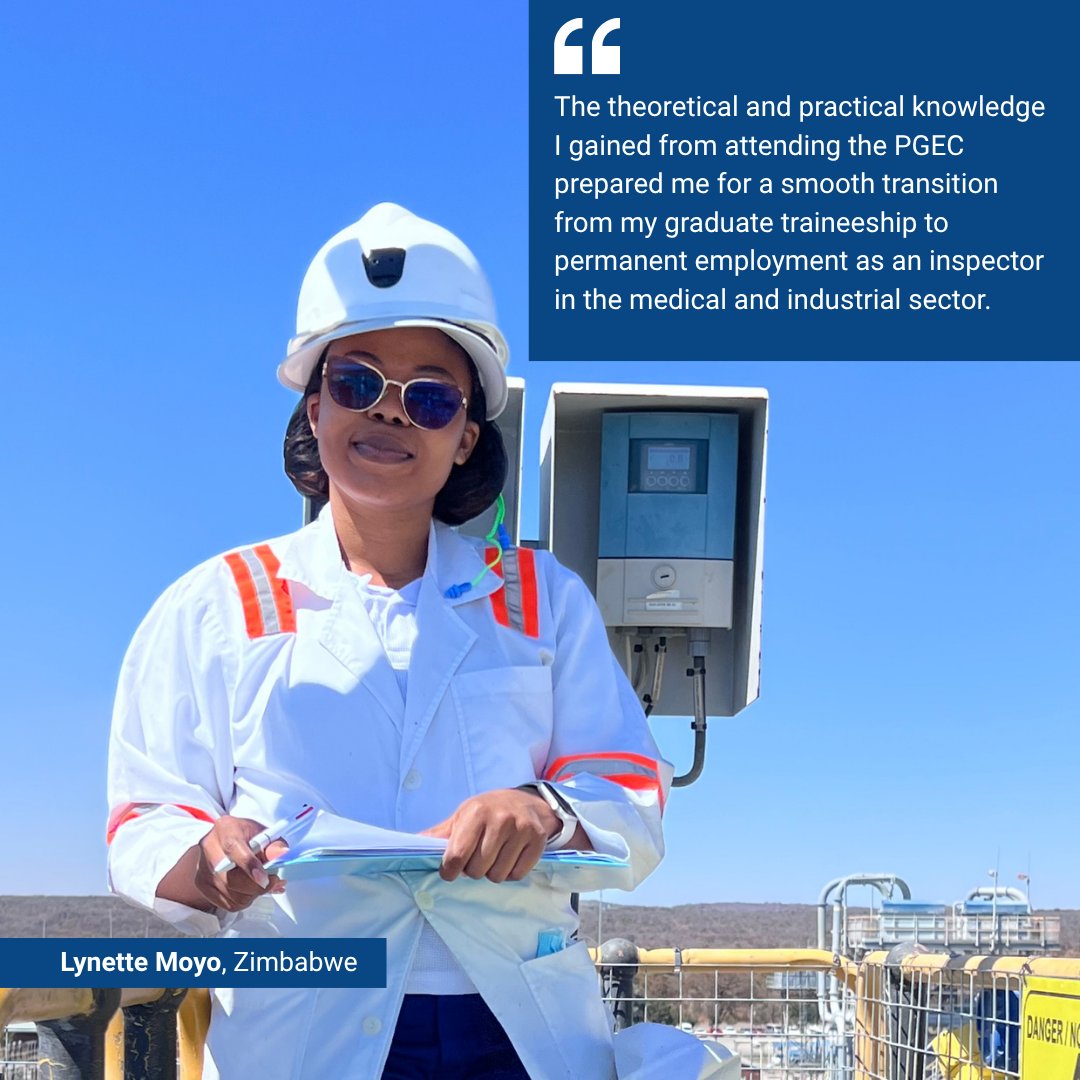
🗨️ What do past participants have to say about the Post Graduate Educational Course in Radiation Protection and the Safety of Radiation Sources #PGEC?
Swipe to hear from participants below! 🗣️
🦺 Designed for early career professionals, the PGEC is a six-month foundational training course for #radiationprotection and the safety of radiation sources. With a syllabus combining both theoretical and practical training elements, the PGEC is delivered by regional training centres across the world in:
🔹Africa (English and French)
🔹 Asia (Arabic and English)
🔹 Europe (English and Russian)
🔹 Latin America (Portuguese and Spanish)
📣Call for abstracts!
Submit your abstract by 15 November 2026 for the @IAEAorg Technical Meeting on Nuclear Forensics and join experts to discuss advances in nuclear forensics as part of response capabilities to #NuclearSecurity events involving nuclear and other radioactive material out of regulatory control. Topics include nuclear forensic science, radiological crime scene management, national capabilities development and international cooperation.
📅 22-26 February 2027
📍 Vienna, Austria
More information:https://t.co/0mubgYBLRb
“IAEA EPR principles remain valid, but their application to SMRs needs to be tailored to each design and deployment environment to ensure effective emergency arrangements,” said Amgad Shokr, Director of the IAEA’s Incident and Emergency Centre, @OECD_NEA workshop on Right-Sized Emergency Planning for #SMRs in #Bucharest 🇷🇴 on 4 November.
@IAEAorg is updating its #EPR safety requirements (GSR Part 7) with OECD NEA and other international partners, including considerations for SMRs.
📘 Find out more about emergency planning zones for SMRs in this IAEA publication: https://t.co/tdACJMl7Fa
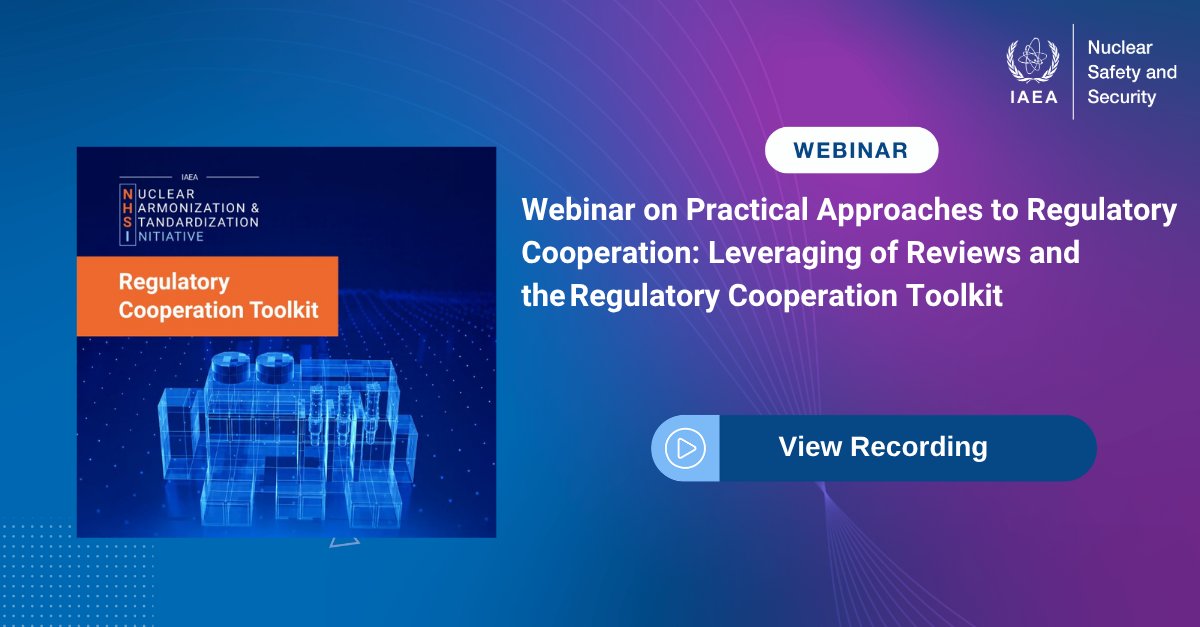
Last week, the #SMR Regulators’ Forum Secretariat hosted a webinar on Practical Approaches to Regulatory Cooperation, exploring the benefits of leveraging reviews, collaborative reviews and the Regulatory Cooperation Toolkit (RCT).
Featuring experts from @CNSC_CCSN, @The_ONR and @NRCgov, the webinar attracted 225 registrations and generated insightful discussions on practical approaches to regulatory cooperation.
🎥 Watch the recording and view the presentation: https://t.co/kAXZIe2hp9
🔎 Learn more about the RCT: https://t.co/KLjAf9bscX
📢 Join tomorrow's webinar on Diagnostic Reference Levels (DRLs) in nuclear medicine!
The webinar, Diagnostic Reference Levels in Nuclear Medicine: Practical Approaches and Lessons Learned from France, will offer practical insights into the French approach to establishing and implementing DRLs.
The webinar is relevant to nuclear medicine professionals, medical physicists, radiation protection specialists and regulators involved in establishing or implementing DRLs.
Experts will discuss:
🔹 Principles and the regulatory framework for establishing DRLs
🔹 The French approach to collecting national data and updating DRLs
🔹 Feedback from end-users on the strengths and limitations of the French DRLs approach
📅 5 November 2026
🕑 2:00 PM CET (Vienna time)
Register now 👉 https://t.co/qieOGUxxC1
What can we learn from the French approach to Diagnostic Reference Levels (DRLs) in nuclear medicine?
The upcoming @IAEAorg webinar, Diagnostic Reference Levels in Nuclear Medicine: Practical Approaches and Lessons Learned from France, will focus on the country's experience in establishing and implementing DRLs.
DRLs help health-care facilities identify and evaluate whether typical administered activities are unusually high or low. Facilities can then review and optimize their practices to enhance radiation protection of patients while maintaining appropriate image quality. France's experience offers practical lessons on how this practical tool can support national optimization programmes.
You'll learn:
🔹 Principles and the regulatory framework for establishing DRLs
🔹 The French approach to collecting national data and updating DRLs
🔹 Feedback from end-users on the strengths and limitations of the French DRLs approach
📅 5 November 2026
🕑 2:00 PM CET (Vienna time)
Register here 👉 https://t.co/qieOGUxxC1
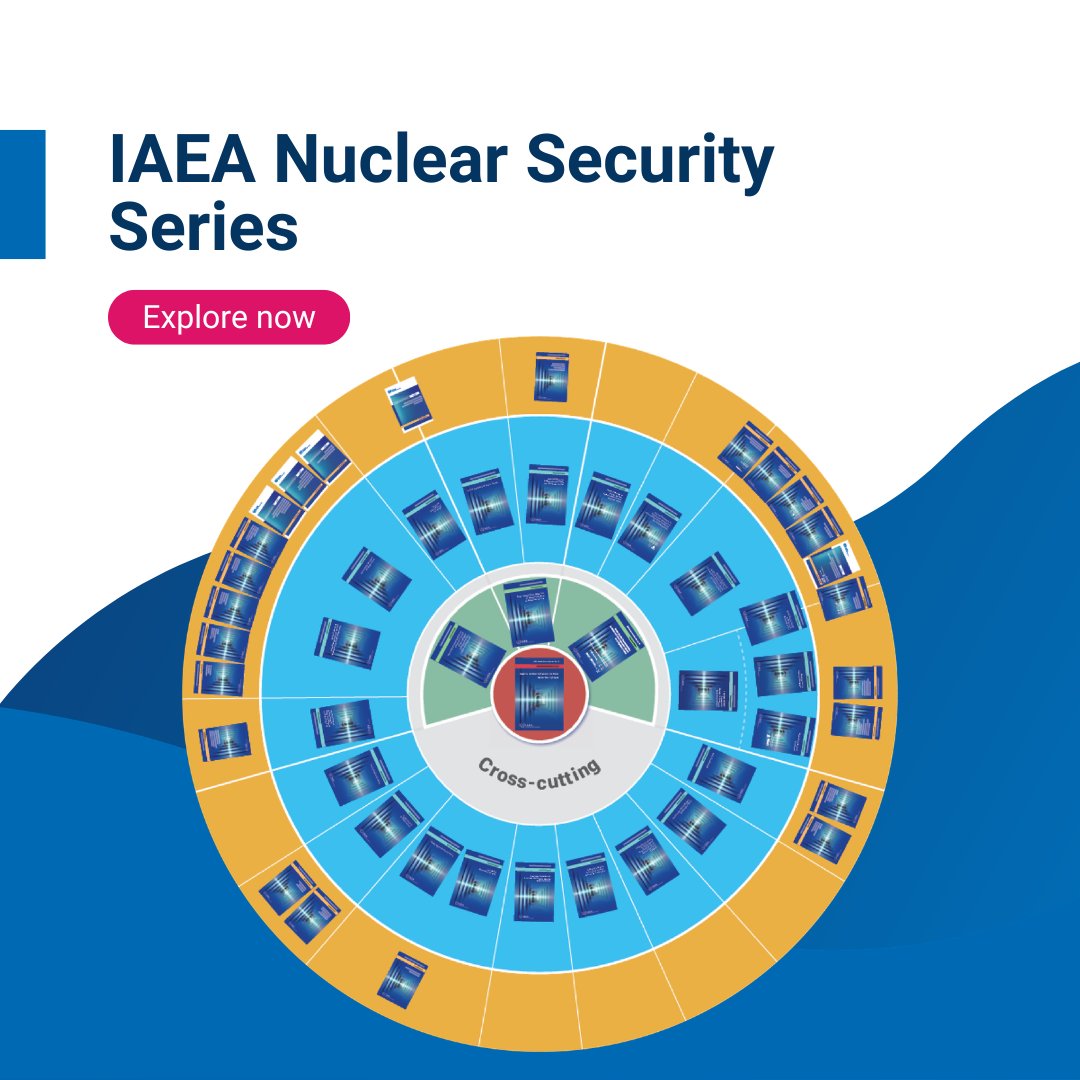
📘The @iaeaorg Nuclear Security Series provides guidance on all aspects of #NuclearSecurity, supporting countries in establishing their national nuclear security regimes.
From physical protection and transport security to nuclear forensics and computer security, the series is the first port of call for States seeking guidance for their national activities.
Explore the Nuclear Security Series here 👉 https://t.co/jwdoL9jXnC
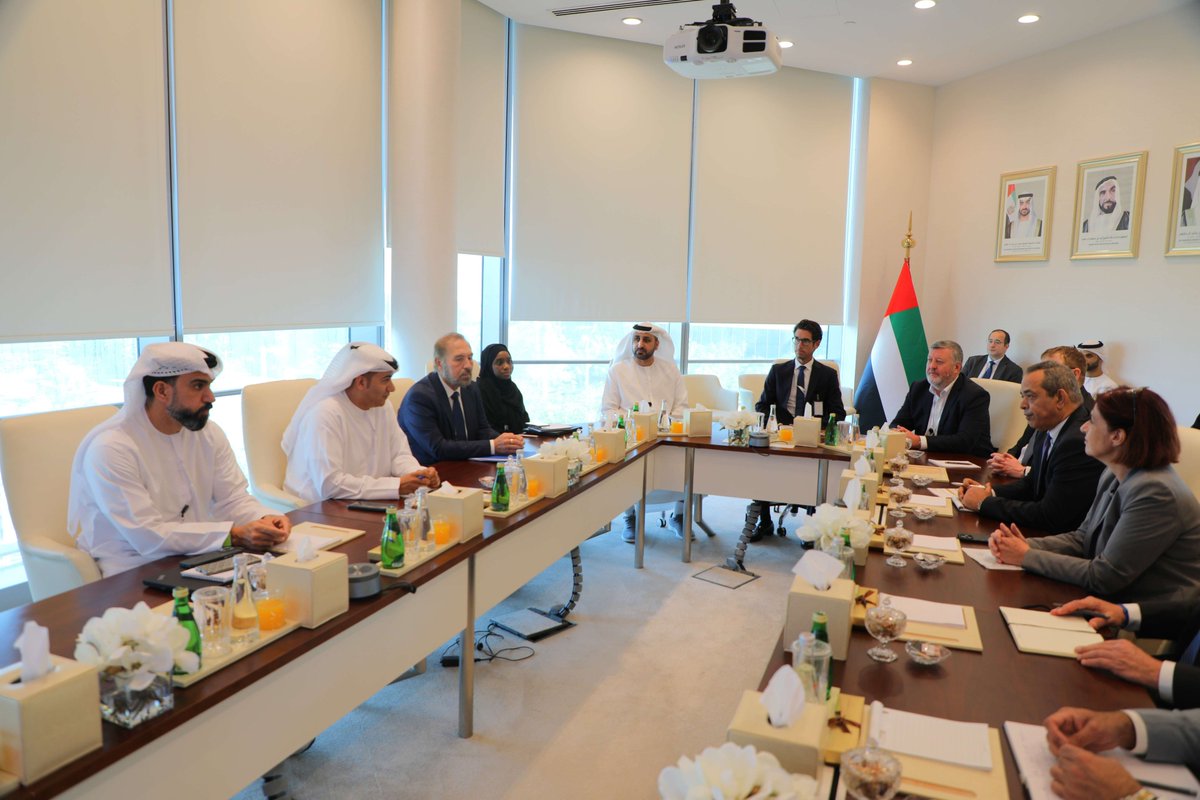
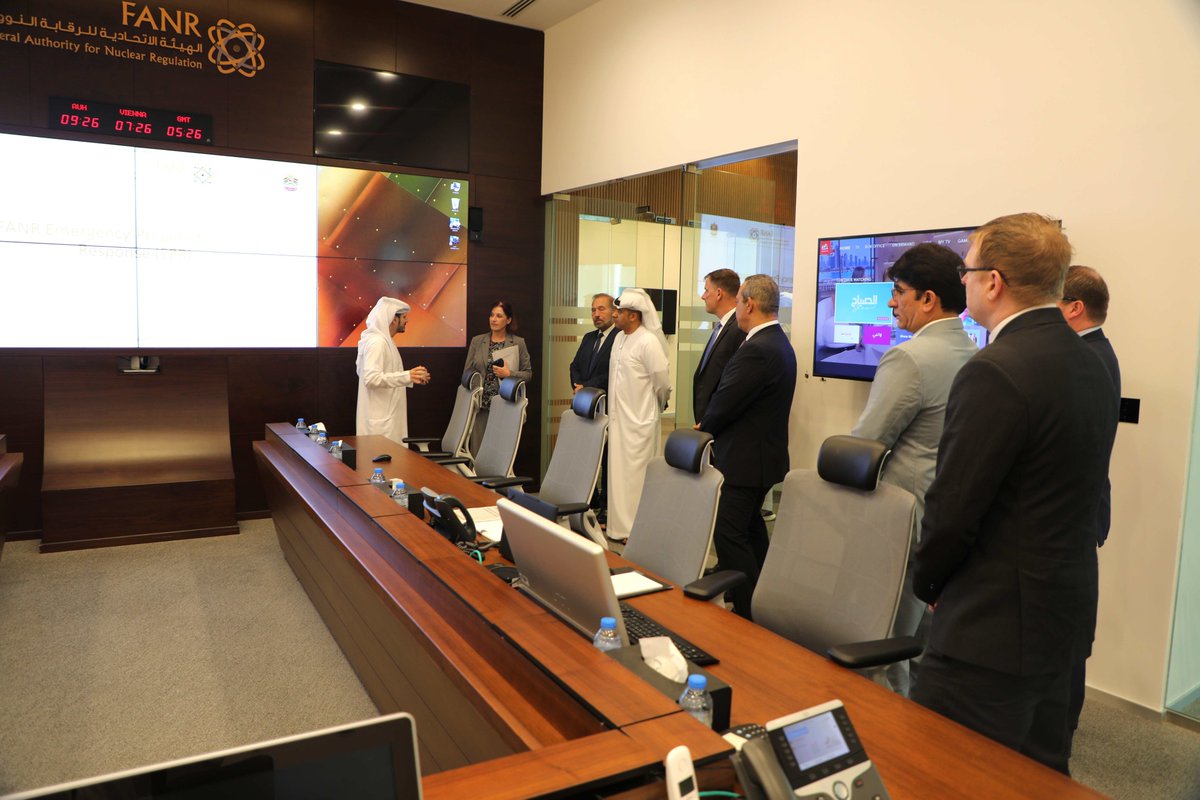
During a recent mission to the #UAE 🇦🇪, @IAEAorg found that the UAE and Barakah Nuclear Power Plant responded effectively to the May 2026 incident, taking the necessary steps to keep the plant safe and prevent further escalation of the event.
In her remarks at the mission’s conclusion, IAEA Deputy Director General and Head of the Department of Nuclear Safety and Security Karine Herviou said that “the mission recognised the UAE’s strong record of engagement with the IAEA, adding that “ the real value of an international mission lies not only in confirming what worked, but also in identifying lessons and opportunities for continuous improvements. In this regard, the team recognised the technical knowledge and competence of @FANRUAE and of the Barakah management and operating personnel.”
Read about the mission: https://t.co/YwNBpYUqIw
Experts recently met at an @IAEAorg consultancy meeting in #Vienna 🇦🇹to begin revising SSG-34, Design of Electrical Power Systems for Nuclear Power Plants, to ensure the guidance reflects evolving reactor technologies and applications.
Discussions focused on new safety considerations for small modular reactors #SMRs and #microreactors, which may operate on large interconnected grids, smaller grids or isolated electrical systems.
These reactors could also supply major electricity users such as data centres. As interest grows in using SMRs to help meet the increasing electricity needs of #AI infrastructure, understanding how sudden changes in demand could affect safety functions is increasingly important.
“The revision will help ensure that appropriate design measures and systematic safety assessments support the safe deployment of these technologies, while maintaining the fundamental safety principles that underpin nuclear power,” said Yun Goo Kim, a nuclear safety officer in the IAEA Division of Nuclear Installation Safety.
💬 Do you want to communicate more effectively about radiation safety in medical settings?
Explore the newly published Radiation Protection of Patients module in the @IAEAorg's Radiation Safety Navigator e-learning course.
The module offers practical guidance, ready-to-use messages and examples to help professionals communicate radiation safety in medicine and related protective measures clearly and effectively to patients, carers and the public.
Enrol in Radiation Safety Navigator 🔗https://t.co/2Lqq6otOHt
Select the Radiation Protection of Patients module and start with the introduction. Further sections will be added progressively.
📚Self-directed
🌐Available in English
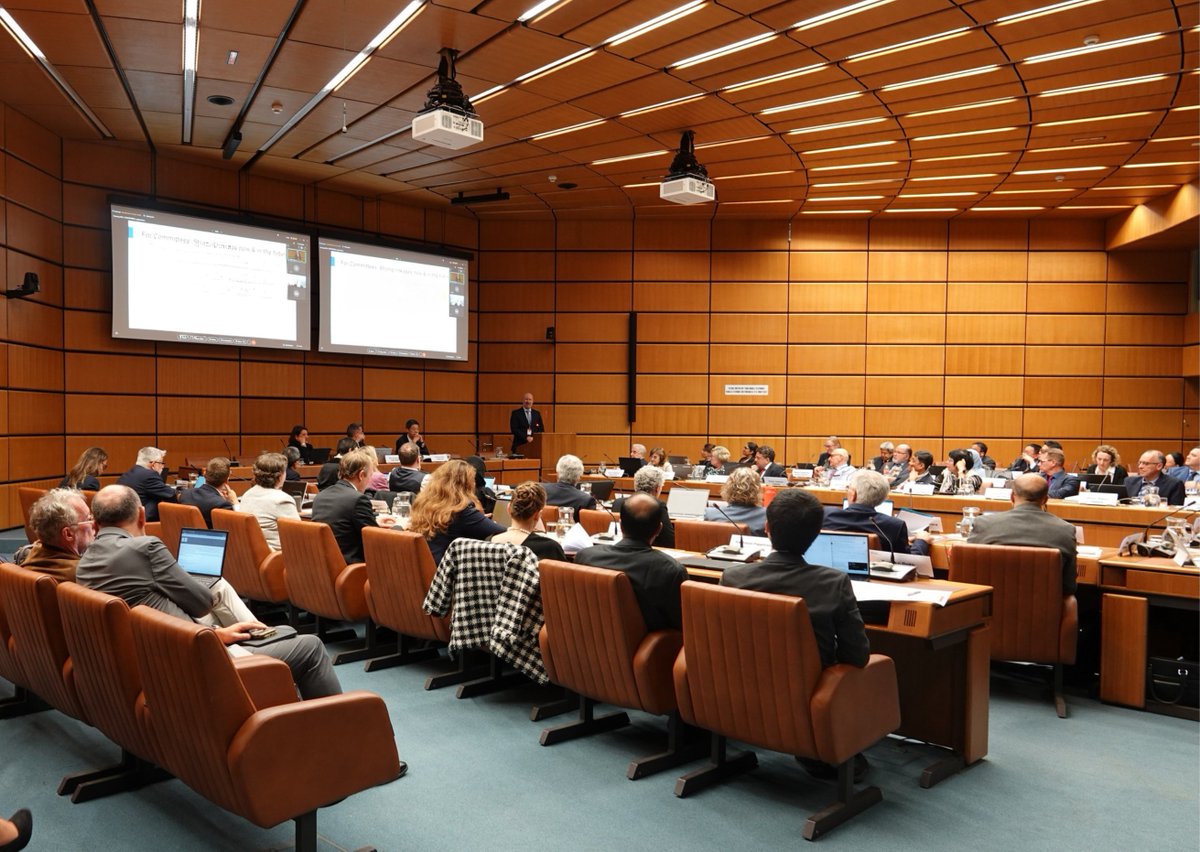
This week, the 60th session of the Commission on Safety Standards (CSS) was held in #Vienna 🇦🇹 @IAEAorg and the discussion focused on draft Safety Standards for finalization and publication, the approval of new projects for the revision of Standards, and the implementation of the long term plan for the Safety Standards, as well as topical issues such as fusion.
“Over the past three decades, the Commission has played a central role in the development of an integrated and internationally recognized Safety Standards framework” said Marc Kenzelmann, CSS Chair, in his opening address, adding that
“The 60th session provides an opportunity both to reflect on this legacy and to consider future priorities.”
Read more here: https://t.co/2K636uokIu
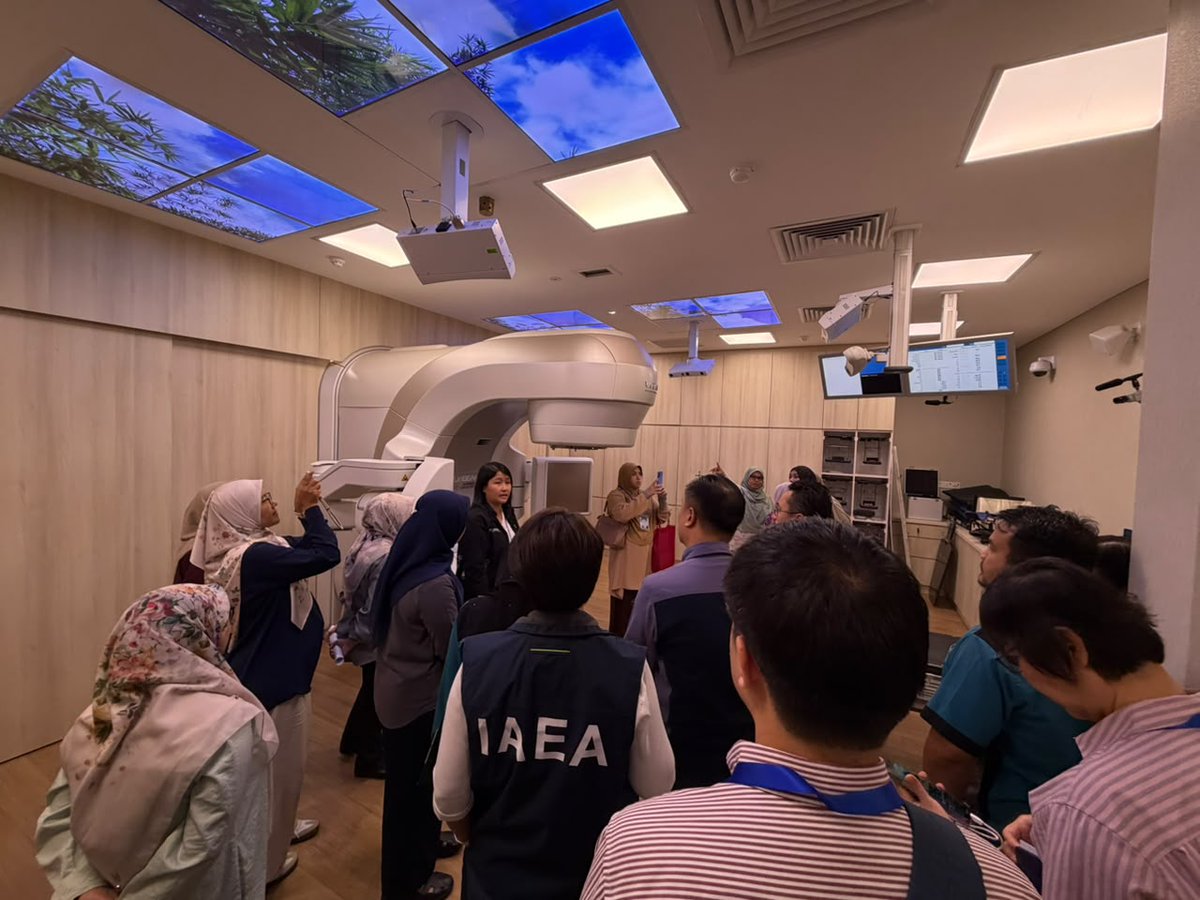
Organized under the framework of the IAEA’s Regulatory Infrastructure Development Project for Asia and the Pacific #RIDP, 17 participants from the Ministry of Health #Malaysia 🇲🇾 recently participated in an @IAEAorg practical training on regulatory oversight of radiotherapy practices, addressing both radiation safety and the security of radioactive material.
The course covered a broad range of technologies and techniques used in radiotherapy, combining lectures, case studies and practical exercises. “As radiotherapy technologies continue to evolve, effective oversight requires both technical knowledge and practical experience. This training helped participants strengthen their expertise in both areas,” said Merinda Volia, Radiation Safety Regulatory Infrastructure Specialist at the IAEA.
Reflecting on the practical value of the training, one of the participants, Nor Hisam Muhamad of the Medical Radiation Surveillance Division (MRSD), Ministry of Health Malaysia @KKMPutrajaya, noted: “I gained a better understanding of the practical aspects of regulatory control in radiotherapy. The case studies and discussions were particularly useful because they allowed me to relate the IAEA guidance to situations that we may encounter in our own regulatory work.”
More information about RIDPs is available here: https://t.co/FkkZ2Ed7hf
Nuclear security is essential for ensuring that countries can sustainably benefit from the peaceful uses of nuclear science and technology.
🌍 Explore the IAEA's Nuclear Security Review 2026 to learn about recent achievements and priorities in #NuclearSecurity, and how the IAEA is supporting countries in strengthening their national nuclear security regimes 👇
What are the latest developments and priorities of the IAEA #NuclearSecurity programme?
The IAEA’s Nuclear Security Review 2026 highlights activities implemented in 2025 to support countries in strengthening Nuclear Security, outlines key priorities, and reflects the international community’s continued commitment to securing facilities and materials against evolving threats.
Read the report: https://t.co/9xIVjxzVkk
Strengthening nuclear safety includes building on experience and understanding emerging challenges and priorities.
🌍 Explore the IAEA's Nuclear Safety Review 2026 for key insights into global developments and efforts to enhance nuclear safety worldwide. 👇
What were the key developments in nuclear safety over the past year?
The IAEA’s Nuclear Safety Review 2026 highlights major developments, emerging trends and priorities in nuclear, radiation, transport and waste safety, as well as emergency preparedness and response.
Explore the report: https://t.co/6TzqTut3hP
How can countries apply the graded approach to managing #radon exposure in workplaces?
Join the @IAEAorg webinar to learn about practical approaches to implementing systems of protection and safety for workers exposed to radon, including regulatory frameworks, workplace identification, dose assessment and #radiationprotection programmes.
📅 17 November 2026
⏰ 12:00–13:30 CET
Register here 👉 https://t.co/I6cWGKs4Ps
What has 30 years of the Convention on Nuclear Safety achieved?
Join experts from around the world on 23 October 2026 to explore the impact of the #CNS, the value of its peer review process, key milestones, lessons learned and its continued importance for global nuclear safety.
📅 23 Oct 2026 | 13:00-15:00 CEST
🔗 Register: https://t.co/e9Iwpym4et
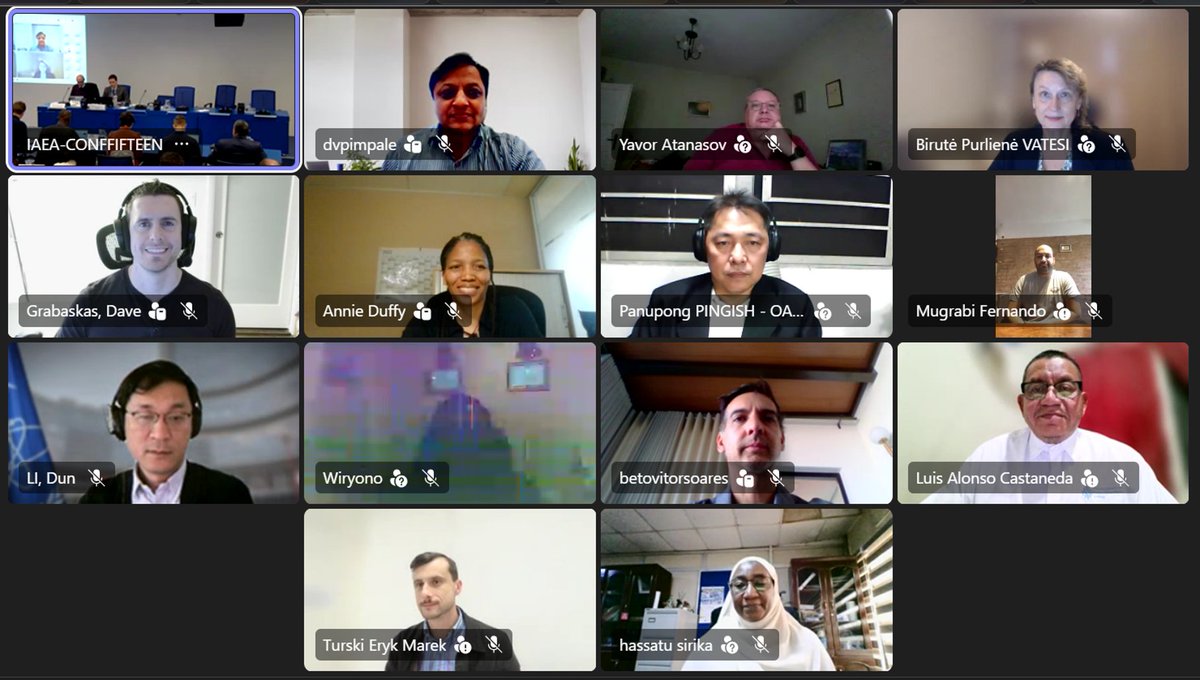
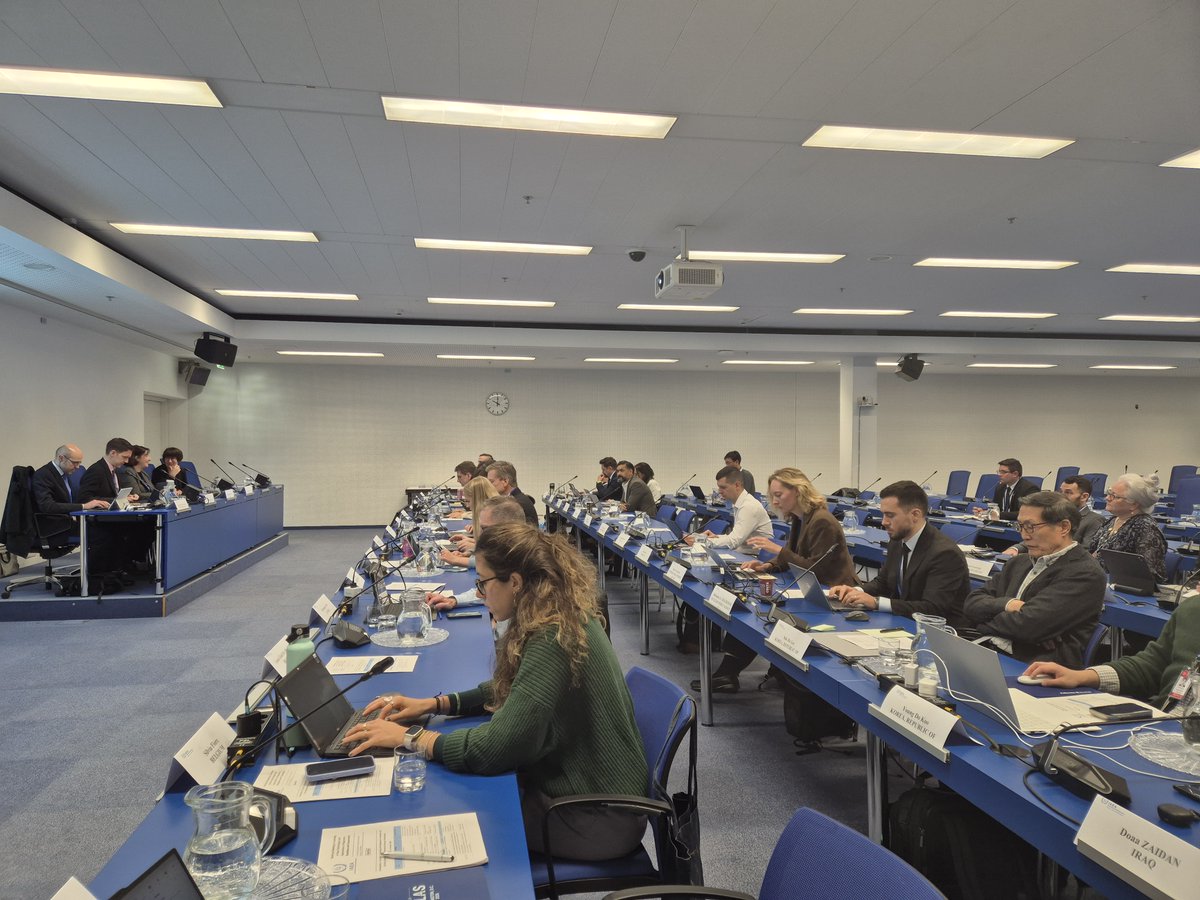
This week, @IAEAorg is hosting a Technical Meeting on Licensing of New Technologies and Approaches to Regulatory Readiness and Cooperation.
The event brings together over 70 experts from 43 Member States and the @OECD_NEA to share experiences and lessons learned on adapting regulatory frameworks and building readiness for advanced nuclear technologies and on regulatory reviews and cooperation.
The programme includes focus group discussions on the Global Framework for Advanced Reactor Reviews #GFARR draft Safety Report and proposed Integrated Regulatory Review Service #IRRS policy discussion on #SMRs, as well as an industry panel.
Read more: https://t.co/G9F6b5BTv0