Nuru is saying goodbye to Twitter but you can still connect with us online:
🔗 LinkedIn https://t.co/Hbv5uzzehI
🔗 Facebook https://t.co/MCabFKRJ6s
🔗 Instagram https://t.co/uZumpFeby3…
Stay updated about our work on our website: https://t.co/A06VVc7d13
Nuru supports local leaders in tackling unique challenges like crop failures, rainfall, and pests. Through farmer cooperatives, we drive climate adaptation for lasting change in highly vulnerable communities.
Investing in small-scale agriculture reduces poverty and increases countries' food production.
Nuru supports locally-led farmer organizations in delivering agricultural programs that are designed to increase household incomes and improve food security.
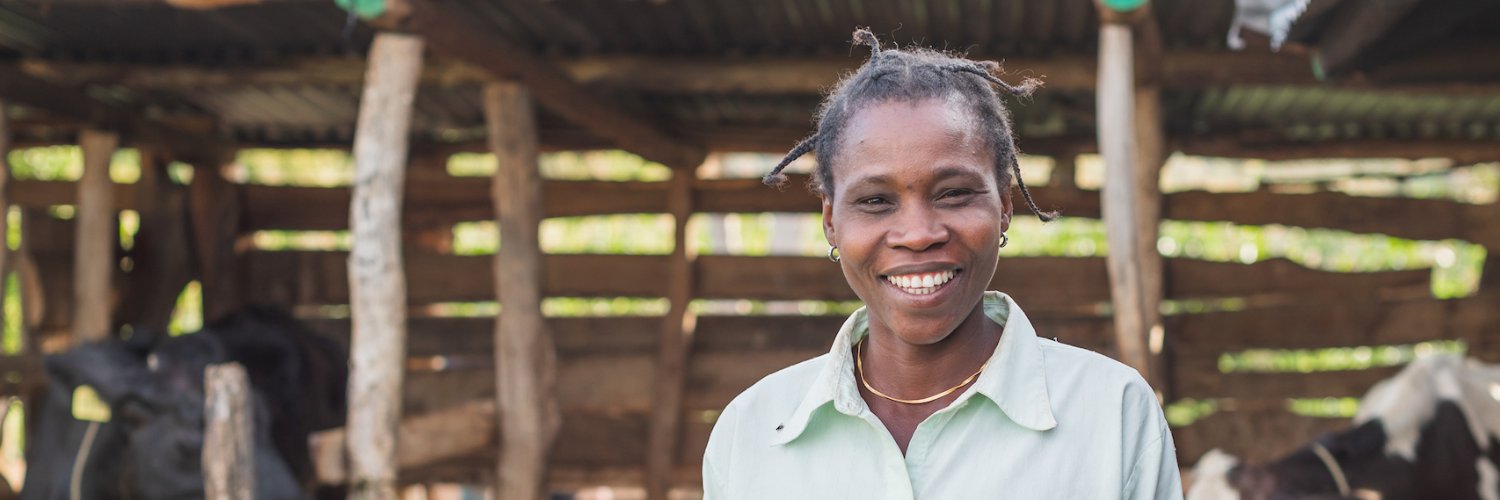
Through the Tisinya Farmers' Cooperative, Nuru Kenya provides members with capacity-building on best agronomic practices, dairy management, financial management, and climate-smart agriculture training.
https://t.co/Q7ohE58cZv
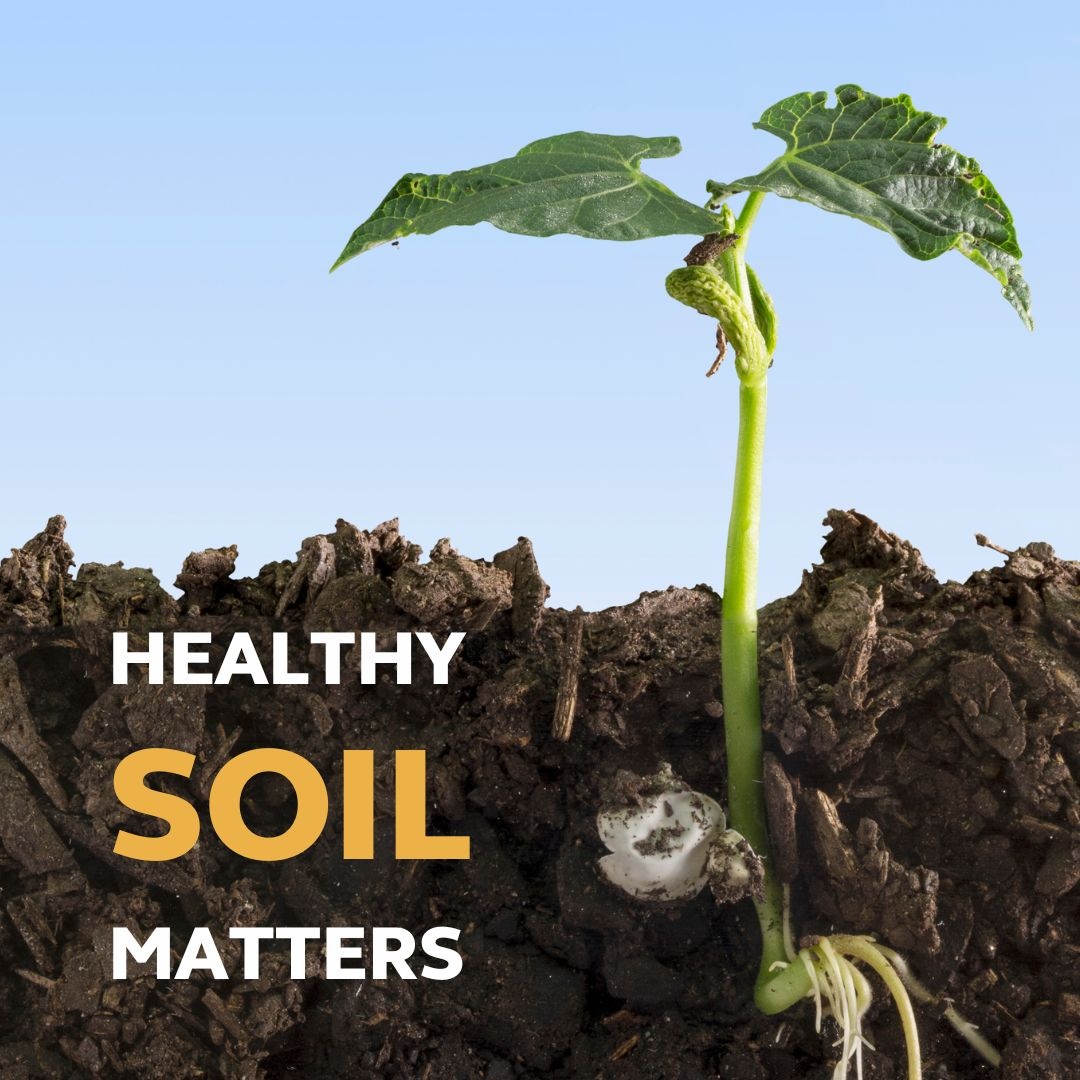
A lot can be gained from having healthy soil! Combating soil erosion could yield yearly benefits of $62.4 billion in nutrients like nitrogen, phosphorus, and potassium, says the @unep in a new report. 🌱 https://t.co/glxYzMD2Rg
Sub-Saharan Africa is highly vulnerable to climate change, yet most places in the region lack vital weather systems for disaster preparedness. To help farmers adapt to climate risks, Nuru has partnered with ignitia in Nigeria and Burkina Faso.
Read more: https://t.co/h8XiLsZ9cN
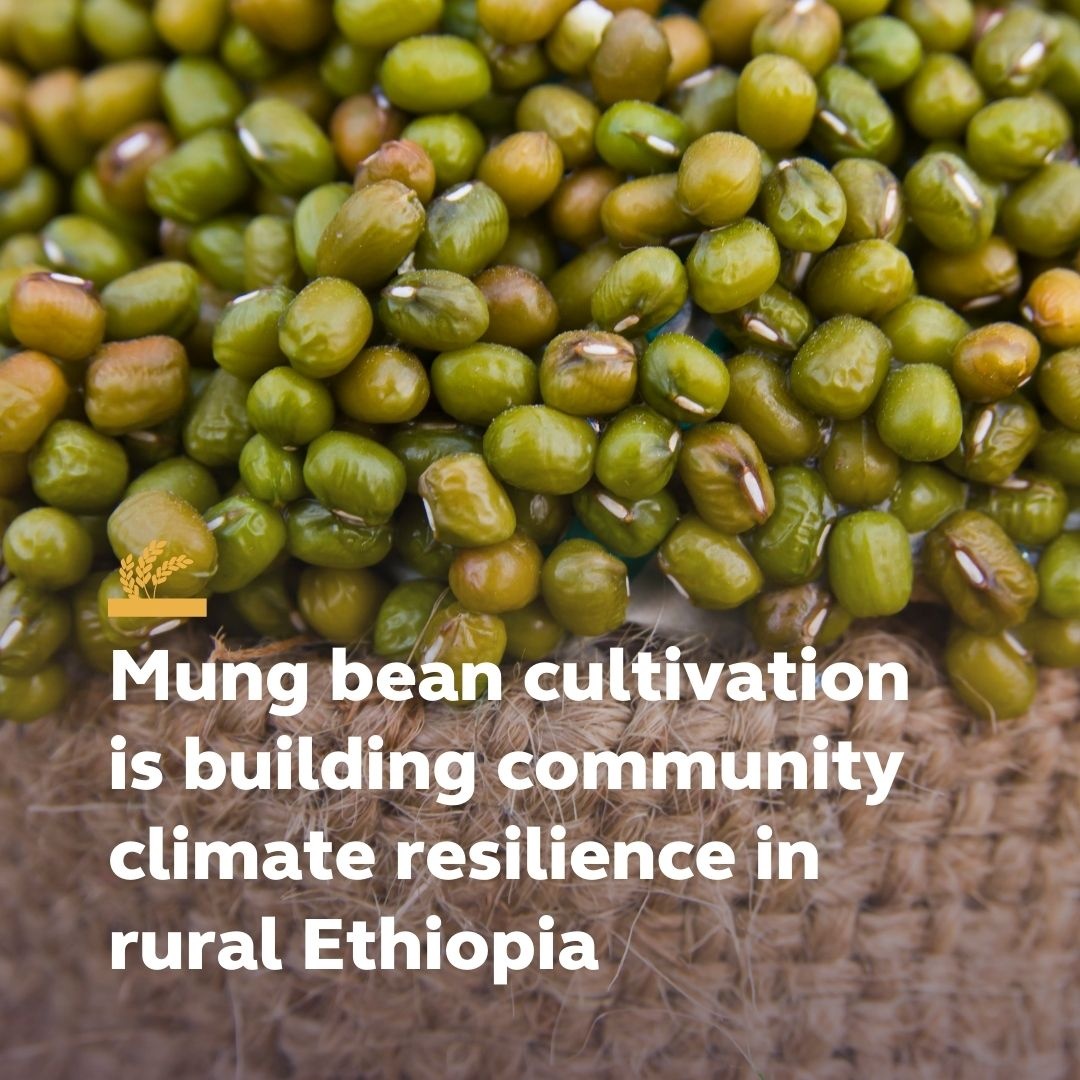
Nuru Nigeria is providing northeast Nigerian farmers with seeds through their farmer cooperatives, as part of its community climate strategy and in partnership with @GIZ .
https://t.co/N4eyr1Kiaq
The percentage of people living in extreme poverty in Africa may drop from 29% to 7% in 2030, according to a new study by the Centre for Global Development.
https://t.co/gXEHxa4FuN
Nuru Nigeria, in partnership with @GIZ, is proud to announce the successful distribution of 2,500 ewes and 250 rams as part of its gender-transformative strategy to provide smallholder farmers resources for a pathway out of poverty.
https://t.co/l526zIdkgj
Appolinaire Djikeng, Director General of the International Livestock Research Institute, notes an inclination to overstate livestock's negative impact in Africa and downplay its potential for nutrition, livelihoods, and biodiversity.
https://t.co/1sCKKW3Bx4
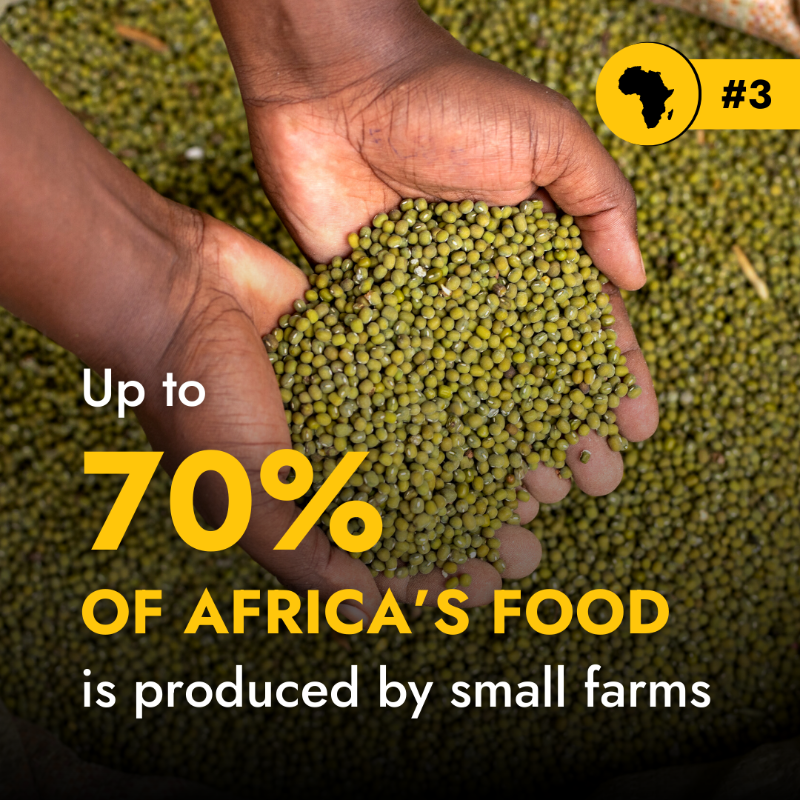
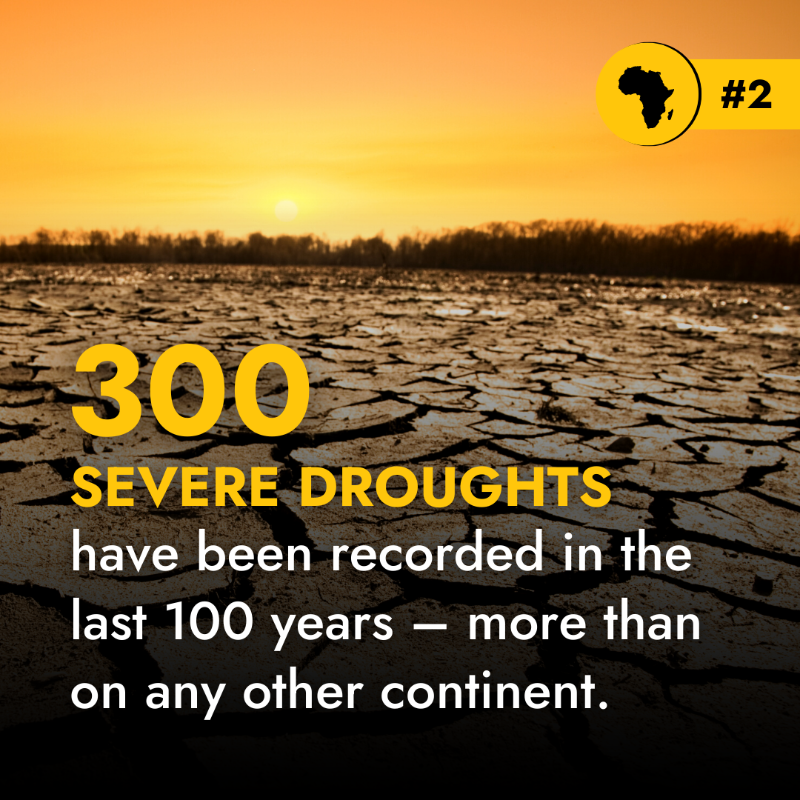
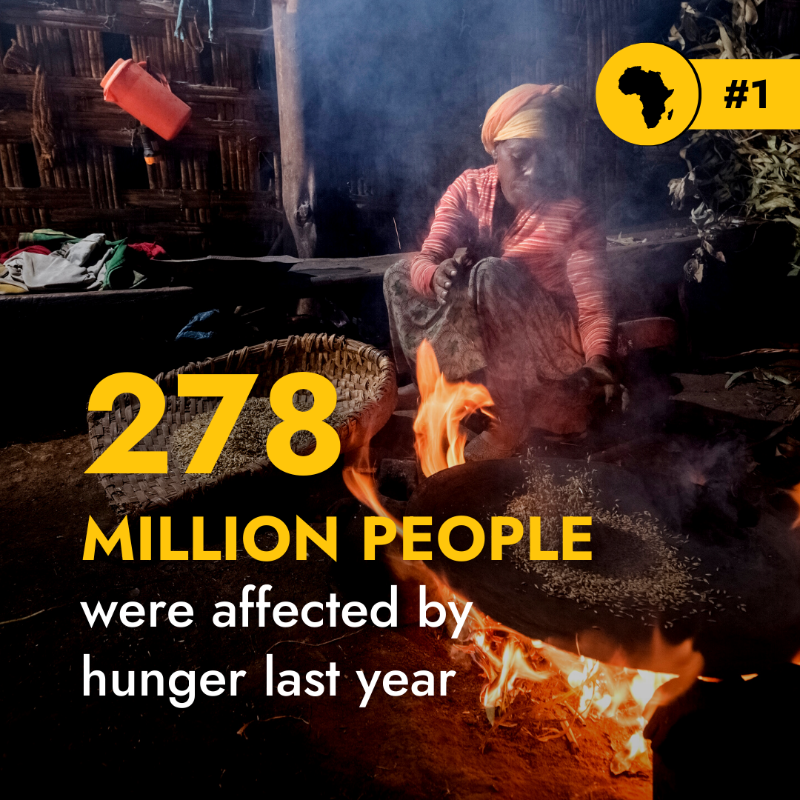
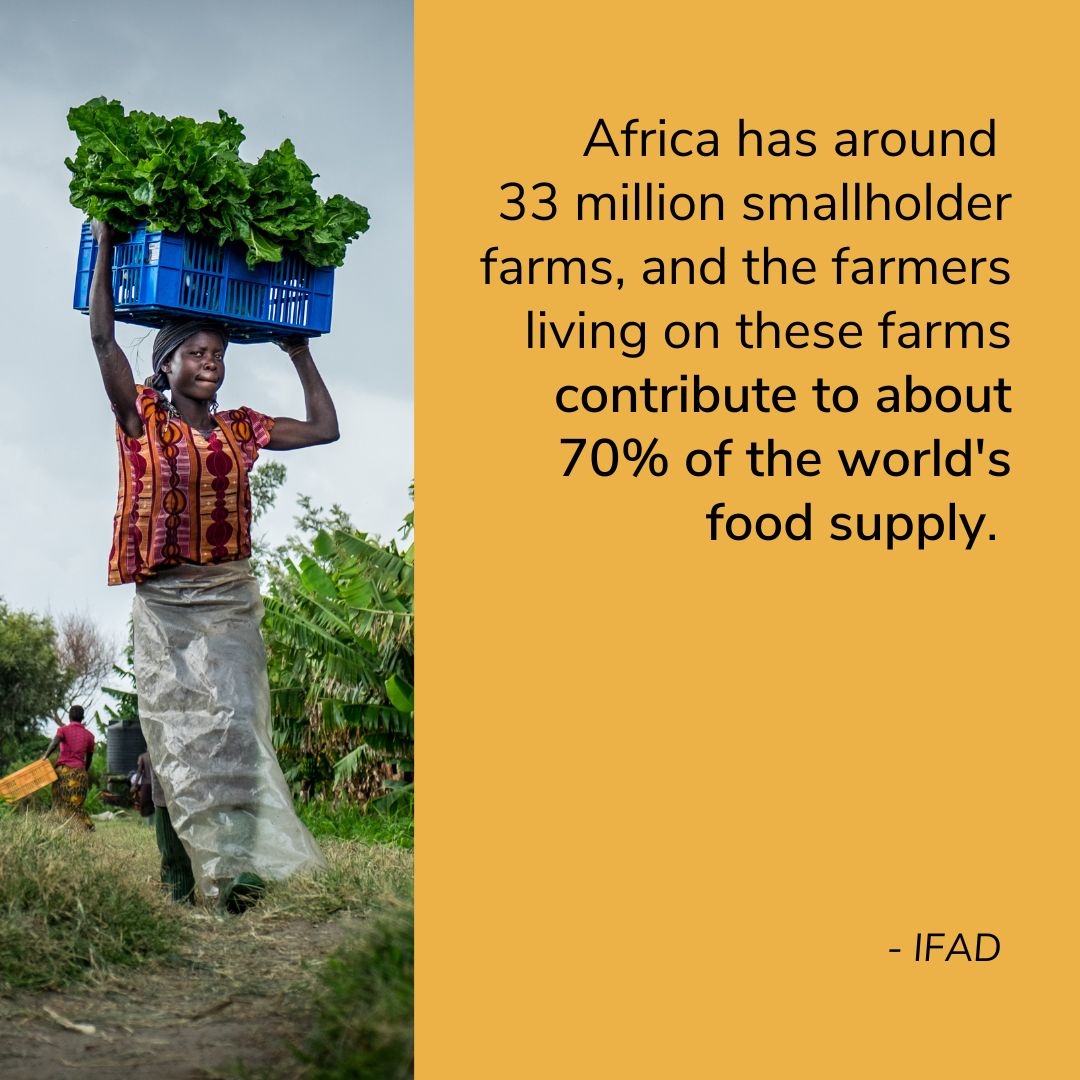
Small-scale farmers in Africa have the potential to feed the world, but unequal global dynamics are holding them back.
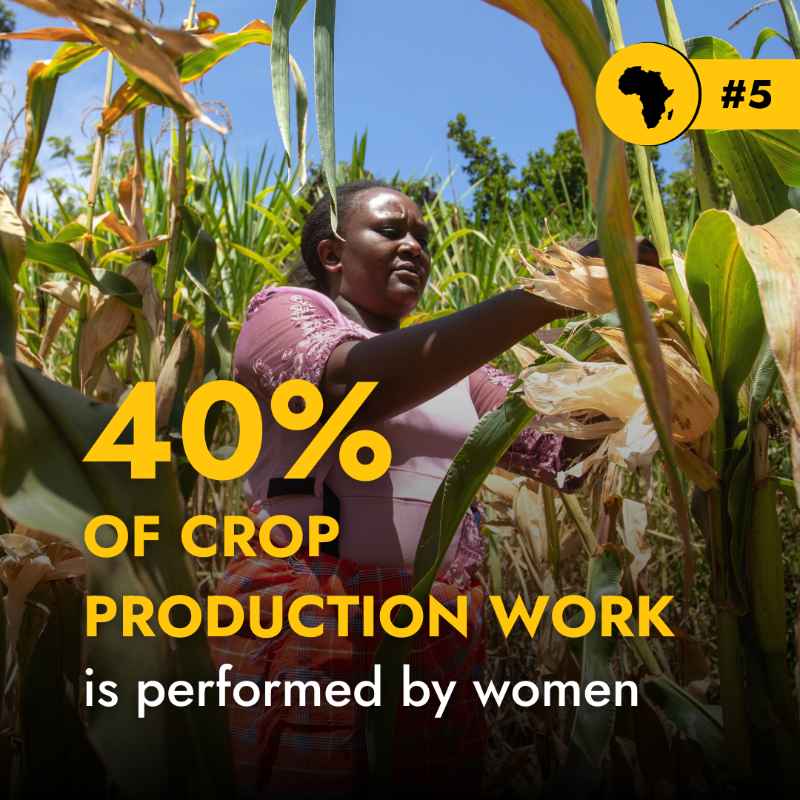
These 👇5️⃣ numbers show how transforming African agriculture can make a BIG difference.
#AfricaFoodSystemsForum2023 | @TheAGRSmall-scale farmers in Africa have the potential to feed the world, but unequal global dynamics are holding them back.
These 👇5️⃣ numbers show how transforming African agriculture can make a BIG difference.
#AfricaFoodSystemsForum2023 | @TheAGRSmall-scale farmers in Africa have the potential to feed the world, but unequal global dynamics are holding them back.
These 👇5️⃣ numbers show how transforming African agriculture can make a BIG difference.
#AfricaFoodSystemsForum2023 | @TheAGRSmall-scale farmers in Africa have the potential to feed the world, but unequal global dynamics are holding them back.
These 👇5️⃣ numbers show how transforming African agriculture can make a BIG difference.
#AfricaFoodSystemsForum2023 | @TheAGRSmall-scale farmers in Africa have the potential to feed the world, but unequal global dynamics are holding them back.
These 👇5️⃣ numbers show how transforming African agriculture can make a BIG difference.
#AfricaFoodSystemsForum2023 | @TheAGRSmall-scale farmers in Africa have the potential to feed the world, but unequal global dynamics are holding them back.
These 👇5️⃣ numbers show how transforming African agriculture can make a BIG difference.
#AfricaFoodSystemsForum2023 | @TheAGRF
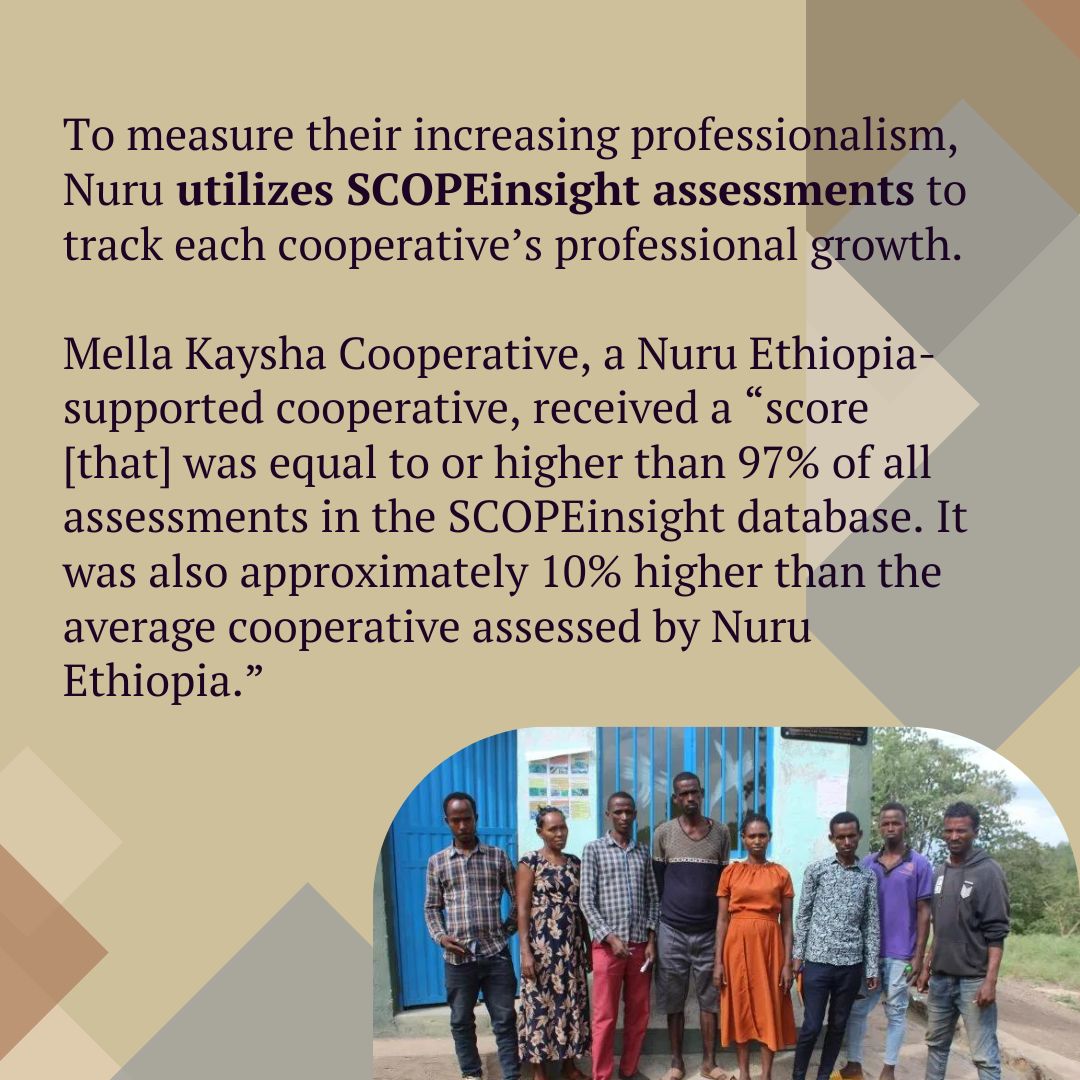
Building climate resilience also involves transforming rural economies through professional farmer organizations. These locally-led farmer cooperatives help vulnerable communities adapt to unforeseen challenges. https://t.co/Qfdr7PVm5c
Investing in sustainable agriculture in Africa has a huge potential for growth as it currently contributes around 17% to sub-Saharan Africa's GDP.
More details in a newly released report by @unep:
https://t.co/Ph2zjTftmz
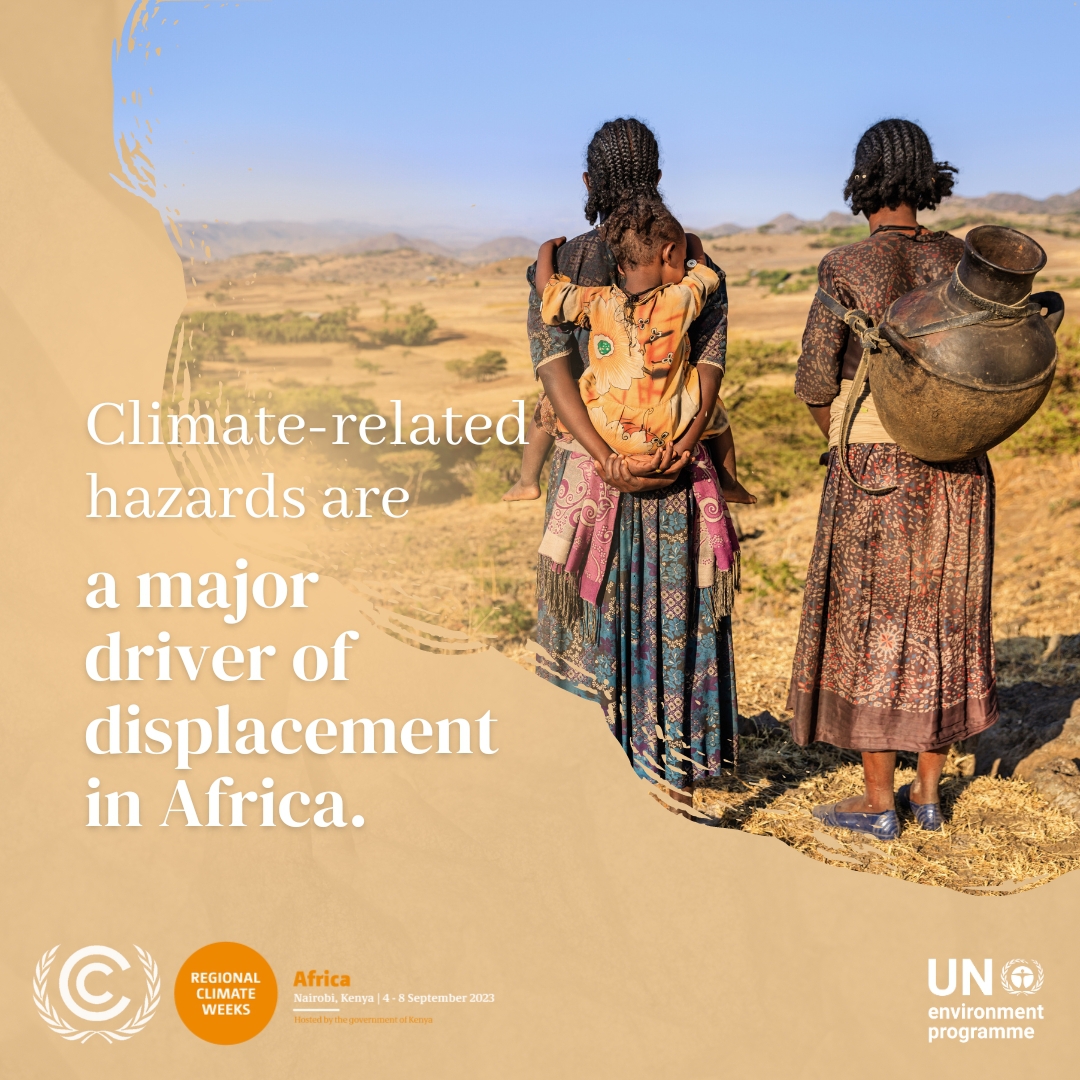
Although Africa contributes only 2-3% of global greenhouse gas emissions, it disproportionately suffers from climate change.
Intensified extreme weather events are forcing people to flee their homes.
We increase farmers' profitability and professionalization, moving them from subsistence to business farming.
Read more about our work here: https://t.co/eqGwMSEClM
Prioritizing the rights of women and girls will help address food insecurity.
Letting them take leadership and decision-making roles will benefit families, communities, and economies.
Climate-smart agriculture can help reduce #GHG emissions and improve resilience 🌱
But what is climate-smart agriculture? And how can it help #farmers increase productivity sustainably? 🤔
Find out 👇
https://t.co/vv6wcIejzK
#ClimateChange | #ClimateAction
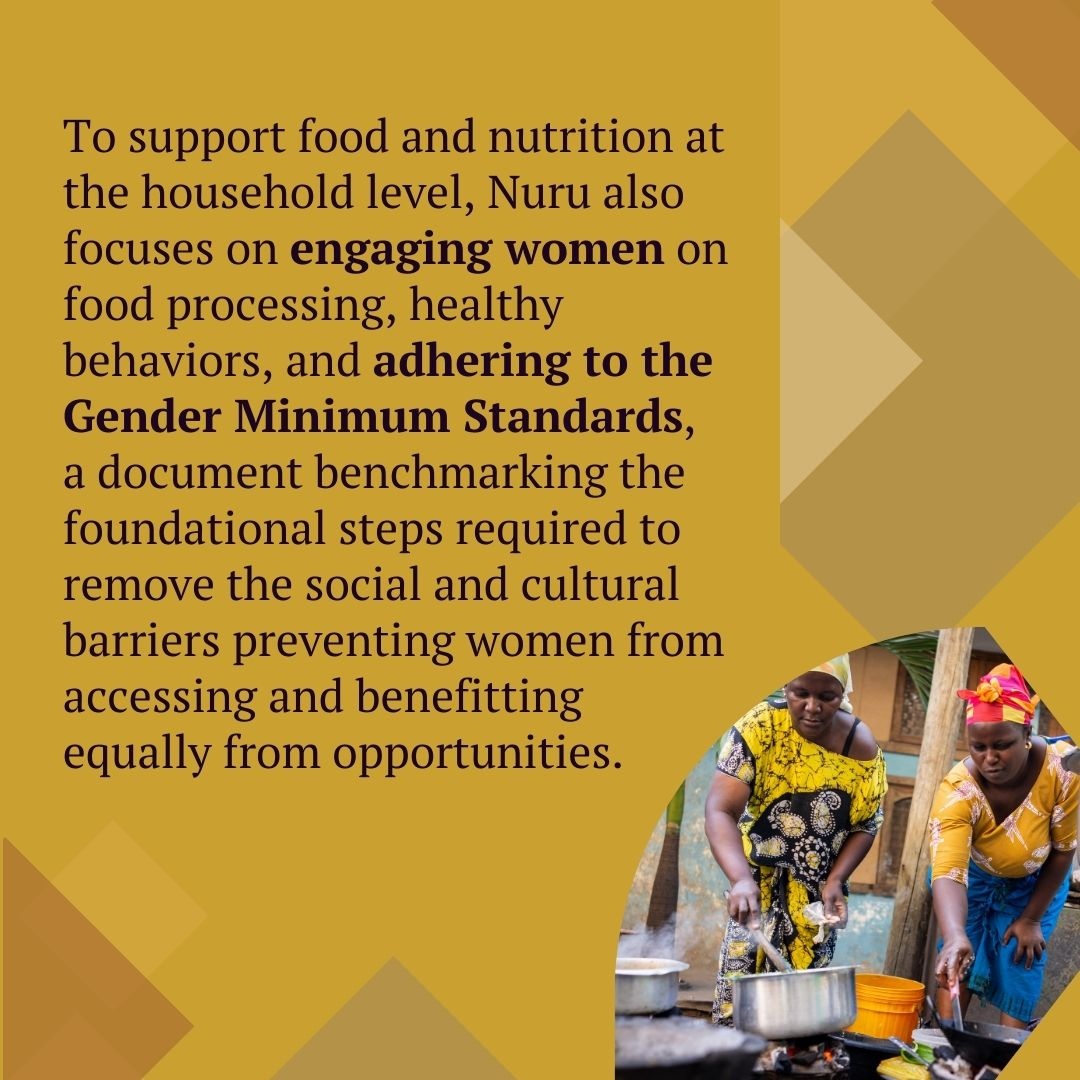
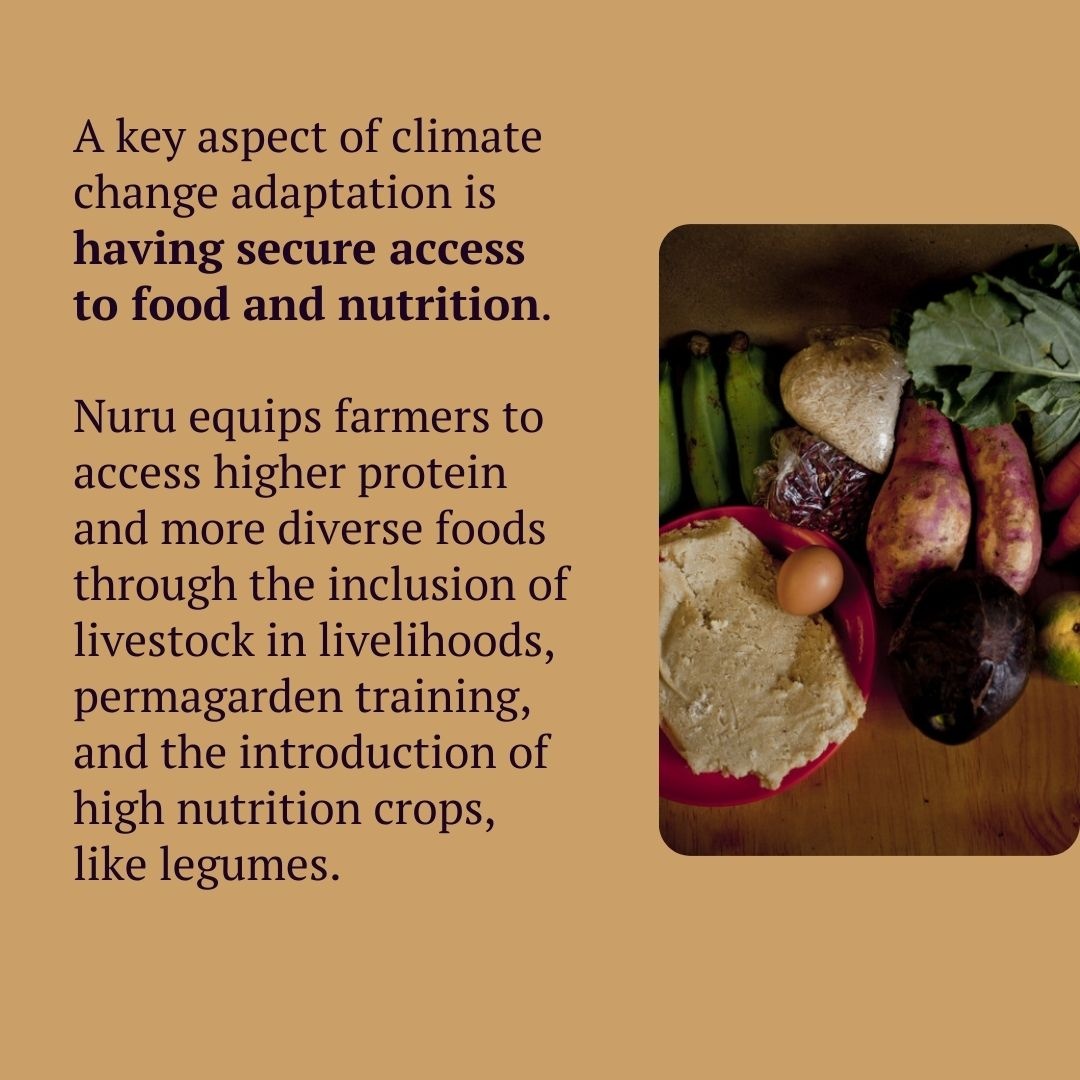
Access to food and nutrition is an important aspect of climate change adaptation. In the third part of our series on climate resilience, we talk about how Nuru enables smallholder farmers to access higher-protein and more diverse foods. 🍽️🌾 https://t.co/rYBSJsnL14