As #ShangriLaDialogue concludes, one message remains clear: humanity must remain at the center of regional security discussions. The conversation continues through the Global Initiative to strengthen political commitment to IHL and respect for the rules of war.
#IISS_SLD26
Even as conflicts multiply and new technologies reshape the battlefield, the rules of war still apply to all parties to conflicts.
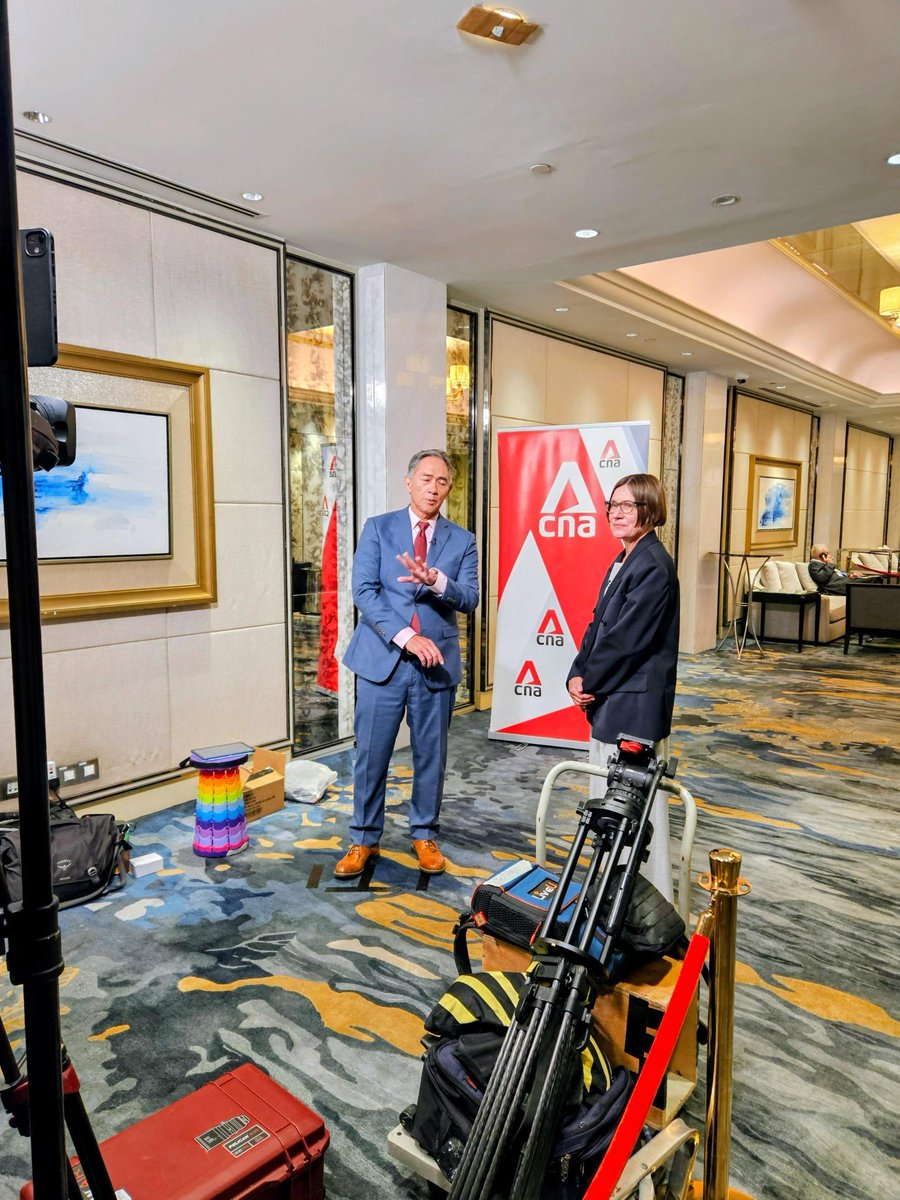
Mirjana Spoljaric, ICRC president, shared more with Arnold Gay from @ChannelNewsAsia at the Shangri-La Dialogue #IISS_SLD26 👇🏽
In her recent interview with @ChannelNewsAsia , ICRC President Mirjana Spoljaric emphasizes: ‘Every peace agreement begins with humanitarian steps.’
Her call for action continues to resonate at the #ShangriLaDialogue.
#IISS_SLD26@IISS_org
On the sidelines of the Shangri-La Dialogue in Singapore,@ICRCPresident Mirjana Spoljaric and Regional Director @SaviozR met with @SGRedCross leadership to discuss humanitarian cooperation amid evolving regional challenges.
#IISS_SLD26
Why does the ICRC join the #ShangriLaDialogue?
Because the challenge today is not the lack of IHL rules — but respect for them.
Through the Global IHL Initiative, the ICRC calls for stronger commitment to protect humanity in conflict.
#SLD2026#SLD26#IISS_SLD26@IISS_org
From rising tensions to new military tech, war’s human cost keeps growing. At the #ShangriLaDialogue, the ICRC will spotlight the Global IHL Initiative (https://t.co/d1QJLVWxhi) to uphold humanity in war. #IISS_SLD26@IISS_org
https://t.co/lj14RFlihm
As security challenges evolve across the Asia-Pacific, humanity must remain a priority.
@ICRCPresident Mirjana Spoljaric will join the #ShangriLaDialogue in Singapore to discuss why respect for IHL matters for regional stability and civilian protection.
#IISS_SLD26@IISS_org
Technology may assist decisions in war — but it should never replace humanity.
Under IHL, the use of force must remain under human command.
As warfare becomes more automated, protecting our shared humanity matters more than ever.
Watch the full video: https://t.co/zZlLZm4Fyn
The first shot might not be a bullet.
Perhaps, it's a computer code.
As technology reshapes conflict, the line between human judgment and machine command grows thinner.
Explore how IHL, forged in a different era, can still protect us:https://t.co/r403TFAiHy
As warfare evolves, so must our response. From AI to cyberattacks and autonomous weapons, new technologies are reshaping conflict—and raising urgent humanitarian challenges today, not tomorrow.
Watch the video: https://t.co/fjVcIcDdMg
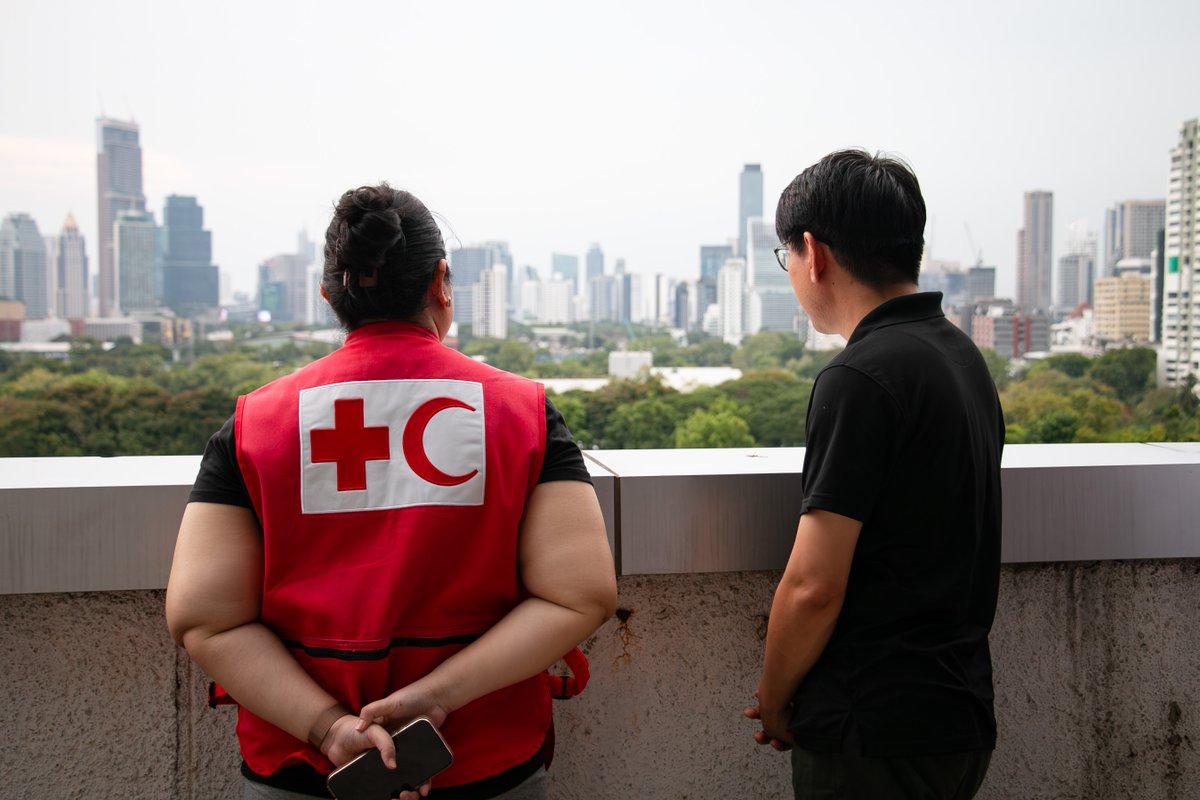
Happy World Red Cross and Red Crescent Day
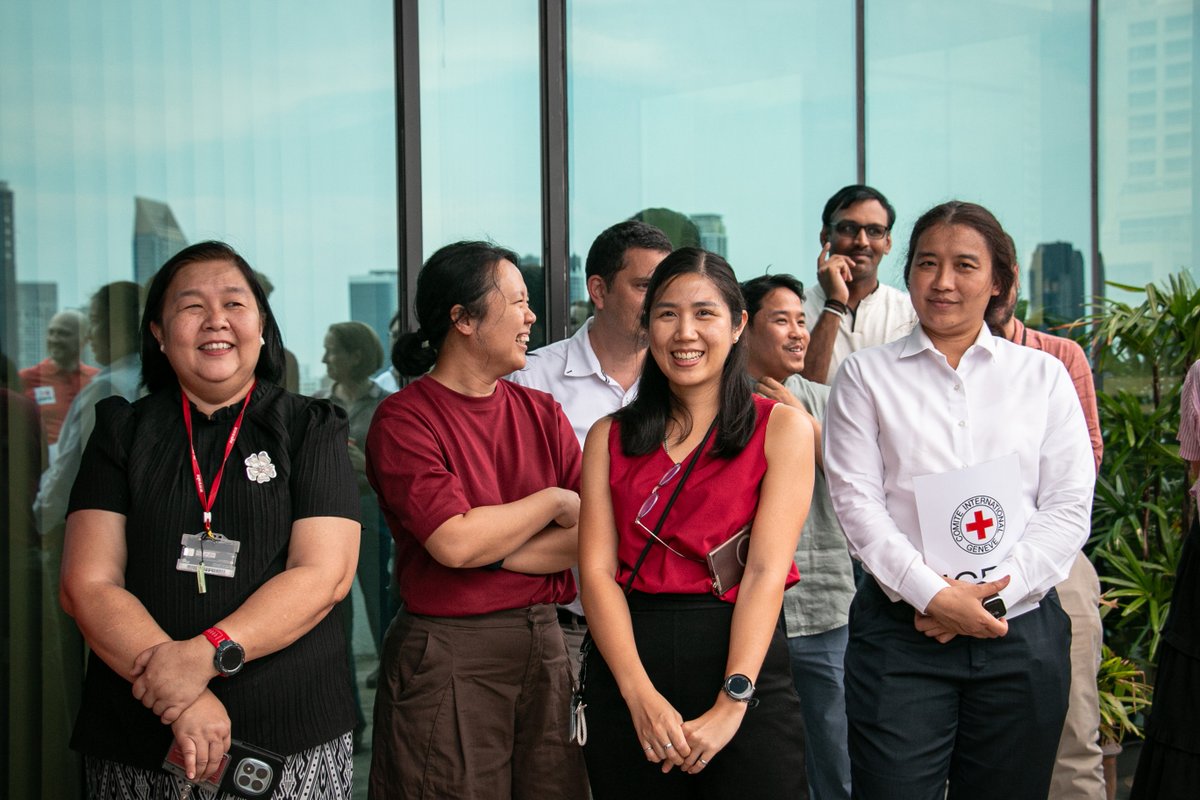
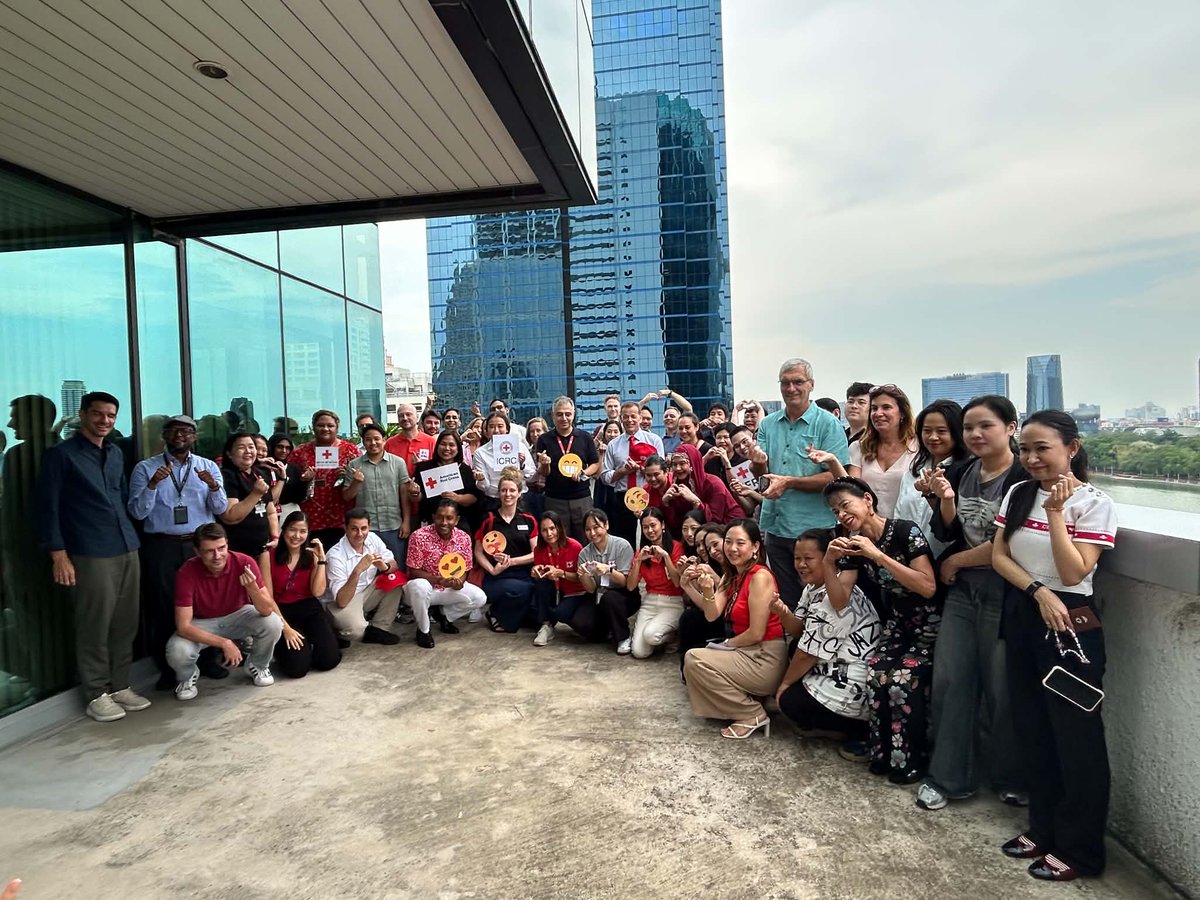
Last week in Bangkok, we celebrated with colleagues from across the Movement @IFRCAsiaPacific@ThaiRedCross@RedCross, honoring the birthday of our founder, Henri Dunant, and the spirit of humanity that unites us all. #UnitedInHumanity
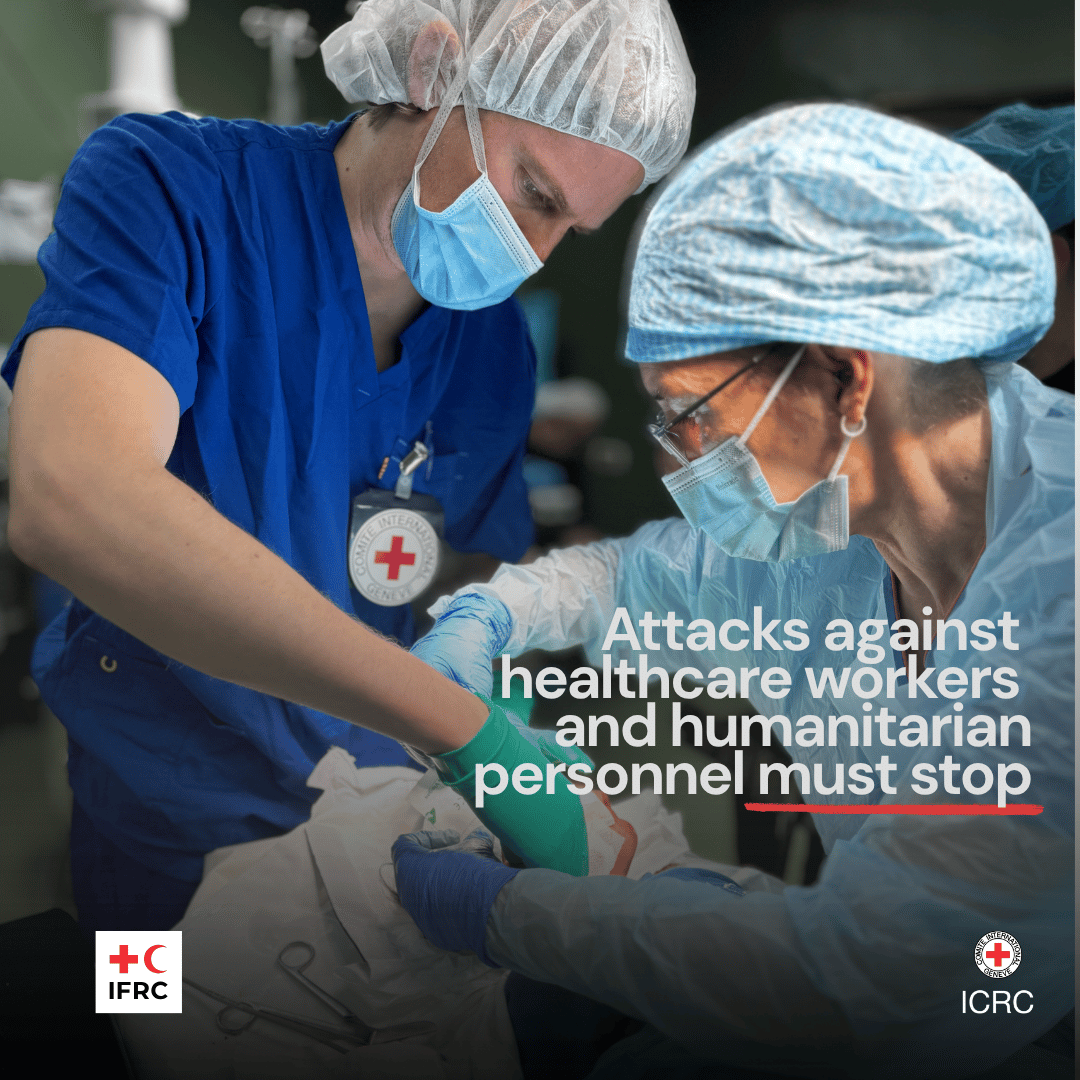
In places affected by conflict, violence against those providing care and assistance has deeply affected the Red Cross and Red Crescent Movement, including National Societies, whose volunteers and community health workers are often on the front lines of response.
Medical and humanitarian personnel are protected under different rules of international humanitarian law, but both must be respected and protected at all times. They must not be attacked, threatened, or obstructed from carrying out their work.
States and parties to conflict have the power and the responsibility to prevent such acts and ensure respect for their obligations under international humanitarian law (IHL).
In Afghanistan, humanitarian aid is finally reaching Nuristan after weeks of isolation. Thousands in Kamdesh and Barg-e-Matal urgently need food, healthcare, and basic supplies—continued safe access is critical to save lives.
https://t.co/Y6rZjcsJGd
On Mine Awareness Day, we recognize the impact of the Ottawa Treaty.
Since 1999:
• 94 states destroyed 55M+ stockpiled mines
• Mine use has declined worldwide
Global cooperation saves lives. The humanitarian norm must be protected.
#MineAwarenessDay
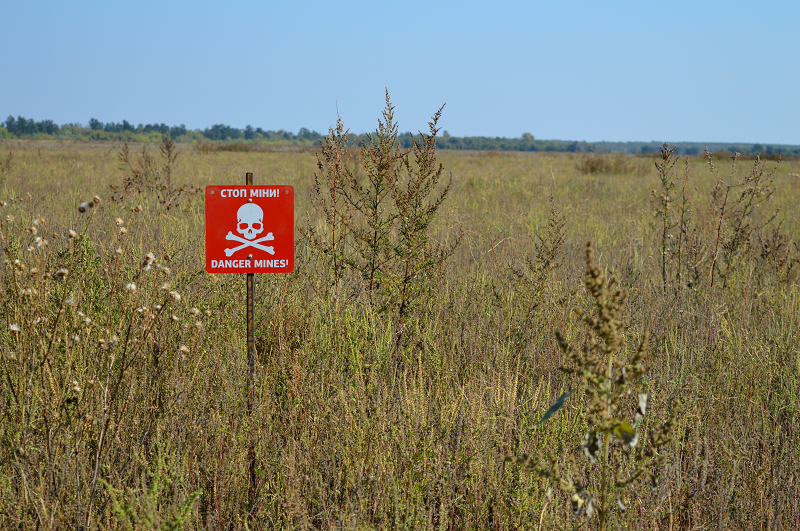
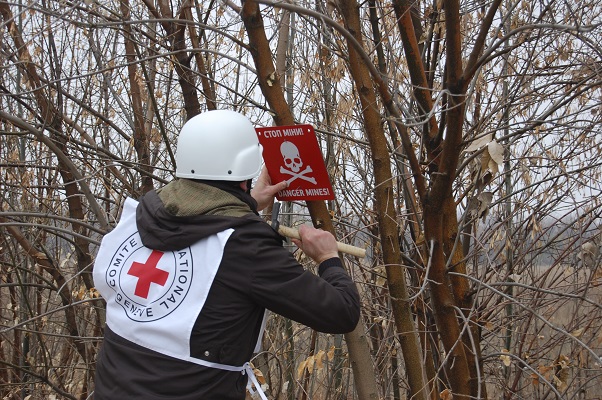
War may end, but hidden explosives remain.
Landmines & explosive remnants of war still contaminate 52 countries, turning everyday life into danger.
On 4 April – #MineAwarenessDay, we highlight why prevention and protection matter.
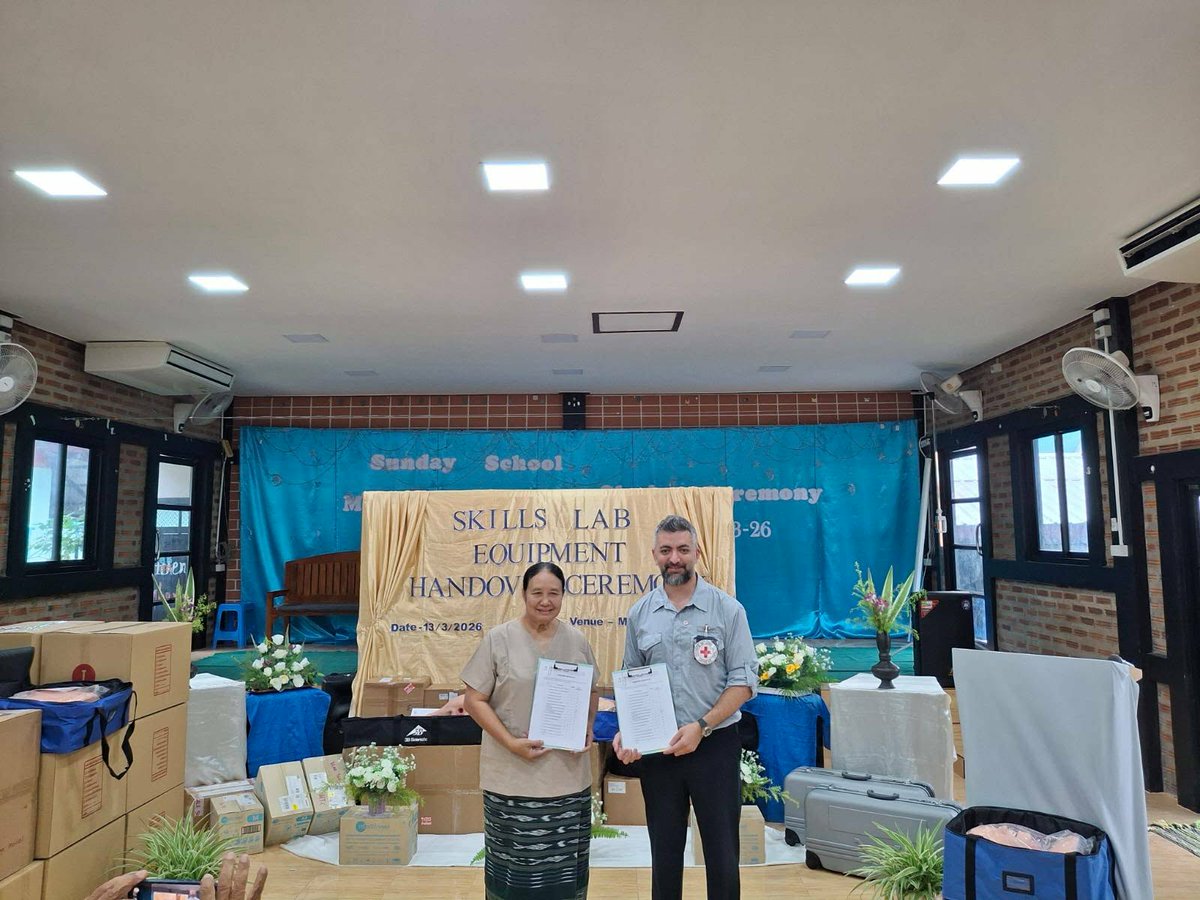
ICRC donated training manikins/materials to the Mae Tao Clinic in Tak province 🇹🇭, marking a key milestone in prehospital care collaboration. Over two years, clinic staff have participated in ICRC trainings to strengthen local capacity and develop a new generation of trainers.
ICRC and the Third Army Area, Royal Thai Army, held a seminar in Chiang Mai on IHL–IHRL in security operations. Grateful for the strong partnership that brought together operational officers, military police, and judges—looking forward to continued cooperation.
📷Third Army Area
The ICRC’s Bangkok Regional Delegation continues its humanitarian work in 2025—responding to conflict-related needs, supporting rehabilitation, strengthening emergency response, and promoting IHL with partners across the region. Explore key activities: https://t.co/kJUrTuhHcM
The ICRC proudly supports cadets from CRMA and NKRAFA as they head to Sanremo 🇮🇹 for the Law of Armed Conflict Competition 🌍⚖️
This year marks Thailand’s first participation from the Air Force Academy—expanding the next generation of military leaders 🇹🇭✈️
The consequences of urban warfare cannot easily be reversed.
Under international humanitarian law, parties to conflict must take all feasible precautions to protect civilians and civilian infrastructure.