📰New paper: ethics of shorter antibiotic courses
Antibiotic course length has been dictated by two questionable ideas:
1⃣ longer courses ➡️ better cure rates
2⃣longer courses ➡️ less drug resistance
Commentaries on our ethics paper are welcome👇
https://t.co/Ggbd2Zyw2R
Job alert-Researcher in Ethics & Infectious Disease.
Work as part of the Oxford–Johns Hopkins Global Infectious Disease Ethics Collaborative(GLIDE) & Pandemic Sciences Institute researching ethical issues in infectious disease & pandemics.
Closing 30th Oct
https://t.co/OVD2Pm9gXQ
What are your favourite papers / trials on duration of antibiotics in febrile neutropaenia?
(For a talk about the ethics of shorter courses of antibiotics for this patient group - thanks in advance!)
@VPrasadMDMPH@Timothee_MD@Eddie_Cliff@ABsteward@BradSpellberg
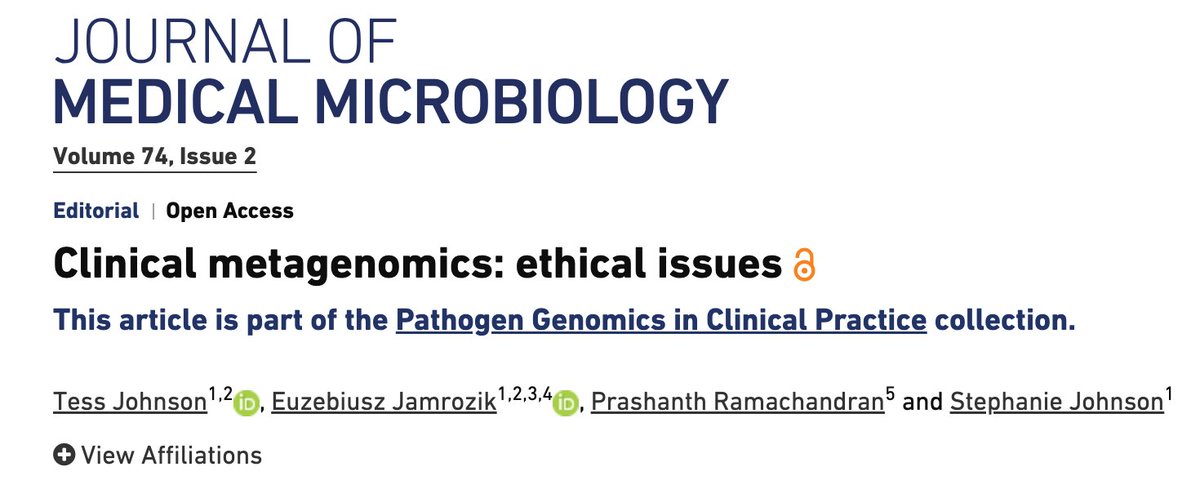
New paper out! Raising ethical questions with uses of metagenomics for diagnosis. @ID_ethics@Ethox_Centre@PSIOxford Read it at: https://t.co/p6DeJA3UOX
@ID_ethics and I on herd immunity to endemic diseases like covid-19:
"..a large number of infectious diseases continue to circulate[.] It would be a mistake, however, to confuse the lack of elimination for the idea that herd immunity does not occur[.]"
https://t.co/IOBwmZ3qM3
Notable development on the Long Covid front: consistent with previous studies, a randomized trial in @bmj_latest found that an exercise-based physical & mental health rehabilitation program improved outcomes for those with Long COVID. https://t.co/EFuebeWqa0
Hawking was wrong: Philosophy is not dead, and it has kept up with modern science | By @danwilliamsphil
Some recommendations for those interested in learning about the philosophy of science. https://t.co/WR8zVETULM
Two false dogmas of clinical infectious diseases:
"1⃣traditional durations of antimicrobial therapy and
2⃣the necessity of intravenous (IV) antibiotics
These dogmas based on uncontrolled case series from >50 years ago, amplified by the opinions of eminent experts"
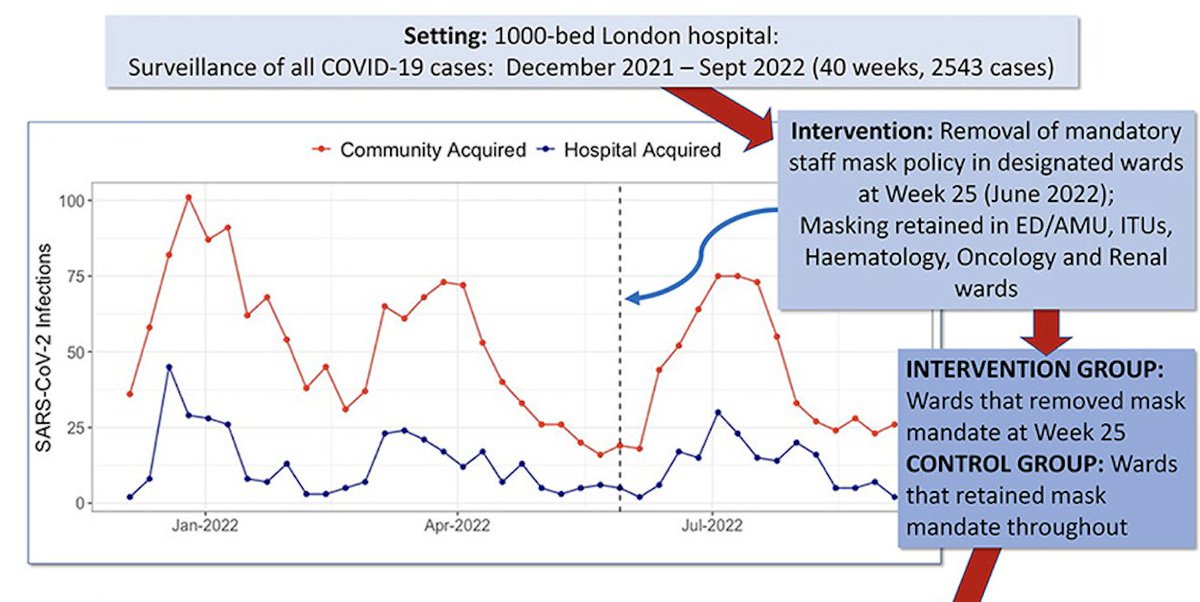
😷🏥What is the effect of stopping hospital mask mandates?
"Using a robust quasi-experimental approach, we found no evidence that removal of a staff/visitor mask-wearing policy had a significant effect on the rate of hospital-acquired SARS-CoV-2"
https://t.co/kKw1rnUDFO
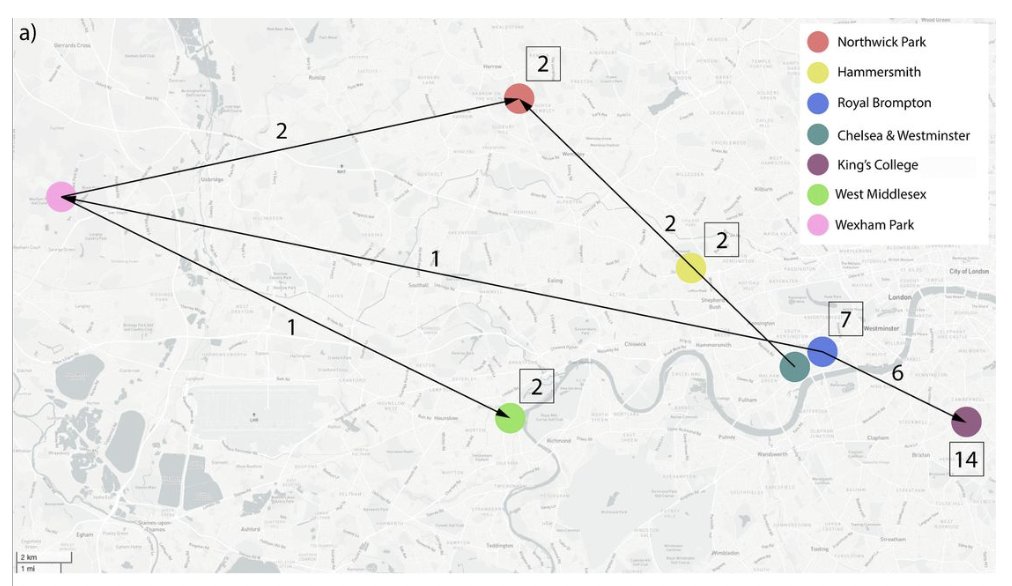
Candida auris: a high risk fungal pathogen
This genomic study (pre-print) tracks introduction & spread of C. auris in & between UK hospitals
➡️# on arrows = between hospital transmissions
⏹️# in squares = in-hospital transmissions
https://t.co/1xtpQ8LirF
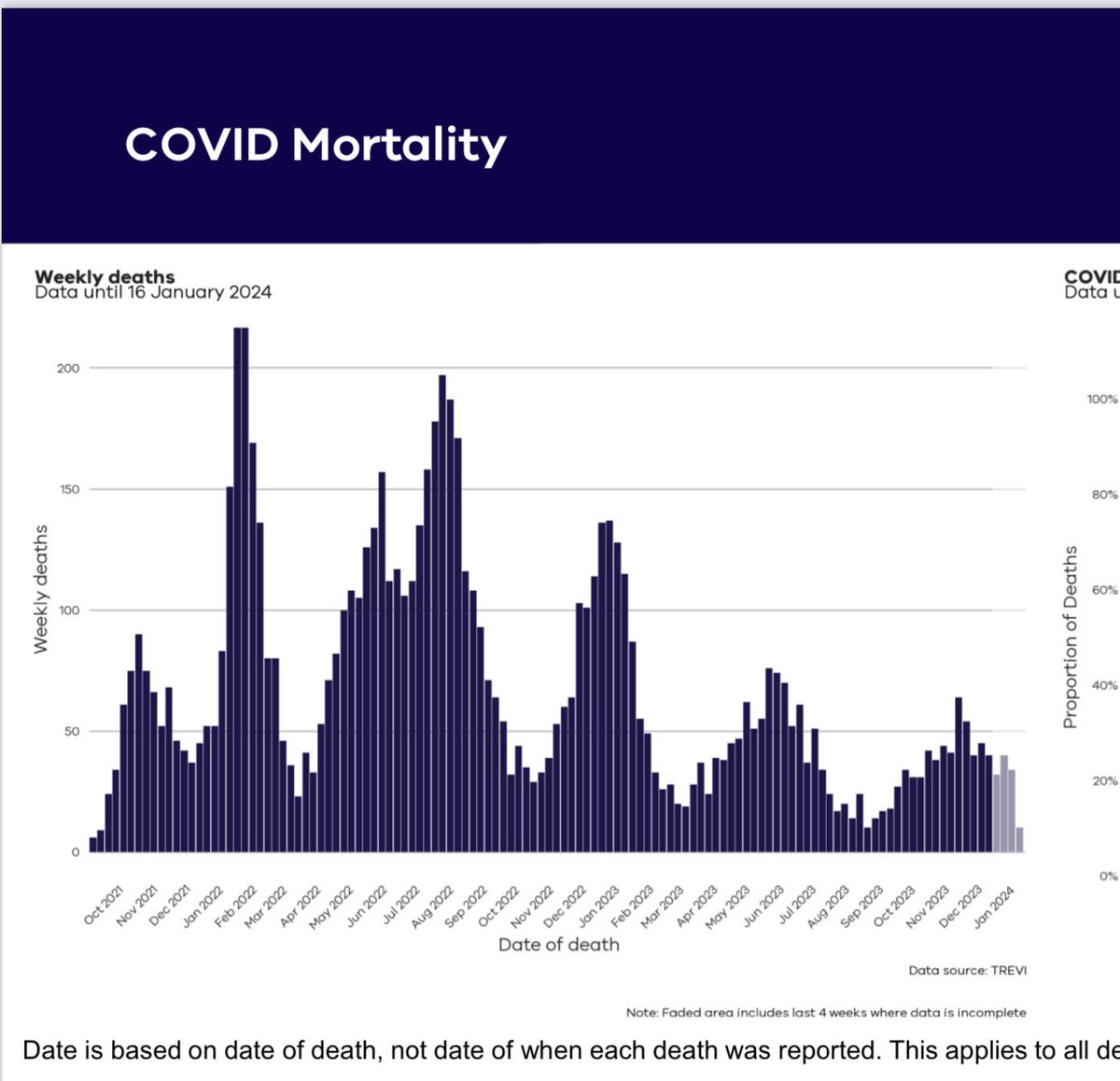
Many people still think that children and schools are the major factor in the spread of Covid.
This is from Victoria Health, showing deaths (and the effect of Covid waves there).
What you can’t see is any obvious relationship to children returning to school after holiday breaks.
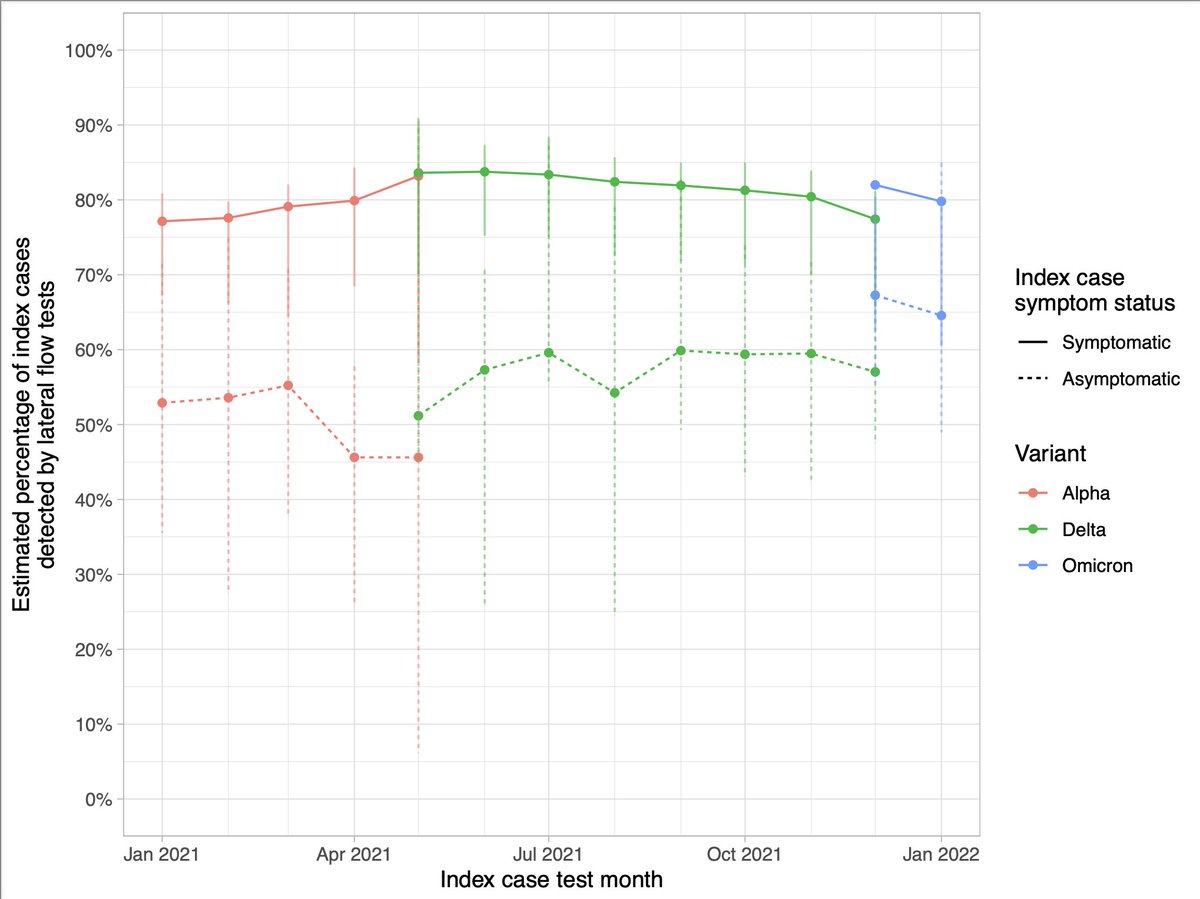
Has performance of COVID lateral flow tests changed over time, variants & vaccination roll-out? Short answer: they consistently pick up most infections, particularly those that transmit, but work best in people with symptoms & higher amounts of virus, see https://t.co/W54RLHIQVe
Scientists took one of my favourite videos of all time, featuring Kurt Vonnegut explore "the shapes of stories",
and turned it into a paper analysing the shape of >1000 stories
https://t.co/5sWhYEq06b
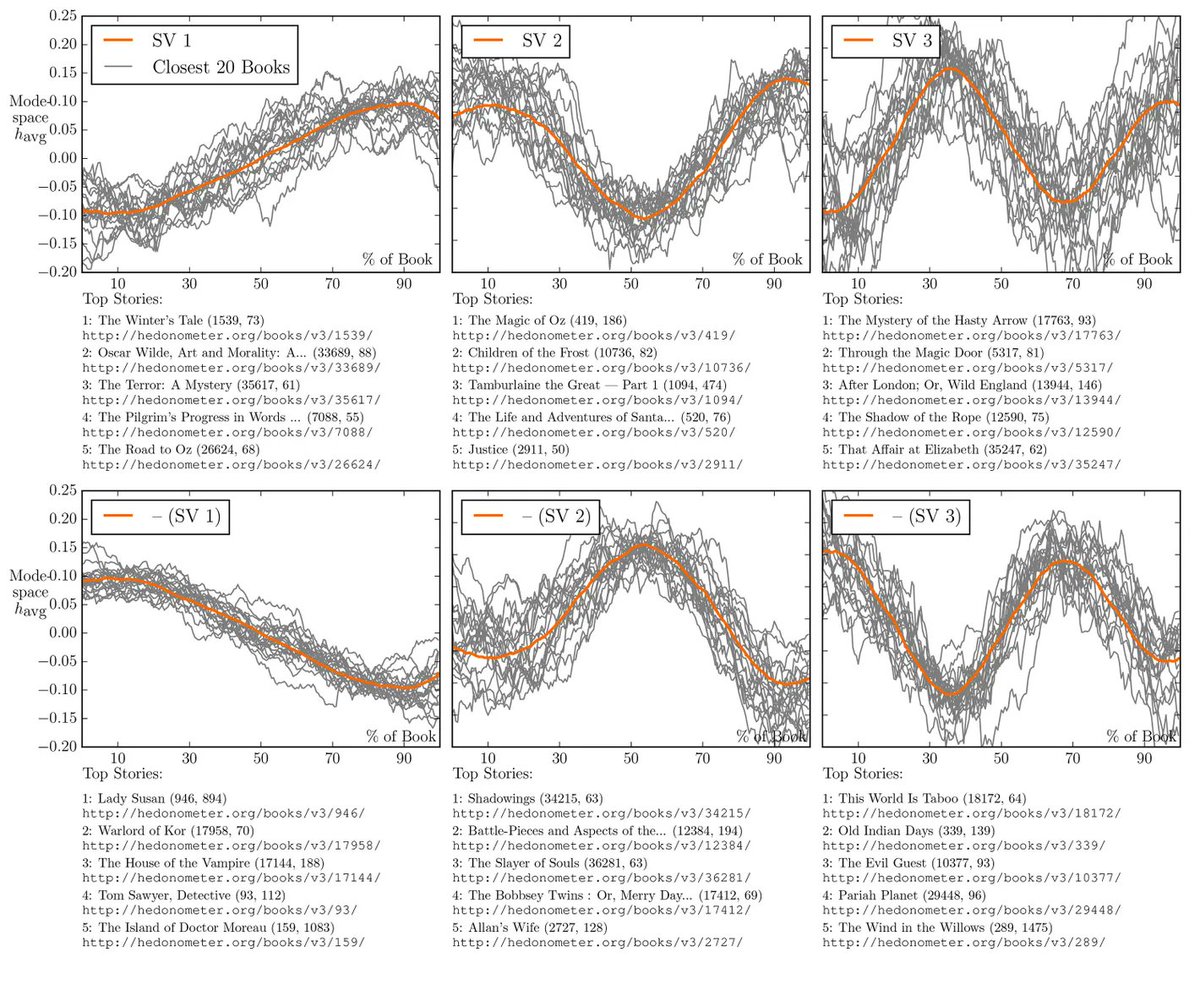
In 2016, researchers at the University of Adelaide tested Kurt Vonnegut's theory that, "There’s no reason why the simple shapes of stories can’t be fed into computers."
They took the emotional arcs of 1300+ novels from Project Gutenberg, turned that into data, used modern tech to analyze the emotional arcs, and then identified 6 patterns seen over and over again in western storytelling.
Here they are:
1. Rags to Riches (rise)
Your classic underdog tale. A humble, hardworking peasant climbs the mountain to pull the sword from the stone.
• Rocky
• King Arthur
• The Pursuit of Happiness
2. Riches to Rags (fall)
Maybe the saddest story of them all. A journey from the highest of highs to the lowest of lows.
• King Lear
• Citizen Kane
• Scarlet Letter
3. Man in a Hole (fall then rise)
A character’s doing fine, gets herself into a huge problem, but figures out how to overcome it. They often end up better than they started.
“You see this story again and again,” Vonnegut says. “People love it, and it is not copyrighted.”
• The Martian
• The Hunger Games
• Shawshank Redemption
4. Icarus (rise then fall)
The hero goes on a meteoric rise up New York (or some other) society, calls everyone “old sport,” and throws the wildest parties in town. Then reality sets in, and he realizes he’s too close to the sun.
• Macbeth
• Great Gatsby
• Death of a Salesman
5. Cinderella (rise then fall then rise)
I’ll leave this description to Vonnegut:
“We’re gonna start way down here. Worse than that, who is so low? It’s a little girl… the shoe fits, and she achieves off-scale happiness.”
• Red Rising
• Slumdog Millionaire
• The Count of Monte Cristo
This is my personal favorite.
6. Oedipus (fall then rise then fall)
Up until the ~70% mark of the story it looks like things are sunshine and rainbows. Walter White goes from high school teacher to king of the drug lords, if you will. Then all goes wrong. The original fall is often not their doing while the final fall is.
• Hamlet
• Gone Girl
• Breaking Bad
My 3 takeaways:
1. Rags to Riches, Oedipus, and Cinderella rank as the three most popular with consumers. AKA, those books sold the most copies.
2. When you think through a story, give it an emotional shape. Literally draw it.
X axis: Time
Y axis: Ill fortune to good fortune
You might be surprised how much it helps you craft your plot (I was shocked).
3. Vonnegut was a damn genius.
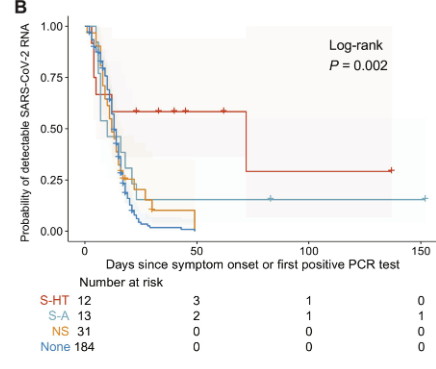
Some immunosuppressed patients with COVID19 can shed infectious virus for weeks or months
Especially patients with:
���Haematologic malignancy or Transplant (S-HT)
🟢Autoimmunity or B cell deficiency
Often➡️difficult ethical questions re: isolation
https://t.co/K8o1WcWTgM
Have you been perplexed about why some immunocompromised (IC) patients recover from COVID-19 quickly while others can be infected for months? We uncovered some clues in a paper just published in @ScienceTM. Read on to see what we found: 1/ https://t.co/il7GWOo8s6
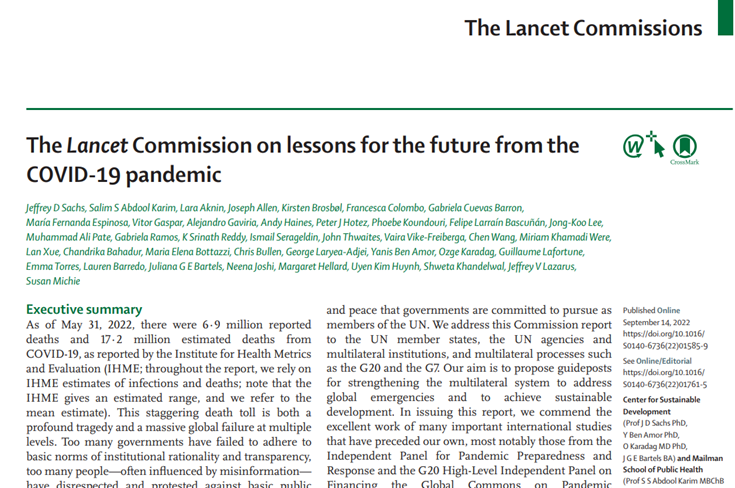
A thread from @TheLancet@CovidCommission on school closures:
--> 195 countries closed schools during the pandemic, affecting more than 1·5 billion children and young people and posing enormous long-term and unrecoverable costs to them, their parents, and the economy.
🧵1/n
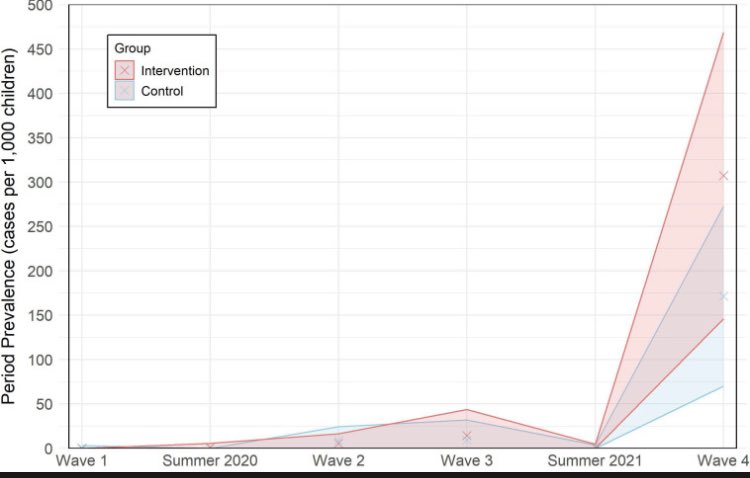
This quasi-experimental study in Germany of HEPA filters in kindergartens vs usual IPC found no benefit of HEPA in ⬇️ covid infections in staff or children
Rates/1000 children higher in HEPA gp
Control: 186 (137.8-238.9)
Intervention: 372 (226.6-517.6)
Are you an early career (postdoc) researcher & would you like to be a visiting scholar @Ethox_Centre?
📰Apply below
Broad topics of work can include:
- global health ethics
- clinical ethics
- public health ethics
- research ethics
Closes 21/April/24
https://t.co/W2XIeXLIWz
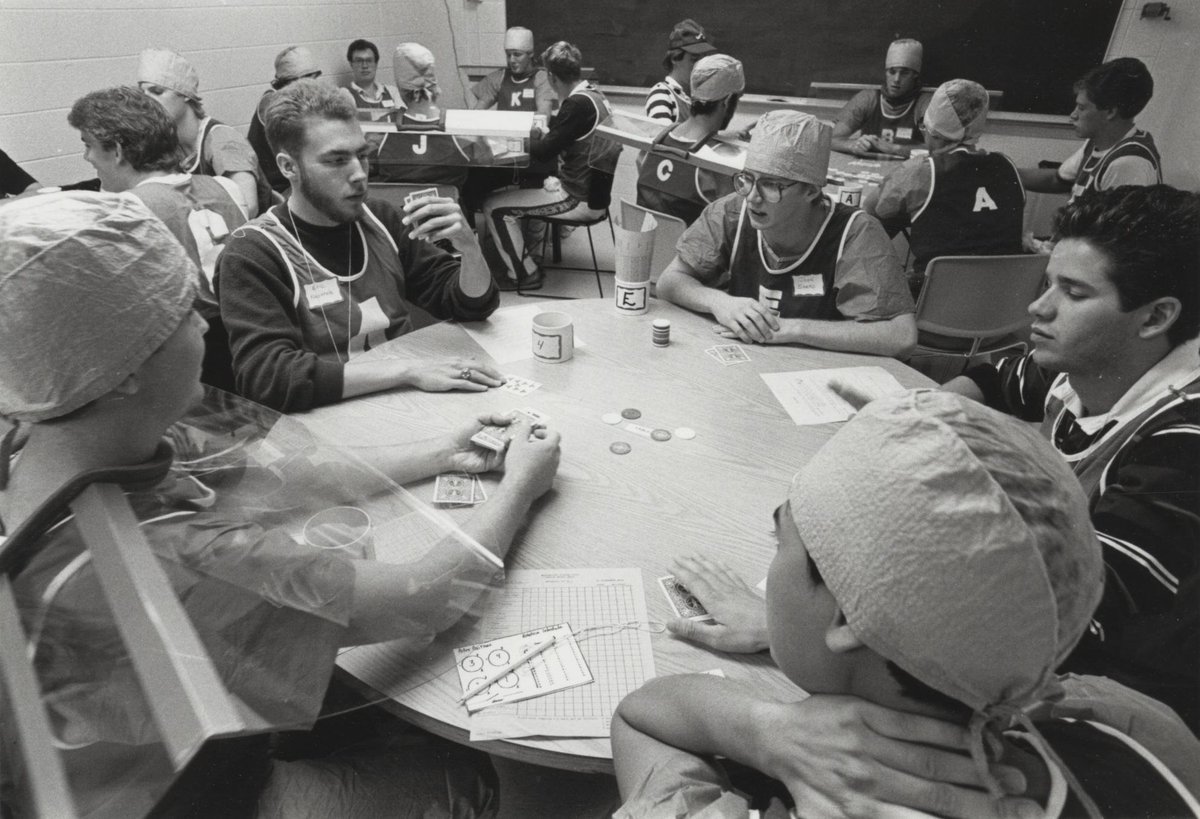
Preventing RSV spread in hospitals (1980s):
"specially designed eye-nose goggles for staff reduced infection [but] the goggles were not well accepted by staff and eventually were abandoned."
Discussion:
https://t.co/Xl3h9625PP
Original study:
https://t.co/qlCrQZIMqp
“Lack of research on how Paxlovid affects outcomes beyond severe Covid — such as duration of illness, how the drug affects transmission, and whether it prevents long Covid”










![ID_ethics's tweet photo. Preventing RSV spread in hospitals (1980s):
"specially designed eye-nose goggles for staff reduced infection [but] the goggles were not well accepted by staff and eventually were abandoned."
Discussion:
https://t.co/Xl3h9625PP
Original study:
https://t.co/qlCrQZIMqp https://t.co/E0ERjOoOuz](https://pbs.twimg.com/media/GEf0L8ub0AAorM9.png)