Our family lost ₹5 lakhs in an online financial fraud few years ago.
It takes less than 7 seconds to execute an online transaction for a scammer. When we complained on the Cyber Crime helpline immediately, it took them 7 days to just assign the nearby police station that is walking distance from my home. I went there everyday but the officer wouldn't 'start' till the case was assigned to him.
By then, the money trail had been lost. The fraudsters had transferred money to different bank accounts (in West Bengal) and taken out cash through ATMs. It was all over before the case was even "assigned".
That is the 'law and order' situation in India in the 21st century to deal with crimes that take place in 'real time'.
Let's come to the telecos now.
Do you know any scammer can deactivate your number from anywhere? All they need is basic details like your full name, date of birth or certain digits from your Aadhaar. Data sets that are widely leaked and available.
They called Vodafone and claimed that their phone had been lost/stolen. So Vodaone does its "verification" and turns off your number. It is done so you can't receive an SMS regarding a fraudulent transaction that has been done. Else you might alert the bank. While you try to figure what suddenly happened to your SIM, everything is done within minutes.
When our number was deactivated the first time, we alerted Vodafone and told them no phone had been lost. That night, only a payee had been added (we found this out much later) and no transcation had been done. And the bank rules state a 24 hour cooling period for a newly added payee.
But it was weird enough to us that our Vodafone number had been deactivated out of nowhere in this manner.
When we spoke to Vodafone, we told them do not switch off the number if you get any such request in the future. Since we have not made it. Please confirm with an alternate number before you take any action. But the next night, the number went off again, and this time, the transcation was executed.
Vodafone didn't call the alternate number. They said this is their process. If someone calls and gives the verification detail, they have to shut the number. And that is how we lost the money. Despite telling and begging them to do one additional step since something was off.
Moral of the story: both the telcos and the police will do jackshit. You are on your own. Please please please take precautions. Enable 2FA on every mail and banking account. Especially with family members and elders who aren't that tech savvy. You have no idea how sophisticated some of the new scams are.
A 24-year-old Polish tennis player arrived in Paris last week ranked 114th in the world, with no sponsors, no guaranteed income, and no certainty she could even pay for her hotel room.
She had to win three qualifying matches just to enter the French Open main draw. Prize money is only paid at the end of the tournament, so a Polish sports drink brand quietly stepped in and covered her hotel bill.
Her name is Maja Chwalinska. And today, she plays in the French Open final.
Before this tournament, she had won exactly one Grand Slam main draw match in her entire career. She had battled depression so severe that in 2021 she couldn't get out of bed. She underwent knee surgery in 2022. She spent years grinding through small tournaments across Europe just to stay afloat.
Then she arrived in Paris, won three qualifiers, and kept winning. Zheng Qinwen. Elise Mertens. Maria Sakkari. Diana Shnaider. Nine straight matches. One set dropped.
She is now the first qualifier in French Open history to reach the final. The last time a qualifier reached a Grand Slam final, it was Emma Raducanu at the 2021 US Open. Raducanu won.
By simply making the final, Chwalinska has earned more prize money than her entire career combined. The runner-up cheque alone is $1.6 million. If she wins today, she takes home $3.25 million.
One week ago she couldn't pay for her hotel room.
The Deccan Queen was Asia's fastest train, when first introduced 96 years ago!
Unfortunately, a century later... it has actually slowed down! Scheduled time is a bit longer.
Primary reason - traffic congestion (suburban fast locals, long distance trains, intercity trains... all fight for the same track capacity in Mumbai).
For decades we have been waiting for expansion of the Pune - Mumbai corridor to enable faster (and more frequent.... ideally hourly intercity) service between the two cities.
Just like the expressway, Mumbai Pune can be the busiest intercity corridor in the country, if adequate track capacity is made available.
This track capacity expansion can happen by widening existing rail corridor (3, 4 lines... 5,6 lines.... across various sections) and/or a dedicated RRTS like (semi high speed) corridor between the two cities.
A dedicated RRTS like corridor is a better solution. Of course, this will be in addition to the HSR corridor that has been approved (Note, the Intercity RRTS and HSR: Mumbai-Pune-Hyderabad-Bengaluru will meet two different travel categories...and hence both are important).
cc @Dev_Fadnavis@AshwiniVaishnaw@narendramodi
He is right, technically speaking the NEET 2026 paper was shared & sold. Not leaked. Peak detailing by NTA!
What is truly unfortunate is that no official handle of the PM Modi has come forward to reassure the 22 lakh students who are once again being forced to prepare & take NEET.
And please spare us the argument that the Prime Minister shouldn't comment on the NEET fiasco. We routinely see the PM's PR machinery spring into action over far less consequential matters. We see the Prime Minister inaugurating local metro lines, bridges& countless smaller projects.
If those events merit public attention, surely 22 lakh students deserve a few words of assurance. Not just for those being made to reappear for the exam, but also for the countless younger students who dream of becoming doctors & are watching all of this unfold, wondering why they should trust NTA & a govt that has remained largely silent through the crisis.
Apathy begets apathy.
That is how the Cockroach Janta Party recruits its newest members.
"मुलींची योग्य प्रकारे जोपासना केली पाहिजे कारण तीच पुढील पिढीची जननी असते आणि जर भावी पिढी तेजस्वी, सामर्थ्यवान तसेच राष्ट्राला पारतंत्र्यातून मुक्त करण्यास समर्थ व्हावी असे वाटत असेल तर मुलींकडेही तितक्याच जिव्हाळ्याने व दक्षतेने लक्ष दिले पाहिजे."
स्वातंत्र्यवीर सावरकर यांनी स्त्री सक्षमीकरणाकडे केवळ "स्त्री-पुरुष समानता" या पाश्चात्त्य चौकटीतून पाहिले नाही तर राष्ट्रनिर्मिती, सामाजिक पुनरुत्थान आणि सांस्कृतिक स्वाभिमान या व्यापक संदर्भांतून पाहिले. सावरकरांचे स्त्रीविषयक विचार हे पारंपरिक भारतीय मूल्ये, आधुनिक विवेकवाद, राष्ट्रवाद आणि सामाजिक सुधारणा यांचा संगम दर्शवतात. सावरकरांनी स्त्रीचे स्थान नेहमीच राष्ट्ररचनेच्या केंद्रस्थानी मानले. सावरकरांच्या मते पुढील पिढीची घडण ही स्त्रीच्या हातात असल्यामुळे राष्ट्राचे सामर्थ्य स्त्रीच्या सामर्थ्यावर अवलंबून आहे.
भारतीय समाजात त्या वेळी मुलगा-मुलगी भेद अत्यंत खोलवर रुजलेला होता. मुलगा हा वंशाचा दिवा तर मुलगी ही ओझे अशी मानसिकता समाजात होती. सावरकरांनी या विचारसरणीवर कठोर प्रहार केला. सावरकरांच्या मते मुलींकडे दुर्लक्ष करणे ही केवळ कौटुंबिक चूक नसून राष्ट्रद्रोही मानसिकता आहे. कारण जी मुलगी उद्या माता होणार आहे तीच पुढच्या पिढीचे संस्कार घडवणार आहे. स्त्रीशिक्षणाबाबत सावरकरांचे विचार त्या काळासाठी अत्यंत प्रगतिशील होते. स्त्रीशिक्षण असे असावे की ज्यामुळे स्त्री अधिक विवेकी, स्वाभिमानी, कर्तृत्ववान आणि राष्ट्राभिमानी बनेल. पुढील पिढी अधिक बलवान, सुंदर, सुसंस्कृत आणि देशभक्त व्हावी यासाठी स्त्रियांना योग्य शिक्षण दिले पाहिजे असे त्यांचे ठाम मत होते.
बालविवाह, विधवांवरील अन्याय आणि स्त्रीवरील दुहेरी नैतिक निकष यांनाही सावरकरांनी विरोध केला. त्यांच्या काळात बालविवाहामुळे असंख्य मुलींचे शिक्षण, आरोग्य आणि आयुष्य उद्ध्वस्त होत होते. म्हणूनच त्यांनी मुलींचे विवाह योग्य वयातच व्हावेत असा आग्रह धरला. त्यांनी बालविधवांच्या दुःखावर कविता लिहून समाजाला प्रश्न विचारले. सावरकरांच्या स्त्री सक्षमीकरणाच्या दृष्टिकोनात शारीरिक सामर्थ्यालाही महत्त्व होते. त्यांनी स्त्रियांना मानसिक आणि शारीरिक दृष्ट्या सक्षम होण्याचा सल्ला दिला. सावरकर स्त्रियांच्या आत्मविश्वासपूर्ण आणि स्वसंरक्षणक्षम व्यक्तिमत्त्वाचे समर्थक होते.
इतिहासातील वीरांगनांचे उदाहरण देऊन त्यांनी स्त्रियांना प्रेरणा दिली. राणी लक्ष्मीबाई, महाराणी ताराबाई, राणी दुर्गावती यांसारख्या स्त्रियांचे पराक्रम त्यांनी गौरवले. सावरकरांना भारतीय स्त्रीमध्ये धैर्य आणि राष्ट्रनिष्ठा पाहायची होती. त्यांच्या मते राष्ट्रासाठी बलिदान देणाऱ्या पुरुषांच्या मागे त्यांना धैर्य देणारी स्त्री असली पाहिजे. सावरकरांच्या नाटकांतील आणि कादंबऱ्यांतील स्त्रिया संघर्षशील, विचारशील आणि राष्ट्रनिष्ठ होत्या.
सावरकरांच्या स्त्रीविषयक विचारांवर टीकाही झाली. "स्त्रीचे मुख्य कार्य संततीपोषण आहे" या त्यांच्या विधानाचा अर्थ अनेकांनी स्त्रीला घरापुरते मर्यादित ठेवण्याचा प्रयत्न असा घेतला. परंतु सावरकरांचा हेतू स्त्रीला कनिष्ठ ठरवणे हा नव्हता. त्यांच्या मते, मातृत्व ती स्त्रीची कमजोरी नसून तिची सर्वोच्च सर्जनशील शक्ती आहे. राष्ट्रनिर्मितीमध्ये या शक्तीचे मोठे महत्त्व आहे. योग्य क्षमता असल्यास स्त्रिया राजकारण, समाजकारण, युद्धकला किंवा कोणत्याही क्षेत्रात पुढे जाऊ शकतात असे ते मानत. सावरकरांची पत्नी यमुनाबाई याही समाजकार्यात सहभागी होत्या. रत्नागिरीतील अस्पृष्यता निवारण, सार्वजनिक हळदीकुंकू, सहभोजन अशा उपक्रमात त्यांनी सहभाग घेतला होता.
सावरकरांचा स्त्रीविषयक दृष्टिकोन हा आधुनिक भारतीय राष्ट्रवादाच्या संदर्भात पाहिला पाहिजे. मुलींचे शिक्षण, स्त्रीचे सामर्थ्य, आत्मसंरक्षण, विधवा-विवाह, बालविवाहविरोध, स्त्रीचा सामाजिक सन्मान आणि राष्ट्रनिर्मितीतील स्त्रीची भूमिका या बाबतीत त्यांनी मांडलेले विचार अत्यंत प्रभावी आणि दूरदर्शी होते. त्यांच्या दृष्टीने आदर्श स्त्री म्हणजे केवळ गृहिणी नव्हे तर आवश्यक तेव्हा रणांगणात उतरू शकणारी, अन्यायाला प्रतिकार करणारी, संस्कारक्षम, विवेकी आणि राष्ट्राभिमानी तेजस्वी व्यक्तिमत्त्व आहे.
#स्त्री_सक्षमीकरण #स्वातंत्र्यवीर_सावरकर
Interesting! An apple orchard in Wai, Satara.
Apparently, Maharashtra's first successful apple orchard.
https://t.co/E2gjg8gS9Z
"Mention apples, and most people immediately picture the snow-draped valleys of Kashmir or the cool heights of Himachal Pradesh. That’s where apples belong, or so everyone thought. But tucked away at the foothills of Pasarni Ghat in Maharashtra’s Satara district, a self-taught farmer has rewritten that assumption. Bapu alias Raju Bhilare, a JCB operator by profession, has successfully cultivated an apple orchard, and his two-acre farm in Wai taluka is now the point of discussion."
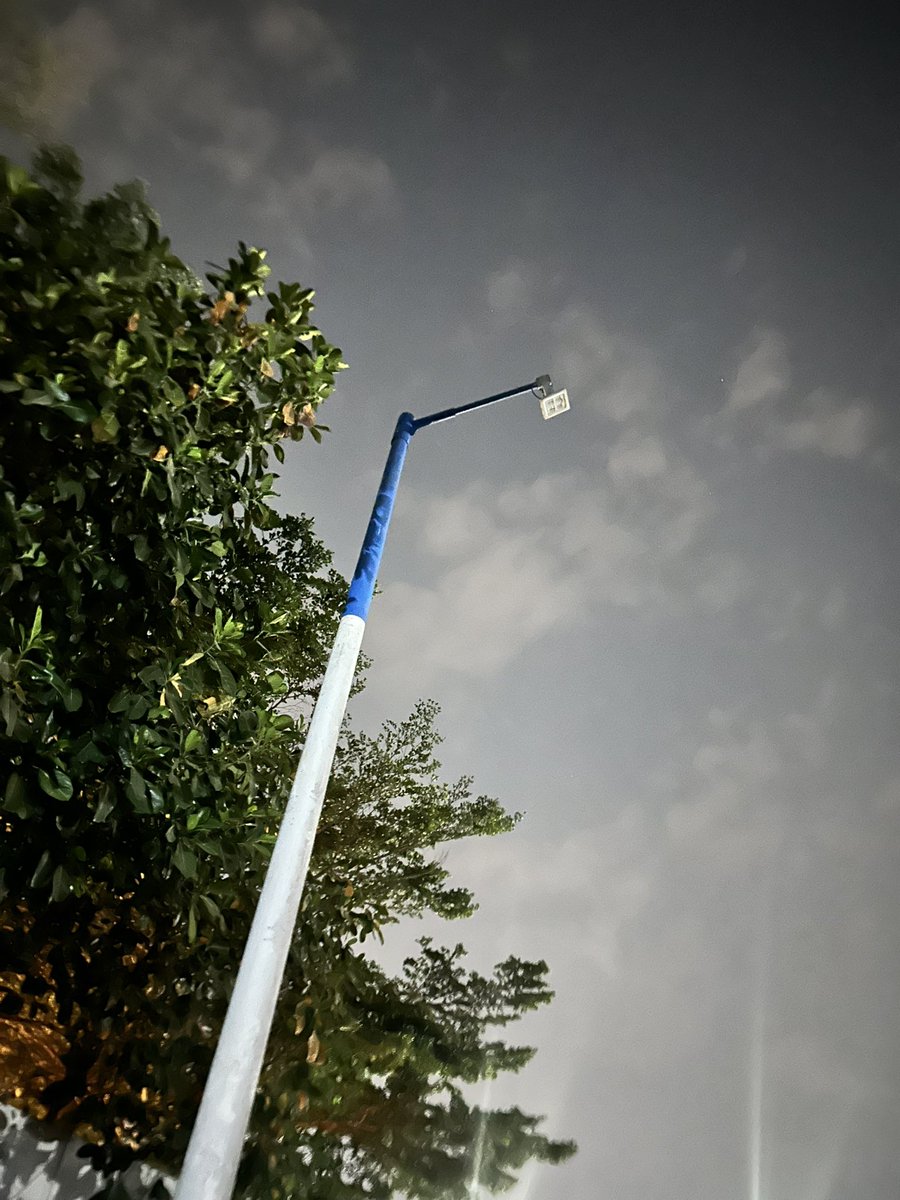
Walking to the Pune airport tonight & not a single street light is working on the approach road. Pitch dark, people openly drinking on the sidewalks. Fine for me as a guy, but how are girls & women supposed to feel safe? Absolute negligence. This is disgusting considering the constituency of @mohol_murlidhar@aaipunairport@MoCA_GoI #AirportRoads #WomenSafety
“Any landing you can walk away from is a good landing. If you can use the airplane again the next day, it’s an outstanding landing.” — Chuck Yeager
Enter Air Boeing 737 at Rhodes back in May 2025.
🎥: Peter Kempson
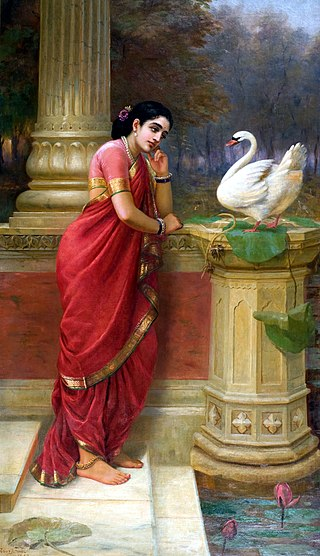
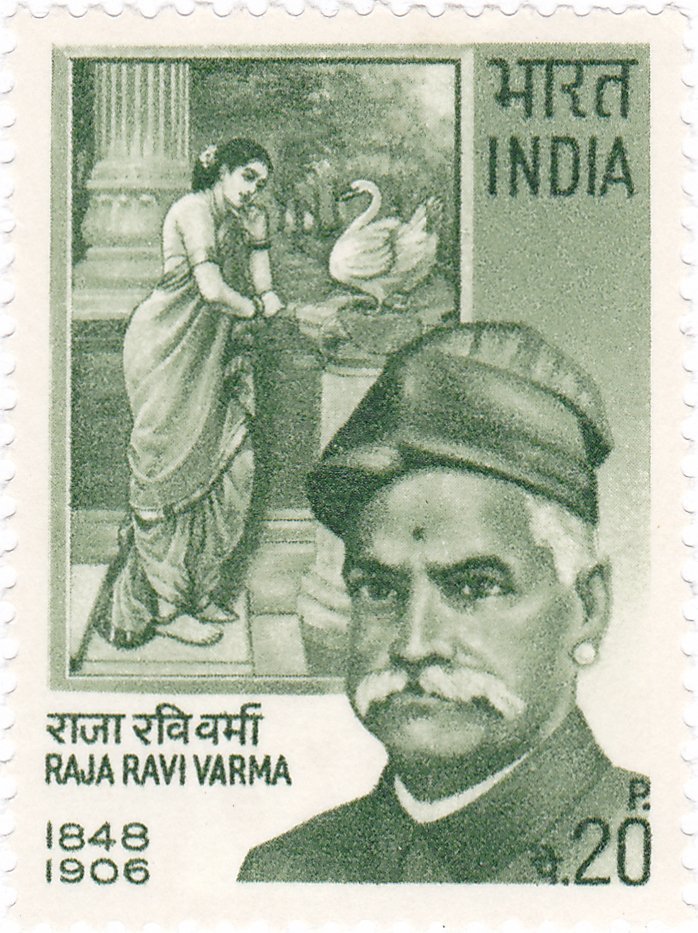
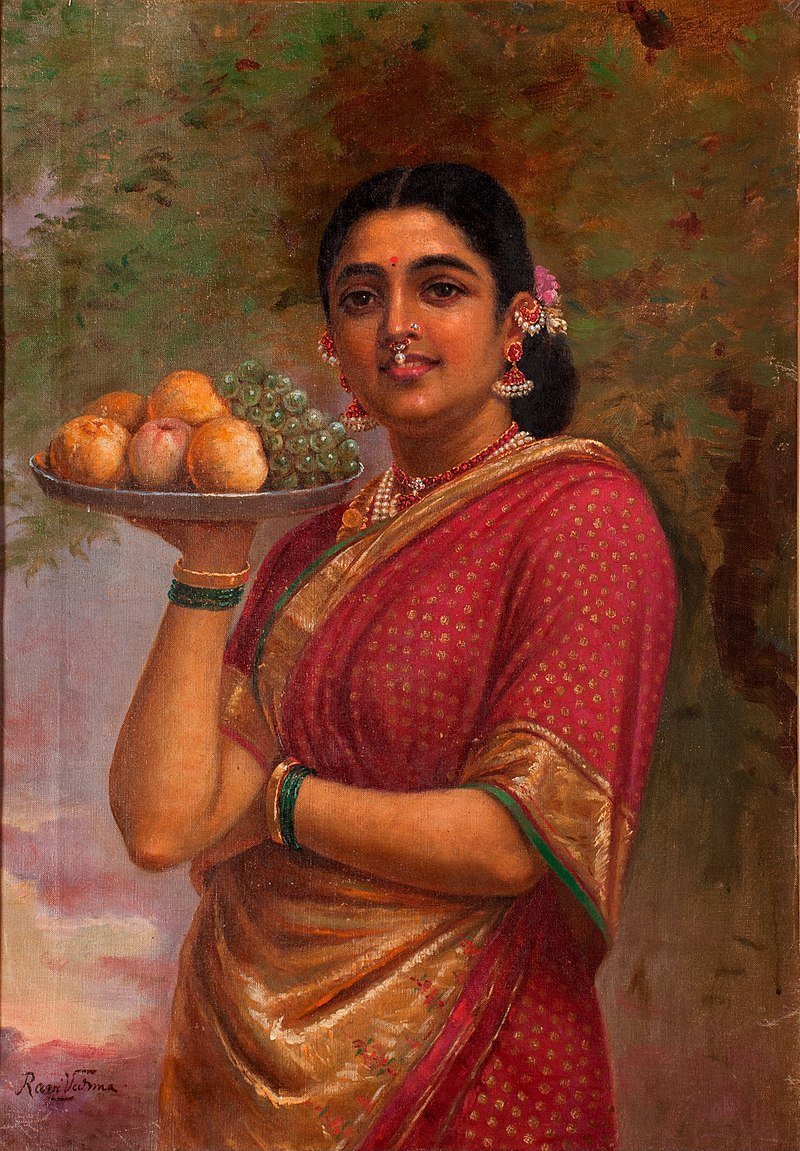
Today is the 174th birth anniversary of Raja Ravi Varma.
"Raja Ravi Varma was a celebrated Malayali Indian painter and artist. He is considered among the greatest painters in the history of Indian art for a number of aesthetic and broader social reasons."
https://t.co/xTXQ9KLOkT
The Bor ghat crossing has always been a challenge for engineers for the road and railway corridors, on the crucial Mumbai - Pune route.
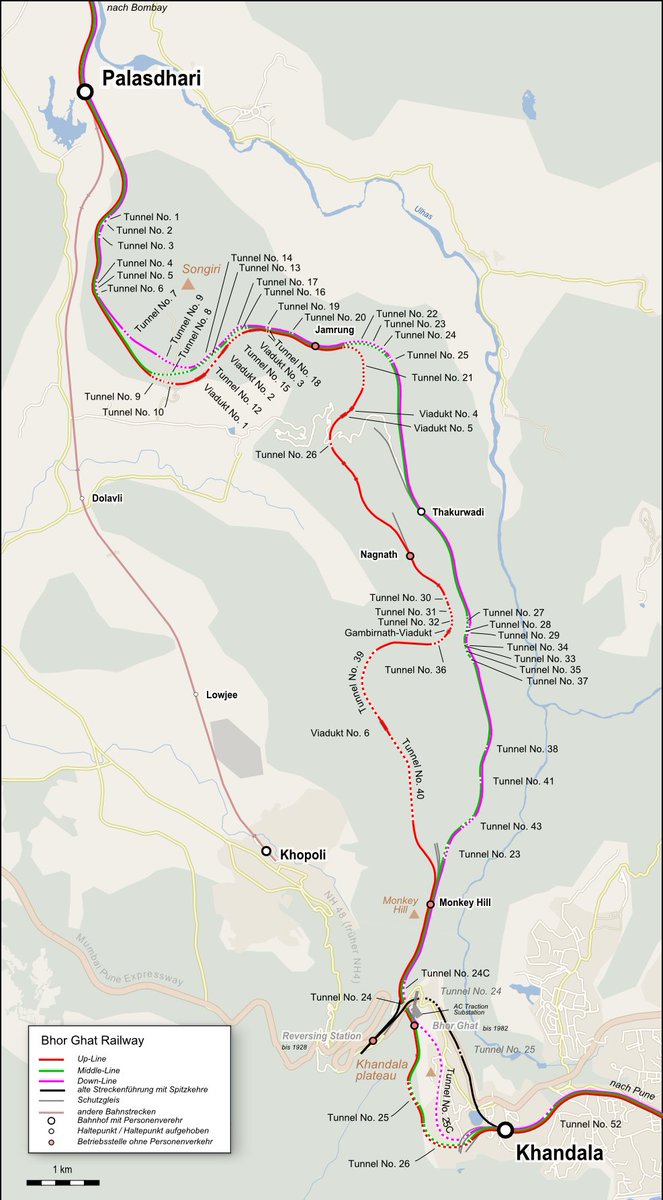
Just as the new 'Missing Link' (viaducts, tunnels) is simplifying the Bor ghat alignment for the road expressway - the new '26th tunnel alignment' simplified the railway section of the ghat back in the late 1920s. The map below provides an overview of the current (post late 1920s) alignment, and the old reversing station based alignment (1860s - 1920s).
Prior to this 'new' Bor ghat alignment (which continues to this day, nearly 100 years later) - a complicated reversing station based alignment was implemented in the 1860s.
This complicated alignment was needed to climb up the last stretch towards Khandala. In the 1860s when the original alignment of the railway Bor Ghat was built, the construction technology for the long 26th tunnel wasn't available. Nor were the steam locomotives capable of ascending that steep gradient. Hence the alternative was to bypass the last hill and take a 'Y' route to go around it, with a gradual ascend. This required the reversing station.
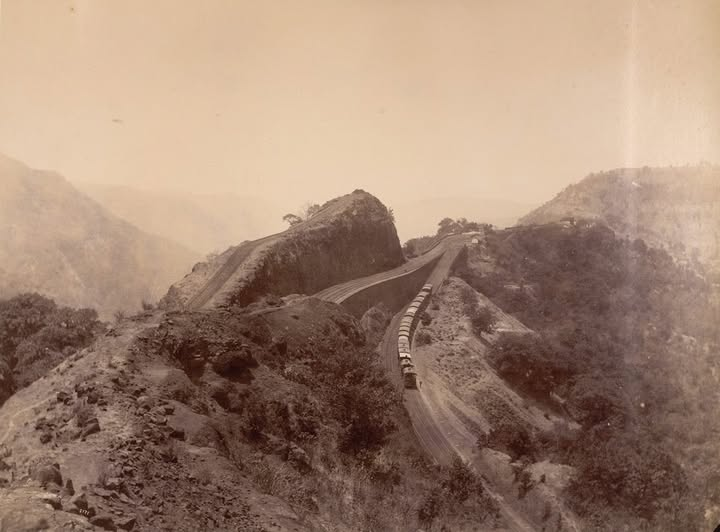
See the map (black legend) for the old reversing station alignment of the railway line, and the photo of the actual reversing station tracks (this was above the old 'Amritanjan Bridge' over the road ghat).
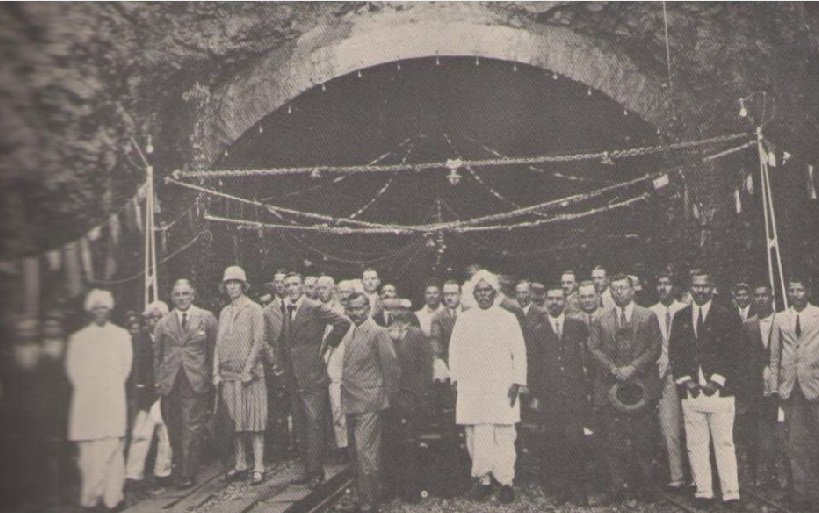
In the late 1920s, construction technology had progressed - and a new powerful traction technology was also available for the steep gradient - the electric locomotive. This led to the construction of the 26th tunnel (just before Khandala) and the opening of the present ghat alignment. Note, the 26th tunnel was built by Walchand Hirachand's company. The Deccan Queen became the first new electric train from Mumbai to Pune, starting June 1, 1930.
This new alignment with the 26th tunnel and the elimination of the reversing station saved 30-45 min of the ghat journey.
Much later in the 1980s - a new 3rd ghat railway line was also added - largely parallel to the existing alignment. But the last tunnel was much longer - effectively combining the 25th and 26th tunnels of the old alignment (see map).
Looking at the future - a much more gradual and longer (with more tunneling) ghat alignment has been proposed recently. A gradual (less gradient and less turns) alignment will allow much higher speeds - effectively reducing the ghat travel time, even though the distance maybe a bit more.
But right now, no firm plans are available on when this new alignment will be actually constructed. Similarly, a separate alignment has also been proposed for the planned 'High Speed Rail Corridor' (Bullet Train) from Mumbai - Pune.
(Images - 1. Bor Ghat Map of the various rail alignments, 2. Old Reversing Station, 3. Inauguration of the 26th tunnel and the new rail alignment in 1928.)
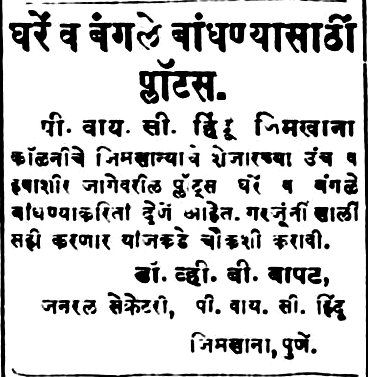
#Pune A 100 year old ad from the 'Dnyanprakash' newspaper (Aug, 1926)!
New plots for sale in the PYC Colony (near present day PYC Club, off Bhandarkar Road)
(via Avinash Sowani FB)