🔴 Tomorrow 19/09: join us for a #webinar on #soil functions and their role in achieving the #GlobalGoals.
🌱 Prof. Bonifacio will delve into carbon sequestration, plant nutrition, and soil #biodiversity properties for the #SDGs.
➡️REGISTER: https://t.co/i1GER6KKLo
#SaveSoil
Trying to describe and monitor water quality in your community? Find out more here: https://t.co/lM30zb2E3K
You can also find out more from @WHO: https://t.co/78Ta4n9Zm5
#WeAreIFLA#IFLASciTech#SciTech#CitizenScience
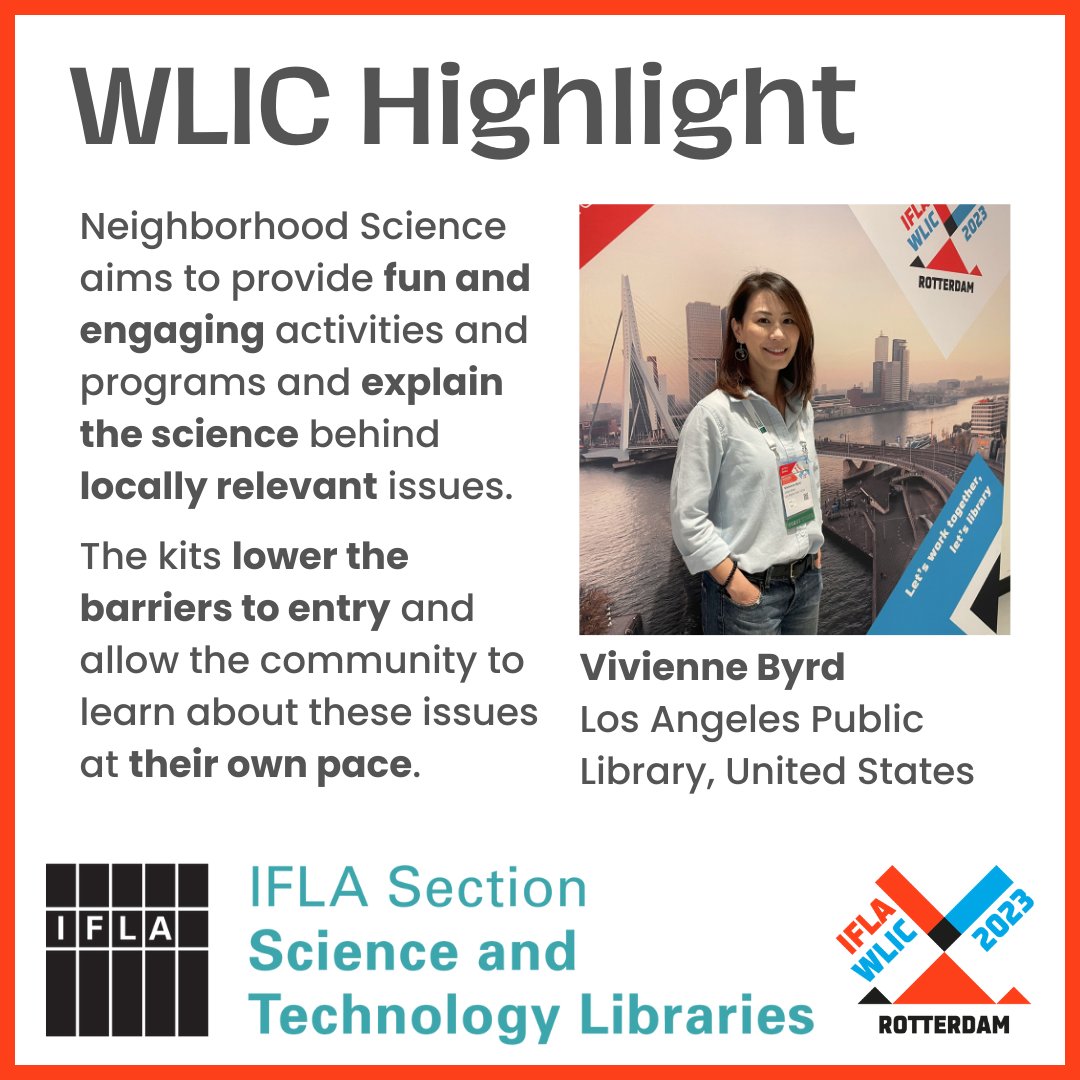
Did you present at @iflawlic#WLIC2023? IFLA Journal welcomes articles in all fields related to libraries & the information professions. Be sure to adjust your presentation to include >30% original material not presented before. Submission Guidelines: https://t.co/Zi8TQ6reBL
You can find the recording of our webinar on text & data mining at @VTLibraries on our YouTube channel!
Click link for full video --> https://t.co/RIuTjFf3oZ
#IFLA#WeAreIFLA#IFLASciTech#SciTech
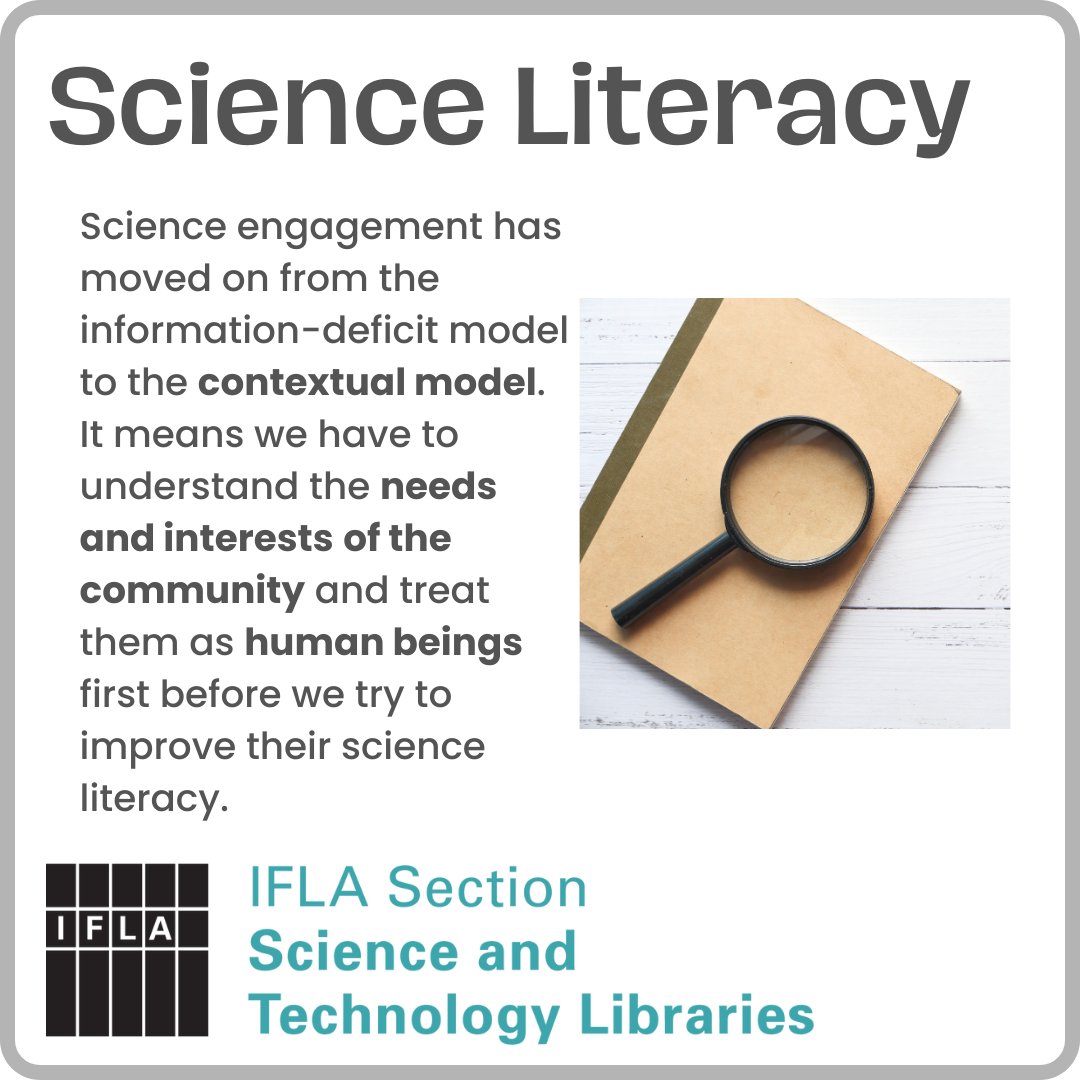
Today is @UNESCO International World Literacy Day!
Did you know effective science engagement is like a dialogue? Stay tuned to our Youtube channel for future webinars on this. #LiteracyDay#IFLA#WeAreIFLA
For more info about World Literacy Day --> https://t.co/IAkrW4y8TU
IFLA SciTech member @between_stacks wrote a recap of the section's #WLIC2023 panel presentation for the @EuCitSci newsletter.
Read the recap & more at --> https://t.co/hpk45CU6E9
Tell us about your citizen science projects on air quality! #TogetherForCleanAir
You can learn more about International Day of Clean Air for blue skies on this post from @UN -->
https://t.co/4PF6H0cxO1
We hope you've enjoyed #WLIC2023 as much as the IFLA SciTech section has! 😍
If you're interested in joining our section as a member, visit https://t.co/MkEC8JP3Zt for more information on how to participate.
#IFLA#WeAreIFLA#IFLASciTech#SciTech
It's raining in Rotterdam! 🌧️Let's enjoy the earthly aroma petrichor as we conclude the day.
More info about that rainy smell: https://t.co/juyIZCFEom
#WeAreIFLA#IFLA#WLIC2023#IFLASciTech#SciTech
Did you know?
"Noise above 70 dB over a prolonged period of time may start to damage your hearing. Loud noise above 120 dB can cause immediate harm to your ears." (CDC)
Check out the CDC @NIOSH Sound Level Meter App: https://t.co/E51PmTR32Q
#IFLA#WeAreIFLA#SciTech