IRNSC is a network of Iranian neuroscientists formed with the goal of increasing scientific collaborations and fostering the development of neuroscience in Iran
Our department will host Bita Moghaddam, Ph.D., professor of Behavioral Neuroscience at @OHSUNews, this Thursday at 1:30 p.m. CST for our neuroscience seminar series.
@uabheersink@bita137
https://t.co/50LDltmD22
We're excited to announce the official lineup for our in-person event! 🎉
There's one week left to sign up - registration closes Nov. 1st. You don't want to miss this!
#StoriesOfWiN#SfN#WomenInNeuroscience
Register here: https://t.co/88KJ533oSb
@StphTphsn1@taherehtoosi Let me (mis)use @taherehtoosi's tweet on her great study, to also draw attention to our approach to bistable perception based on reinforcement learning and decision-making models (which I think brings a complementary perspective): https://t.co/Qq3ABjTwen
How does our brain excel at complex object recognition, yet get fooled by simple illusory contours? What unifying principle governs all Gestalt laws of perceptual organization?
We may have an answer: integration of learned priors through feedback. New paper with Ken Miller! 🧵
📢 We have a new notebook that demoes DPAD (@NatureNeuro 2024) in public neural-behavioral data from start to finish, answers FAQs, & gives best practice tips! Check it out!
🔗 Link is in the repo: https://t.co/FqkKzyqsYs
🙌 Thanks @Vahidi_Parsa & @MaryamShanechi!
Paper 🧵⬇️
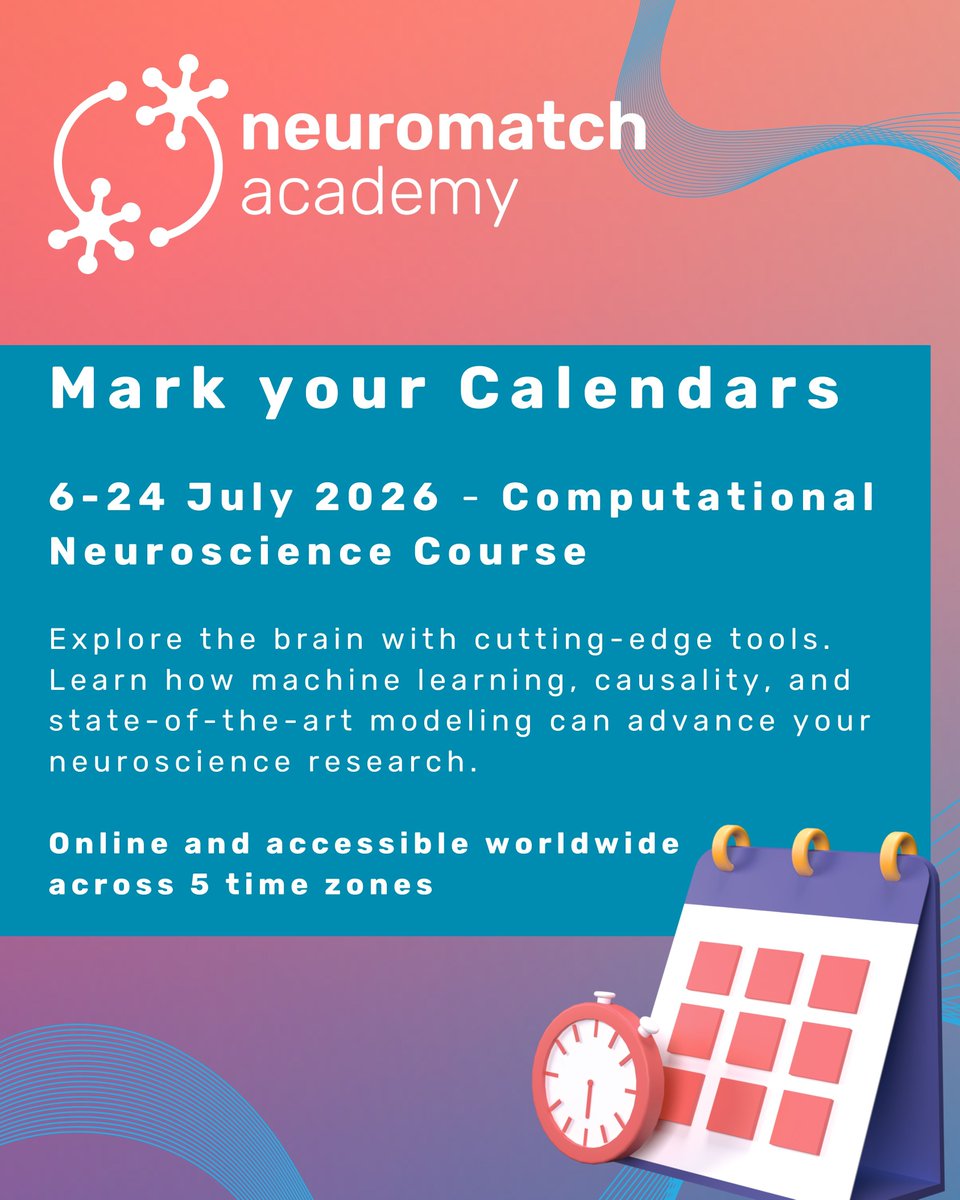
🌍 Learn computational #neuroscience with peers worldwide! 🤓
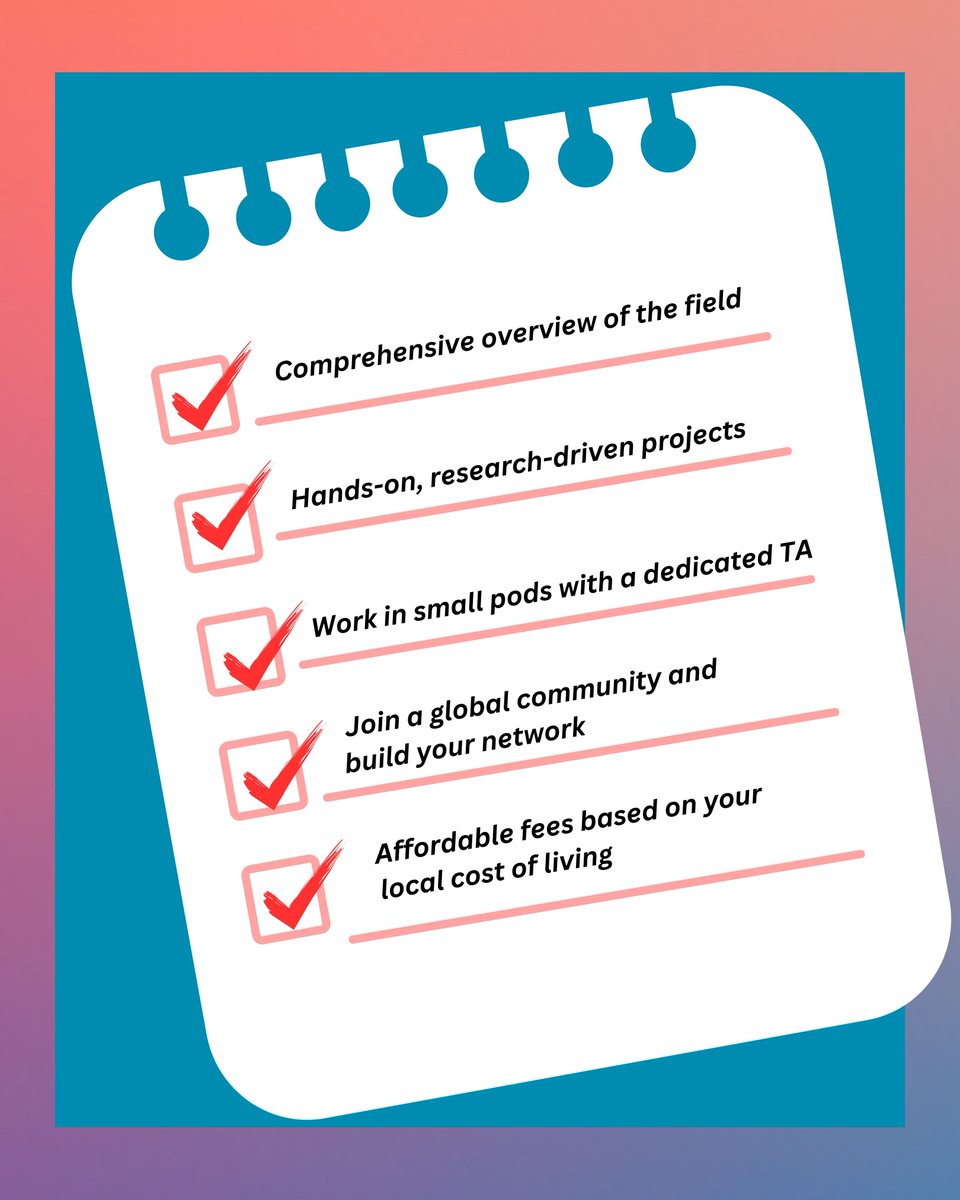
Join small pods with a TA, work on research-driven projects, and connect with mentors in Neuromatch Academy’s #ComputationalNeuroscience Course (6–24 July 2026).
➡️Learn more: https://t.co/BJOI9HKDEy
Check out our new preprint where we analyzed the dynamics of over ten thousand neurons across 223 brain areas and uncovered a surprising universal principle that describes the organization of intrinsic timescales across the entire mouse brain, including subcortical structures!
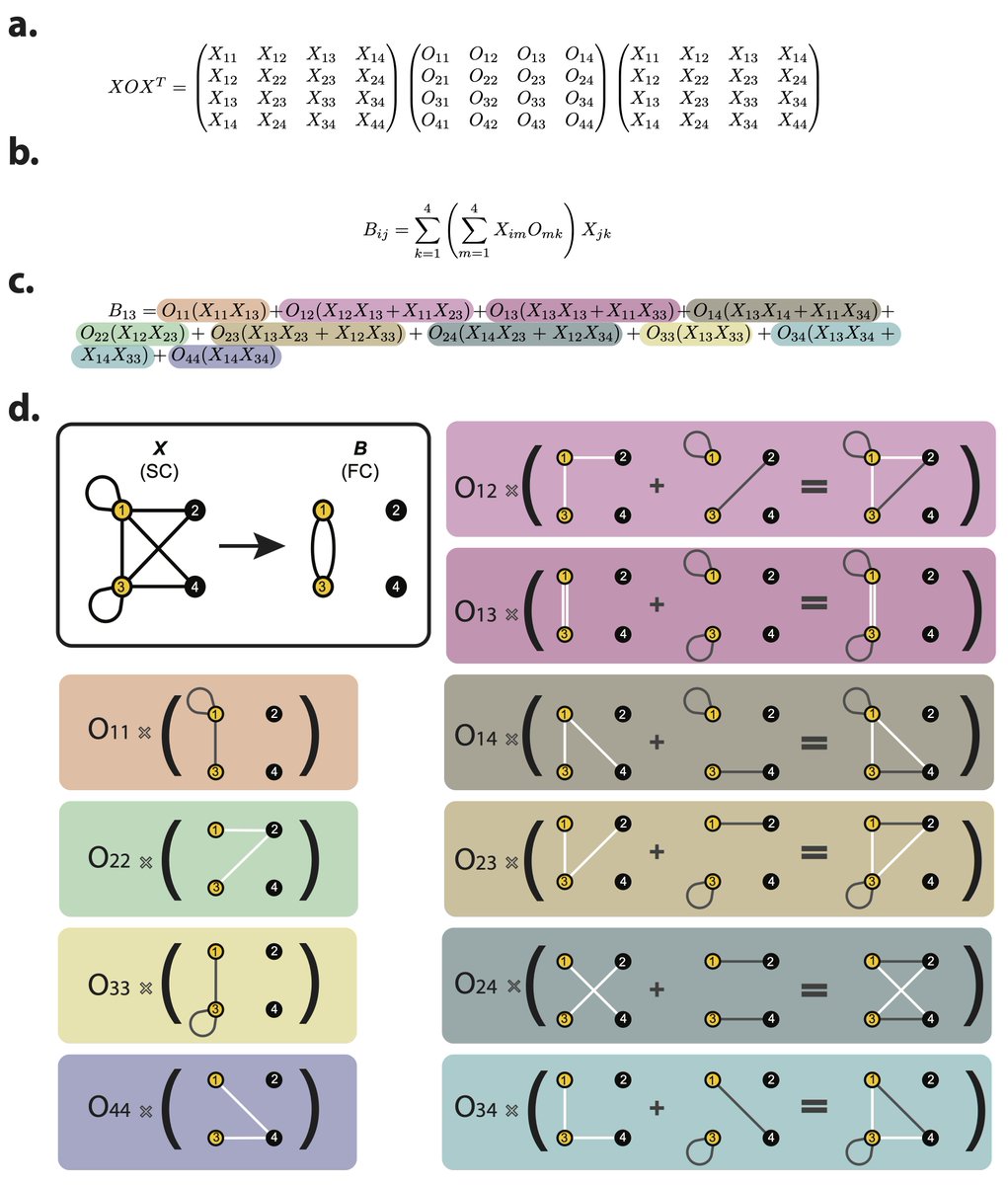
New preprint (https://t.co/ucqvEB5HGf) w/ @sam_kelemen, @jgonicor, & Sérgio Pequito! We introduce individualized generative linear models of FC, revealing how direct and monosynaptic SC motifs give rise to FC & uncover structural "linchpins" and "fulcrums" of brain dynamics.
There's a PhD opening in Shervin's (@neuroprinciples) new lab at TU Dresden! I think this is one of the best opportunities to work on computational cogsci/neuro. Find out more: https://t.co/6SusS4Vw10
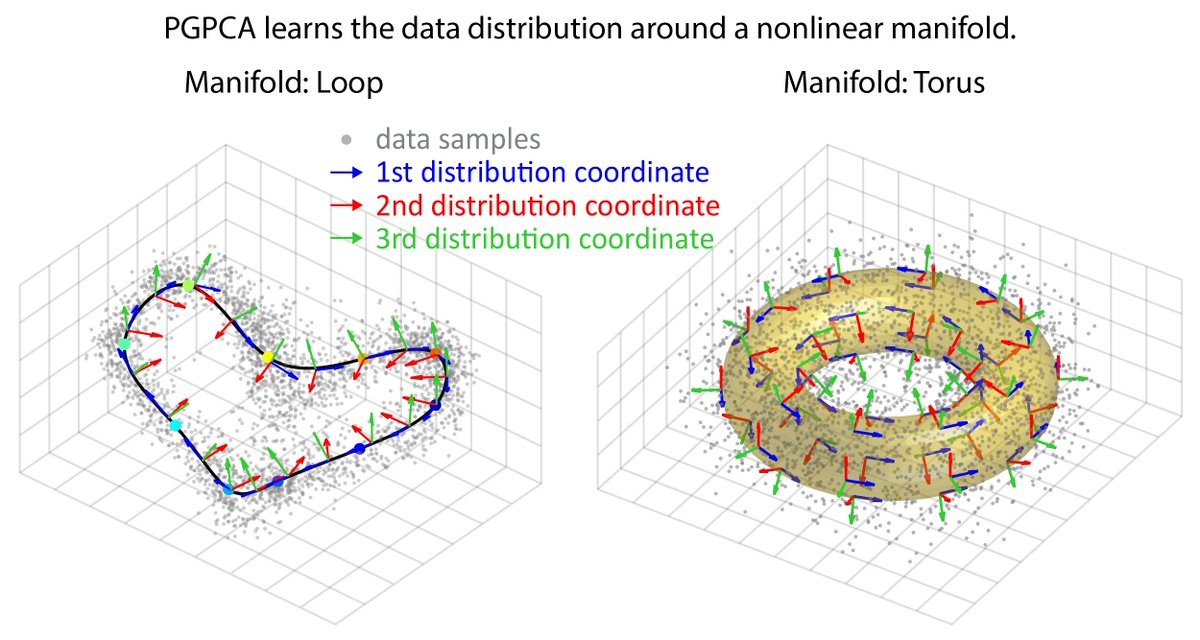
Today, we present our #ICLR2025 spotlight ✨! It develops PGPCA, a Probabilistic Geometric method for modeling & dimensionality reduction of data distributed around nonlinear manifolds, with application to brain data.
📍 Poster Session 1, Hall 3 + Hall 2B, #68 | Thu 10 AM 🧵⬇️
Come by @great_caster poster if you are at #ICLR2025 and interested in topographical neural networks!
When📅: Friday, April 25 from 10:00 AM to 12:30 PM Where: Hall 3 + Hall 2B #60
New in our #ICLR2025 spotlight ✨, we introduce PGPCA, a Probabilistic Geometric method that enables modeling and dimensionality reduction for data distributed around nonlinear manifolds. We also show PGPCA’s application to brain data.
👏 Han-Lin Hsieh
Paper, Code, 🧵⬇️
Happy to share our new article @MolNeuro led by our MSc graduate, Astrid. We provide a comprehensive discussion on the role of the Integrated Stress Response in neurodegenerative diseases and its potential as a therapeutic target 👇
@manitobaneuro@MB_MSResearch@CAN_ACN
RT appreciated: We have a fully funded PhD position in @CompNeuro_lab (at TU Dresden). You can use https://t.co/lHh6MqLrBL to send your application and find more information. The deadline is April 30. Find more about CMC lab: https://t.co/dyHsfnQ30V and email me if you have Qs.
Can we efficiently learn models of collective dynamics in multimodal discrete-continuous time-series, e.g. spike-LFP?
We develop a new multimodal subspace identification method to do so & enable causal multimodal decoding!
👏@ParimaAhmadi@omidsani
J Neural Eng paper, code,🧵⬇️
Happy to share our paper on multimodal learning of low-dimensional latent dynamics, published in J. of Neural Eng.! https://t.co/5FrqVsw2Zm
👇 Summary 🧵
Many thanks to my co-authors @MaryamShanechi, @omidsani, @bijanpesaran.
Happy to share my second paper with Peter Dayan on our decision-theoretic approach to perceptual multistability (see the tweeprint of the first paper here https://t.co/Qq3ABjSYoP): A decision-theoretic model of multistability https://t.co/QSeRJcmyLn
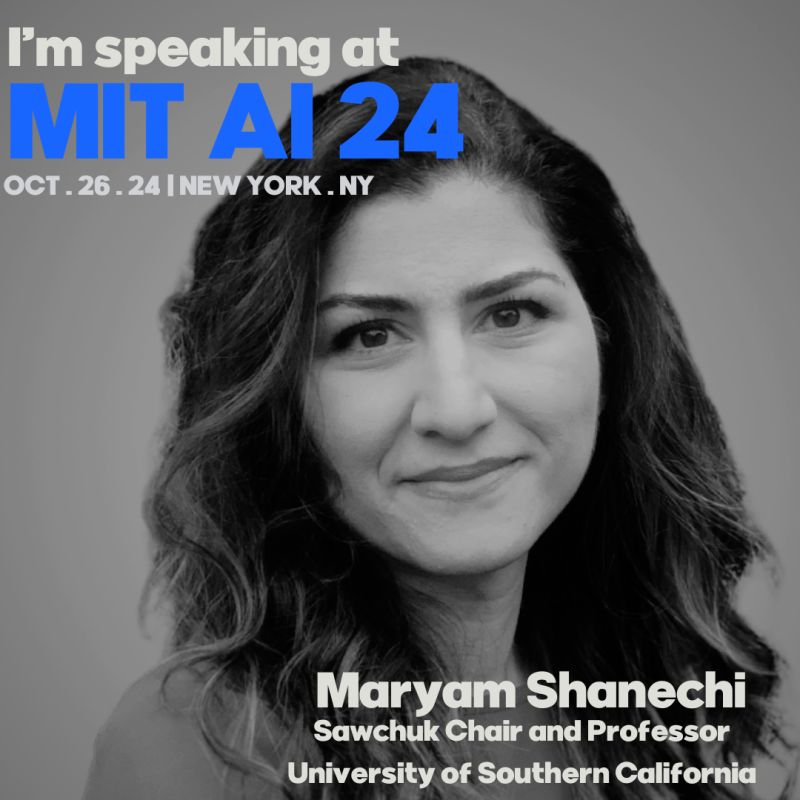
Looking forward to speaking at the MIT AI conference on Oct. 26!
I will discuss how AI can help us decode the brain and develop transformative brain-computer interfaces.
➡️ https://t.co/NiOeVypmhi
#MITAI2024#neurotech
New in @NeurIPSConf, we develop PGLDM, an analytical subspace identification method to jointly model two generalized-linear time-series & dissociate their shared vs private dynamics.
#NeurIPS2024 Poster Sess 5 East #3808, Fri Dec 13 11am
👏@loganesian@omidsani
Paper, Code &🧵⬇️