The complement system in intestinal inflammation and cancer
As part of JCI’s Review series on complement biology and therapeutics, Carsten Krieg & Silvia Guglietta @GugliettaLab@MedUnivSC et al. highlight the complement system in the GI tract under homeostasis, #inflammation, and during tumor development, progression, and treatment: https://t.co/Kks9gOOMhP
🧬Multiplexed Assays of Variant Effect (MAVEs) generate functional data for thousands of variants in a single experiment, accelerating VUS reclassification and improving patient care.
#MAVEs#Genomics
Explore the latest advances in MAVE technologies:
https://t.co/2RlfE6aKEf
GWASs have revealed thousands of disease-associated variants.
To translate them to therapies we need to know how they act. Historically we linked variants to molecular traits (eQTLs, pQTLs...) in human tissue.
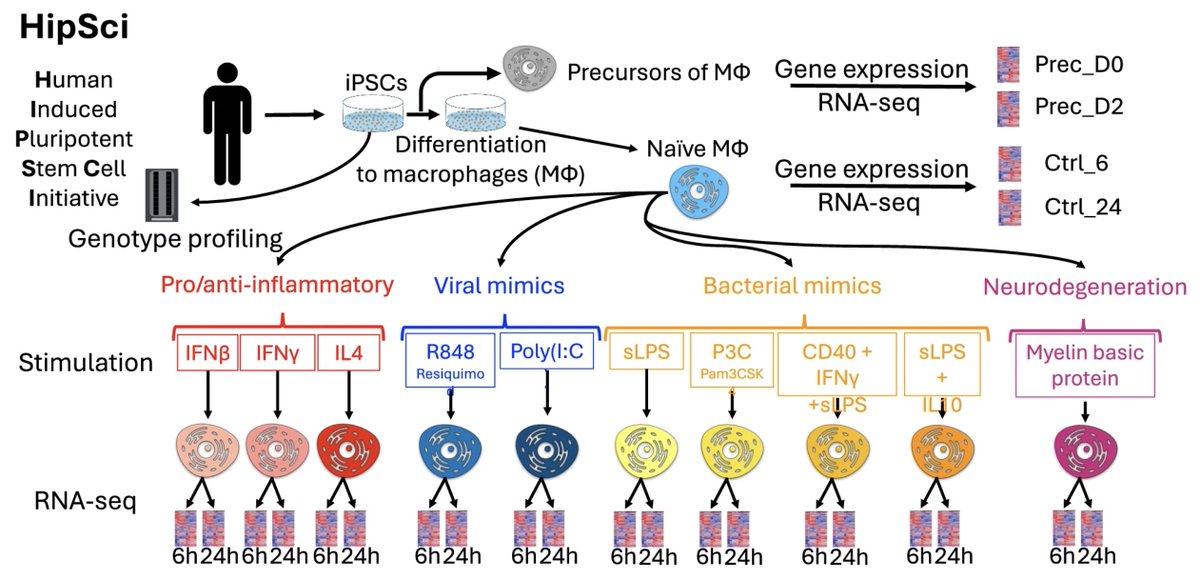
Now it’s increasingly feasible to test them in iPSC-derived cells👇
Your DNA sequence reveals a rare mutation. Will you get the disease, i.e. penetrance? A new study using machine learning predicts this across 10 common diseases, 1,600 genomic variants @IcahnMountSinai@IcahnInstitute@ScienceMagazine https://t.co/FXU8PN2vgp
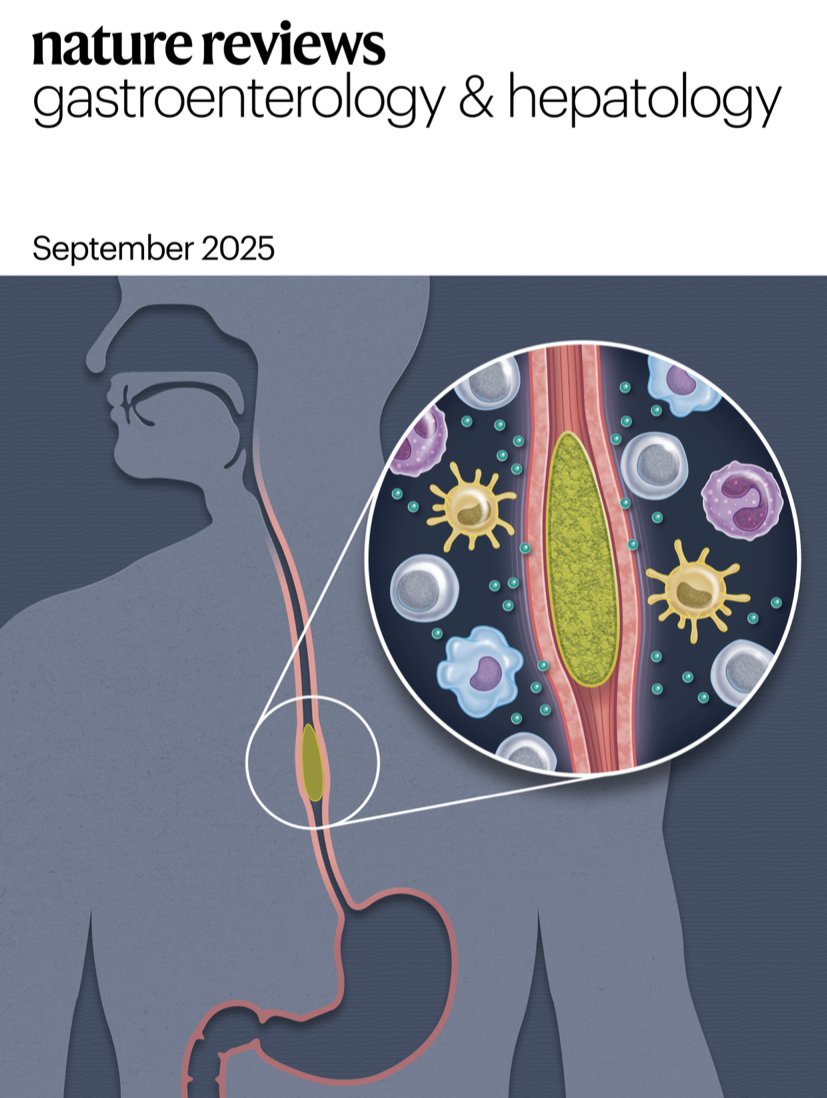
Our SEPTEMBER ISSUE is live! CRC health disparities, gut microbiome in MASLD, intestinal pH, oesophagus immunology, and much more!
https://t.co/oJ1pn7XNeW
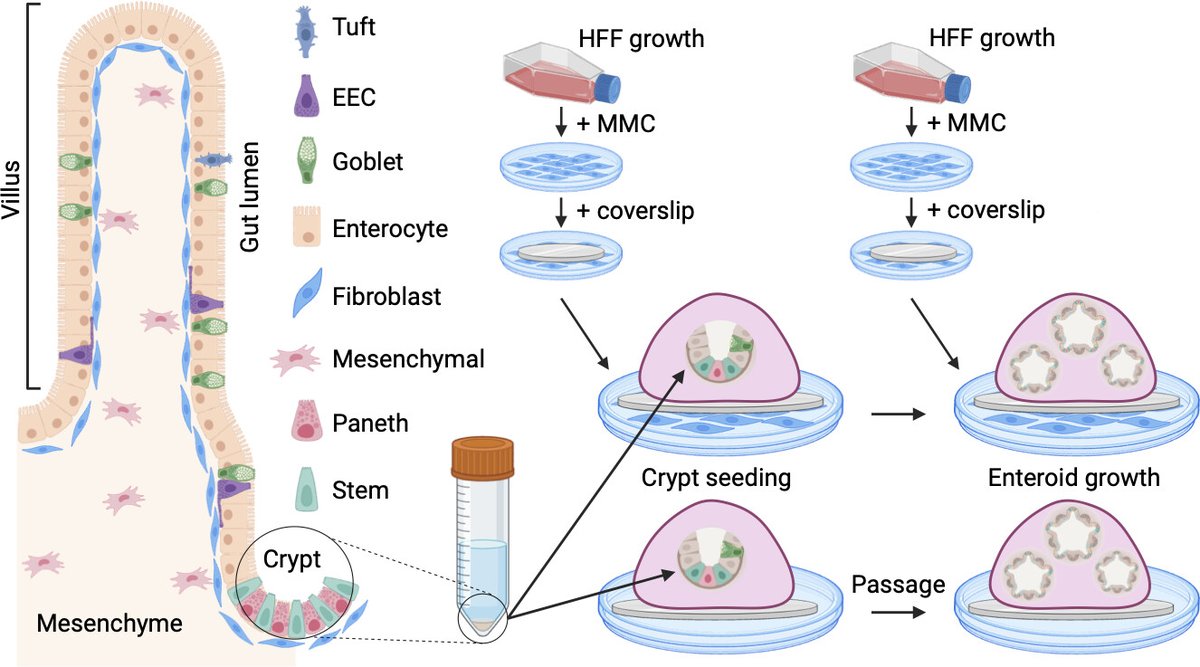
🧫 Researchers at @UWMadison introduced a method of co-culturing adult feline small intestinal organoids with growth-inhibited human foreskin fibroblast feeder cells to enhance organoid proliferation and survival.
@mSphereJ | https://t.co/OevDcGWS0N
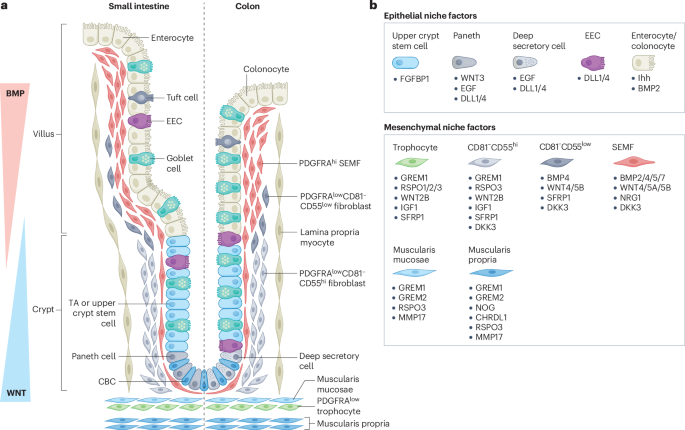
Piezo1 regulates colon stem cells to maintain epithelial homeostasis through SCD1-Wnt-β-catenin and programming fatty acid metabolism. Check out the full study by @2024_HUST Jun Song & colleagues in @CellReports#ISSCR2025 https://t.co/KyL0eCozAq