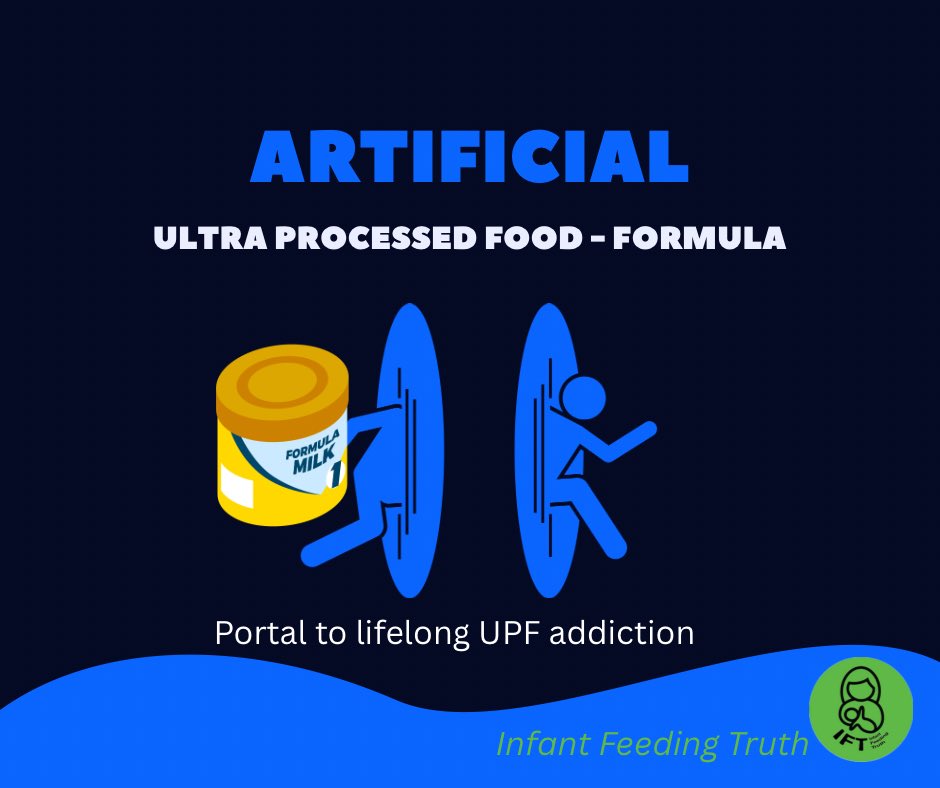
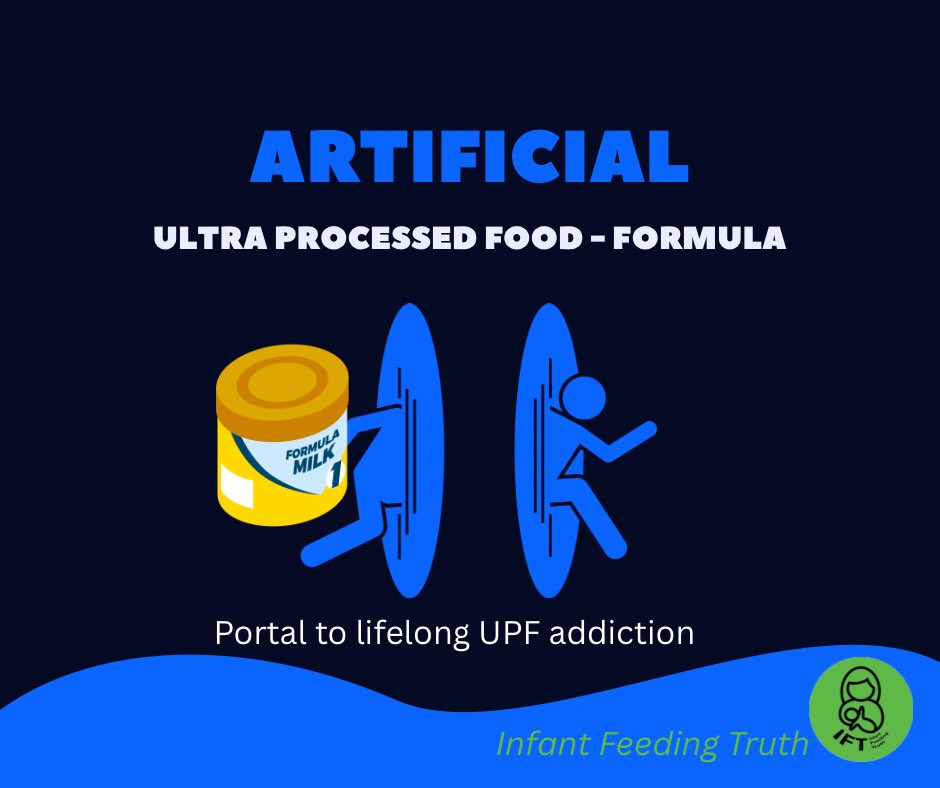
Formula: The One-Way Trap
Mothers are led to believe they are simply adding formula into the mix. In reality, many are crossing a biological threshold from which returning to full breastfeeding becomes extremely challenging. The decision that formula marketing presents as light and low-stakes is actually monumental and often irreversible.
No other everyday consumer product has this kind of built-in, biological self-destruct mechanism for a competing natural process.
Formula use diminishes mother milk supply. @US_FDA this must be on the label
Australian Competition & Consumer Commission acting to protect vulnerable #consumers. #Babies fed with bottles. Well done for quick action @acccgovau
Now, let’s get better maternity care & more maternity leave so mums have time to care for babies https://t.co/6vYZVNyW90
By classifying and marketing infant formula as an ordinary food or routine source of nutrition, we create a dangerous illusion of equivalence and safety.
In reality, infant formula is a highly processed, industrially manufactured product.
Recent analyses using the NOVA classification system show that the vast majority of commercial baby foods and formulas qualify as ultra-processed foods (UPF).
They are assembled in factories from refined ingredients, vegetable oils, added sugars or sweeteners, thickeners, emulsifiers, stabilizers, and other additives - often with detectable levels of heavy metals like lead and arsenic.
By continuing to call both breast milk and formula “foods” or sources of “nutrition,” we diminish the profound biological reality of breastfeeding and artificially elevate a highly processed caloric replacement to an undeserved status of normalcy and equivalence.
@US_FDA please require health risk warnings for mothers and babies on formula packaging. Families deserve to make informed choices. Informed choice is choice.
When a formula company makes any comparison to breastmilk, it presupposes that a meaningful and appropriate comparison is possible.
It is not.
Breastmilk's bioactive complexity cannot be replicated through current manufacturing, if ever.
@US_FDA don't let the formula industry fool parents with deceptive marketing.
📝 | #ClimateChange is causing unprecedented damage to our ecosystem, but while the impacts of altered environmental factors on food security are well known, the effects on #FoodSafety receive less attention.
The Australian government must act to protect #breastfeeding from exploitative advertising of all baby milk formula products. They’ve sat on their hands for 2 decades despite consumer alarm & expert advice exposing millions of kids to health risk. #auspol https://t.co/qpkkaXFwPC
For decades, the commercial milk formula (CMF) industry has used underhand marketing strategies, designed to prey on parents' fears and concerns at a vulnerable time, to turn the feeding of young children into a multibillion-dollar business.
The immense economic power accrued by CMF manufacturers is deployed politically to ensure the industry is under-regulated and services supporting breastfeeding are under-resourced.
These are the stark findings of the 2023 Breastfeeding Series, published in The Lancet.
@MaritKolby We only need look at the adverse health impacts on children from UPF. @AmbGlobalHealth@healthgovau we are still pushing artificial formula ultra processed food powder - formula on babies in Australian hospitals.
How long until multiple law suits begin?
@drkeithsiau Acceptance is a huge achievement. Learning coping skills stops the self admonishment. Breaking tasks into portions with breaks is just one of many skills that help
@MaritKolby Yet we continue to experiment with premature infants and UPF. We also have not moved to reduce the use of UPF for all infants.
The evidence is clear UPF has a negative impact on health. Infant formula is UPF category 4