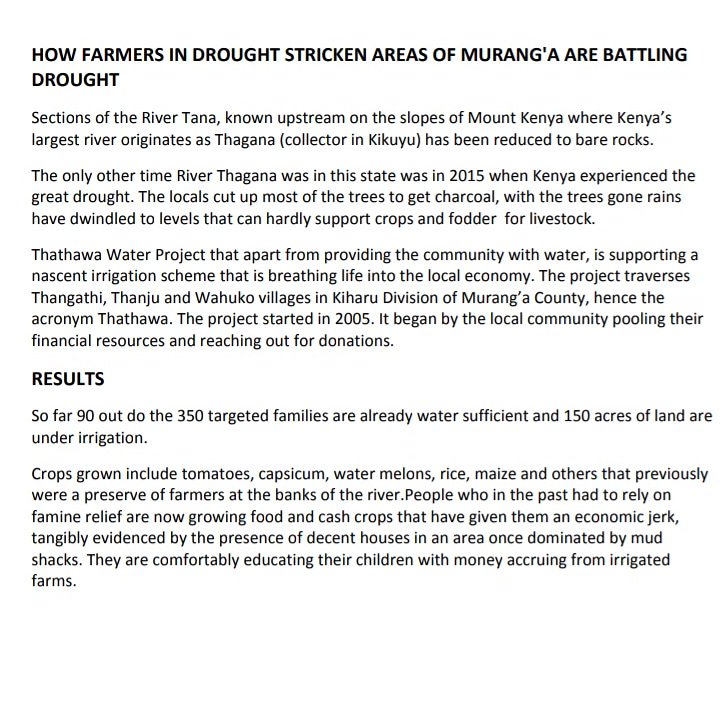
Water resources in Kenya are under pressure from agricultural and other human https://t.co/D2at5UiygK the damming of the Omo river by the Gilgel Gibe III Dam together,with the plan to use 30% to 50% of the water for sugar plantations will create significant environmental issue
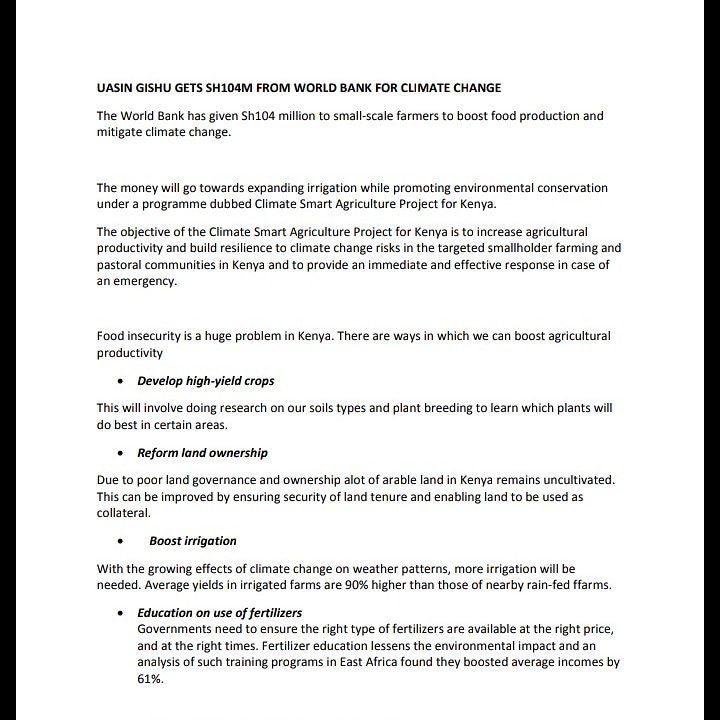
Being proud of Uasin Gishu and world bank for working together to mitigate climate change and increase in good quality of agriculture products working to also solve food insecurity ..WHAT ARE YOU DOING IN YOUR ON PERSONAL ,COUNTY OR INDUSTRIAL LEVEL TO HELP TOO???
Reducing plastic bag use has two major effects ;
1. It minimizes the creation of waste, which mostly drifts into the worlds oceans, harming marine
life
2. Reduces air pollution caused by burning single-use plastic.
NOW YOU KNOW!!!
#ecasinaction
A plastic bag is made of thin, flexible, plastic film non-woven fabric or plastic textile
They are made of ubiquitous (found everywhere) polymer substance called polyethylene, which begins
as ethylene commonly extracted from natural gases, then treated to become the polymer.
Land should be viewed as a unit of production not a source of investment, most Kenyans buy land with a hope of the price appreciating latter to sell it, this just makes it a stranded asset that fuels inequality #SDGsChallenge#MySDGs#SDGsWeek @KenyaPlatform
The subject of climate is not one we wake up thinking about ,,but its as crucial and needs much thought ..ARE YOU ENCOURAGING ONE USE PLASTIC?? YOU SHOULD RECONSIDER YOUR ACTIONS..#Climatechange#reduceplasticuse
Trees
🌲 help #BeatAirPollution
🌳 cool temperatures in cities
🌴bring mental health and well-being benefits for people
Are a key way to mitigate #climatechange
Learn more 👇
https://t.co/lubOtz4hgm
#NewYorkCity recently passed the #Climate Mobilization Act, a historical legislative step to reduce the city’s carbon footprint by 2050.
Green roofs 🏢, solar panels ☀️, wind turbines 🌬 on buildings will make the city more livable for residents and decrease the amount of CO2.
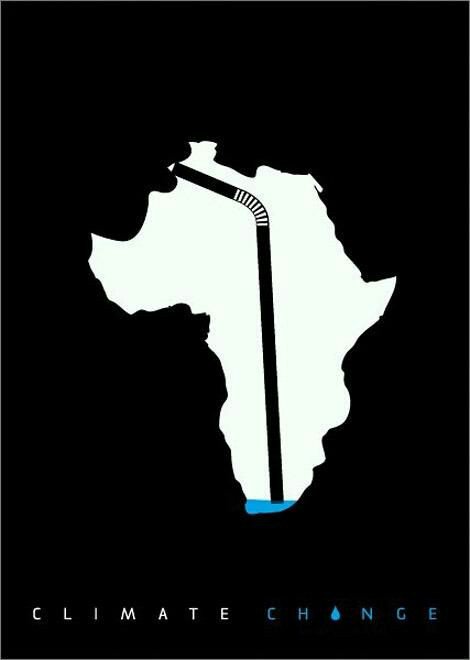
Did you Know that Nearly 97% of the world’s water is salty or otherwise undrinkable. Another 2% is locked in ice caps and glaciers. That leaves just 1% for all of humanity’s needs — all its agricultural, residential, manufacturing, community, and personal needs.