Ipsa One is an association (📍Paris) that gather about 60 students passionned by SPACE.
Our project? Building a propelled 3U CubeSat. Ready to join the mission?
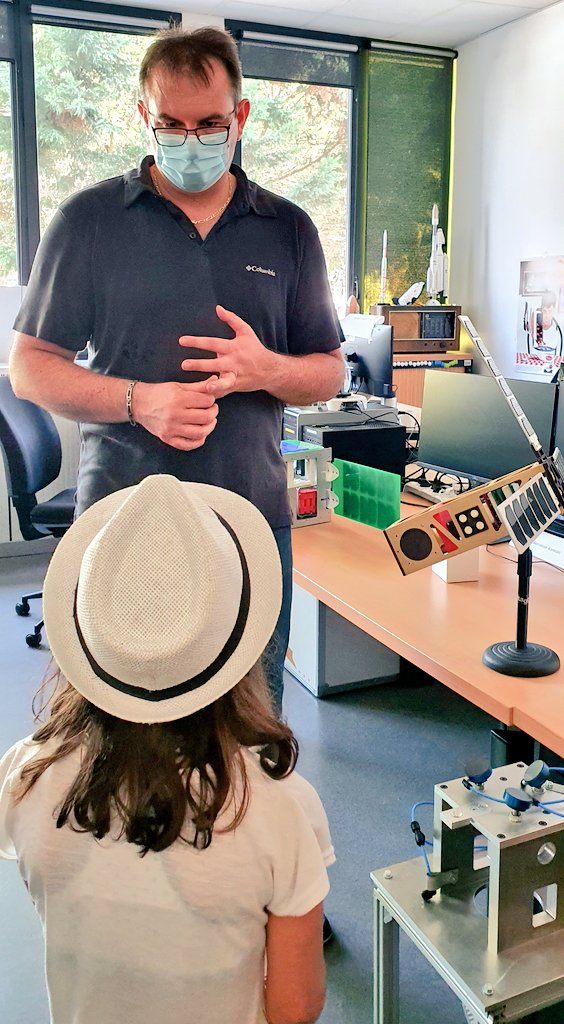
Visite spéciale au @CSUT_Officiel pour une jeune fille intéressée par le spatial. Merci @Matthieu_Compin.
C'est au plus jeune âge qu'il faut intéresser les enfants aux sciences, et plus particulièrement les filles #WomenInSTEM
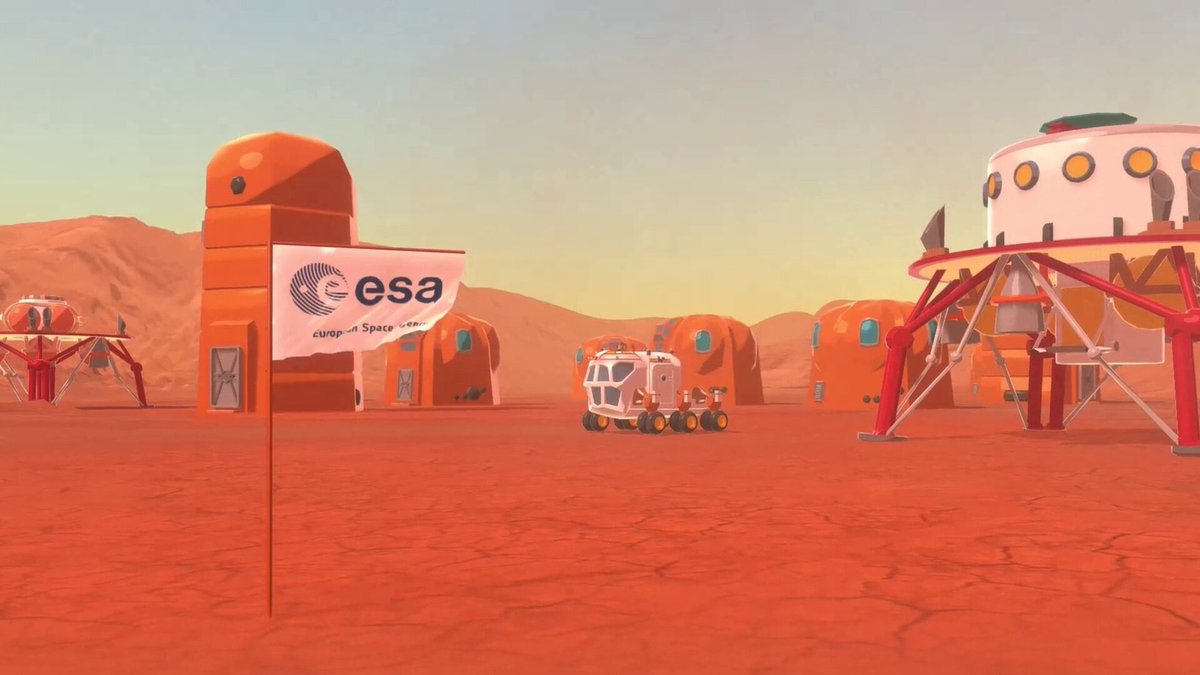
#MarsHorizon le jeu de simulation d'agence spatiale développé par @AurochDigital en partenariat avec l'@esa ouvre une bêta publique du 27 Avril au 4 Mai !!
Je vais ÉVIDEMMENT le découvrir en stream lundi !! Il a l'air incroyable
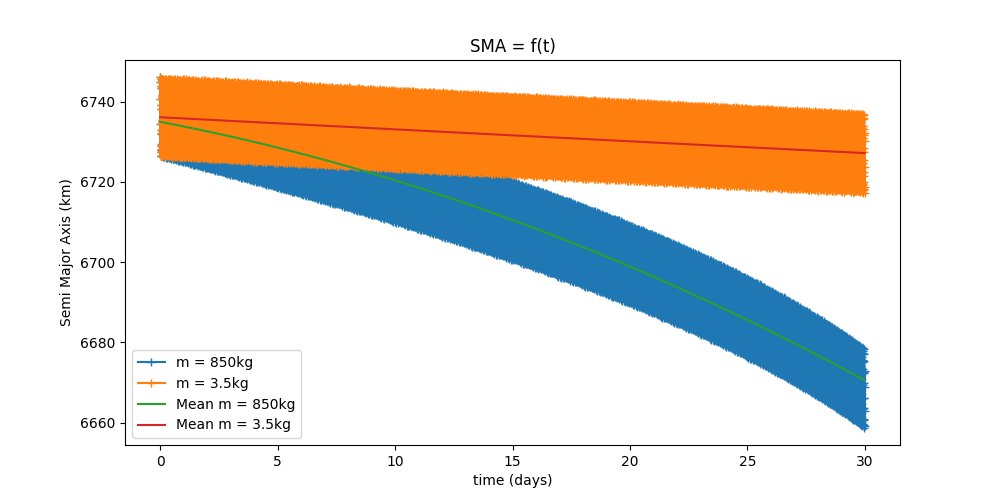
@IanJohnBuckley@ea4gpz 6740 km from the center of the Earth. So the software (GMAT created by @NASA) counts the radius of the Earth in this value. The apogee of the orbit is only 369 km. So area and drag are indeed a factor that can not be neglected, especially when our mission is to counter drag.
See how the semi major axis (longest diameter of an ellipse) decreases through time. The decline ramps up as the mass of the orbiting satellite increases. 🧐🛰️
Credit : Maxime Sabbadini, orbitography team of IPSA ONE
La sonde #OSIRISREx est à présent plus proche de Bennu qu'elle ne l'a jamais été, sous les 250m d'altitude. Les propulseurs seront rallumés à environ 75m d'altitude. La descente est extrêmement lente, tout se passe bien.
First take a high-resolution digital model of the #Moon, accurate down to 5 m, then combine it with historic #lunar instrument data, to gain highly-accurate and scientifically valuable recreations of missions such as @NASA's #Apollo15 and @ESA's #SMART1 https://t.co/8OHSsdvnvI
Il est souvent difficile d'appréhender l'échelle des paysages photographiés par le rover @MarsCuriosity. Il manque en effet des éléments de comparaison connus : végétation, arbres, ...
J'ai donc ajouter #MattDamon dans #TheMartian dans ma dernière mosaïque martienne.
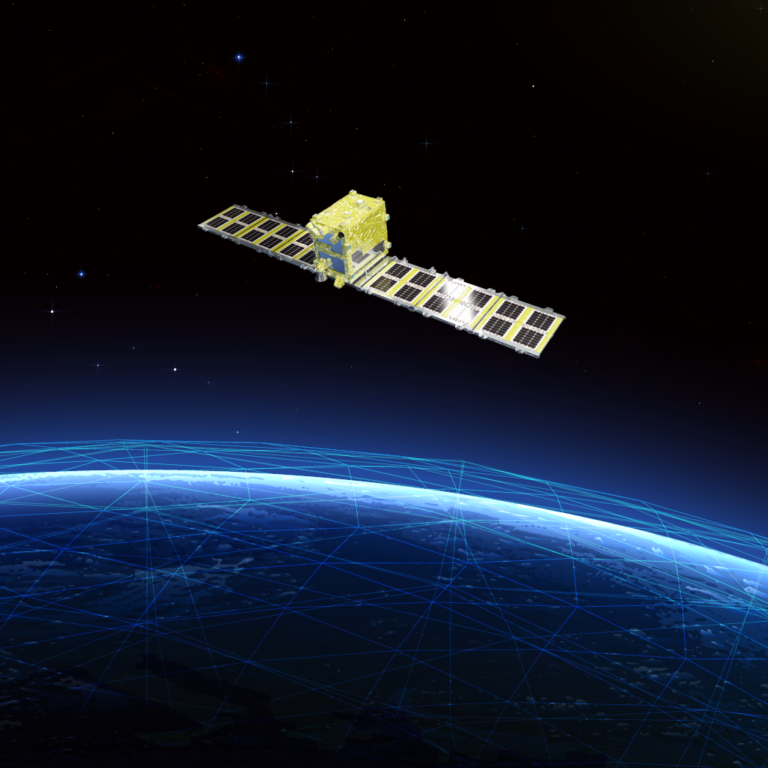
Japanese satellite company Synspective signed a deal with Rocket Lab to launch the StriX-α synthetic aperture radar satellite on an Electron rocket later this year from New Zealand.
It will be the first in Synspective’s planned StriX constellation of around 25 SAR satellites.
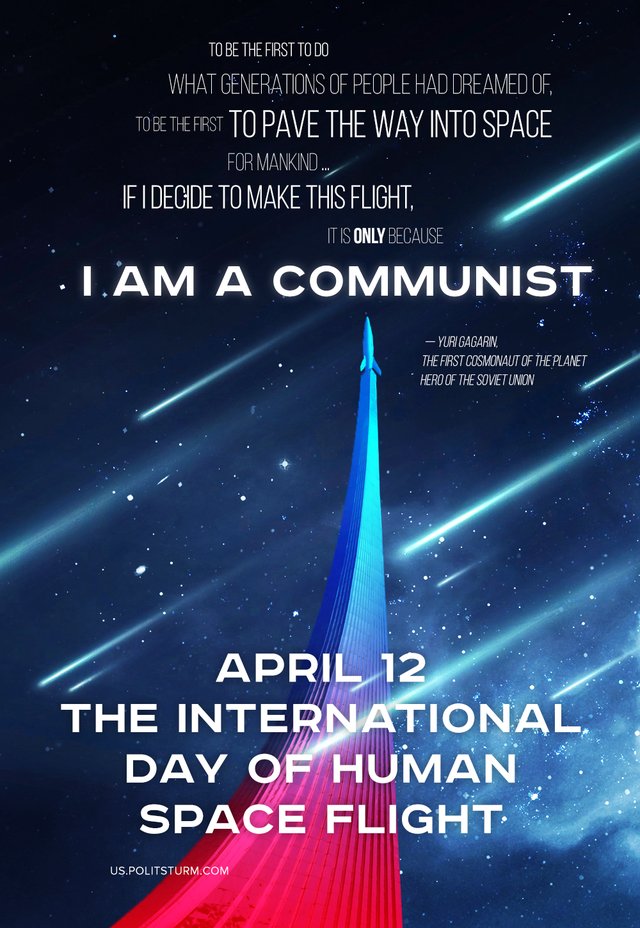
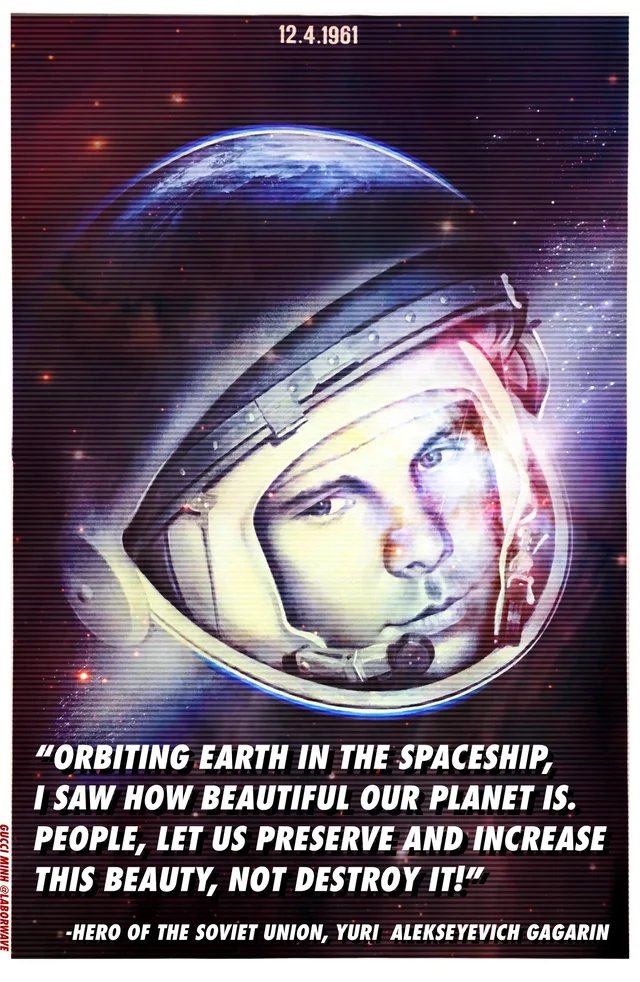
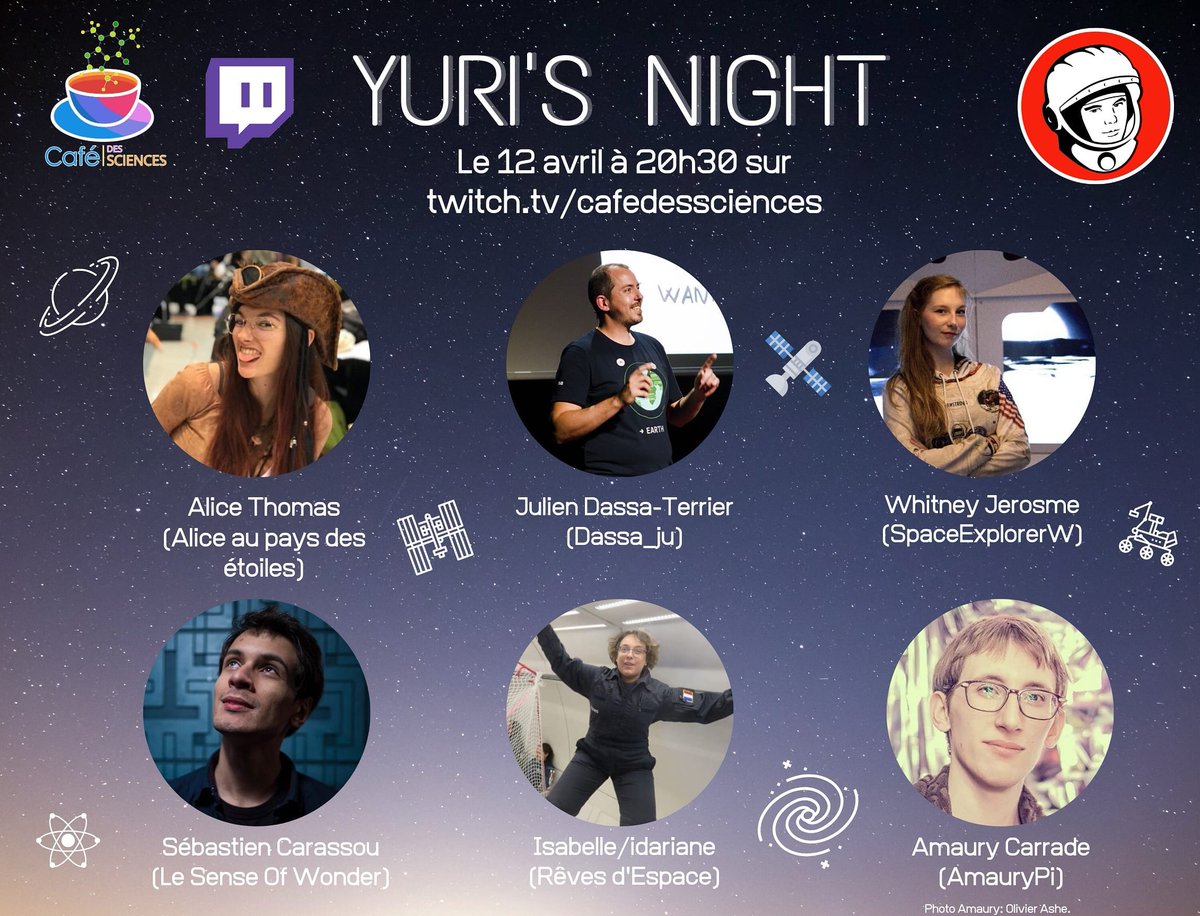
Le 12 avril 1961, le cosmonaute Youri Gagarine devient ainsi le premier homme dans l'espace, et une véritable inspiration pour toute la conquête de l'espace jusqu'à aujourd'hui.
Envie de poser des questions à des gens qui construisent des fusées ? N'hésitez pas, ces gens sont non seulement super intelligents mais également super sympas et mercredi. Allez venez on pense à autre chose qu'à notre 1680ème semaine de confinement.