I think this was one of the most important datasets for breast oncologists at #ASCO26: the ET-use analysis in the HR+/HER2+ cohort of HER2CLIMB-05.
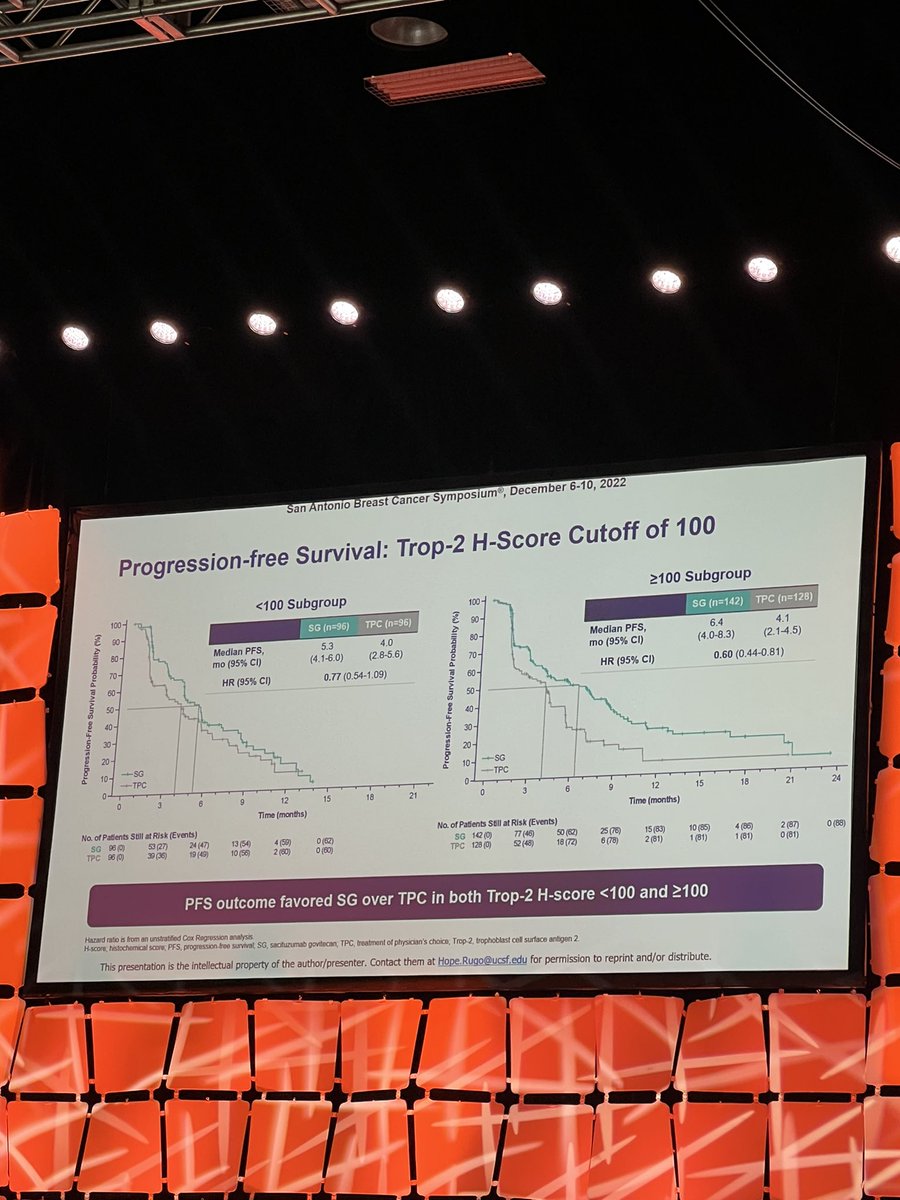
In HER2CLIMB-05, PFS curves in HR+ patients who received ET appear to be maintained for a longer period, with a lower rate of early progression. In contrast, the curve in patients who did not receive ET starts to decline earlier and more prominently.
This was not an ET-randomized analysis. So it would be methodologically wrong to say directly that “ET improved PFS.” But the direction of the curves is highly consistent with the biology of HR+/HER2+ disease:
Suppressing HER2 while leaving the ER axis untreated may represent undertreatment, particularly in the maintenance setting.
PATINA provides the cleanest comparison here. In PATINA, ET was not the question; it was the backbone. All patients received anti-HER2 therapy plus ET. Even the control arm included ET. Palbociclib was added on top of this backbone and improved PFS from 29.1 to 44.3 months.
So one of the key messages of PATINA was not only “add a CDK4/6 inhibitor.” The more fundamental message was this:
In HR+/HER2+ metastatic breast cancer, the biological backbone of maintenance therapy should be anti-HER2 therapy plus ET.
HER2CLIMB-05 reminds us of the same point from another angle. Disease control appears to be maintained longer in patients receiving ET, while early progression seems more evident in those not receiving ET.
In my view, maintenance treatment in HR+/HER2+ metastatic breast cancer should no longer be thought of simply as “continue anti-HER2 therapy.”
Anti-HER2 therapy is the backbone.
But the ER axis should not be left untreated.
In this patient group, maintenance ET should not be viewed as an optional add-on; omitting it should require a clear clinical justification.
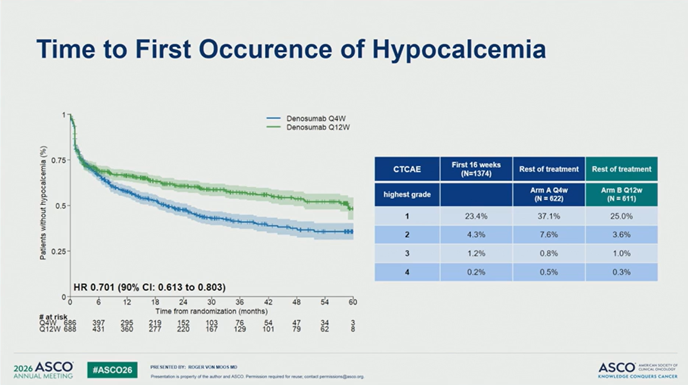
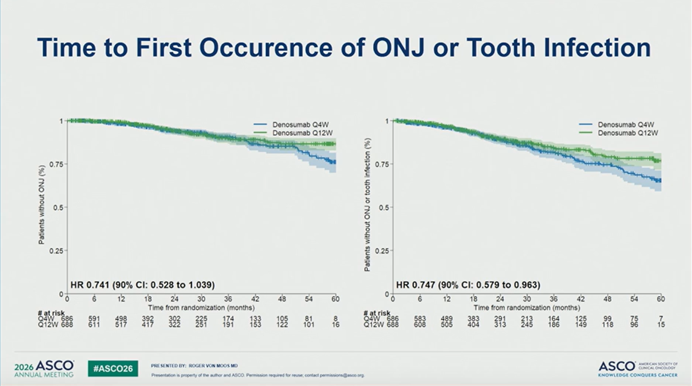
One of my favorite abstracts of this #ASCO26 - reduced denosumab dose intensity (q12w) is NON inferior to q4w in pts with mBC or mCRPC, with improved safety profile in terms of risk of hypocalcemia and osteonecrosis of the jaw
Practice changing!!
@OncoAlert
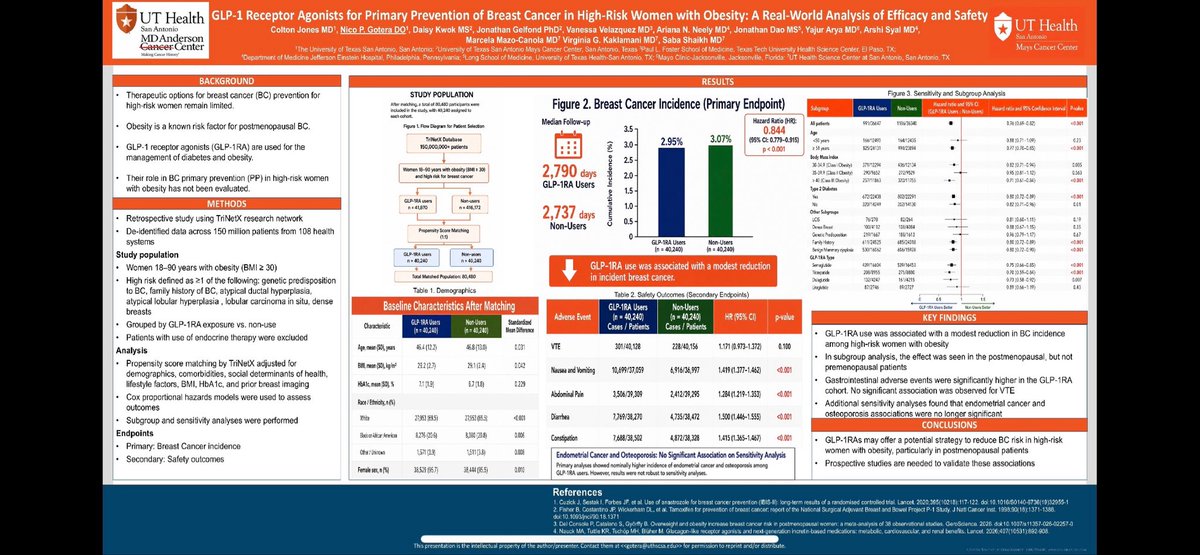
GLP1 may decrease the incidence of breast cancer. Small but significant effect. Data from our group presented at #asco26. Have we found a new tool for risk reduction? @LSOM_HemOnc@SabaShaikhMD
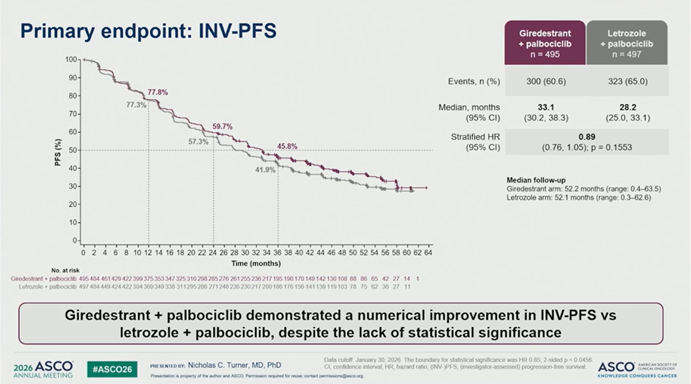
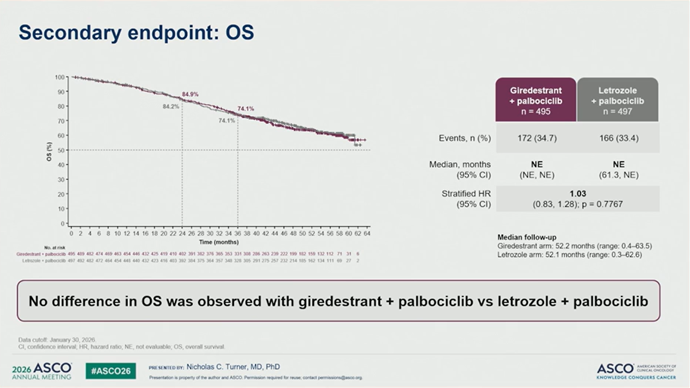
At #ASCO26 metastatic #breastcancer session, results of the PersevERA trial
First line palbo + giredestrant did not significantly outperform palbo + AI
@OncoAlert
Highly impactful update from SERENA6. Very nice plateau in the PFS curves with longer follow up, and dramatic reduction in ctDNA and improvement in QoL which suggests deep benefit. Harder to interpret PFS2. Hoping to have this option available for our patients soon. #ASCO26
VIKTORIA-1: impressive PFS improvement with fulvestrant + gedatolisib (vs alpelisib), with doubling of PFS (with solid control arm!). Palbo doesn’t seem to add much. Caveats: weekly IV administration and high rates of stomatitis. Hope to get this option approved for our patients.
#ASCO26
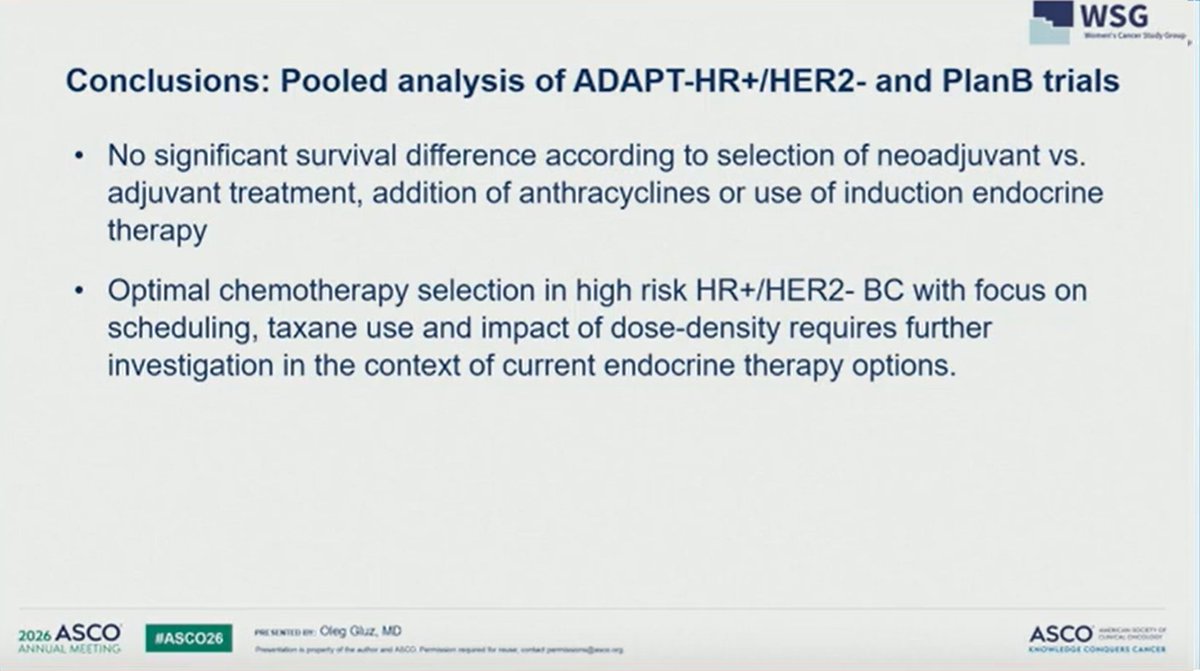
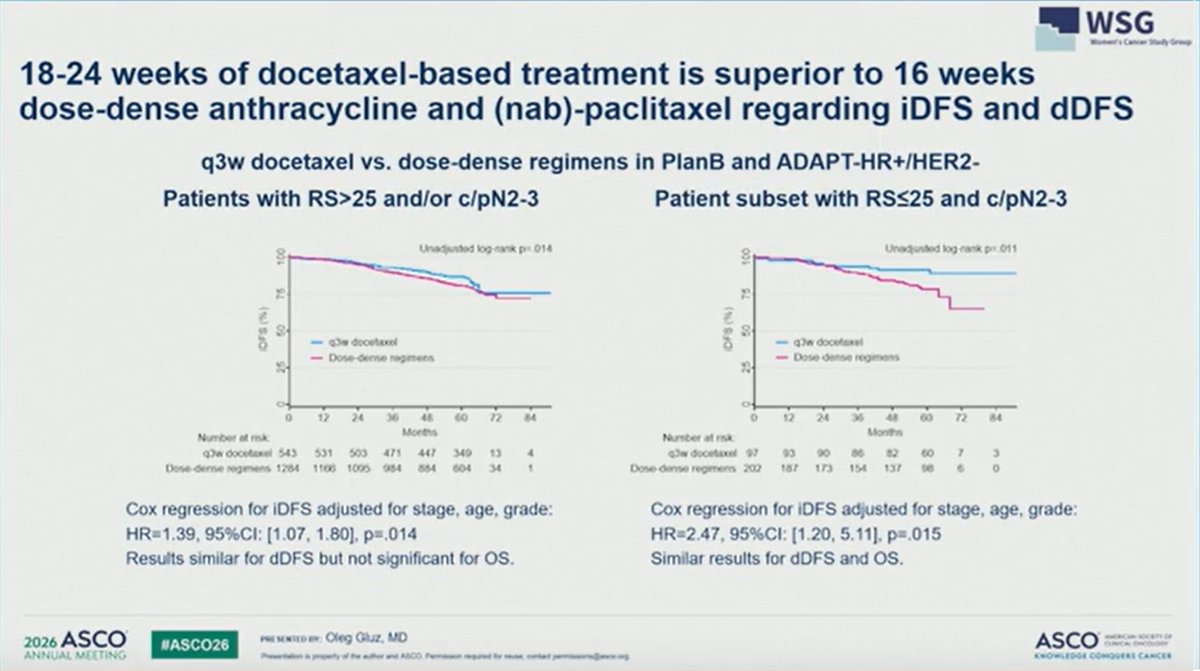
ADAPT + PlanB pooled analysis in high-risk HR+/HER2− eBC:
Neoadjuvant vs adjuvant chemotherapy: no difference
Addition of anthracyclines: no significant survival benefit
q3w docetaxel-based therapy showed a better iDFS/dDFS signal than dose-dense paclitaxel/nab-paclitaxel → anthracycline-based approaches.
#DB05 update on #ILD with T-DXd
10% ILD 🫁 , 2 cases fatal
Radiation pneumonitis ☢️ (RP) incidence ~ 30%
Having ILD did not ⬆️ chance of RP
📌No diff in ILD 🫁 based on sequential or concurrent radiotherapy ☢️
Moderate renal dysfunction ⬆️ risk ILD
#ASCO26
DEDiCA: Mediterranean diet and increasing vitamin D level, shows meaningful benefits in ER+ breast cancer, adding to growing evidence that lifestyle interventions can influence outcomes.
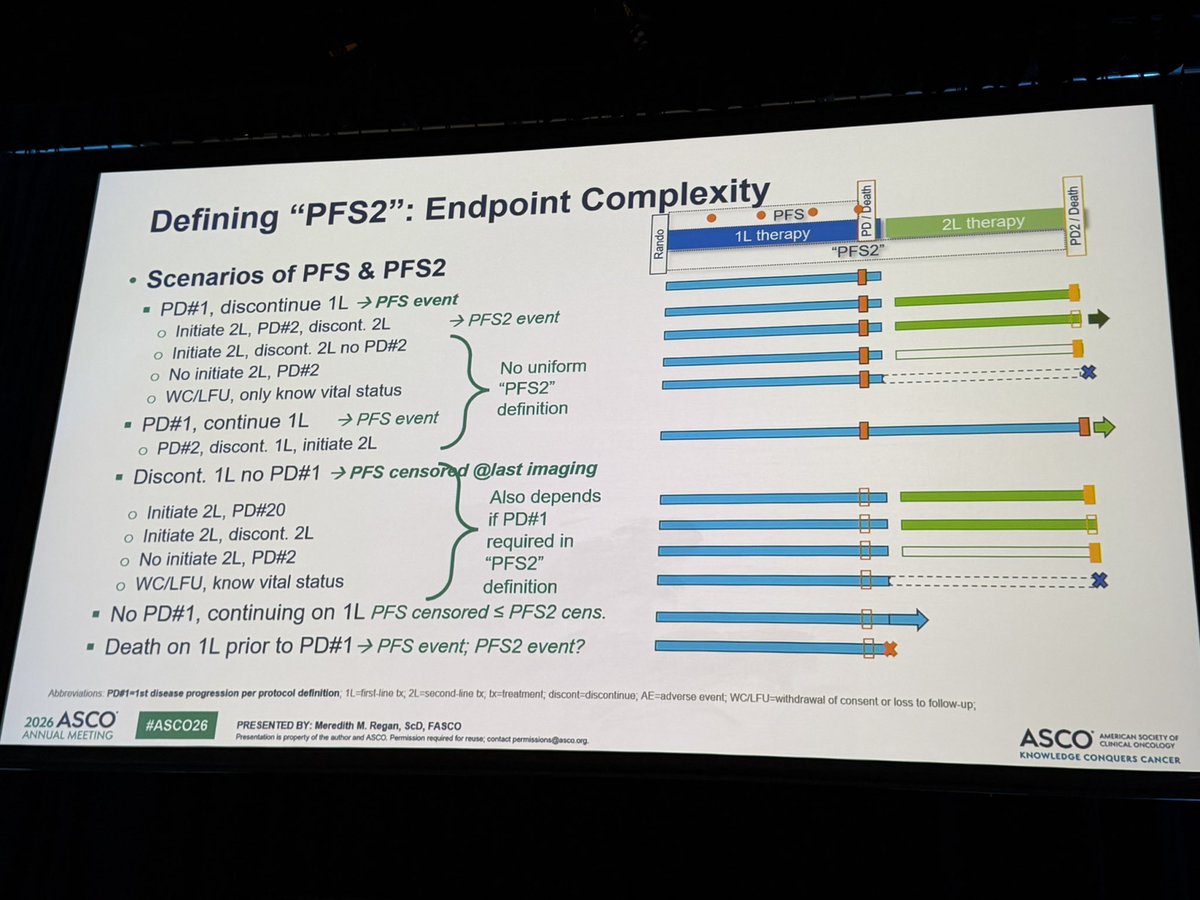
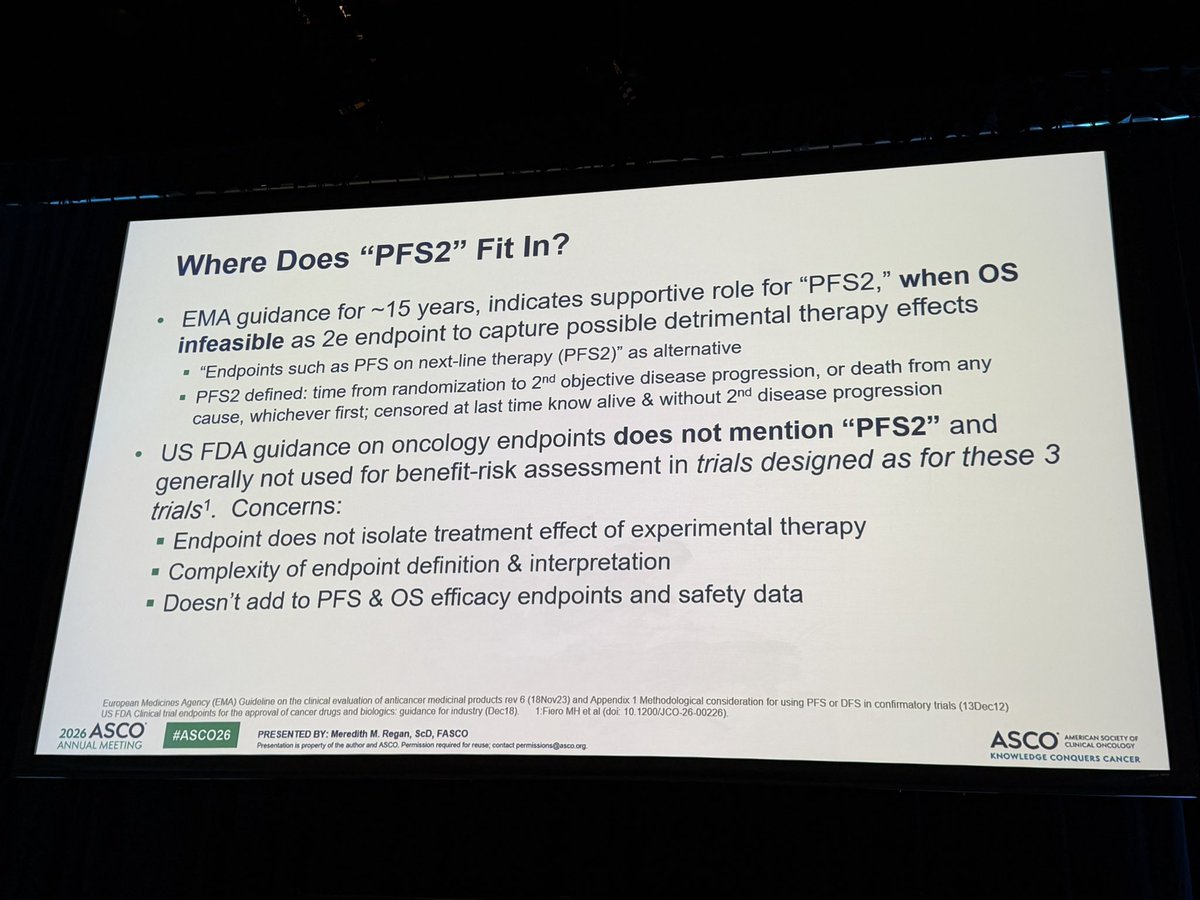
❓Does PFS2 add on established PFS and OS endpoints?
An amazing educational discussion by Meredith Regan about PFS2, highlighting complexity and pitfalls in PFS2 interpretation
Large collaborative efforts are needed to demonstrate the surrogacy and optimal definition of PFS2
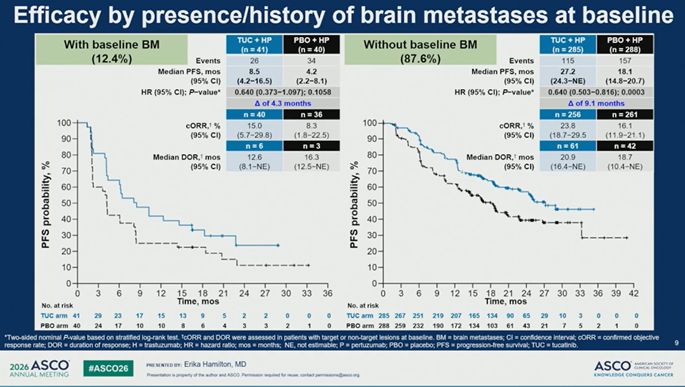
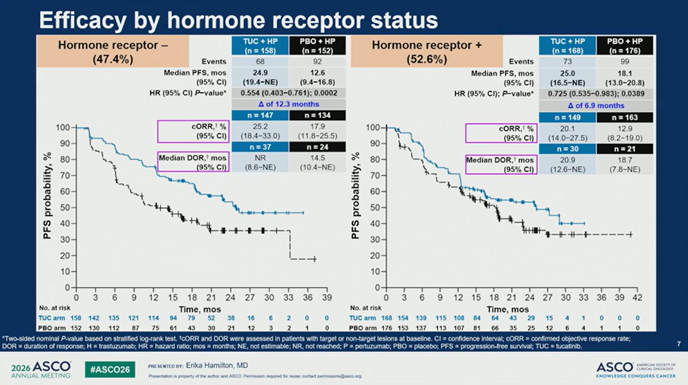
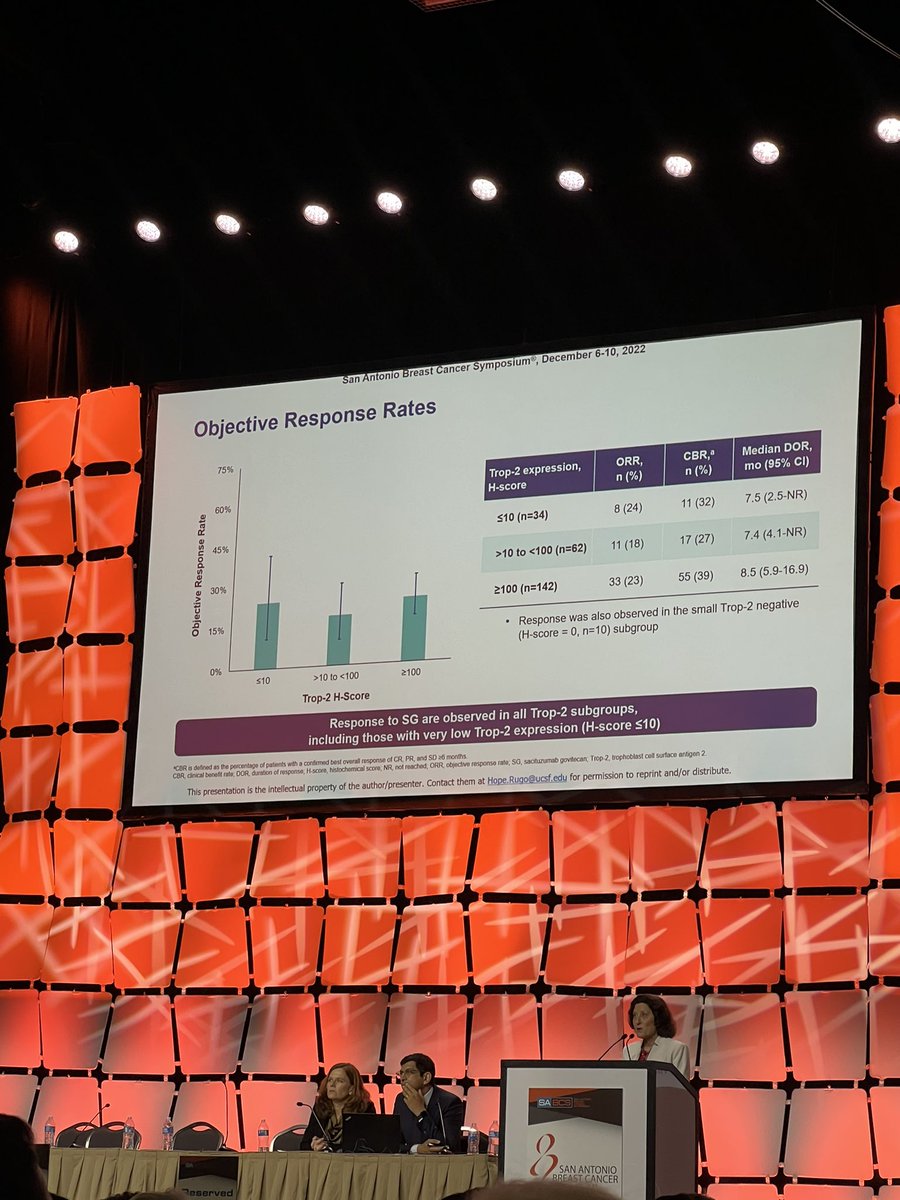
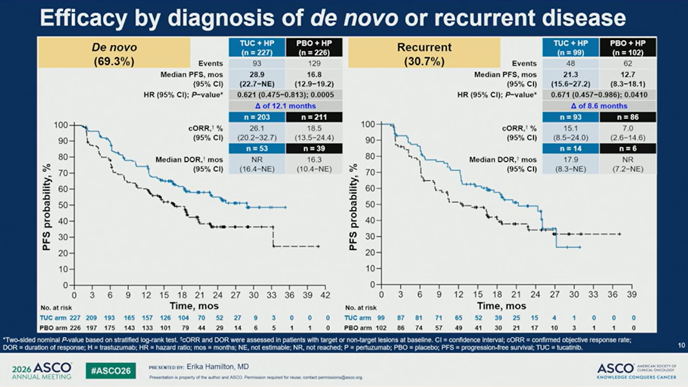
At #ASCO26 metastatic #breastcancer session, @ErikaHamilton9 presents efficacy and safety data of HER2CLIMB-05 by stratified subgroups
Tucatinib was associated with consistent benefit in all subgroups (de novo/recurrent, HR+/HR-, baseline BM or not)
@OncoAlert
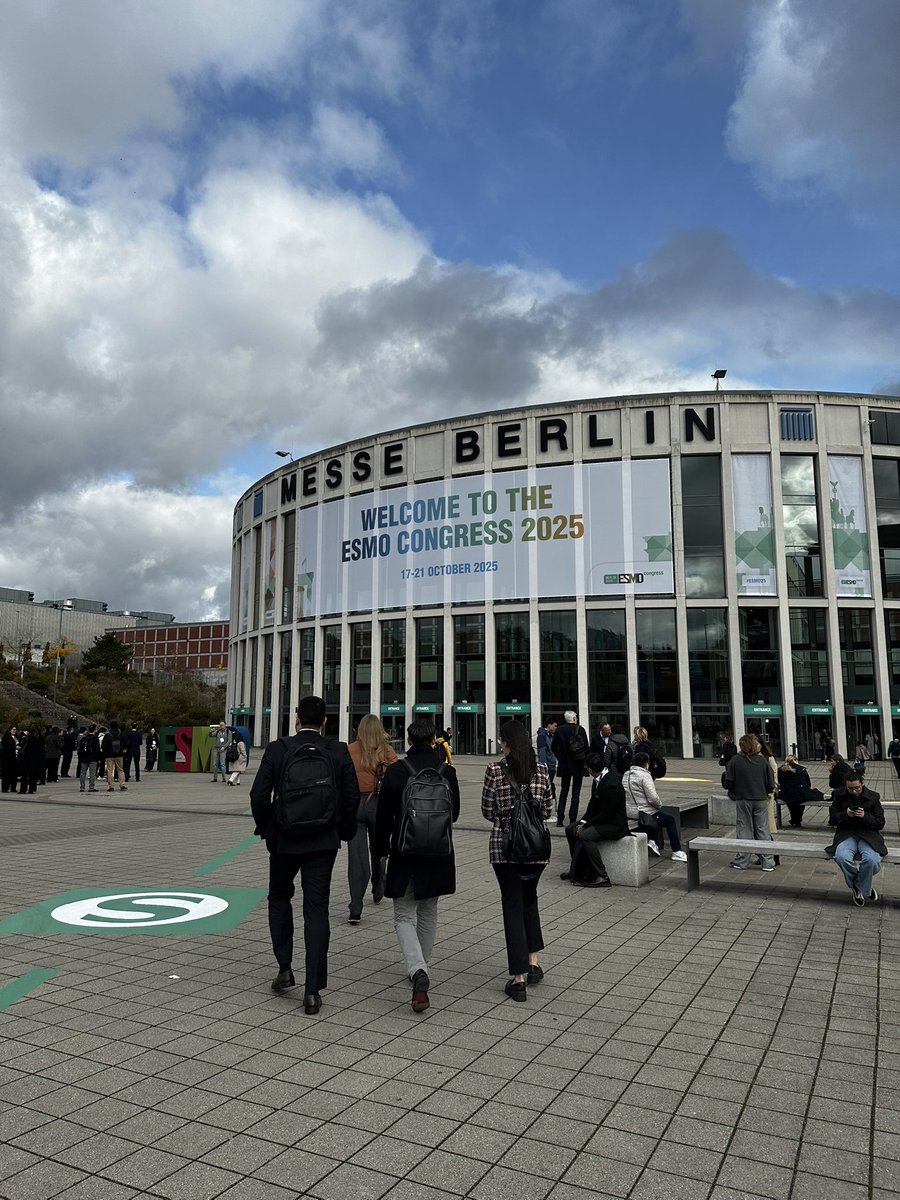
Excited to be at #ESMO25 in Berlin celebrating 50 years of advancing cancer care.
Ready to dive into the latest breakthroughs and bring new insights back to my patients and practice. 💙
#Oncology#BreastCancer#ESMO2025
ASCO 2024 🤍
In Chicago for the world's largest oncology conference.
An excellent opportunity for updates and knowledge exchange that can impact our clinical practice and improve patients' lives.
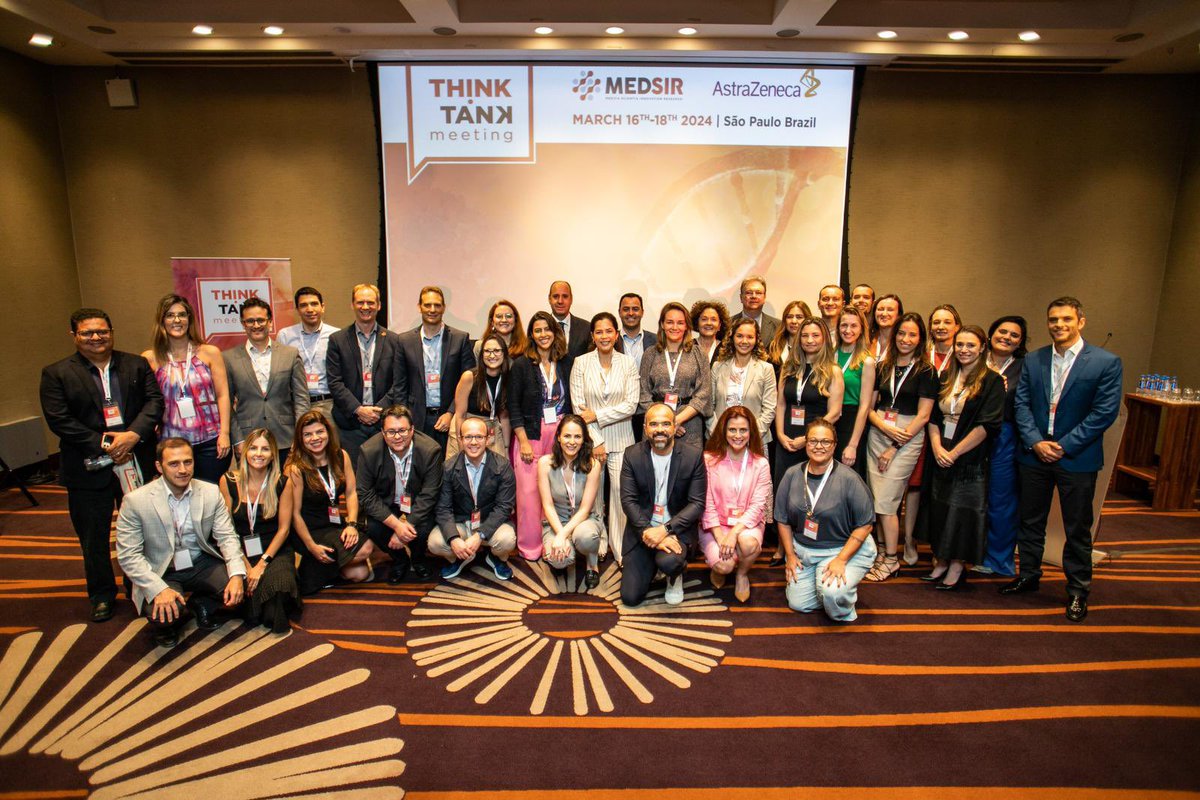
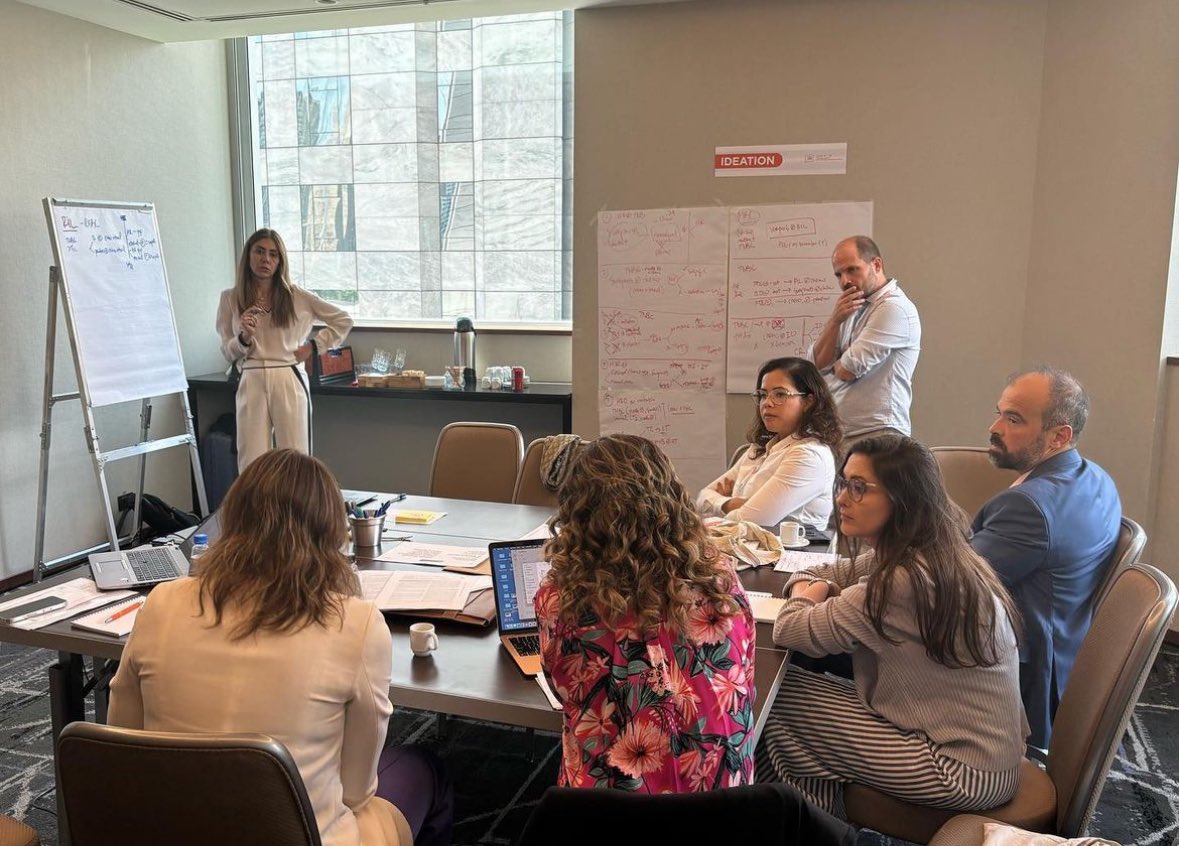
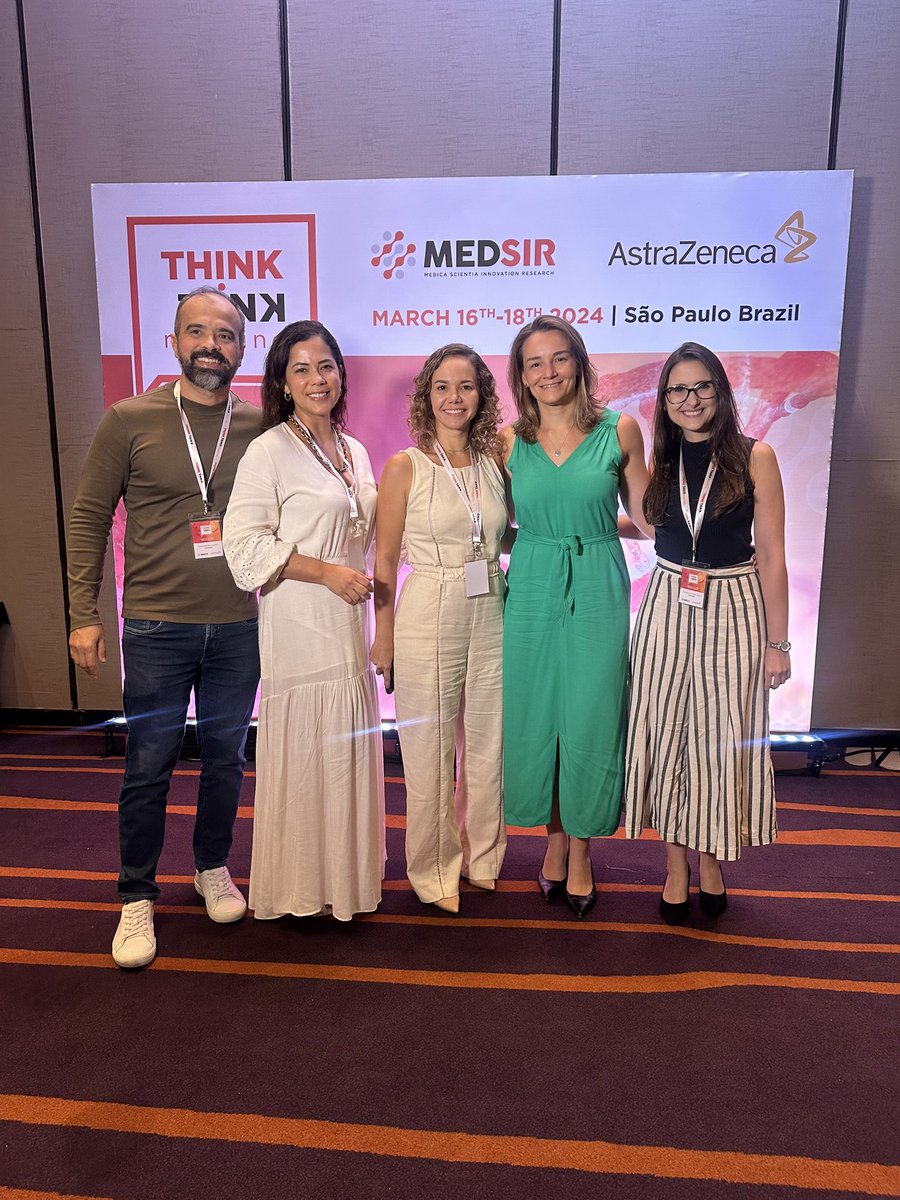
I would like to express my deepest gratitude for the opportunity to participate in the clinical research workshop organized by @AstraZeneca and @wearemedsir .
Thinking outside the box.
@JavierCortesMD@FernandoOnco
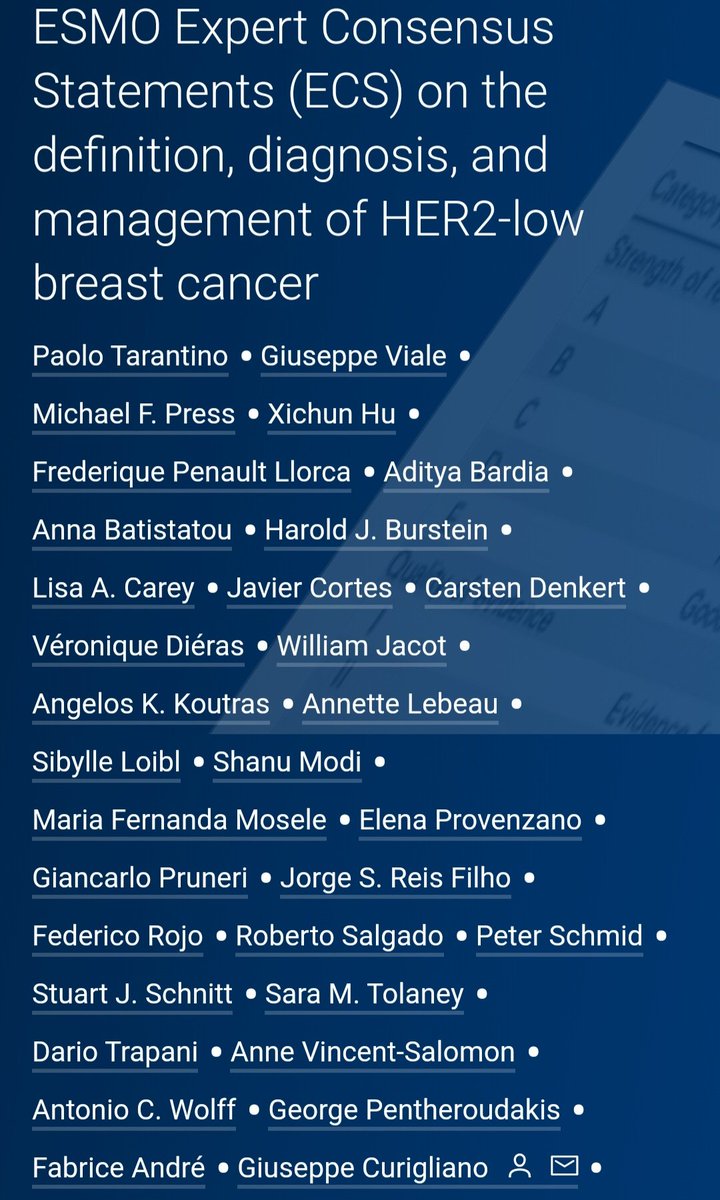
ESMO Expert Consensus Statements (ECS) on the definition, diagnosis, and management of HER2-low BC
💥Consensus report of 32 leading experts on breast cancer.
The answer to every question about HER2-low👇
@PTarantinoMD@OncoAlert@Annals_Oncology
https://t.co/uDvEggjzg1
Chemotherapy + endocrine therapy had greater negative effect compared with endocrine therapy alone in CRCI (cancer related cognitive impairment) over time. Interesting data presented by @irenekangmd.