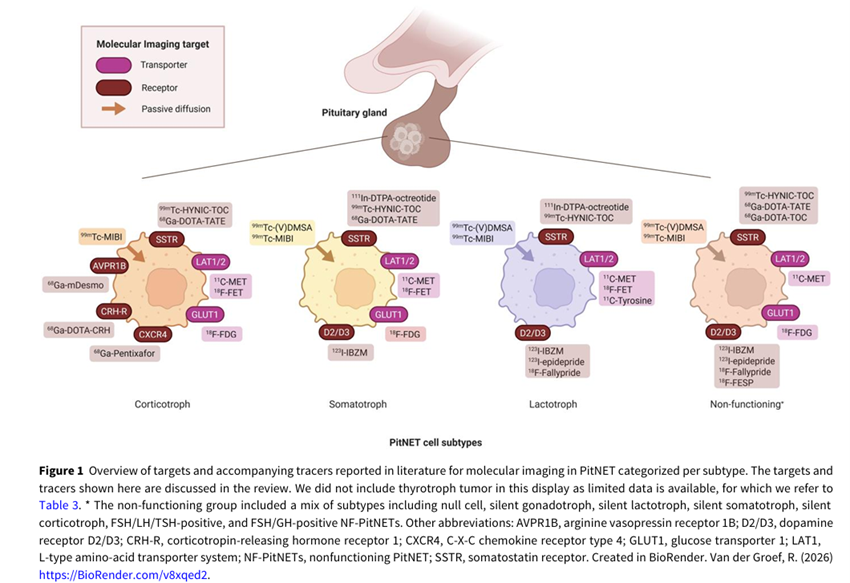
Molecular imaging in pituitary neuroendocrine tumors: a narrative review of advances, challenges, and future perspectives
* La imagen molecular ha surgido como un complemento prometedor para la evaluación de los tumores neuroendocrinos hipofisarios ya que la RM, a pesar de ser la principal modalidad de imagen, sigue siendo inconclusa en una proporción sustancial de pacientes
https://t.co/M0KA61aYLy
@NeuroendocrinoS
📢 Trabajo colaborativo Raul Luque y Grupo Andaluz @SAEDYN_ de #Neuroendocrinología y Tenerife, @IMIBIC , @IBiS_Sevilla@HUReinaSofia
Muestra alteraciones del sistema telomerasa/shelterina en Acromegalia y Cushing, identificando posibles biomarcadores y 🆕 dianas terapéuticas
La recurrencia del #HiperaldosteronismoPrimario tras CIRUGÍA, en una mediana de 7.4 años de seguimiento, es del 23%❗️
🚨 IMPORTANTE:
😱Casos con histología no clásica tienen mayor recurrencia: 60%
https://t.co/3uPKvdTX8T
@NeuroendocrinoS
Safety of biopsy in phaeochromocytoma and paraganglioma: an international, multicentre, retrospective cohort study - The Lancet Diabetes & Endocrinology🔴✅ https://t.co/uhwD5TguLB
@deltabloqueante Yo tapones para no oír aplausos, no vaya a ser que me suba más aún el ego de médico clasista y sin vocación que dicen que tenemos por no estar conformes con la situación laboral actual.
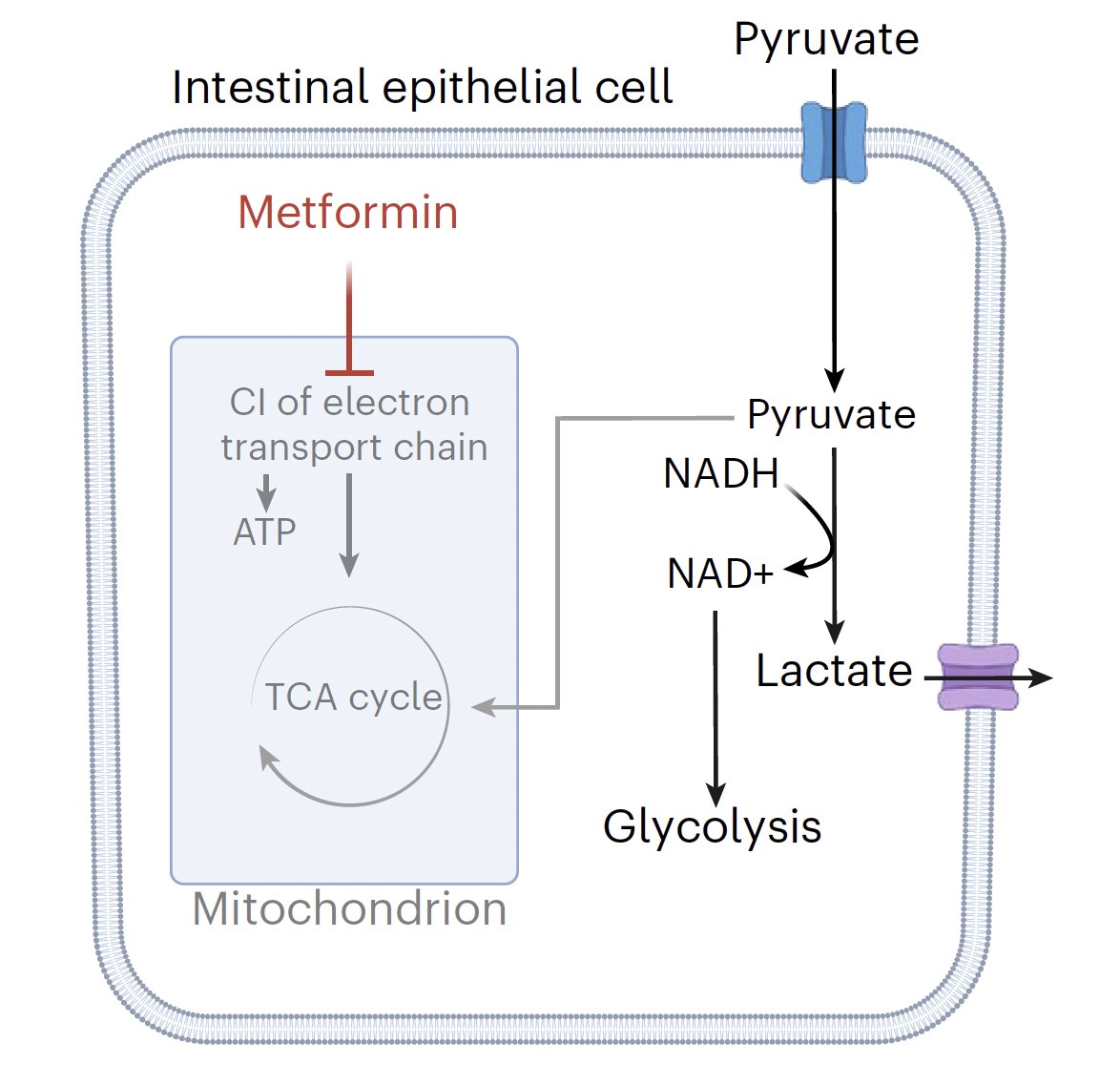
Metformin, one of the most commonly prescribed drugs, was thought to work via the liver. Check that. It's primarily through the gut. @NatMetabolism
https://t.co/i2CpZip61B
😊We´re celebrating the World Hormone Day with our publication in Endocrine Reviews
📌Acromegaly and Cardiovascular Disease: Mechanisms, Clinical Impact, and Evolving Management
#BecauseHormonesMatter#WorldHormoneDay
https://t.co/evjACfbvsy
Graves’ disease: a new era of pathophysiology-guided therapeutics | The Journal of Clinical Endocrinology & Metabolism | Oxford Academic🔴✅ https://t.co/CjLlkcliie
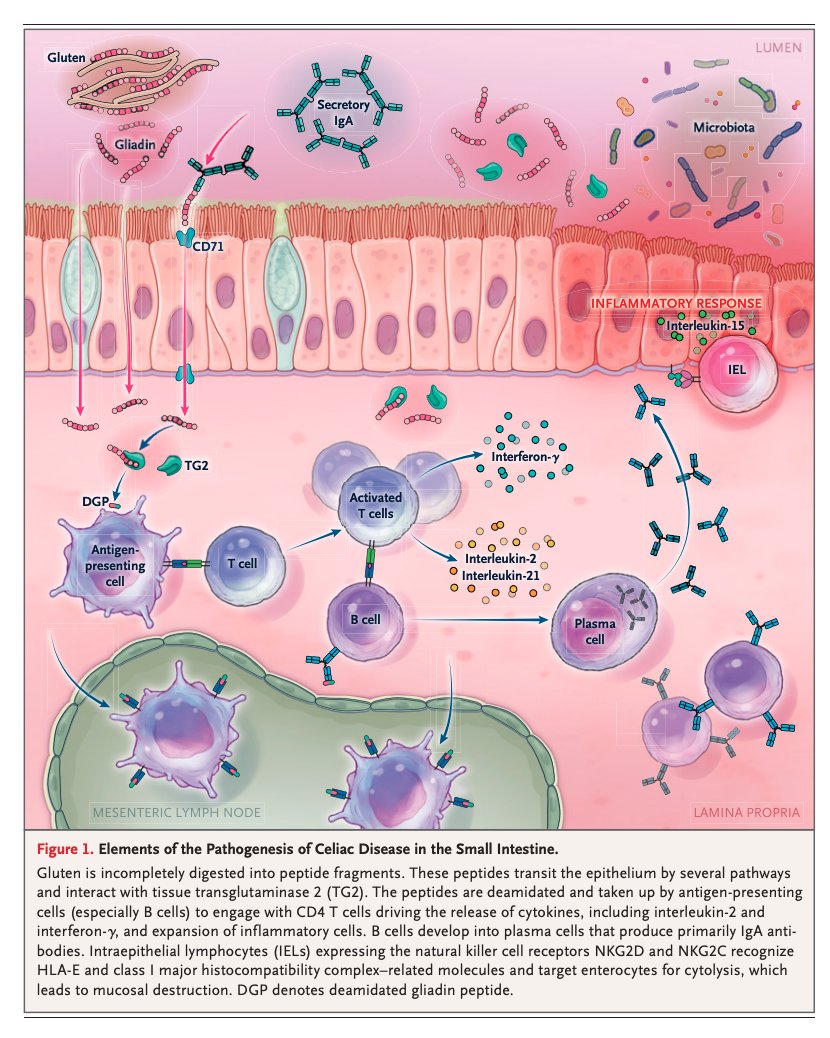
La última revisión de Enfermedad Celíaca, en NEJM (2026). Puntos clave:
🟢La prueba inicial de elección son los anticuerpos IgA antitransglutaminasa tisular (tTG-IgA). Peeero, siempre pide IgA total en conjunto (2% tienen deficiencia de IgA) y NO suspendas el gluten antes.
🟢 La biopsia sigue siendo el estándar en adultos: Aunque (tTG-IgA>10x el límite sperior + anticuerpos antiendomisio positivos) tienen VPP 99.9%
🟢 Casi 100% tienen haplotipo HLA-DQ2 o HLA-DQ8. Pero como 45% de la población general también: sirven solo para descartar.
🟢Presentación clásica de malabsorción: diarrea, pérdida de peso, esteatorrea, en realidad es rara. Más bien vemos síntomas inespecíficos, ferropenia, osteoporosis, hipertransaminasemia.
🟢 Si persisten con síntomas y atrofia a pesar de dieta sin gluten: cuidado; tienen mayor riesgo de desarrollar complicaciones malignas, en particular el linfoma de células T asociado a enteropatía.
Completo en (https://t.co/3O93s10Td0).
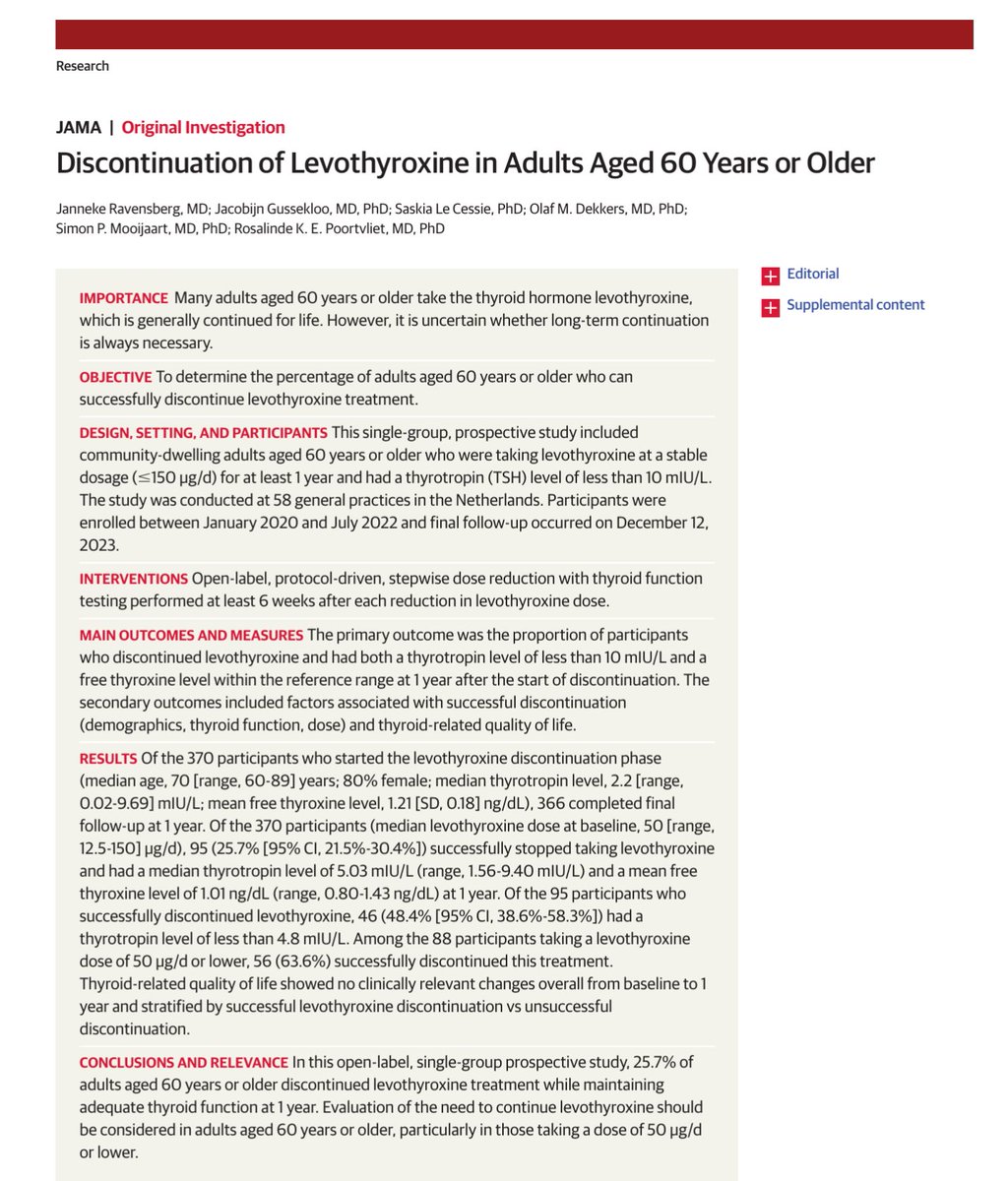
Too many people are put on lifelong levothyroxine for borderline TSH elevations or nonspecific symptoms, then never reassessed, yet trials show little benefit for most with subclinical hypothyroidism and risks from overtreatment like a-fib and bone loss. We need to normalize “deprescribing” thyroid hormone when it was started for borderline labs, low doses, or no clear diagnosis, and routinely see if patients can come off instead of renewing forever.
https://t.co/7OxpBMhy0u
European Society of Neuroendocrine Tumors (ENETS) 2025 guidance paper for lung and thymic carcinoids - Baudin - 2026 - Journal of Neuroendocrinology - Wiley Online Library @GrupoGetne @VHIO @vallhebron @Netespana https://t.co/JxuJ8oBFhC
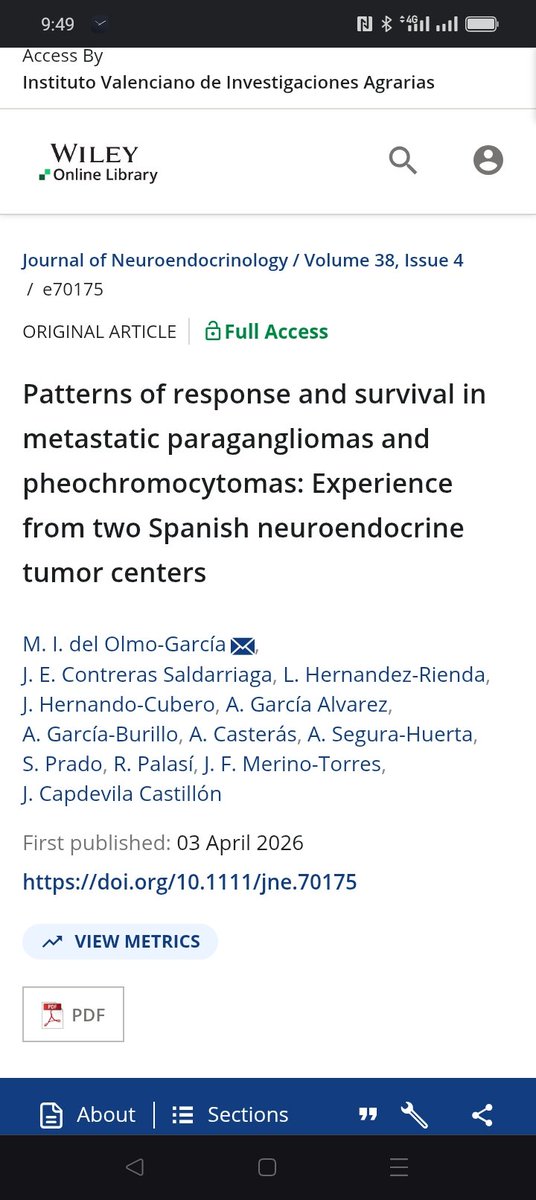
📢 New multicenter collaboration
🧬 Metastatic paragangliomas & pheochromocytomas
📊 Response & survival patterns
🤝 Two Spanish centers
Now published in Journal of Neuroendocrinology (JNE) 📖
Science moves forward together 💙 @HospitalLaFe@VHIO@vallhebron@PheoPara@APheipas
Ageing and pituitary neuroendocrine tumours (PitNETs): from bench to bedside in: Endocrine-Related Cancer Volume 33 Issue 4 (2026)🔴✅ https://t.co/OrgBgl4jrc
Mary Ann Bevan’s story is heartbreaking because it didn’t begin with spectacle, it began with a normal, working‑class life.
Born in London in 1874, she trained as a nurse and married a flower seller, Thomas Bevan. They had four children and lived an ordinary, stable life until Mary Ann developed acromegaly, a hormonal disorder that causes bone overgrowth and facial changes.
The condition progressed rapidly, and after Thomas died suddenly in 1914, she was left widowed, visibly disfigured, and solely responsible for supporting her children in a society with almost no protections for disabled or single mothers.
Facing poverty, she entered a “Ugliest Woman” contest, a cruel spectacle by modern standards, because it was the only job opportunity that paid enough to keep her family afloat. She won, which led to a contract with Coney Island’s Dreamland Circus, where she was displayed as a sideshow attraction for years.
Though she endured constant ridicule and dehumanizing treatment, she earned enough to give her children stable lives and education. Her story is now remembered not as a curiosity, but as a stark example of how women with medical conditions were exploited and how far a mother was willing to go to protect her family.
She refused to let the circus keep all the profit from her image. She negotiated her own contracts, rare for sideshow performers and ensured the money went directly toward her children’s schooling and long‑term stability. Even after years of exploitation, she kept control over her earnings and insisted on dignity where she could claim it, showing she wasn’t just a victim of circumstance but a woman actively shaping her family’s future despite impossible odds.
#drthehistories