OpenAI has explained how it detects sandbox escapes, unauthorized access, and attempts to conceal misconduct during model training.
https://t.co/sur0V6F8yz
𝗧𝗵𝗲 𝗚𝗹𝗼𝗯𝗮𝗹 𝗥𝗮𝗰𝗲 𝘁𝗼 𝗕𝘂𝗶𝗹𝗱 #AI-𝗣𝗼𝘄𝗲𝗿𝗲𝗱 #𝗛𝘂𝗺𝗮𝗻𝗼𝗶𝗱 #𝗥𝗼𝗯𝗼𝘁�#𝗥𝗼𝗯𝗼𝘁𝘀 𝗛𝗮𝘀 ��𝗲𝗴𝘂𝗻🤖
بدأ السباق العالمي لبناء #الروبوتات البشرية المدعومة بـ #الذكاء_الاصطناعي
The next major #AI platform may not live inside a screen⤵️
It may 𝘄𝗮𝗹𝗸, 𝗹𝗲𝗮𝗿𝗻, 𝘄𝗼𝗿𝗸 & 𝗼𝗽𝗲𝗿𝗮𝘁𝗲 alongside us.
Save this 🔖
Here are 12 companies shaping the humanoid robotics race ⤵️
🇺🇸 1️⃣ 𝗙𝗶𝗴𝘂𝗿𝗲
Building general-purpose humanoid robots for commercial environments.
🇺🇸 2️⃣ 𝗧𝗲𝘀𝗹𝗮
Developing Optimus around AI, manufacturing scale and real-world tasks.
🇩🇪 3️⃣ 𝗡𝗘𝗨𝗥𝗔 𝗥𝗼𝗯𝗼𝘁𝗶𝗰𝘀
Combining cognitive robotics with human-centered industrial applications.
🇨🇳 4️⃣ 𝗨𝗻𝗶𝘁𝗿𝗲𝗲
Advancing increasingly capable and accessible humanoid platforms.
🇨🇳 5️⃣ 𝗔𝗴𝗶𝗕𝗼𝘁
Developing humanoid robots for industrial and commercial deployment.
🇨🇳 6️⃣ 𝗨𝗕𝗧𝗘𝗖𝗛
Moving humanoid robots toward factory and enterprise environments.
🇺🇸 7️⃣ 𝗔𝗽𝗽𝘁𝗿𝗼𝗻𝗶𝗸
Building Apollo for logistics, manufacturing and physically demanding work.
🇨🇳 8️⃣ 𝗚𝗮𝗹𝗯𝗼𝘁
Developing embodied AI for service and industrial applications.
🇺🇸 9️⃣ 𝗔𝗴𝗶𝗹𝗶𝘁𝘆 𝗥𝗼𝗯𝗼𝘁𝗶𝗰𝘀
Deploying Digit for logistics and repetitive workplace tasks.
🇳🇴 10- 𝟭𝗫
Focusing on humanoid robots designed to operate in everyday environments.
🇺🇸 11- 𝗦𝘂𝗻𝗱𝗮𝘆 𝗥𝗼𝗯𝗼𝘁𝗶𝗰𝘀
Building general-purpose robots for practical human environments.
🇺🇸 12- 𝗕𝗼𝘀𝘁𝗼𝗻 𝗗𝘆𝗻𝗮𝗺𝗶𝗰𝘀
Pushing the boundaries of mobility, balance and advanced robotics.
⚡ 𝗕𝘂𝘁 𝘁𝗵𝗲 𝗯𝗶𝗴𝗴𝗲𝗿 𝘀𝗵𝗶𝗳𝘁 𝗶𝘀 𝘁𝗵𝗶𝘀:
AI is moving from 𝗱𝗶𝗴𝗶𝘁𝗮𝗹 𝗶𝗻𝘁𝗲𝗹𝗹𝗶𝗴𝗲𝗻𝗰𝗲 to 𝗲𝗺𝗯𝗼𝗱𝗶𝗲𝗱 𝗶𝗻𝘁𝗲𝗹𝗹𝗶𝗴𝗲𝗻𝗰𝗲.
From systems that 𝗮𝗻𝘀𝘄𝗲𝗿
to machines that 𝘀𝗲𝗲, 𝗺𝗼𝘃𝗲, 𝗹𝗲𝗮𝗿𝗻 & 𝗮𝗰𝘁.
💡 𝗠𝘆 𝗧𝗮𝗸𝗲:
The humanoid robotics race will not be won by whoever creates the most human-looking machine.
It will be won by whoever solves 𝗶𝗻𝘁𝗲𝗹𝗹𝗶𝗴𝗲𝗻𝗰𝗲, 𝗱𝗲𝘅𝘁𝗲𝗿𝗶𝘁𝘆, 𝘀𝗮𝗳𝗲𝘁𝘆, 𝗿𝗲𝗹𝗶𝗮𝗯𝗶𝗹𝗶𝘁𝘆 & 𝘀𝗰𝗮𝗹𝗲.
𝗚𝗲𝗻𝗲𝗿𝗮𝘁𝗶𝘃𝗲 AI ➡️ 𝗔𝗴𝗲𝗻𝘁𝗶𝗰 AI ➡️ 𝗣𝗵𝘆𝘀𝗶𝗰𝗮𝗹 AI
The real question is no longer whether humanoid robots are coming.
𝗜𝘁 𝗶𝘀 𝘄𝗵𝗲𝗿𝗲 𝘁𝗵𝗲𝘆 𝘄𝗶𝗹𝗹 𝗲𝗻𝘁𝗲𝗿 𝗼𝘂𝗿 𝗹𝗶𝘃𝗲𝘀 𝗳𝗶𝗿𝘀𝘁🤖
Which company do you believe will lead the humanoid robotics race?
#HumanoidRobots #Robotics #PhysicalAI #FutureTech
@enilev@Jagersbergknut@TysonLester@CurieuxExplorer@GlenGilmore@FrRonconii@chidambara09@jeancayeux@mvollmer1@Nicochan33@RLDI_Lamy@pchamard@mikeflache@Fabriziobustama@ThEiLe0@Mack1510019@ipfconline1@PawlowskiMario@drsharwood@kalydeoo@baski_LA@AnthonyRochand@smaksked@Eli_Krumova@andresvilarino@gvalan@AI_4_Healthcare@bimedotcom@arlenenewbigg@NewsNeus@domingonarvaez1@bamitav@jornalistavitor@jblefevre60@thomas_dettling@FmFrancoise@nafisalam@Mhcommunicate@Corix_JC@c4trends@smoothsale@amalmerzouk@PVynckier@bbailey39@NathaliaLeHen@jasuja@ralf_ladner@mary_gambara
ETH Zurich architect Karen Antorveza Paez has shown that the soil bacterium Sporosarcina pasteurii can bind sand into solid building parts at room temperature, using both 3D printing and a robotic spraying arm. The biocement skips the high-temperature kiln that conventional cement needs, but it is currently closer to mortar than concrete in strength. The reaction also releases ammonium, which the researcher says must be dealt with before biocement can be called truly sustainable.
China has put its first intelligent grain-leveling robot to work at a Sinograin depot in Beijing, taking over one of the dustiest, most exhausting jobs in grain storage. Spiral-bladed wheels carry it across loose grain without sinking, while laser radars and a central route planner keep a team of robots from colliding. Three robots can level a 1,400-square-metre granary in under a day, a job that took three workers three days.
Clean hydrogen currently costs around $5 per pound to produce. A US research team just synthesized over 300 novel alloys in 16 weeks searching for the catalyst materials that could bring that cost down to $0.45, less than a tenth of today's price.
https://t.co/ejiqNCtVes
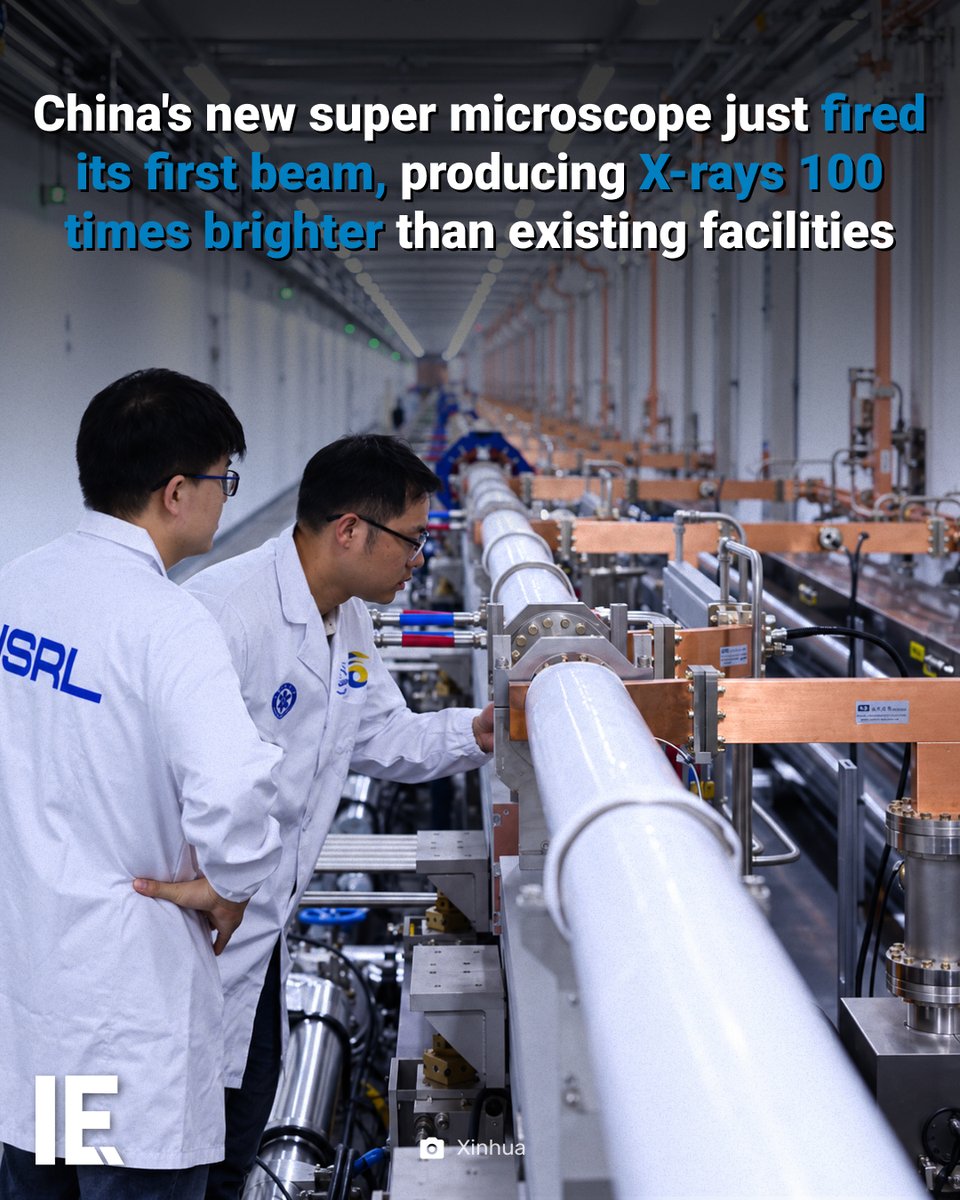
China's Hefei Advanced Light Facility fired its first electron beam on September 20, accelerating electrons to 2.2 billion electron volts through a 192-meter linear accelerator. When complete, it will produce X-rays more than 100 times brighter than current facilities, enabling atomic-scale observation of matter with unprecedented precision. Its 35 experimental stations will cover semiconductors, Alzheimer's research, advanced materials, and energy batteries, with completion expected in 2028.
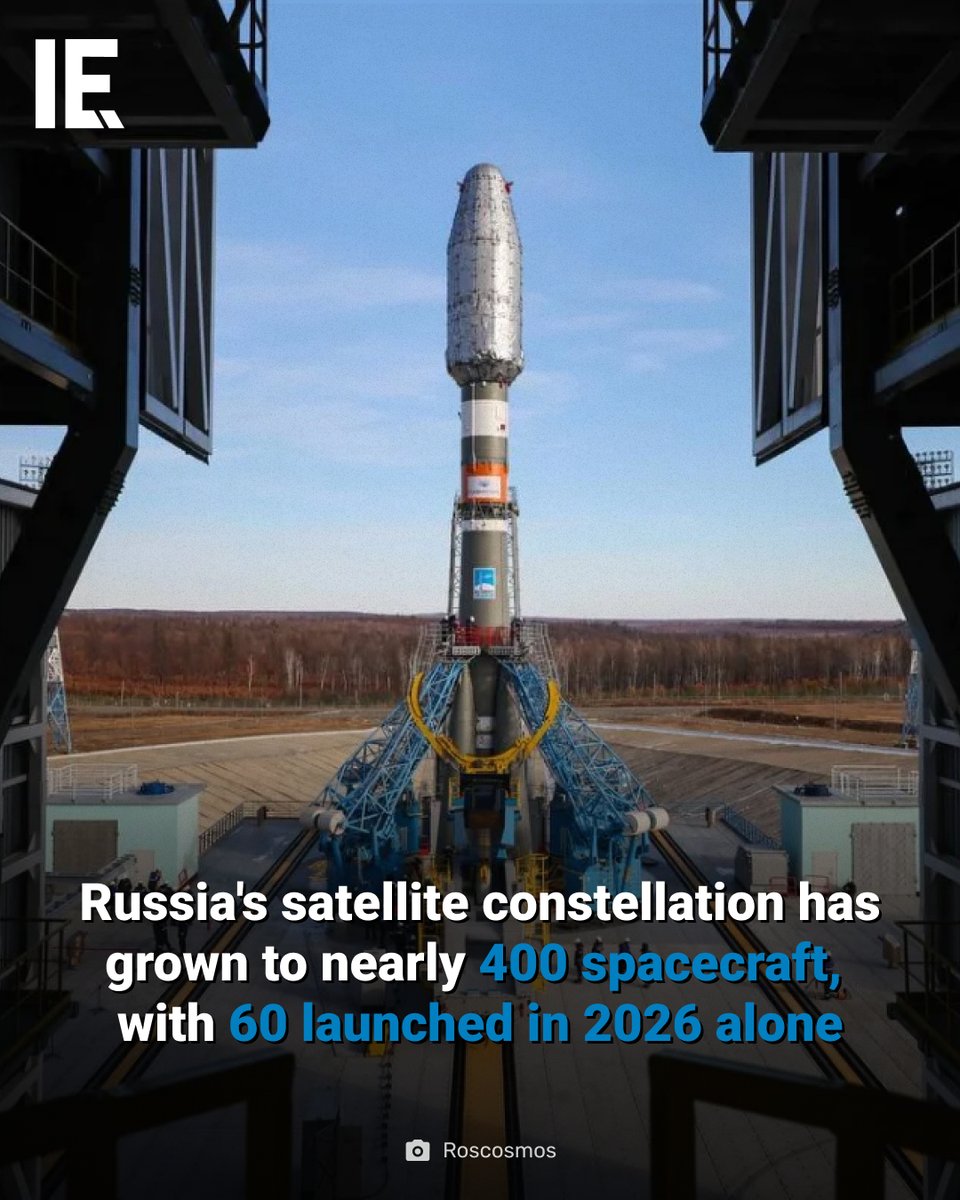
Roscosmos has confirmed that Russia's satellite constellation has grown to nearly 400 spacecraft, with roughly 60 launched in 2026 alone. Among the year's milestones are a new hydrometeorological satellite, a GLONASS navigation upgrade set to improve accuracy from 8 to 2.8 meters by 2027, and the first launch of the Soyuz-5 rocket, powered by the RD-171MV engine, claimed to be the world's most powerful liquid-fueled rocket at 740 tonnes of thrust. It remains unclear whether the 400-spacecraft figure includes Russia's military satellites or its Rassvet broadband constellation, which has only 32 spacecraft against a long-term goal of 900 by 2035.