“Hubieron” no existe cuando hablamos de existencia.
Incorrecto: ❌ Hubieron muchos problemas.
Correcto: ✅ Hubo muchos problemas.
“Haber” en sentido de “existir” es impersonal → siempre en singular.
Ejemplo real: Hubo tráfico, hubo lluvia y hubo retrasos. (No “hubieron”)
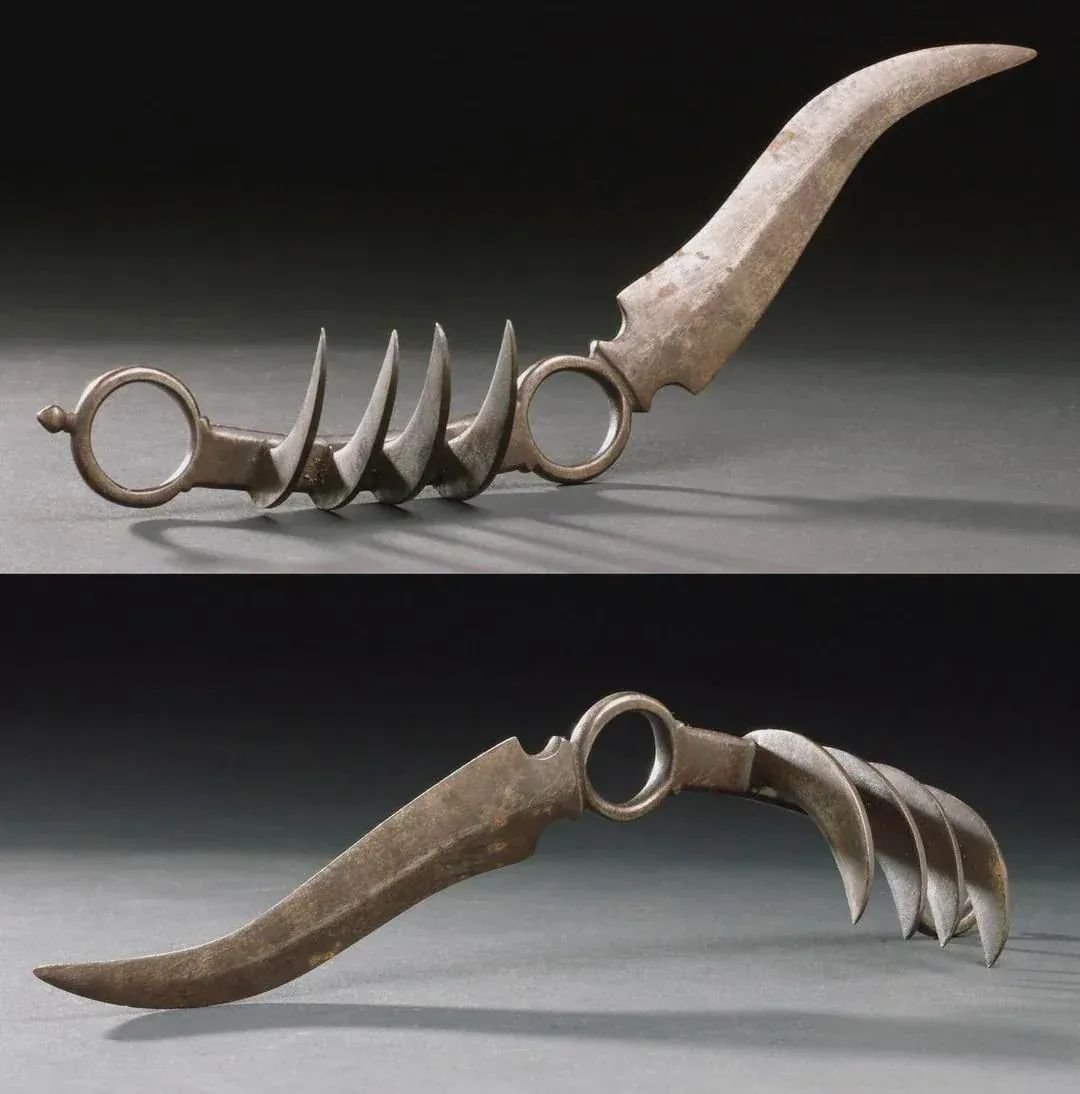
The Bagh Nakh, a historical Indian weapon based upon the claws of a tiger. It was used by soldiers, thieves, and there was also a poisoned variety for assassins. It can either be fitted over the knuckles or worn against the palm. There was even a form of "claw wrestling" which included the weapon.
The *bagh nakh* ("tiger claws" in Hindi and Marathi) is a concealed weapon believed to have originated in medieval India. Its curved claws allowed the wearer to slash at close range while keeping the weapon hidden in the palm. Because it was compact and easily concealed, it became associated with espionage, self-defense, and surprise attacks. Historical accounts also describe sporting contests in which participants sparred using blunted or modified claw weapons, though these were distinct from combat.
The weapon is most famously linked to the 1659 encounter between the Maratha leader Shivaji and the Bijapur general Afzal Khan. According to Maratha chronicles, Shivaji wore concealed armor and used a *bagh nakh* after Khan allegedly attempted to assassinate him during what was meant to be a diplomatic meeting. The incident became a defining moment in Maratha history.
A *bagh nakh* traditionally associated with Shivaji is preserved at the Victoria and Albert Museum in London, although historians continue to debate whether it is the actual weapon used in the encounter.
#archaeohistories
The "Sleeping Lady" is a clay figurine dating from 3600-2400 BC, discovered in one of the pits of the Hypogeum of Ħal Saflieni, Malta 🇲🇹
This ancient sculpture is remarkably well-preserved, with traces of red ochre paint still visible on its surface. The figure is believed to represent a "mother goddess," a common motif in prehistoric art, symbolizing fertility and the nurturing aspects of life.
The Sleeping Lady is characterized by its serene pose, with the figure reclining in position that resembles sleep or death-like state. This enigmatic portrayal has captured the imagination of archaeologists and visitors alike, offering a glimpse into the spiritual beliefs of the people who created it. The figurine's connection to the divine feminine reflects the importance of female deities in the prehistoric Mediterranean world.
Today, the Sleeping Lady is one of the major highlights of the National Museum of Archaeology in Malta 🇲🇹. It provides invaluable insight into the religious and cultural practices of the ancient inhabitants of Malta, making it a significant piece in the study of prehistoric Mediterranean societies.
#archaeohistories
Así es como se fabricaban los botones de la forma tradicional…
Un verdadero arte que se ha ido perdiendo con el paso del tiempo y la industrialización que vivimos en la actualidad: