Home
Language
English
Türkçe
Bahasa Indonesia
About
Privacy Policy
Terms of Service
Pricing
Sign In
Download All
Share
Janine M. Ziermann-Canabarro, PhD
@JMZiermann
Assoc. Prof. @HowardU;
#HUCM
;
#Anatomy
; Evo & Devo of Head & Heart Musculature; 🇩🇪🇳🇱🇺🇸🇧🇷; she/her; @HEvoDevo (all opinions are my own)
Washington, DC
Joined August 2018
2.5K
Following
3.2K
Followers
25.4K
Posts
Pinned Tweet
Janine M. Ziermann-Canabarro, PhD
@JMZiermann
over 1 year ago
🦋
Janine M. Ziermann-Canabarro, PhD
@JMZiermann
about 7 hours ago
@CharleySeymour6
You ran 108 miles half a week ago. It’s impressive that you’re already back running and with a solid pace.
Janine M. Ziermann-Canabarro, PhD
@JMZiermann
about 7 hours ago
@Boehi59
@Davidefishes
Well done! 👍🏻
Janine M. Ziermann-Canabarro, PhD
@JMZiermann
about 20 hours ago
Happy Global Running Day 🏃🏼♀️ 🏃🏾
Who to follow
Australian & NZ Association of Clinical Anatomists
@ANZACA_Inc
ANZACA shall advance, promote & improve study & research into clinical anatomy and anatomy education. Est. 2003. #anatomy #ANZACA
Linda Kebbab
@LindaKebbab
Policière |Secrétaire Nationale UN1TÉ | Vice-Pdte @ISIsecurite_int |✍🏻 «Gardienne de la paix et de la révolte» éd. Stock | |🏆Femme d’Influence 2021
Professor Adam Taylor
@Adatomy
Parent. National Teaching Fellow, Anatomist, SciComm, TV/Radio 🌟, AKU expert, sports fanatic. Tweeting gold since 2013. All views my own
Janine M. Ziermann-Canabarro, PhD
@JMZiermann
about 10 hours ago
@frugal_runner
Happy global running day 🥳
Janine M. Ziermann-Canabarro, PhD
@JMZiermann
about 11 hours ago
@martian434
@Davidefishes
Thanks, Marvin!
Janine M. Ziermann-Canabarro, PhD
@JMZiermann
about 20 hours ago
@KingofKontent
@Davidefishes
Thank you 😊
Janine M. Ziermann-Canabarro, PhD
@JMZiermann
about 20 hours ago
@dmurenzvi22
@Davidefishes
Thank you!
Janine M. Ziermann-Canabarro, PhD
@JMZiermann
about 20 hours ago
@kiosk987
@Davidefishes
Thanks! Happy Global Running day, Morpheus!
Janine M. Ziermann-Canabarro, PhD
@JMZiermann
about 20 hours ago
@tohri_aa
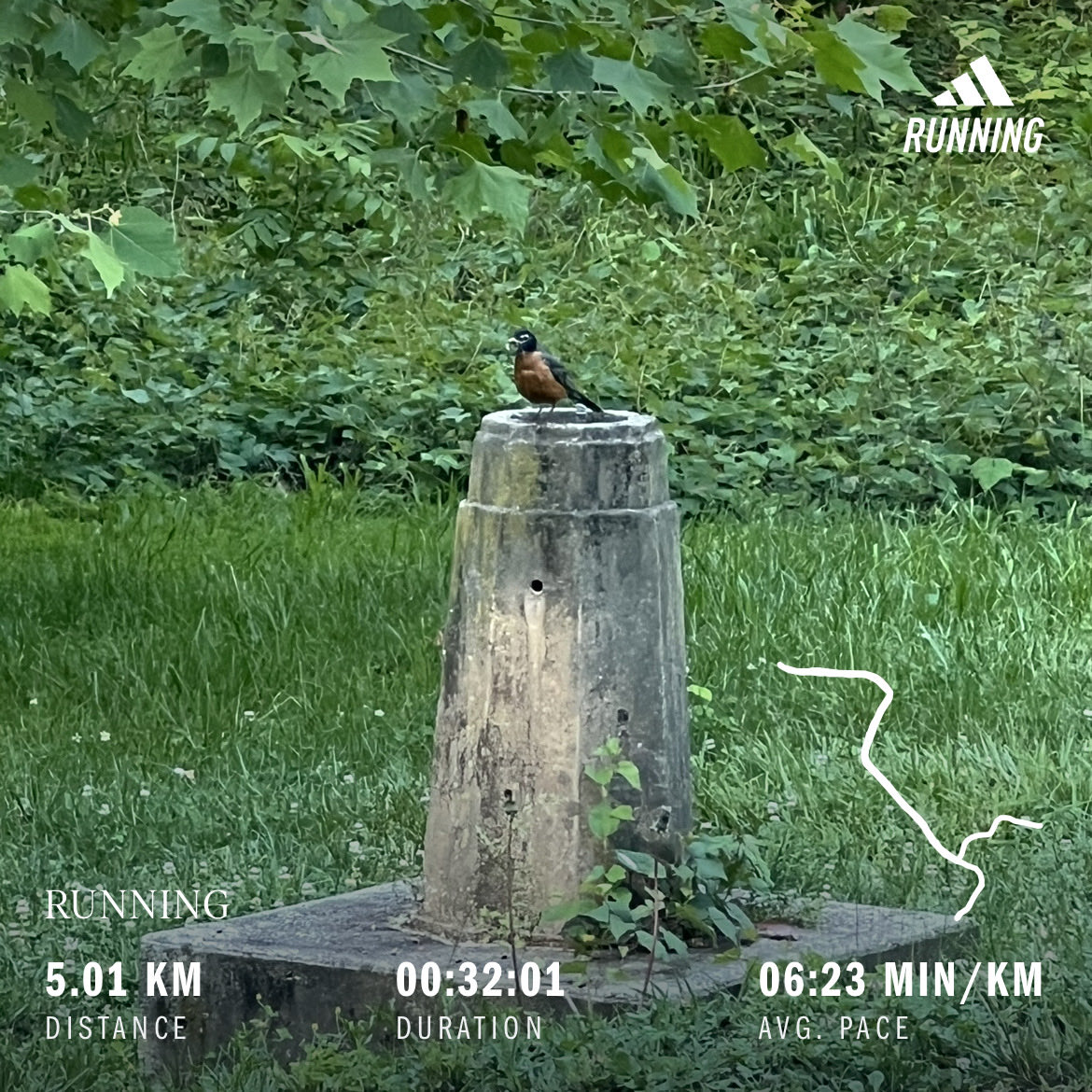
🥳 We also celebrated with a 5k 🥳
Janine M. Ziermann-Canabarro, PhD
@JMZiermann
about 23 hours ago
Ranked: Military Spending by Country in 2025 USA spends almost a trillion dollars on military while not having money for healthcare, education, housing, or infrastructural. https://t.co/HavnGT4hd9
Janine M. Ziermann-Canabarro, PhD
@JMZiermann
about 23 hours ago
AP report: U.S. to drastically slash the number of embassies in Africa that can process visas https://t.co/b0xloSec21
Janine M. Ziermann-Canabarro, PhD
@JMZiermann
1 day ago
@Hanzzzon
👏🏻👏🏻👏🏻🥳🥳🥳
JMZiermann
retweeted
Fish in the News
@FishInTheNews
2 days ago
#IchthyofaunaChecklist
- Here, researchers report the results of an expedition to the northern section of the Serra do Divisor National Park (PNSD) in the Rio Juruá basin, Acre State, Brazil, with the aim to increase knowledge of the ichthyofauna of a poorly known region whose protected status is currently under threat. 🔓 https://t.co/sx0OLUilU9 The PNSD is situated in the far western portion of Brazil, in the state of Acre, on the watershed divide between the upper Rio Juruá basin, in Brazil and the middle Río Ucayali basin in Peru. The Rio Juruá is one of the longest tributaries of the Amazon basin, and most of its headwaters originate in the Serra do Divisor, including the Rio Moa, the main tributary of Rio Juruá in Acre. Surveys of the ichthyofauna of the PNSD were not conducted during the preparation of the management plan, and the fish diversity of this protected area remains largely unknown. Ichthyofauna checklists and rapid assessments are important tools for biologists, researchers, conservationists, and government bodies/NGOs. They provide critical baselines for the conservation and management of regional fish fauna. Our understanding of species composition in a territory evolves due to species movements across borders, extinctions, introductions, and new taxonomic evidence. 𝗥𝗲𝘀𝗲𝗮𝗿𝗰𝗵 𝗧𝗶𝘁𝗹𝗲 Ichthyofauna of Serra do Divisor National Park, upper Rio Moa, Rio Juruá basin, Acre State, Brazil 𝗖𝗶𝘁𝗮𝘁𝗶𝗼𝗻 Toledo-Piza, M., Giovannetti, V., Mathubara, K., Casas, A. L. da S., Mattox, G. M. T., & Jacó, T. R. F. (2026). Ichthyofauna of Serra do Divisor National Park, upper Rio Moa, Rio Juruá basin, Acre State, Brazil. Biota Neotropica, 26(2), e20251837. https://t.co/lDTkAQwL3o 𝗔𝗯𝘀𝘁𝗿𝗮𝗰𝘁 The Serra do Divisor National Park (PNSD) is situated in the far western portion of Brazil, in the state of Acre, on the watershed divide between the upper Rio Juruá basin, in Brazil and the middle Río Ucayali basin in Peru. The Rio Juruá is one of the longest tributaries of the Amazon basin, and most of its headwaters originate in the Serra do Divisor, including the Rio Moa, the main tributary of Rio Juruá in Acre. Surveys of the ichthyofauna of the PNSD were not conducted during the preparation of the management plan, and the fish diversity of this protected area remains largely unknown. Here, we report the results of an expedition to the northern section of the PNSD, aiming to increase knowledge of the ichthyofauna of a poorly known region whose protected status is currently under threat. Seventeen localities in the upper Rio Moa drainage, in the surroundings of the region known as Pé da Serra (between 73°38’04.7” W and 73°44’52.7” W, and 07°26’52.2” S and 07°32’ 14.7” S), were sampled using hand nets and beach seines. Sampling was conducted at sites along the Rio Moa, its tributaries, and adjacent lakes. A total of 3,504 specimens were collected, representing 103 species in 89 genera and 27 families across seven orders. The Characiformes (52 species) and Siluriformes (32 species) were the most diverse orders, followed by the Gymnotiformes (8 species), Cichliformes (8 species), Batrachoidiformes (1 species), Cyprinodontiformes (1 species), and Synbranchiformes (1 species). Species of Characiformes, Siluriformes, and Cichliformes were found in all three sampled environments. Gymnotiformes and Batrachoidiformes were not recorded from lakes, and species of Synbranchiformes and Cyprinodontiformes were found exclusively in tributaries of the Rio Moa. Six species represent new records for Brazilian drainages, 13 for the Rio Juruá drainage, and 30 for the Rio Moa. The identification of 43 species requires additional, more detailed studies. For most species, information on the variation of diagnostic characters is provided, which, together with images of selected specimens, is intended to serve as a basis for future studies of the ichthyofauna of the PNSD. 𝗣𝗵𝗼𝘁𝗼 𝗖𝗿𝗲𝗱𝗶𝘁 Top left - Species of Characiformes: Anostomidae (a,b), Acestrorhamphidae (c–r), and Characidae (s–x) from the upper Rio Moa drainage at Serra do Divisor National Park, Acre, Brazil: a) 𝐿𝑒𝑝𝑜𝑟𝑖𝑛𝑢𝑠 𝑐𝑓. 𝑐𝑦𝑙𝑖𝑛𝑑𝑟𝑖𝑓𝑜𝑟𝑚𝑖𝑠, 100.4 mm SL; b) 𝑆𝑐ℎ𝑖𝑧𝑜𝑑𝑜𝑛 𝑓𝑎𝑠𝑐𝑖𝑎𝑡𝑢𝑠, 230.9 mm SL; c) 𝐴𝑠𝑡𝑦𝑎𝑛𝑎𝑐𝑖𝑛𝑢𝑠 𝑠𝑝., 63.9 mm SL; d) 𝐴𝑠𝑡𝑦𝑎𝑛𝑎𝑥 𝑏𝑖𝑚𝑎𝑐𝑢𝑙𝑎𝑡𝑢𝑠 species group, 63.2 mm SL; e) 𝐵𝑎𝑟𝑖𝑜 𝑜𝑙𝑖𝑔𝑜𝑙𝑒𝑝𝑖𝑠, 71 mm SL; f) 𝐵𝑎𝑟𝑖𝑜 𝑠𝑡𝑒𝑖𝑛𝑑𝑎𝑐ℎ𝑛𝑒𝑟𝑖 female, 77.3 mm SL; g) 𝐵𝑎𝑟𝑖𝑜 𝑠𝑡𝑒𝑖𝑛𝑑𝑎𝑐ℎ𝑛𝑒𝑟𝑖 male, 87.8 mm SL; h) 𝐶𝑡𝑒𝑛𝑜𝑏𝑟𝑦𝑐𝑜𝑛 𝑠𝑝𝑖𝑙𝑢𝑟𝑢𝑠, 37.2 mm SL; i) 𝐺𝑦𝑚𝑛𝑜𝑐𝑜𝑟𝑦𝑚𝑏𝑢𝑠 𝑡ℎ𝑎𝑦𝑒𝑟𝑖, 43 mm SL; j) 𝐻𝑒𝑚𝑖𝑔𝑟𝑎𝑚𝑚𝑢𝑠 𝑠𝑝., 27.4 mm SL; k) 𝐻𝑜𝑙𝑜𝑝𝑟𝑖𝑠𝑡𝑖𝑠 𝑜𝑐𝑒𝑙𝑙𝑖𝑓𝑒𝑟𝑎 species group, 26.6 mm SL; l) 𝐽𝑢𝑝𝑖𝑎𝑏𝑎 𝑎𝑠𝑦𝑚𝑚𝑒𝑡𝑟𝑖𝑐𝑎, 41.3 mm SL; m) 𝑀𝑜𝑒𝑛𝑘ℎ𝑎𝑢𝑠𝑖𝑎 𝑑𝑖𝑐ℎ𝑟𝑜𝑢𝑟𝑎, 41.4 mm SL; n) 𝑀𝑜𝑒𝑛𝑘ℎ𝑎𝑢𝑠𝑖𝑎 ℎ𝑎𝑠𝑒𝑚𝑎𝑛𝑖, 49.8 mm SL; o) 𝑀𝑜𝑒𝑛𝑘ℎ𝑎𝑢𝑠𝑖𝑎 𝑖𝑛𝑡𝑒𝑟𝑚𝑒𝑑𝑖𝑎, 29.2 mm SL; p) 𝑀𝑜𝑒𝑛𝑘ℎ𝑎𝑢𝑠𝑖𝑎 𝑐𝑓. 𝑜𝑟𝑡𝑒𝑔𝑢𝑎𝑠𝑎𝑒, 54.2 mm SL; q) 𝑀𝑜𝑒𝑛𝑘ℎ𝑎𝑢𝑠𝑖𝑎 𝑠𝑝., 40.4 mm SL; r) 𝑅𝑎𝑚𝑖𝑟𝑒𝑧𝑒𝑙𝑙𝑎 𝑛𝑒𝑤𝑏𝑜𝑙𝑑𝑖, 45 mm SL; s) 𝐴𝑝ℎ𝑦𝑜𝑐ℎ𝑎𝑟𝑎𝑥 𝑠𝑝., 35.3 mm SL; t) 𝐿𝑒𝑝𝑡𝑎𝑔𝑜𝑛𝑖𝑎𝑡𝑒𝑠 𝑠𝑡𝑒𝑖𝑛𝑑𝑎𝑐ℎ𝑛𝑒𝑟𝑖, 9.2 mm SL; u) 𝑀𝑖𝑐𝑟𝑜𝑠𝑐ℎ𝑒𝑚𝑜𝑏𝑟𝑦𝑐𝑜𝑛 𝑔𝑒𝑖𝑠𝑙𝑒𝑟𝑖, 27.4 mm SL; v) 𝑂𝑑𝑜𝑛𝑡𝑜𝑠𝑡𝑖𝑙𝑏𝑒 𝑐𝑓. 𝑓𝑢𝑔𝑖𝑡𝑖𝑣𝑎, 33.4 mm SL; w) 𝑃𝑎𝑟𝑎𝑔𝑜𝑛𝑖𝑎𝑡𝑒𝑠 𝑎𝑙𝑏𝑢𝑟𝑛𝑢𝑠, 72.5 mm SL; x) 𝑃ℎ𝑒𝑛𝑎𝑐𝑜𝑔𝑎𝑠𝑡𝑒𝑟 𝑛𝑎𝑝𝑜𝑎𝑡𝑖𝑙𝑖𝑠, 40.1 mm SL. Top right - Species of Gymnotiformes: Apteronotidae (a–c), Gymnotidae (d), Rhamphichthyidae (e, f); Sternopygidae (g, h); and Siluriformes: Aspredinidae (i–l), Callichthyidae (m–o), Cetopsidae (p, q), Heptapteridae (r–u), Loricariidae (v–x) from the upper Rio Moa drainage at Serra do Divisor National Park, Acre, Brazil: a) 𝐴𝑝𝑡𝑒𝑟𝑜𝑛𝑜𝑡𝑢𝑠 𝑎𝑙𝑏𝑖𝑓𝑟𝑜𝑛𝑠 species group, 188.6 mm SL; b) 𝑃𝑙𝑎𝑡𝑦𝑢𝑟𝑜𝑠𝑡𝑒𝑟𝑛𝑎𝑟𝑐ℎ𝑢𝑠 𝑚𝑎𝑐𝑟𝑜𝑠𝑡𝑜𝑚𝑎 Günther, 226 mm SL; c) 𝑆𝑡𝑒𝑟𝑛𝑎𝑟𝑐ℎ𝑜𝑟ℎ𝑦𝑛𝑐ℎ𝑢𝑠 𝑠𝑝., 132.9 mm SL; d) 𝐺𝑦𝑚𝑛𝑜𝑡𝑢𝑠 𝑐𝑜𝑎𝑡𝑒𝑠𝑖 species group, 99.6 mm TL; e) 𝐺𝑦𝑚𝑛𝑜𝑟ℎ𝑎𝑚𝑝ℎ𝑖𝑐ℎℎ𝑡𝑦𝑠 𝑟𝑜𝑛𝑑𝑜𝑛𝑖, 142 mm TL; f) 𝐻𝑦𝑝𝑜𝑝𝑦𝑔𝑢𝑠 𝑙𝑒𝑝𝑡𝑢𝑟𝑢𝑠, 64.2 mm TL; g) 𝐸𝑖𝑔𝑒𝑛𝑚𝑎𝑛𝑛𝑖𝑎 𝑡𝑟𝑖𝑙𝑖𝑛𝑒𝑎𝑡𝑎 species group, 112 mm TL; h) 𝑆𝑡𝑒𝑟𝑛𝑜𝑝𝑦𝑔𝑢𝑠 𝑚𝑎𝑐𝑟𝑢𝑟𝑢𝑠, 67.8 mm TL; i, j) 𝐴𝑚𝑎𝑟𝑎𝑙𝑖𝑎 ℎ𝑦𝑝𝑠𝑖𝑢𝑟𝑎, 88.8 mm SL, dorsal and lateral views; k, l) 𝑃𝑡𝑒𝑟𝑜𝑏𝑢𝑛𝑜𝑐𝑒𝑝ℎ𝑎𝑙𝑢𝑠 𝑑𝑒𝑝𝑟𝑒𝑠𝑠𝑢𝑠, 89.2 mm SL, dorsal and lateral views; m, n, o) 𝑀𝑒𝑔𝑎𝑙𝑒𝑐ℎ𝑖𝑠 𝑡ℎ𝑜𝑟𝑎𝑐𝑎𝑡𝑎, 132.2 mm SL, lateral, ventral and dorsal views; p) 𝐷𝑒𝑛𝑡𝑖𝑐𝑒𝑡𝑜𝑝𝑠𝑖𝑠 𝑠𝑒𝑑𝑢𝑐𝑡𝑎, 27.4 mm SL; q) 𝐻𝑒𝑙𝑜𝑔𝑒𝑛𝑒𝑠 𝑚𝑎𝑟𝑚𝑜𝑟𝑎𝑡𝑢𝑠, 62.2 mm SL; r, s) 𝑃𝑎𝑟𝑖𝑜𝑙𝑖𝑢𝑠 𝑐𝑓. 𝑚𝑎𝑙𝑑𝑜𝑛𝑎𝑑𝑜𝑖, 36.5 mm SL, lateral and dorsal views; t) 𝑃𝑖𝑚𝑒𝑙𝑜𝑑𝑒𝑙𝑙𝑎 𝑠𝑝. 1, 83.4 mm SL; u) 𝑃𝑖𝑚𝑒𝑙𝑜𝑑𝑒𝑙𝑙𝑎 𝑠𝑝. 2, 66.6 mm SL; v, w, x) 𝐴𝑛𝑐𝑖𝑠𝑡𝑟𝑢𝑠 𝑠𝑝., 35.4 mm SL, lateral, dorsal and ventral views. Bottom left - Species of Siluriformes: Loricariidae (cont.) from the upper Rio Moa drainage at Serra do Divisor National Park, Acre, Brazil: a, b, c) 𝐹𝑎𝑟𝑙𝑜𝑤𝑒𝑙𝑙𝑎 𝑠𝑚𝑖𝑡ℎ𝑖, 162 mm SL, lateral, ventral and dorsal views; d, e, f) 𝐻𝑒𝑚𝑖𝑜𝑑𝑜𝑛𝑡𝑖𝑐ℎ𝑡ℎ𝑦𝑠 𝑎𝑐𝑖𝑝𝑒𝑛𝑠𝑒𝑟𝑖𝑛𝑢𝑠, 53.1 mm SL, lateral, ventral and dorsal views; g, h, i) 𝐻𝑦𝑝𝑜𝑠𝑡𝑜𝑚𝑢𝑠 𝑐𝑜𝑐ℎ𝑙𝑖𝑜𝑑𝑜𝑛, 82.5 mm SL, lateral, ventral and dorsal views; j) 𝐿𝑎𝑚𝑜𝑛𝑡𝑖𝑐ℎ𝑡ℎ𝑦𝑠 𝑓𝑖𝑙𝑎𝑚𝑒𝑛𝑡𝑜𝑠𝑢𝑠, 193.5 mm SL; k, l, m) 𝐿𝑎𝑠𝑖𝑎𝑛𝑐𝑖𝑠𝑡𝑟𝑢𝑠 𝑠𝑐ℎ𝑜𝑚𝑏𝑢𝑟𝑔𝑘𝑖𝑖, 73.9 mm SL; lateral, ventral and dorsal views; n) 𝐿𝑖𝑚𝑎𝑡𝑢𝑙𝑖𝑐ℎ𝑡ℎ𝑦𝑠 𝑐𝑓. 𝑔𝑟𝑖𝑠𝑒𝑢𝑠, 155.3 mm SL; o, p, q) 𝐿𝑜𝑟𝑖𝑐𝑎𝑟𝑖𝑎 𝑠𝑝., 205.3 mm SL, lateral, dorsal and ventral views; r, s, t) 𝑃𝑎𝑛𝑎𝑞𝑜𝑙𝑢𝑠 𝑠𝑝., 48 mm SL; lateral, dorsal and ventral views; u, v, w) 𝑆𝑡𝑢𝑟𝑖𝑠𝑜𝑚𝑎 𝑠𝑝., 214.3 mm SL; lateral, dorsal and ventral views. Bottom right - Study area and sampling sites in the region of the upper Rio Moa, Serra do Divisor National Park, Acre, Brazil. a ) Rio Moa, Cachoeira do Pedernal (second rapids above ICMBio base at Pé da Serra; site 4); b ) Igarapé Cabo Vitor (site 1); c ) Rio Moa, at confluence with Igarapé Cabo Vitor (site 2); d ) Rio Moa, Cachoeirinha (first rapids above ICMBio base at Pé da Serra); e ) Igarapé Ramón (site 6); f ) Rio Moa, left margin, in front of ICMBio base at Pé da Serra (sites 5 and 14); g ) Rio Moa, just downstream of Cachoeirinha (first rapids above ICMBio base at Pé da Serra; site 9); h ) Rio Moa, right margin, rocky beach, below Cachoeirinha (first rapids above ICMBio base at Pé da Serra; site 10). © 2026 the Author(s). Published in the journal Biota Neotropica. An open access article, distributed under the terms of the Creative Commons Attribution 4.0 International (CC-BY-4.0) licence. https://t.co/5IYEkz4Rwi #Ichthyology #Taxonomy #Biodiversity #AquariumHobby #Fishkeeping #Aquarist #TropicalFish #FishTank #Ichthyofauna #SerraDoDivisorNationalPark #rioMoa #rioJuruá #AcreState #Brazil #Acre #SerraDoDivisor #Amazonia #Neotropical #NationalPark #ConservationUnit #Amazon
See More
Janine M. Ziermann-Canabarro, PhD
@JMZiermann
1 day ago
@EdgyEduardoV6
Congratulations 🎊
Janine M. Ziermann-Canabarro, PhD
@JMZiermann
1 day ago
@alexandervett12
Gut gemacht 👍🏻
Janine M. Ziermann-Canabarro, PhD
@JMZiermann
1 day ago
@kiosk987
@Nike
@Strava
@adidas
@runnersworld
@nycmarathon
@bostonmarathon
@brooksrunning
@hoka
@adidasrunning
@Toronto
Nice sub 50 ! 👏🏻👏🏻👏🏻
Janine M. Ziermann-Canabarro, PhD
@JMZiermann
1 day ago
@Davidefishes
@archaeologyart
Cool 🐇 🐰
Janine M. Ziermann-Canabarro, PhD
@JMZiermann
2 days ago
@ningiza_sive
Fantastic improvement! Congrats 🎉🎊
Janine M. Ziermann-Canabarro, PhD
@JMZiermann
2 days ago
@guyotieno
Congratulations 🎊🎉
Janine M. Ziermann-Canabarro, PhD
@JMZiermann
2 days ago
@Boehi59
@Davidefishes
Thank you 😊
Janine M. Ziermann-Canabarro, PhD
@JMZiermann
4 days ago
10k to finish May and with this hitting first time ever 145 km = 90 miles in a month 🥳. Really happy how the year is going so far 🥳🥳🥳
Last Seen Users on Sotwe
MrH.Anh
Seen from
Vietnam
曉晨故事☀️
asıl yonca
Seen from
Turkey
Twink, femboy and transfem cnc
Seen from
Turkey
NTRCreez
TATLI YUVALAR
Seen from
Turkey
Hesap Aç
Seen from
Turkey
Raya_DL
Seen from
Netherlands
💜Simge❤️Rüya🩵
Seen from
Turkey
CHAMETLIVE
Seen from
India
Trends for you
1
Knicks
Under 10K tweets
2
Wemby
Under 10K tweets
3
AMAT
Under 10K tweets
4
Harper
Under 10K tweets
5
Good Thursday
Under 10K tweets
6
ORM VEGGIE POPUP ICONSIAM
Under 10K tweets
7
Charts
Under 10K tweets
8
#AEWDynamite
Under 10K tweets
9
Hop Sing
Under 10K tweets
10
#82and0
Under 10K tweets
Most Popular Users
1
Elon Musk
@elonmusk
240.1M followers
2
Barack Obama
@barackobama
119.3M followers
3
Donald J. Trump
@realdonaldtrump
111.6M followers
4
Cristiano Ronaldo
@cristiano
108.8M followers
5
Narendra Modi
@narendramodi
106.9M followers
6
Rihanna
@rihanna
97.2M followers
7
NASA
@nasa
92.1M followers
8
Justin Bieber
@justinbieber
90.5M followers
9
KATY PERRY
@katyperry
86.7M followers
10
Taylor Swift
@taylorswift13
80.5M followers
11
Lady Gaga
@ladygaga
72.1M followers
12
Kim Kardashian
@kimkardashian
69.3M followers
13
YouTube
@youtube
68.6M followers
14
Virat Kohli
@imvkohli
68.4M followers
15
Bill Gates
@billgates
63.4M followers
16
The Ellen Show
@theellenshow
62.5M followers
17
CNN
@cnn
61.9M followers
18
Neymar Jr
@neymarjr
60.9M followers
19
X
@x
60.9M followers
20
CNN Breaking News
@cnnbrk
59.9M followers
Olivia
Online
✨
⭐
💫