In groups, we make the mistake of listening to the people who command the most airtime, instead of the ones who have the most expertise.
One more time: we need to stop mistaking confidence for competence.
https://t.co/cuvV9E0dHD
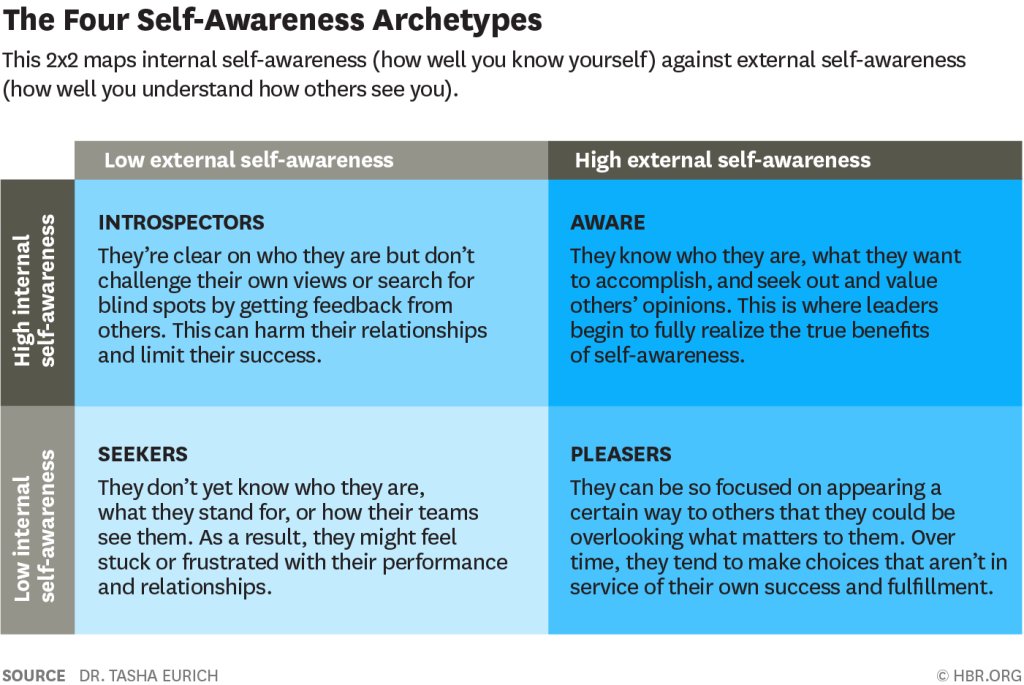
To become more self-aware, don't ask why you're the way you are—that often leads to rumination. Instead, ask what situations bring out the best and worst in you, and what you can do to improve.
@tashaeurich: https://t.co/tKBBgSUVg5
Ideal team players are Humble, Hungry and Smart. People with these three virtues work great on teams. See how you stack up with this free self-assessment. https://t.co/Vs2zVAYFtK
Beyond basic needs, we want 3 things out of work: a career, a community, and a cause.
As we age, we become slightly less focused on career and community, and slightly more focused on cause. But every generation values them all.
https://t.co/4EE8iIHId7
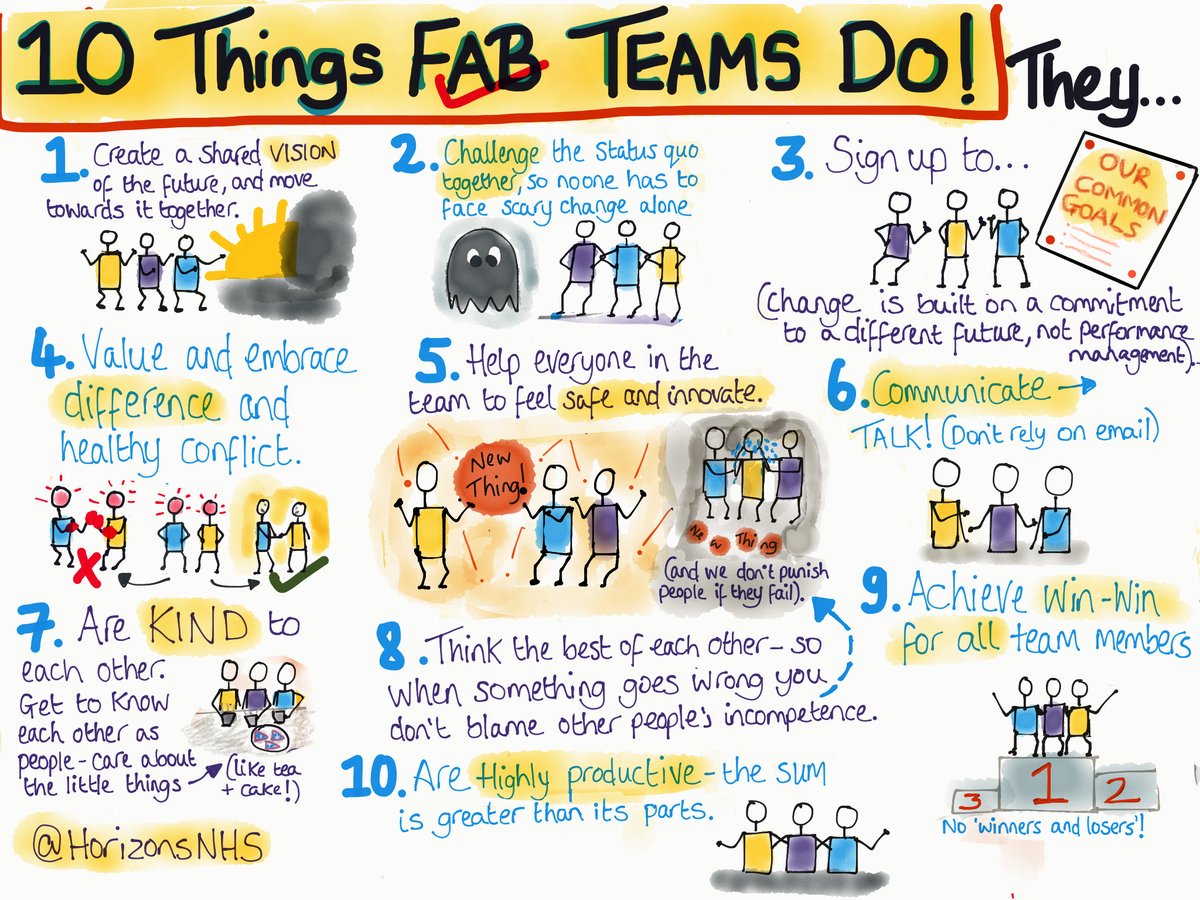
Great teams are defined not by how they handle their best moments, but how they face their worst moments. Setbacks bring them together instead of tearing them apart.
@leighakendall, via @helenbevan:
Multitasking gives us a neurochemical high so we think we are doing better and better when actually we are doing worse and worse. Real truth from #Turkle
Great cultures are fueled by simple rules. Here are those from Norway's incredibly successful ski team:
• No jerks
• Anybody sits anywhere
• Friday night is taco night
https://t.co/fqRsRblehG
In this Thanksgiving season, I recalled an Adam Grant post referencing this HBR article about "other-praising" - the power of letting others know the value of what they did for us, not just about how it made us feel. https://t.co/3Ohh1p0zGB