Weight loss treatments linked to lower risk of obesity-related #cancers in people without #diabetes. New research in @Annals_Oncology@myESMO, paper free access: https://t.co/BLPvG44Uel
⚠️ Clinicians may be missing what patients are actually feeling.
In this PANTHER trial analysis of early-stage high-risk breast cancer:
👩⚕️ Clinician-reported CTCAE toxicities
vs
🧑🦱 Patient-reported symptom severity
📉 Agreement was poor across all symptoms.
🔹 Kappa: 0.07-0.34
😴 Fatigue discrepancy: 36%-54%
😣 Pain discrepancy: 23%-38%
The biggest issue?
📌 Clinicians consistently graded symptoms lower than patients reported.
😴 Fatigue
😣 Pain
👄 Mucositis
The symptoms affecting daily life most were often the easiest to underestimate.
💡 Takeaway:
PROs should not be “extra data” in oncology trials or clinics.
They are the missing half of toxicity assessment.
📖 Full paper in comment ⬇️
#OncoTwitter #MedTwitter #BreastCancer #QualityOfLife
@OncoAlert@myesmo@esmo_open
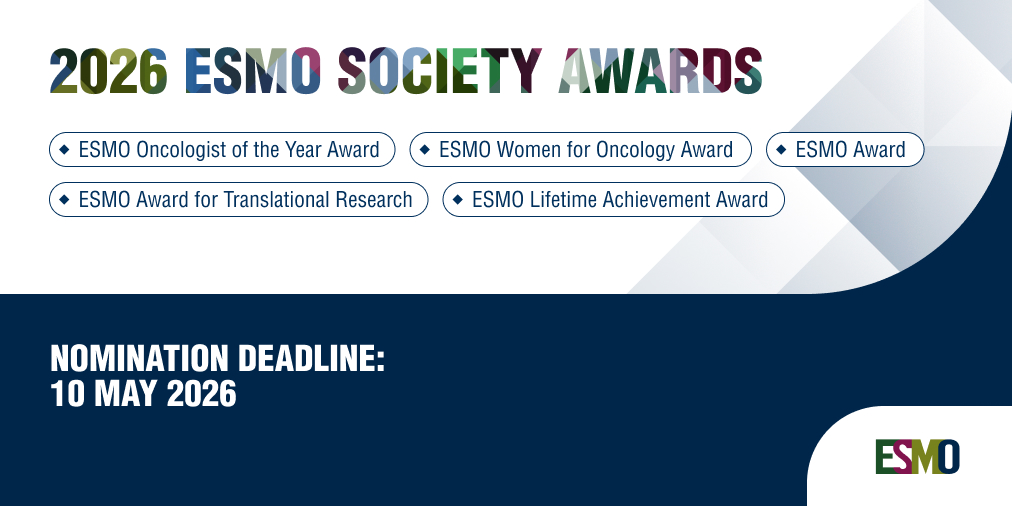
📢 Last chance to nominate!
#ESMOMembers, don’t miss the opportunity to recognise excellence in #oncology via the 2026 ESMO Society Awards.
⏳Nominations close tomorrow, 10 May 2026
🔗 https://t.co/3DR51dBe0V
#ESMOAwards#CancerResearch#W4O
📢 The 2026 ESMO Society Awards nominations are now open!
#ESMOMembers can propose outstanding contributors to #oncology for the different awards.
🗓 Deadline: 10 May 2026
🔗 https://t.co/VhLSqzdhnZ
#ESMOAwards#W4O#CancerResearch
Do all patients in Europe have equal access to cancer clinical trials?
New ESMO findings across 34 countries highlight disparities in access.
📊 Report presented to EU policymakers in Brussels
🔗https://t.co/IkQjZNpY4R
#EquityInClinicalTrials#ESMOCancerEquityReport #EUCancerPlan
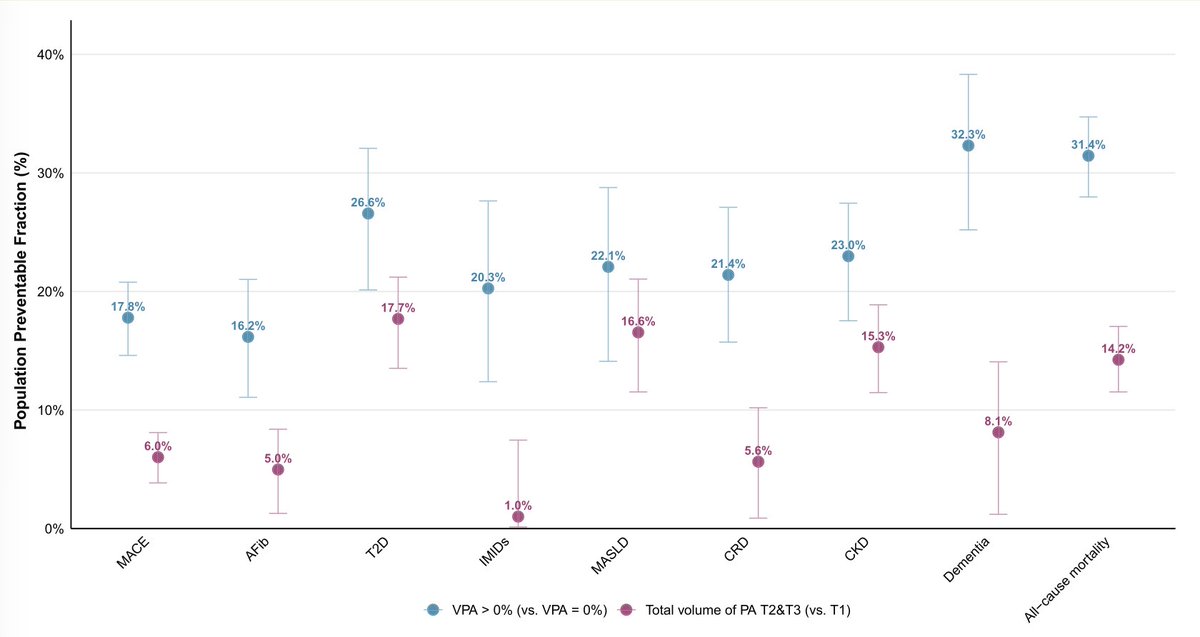
Intensity of exercise vs volume of physical activity made a difference for lower risks of 8 diseases and all-cause mortality among 96,000 @uk_biobank participants, especially noted for immune-mediated (IMID). VPA-vigorous physical activity
https://t.co/MiiJHRDwxK
📣 LAUNCHING NOW: Our new Roadmap for Integrated Care of CVD and Multiple Long-Term Conditions.
Cardiovascular disease rarely occurs alone. Many people living with #CVD also have conditions such as hypertension, diabetes or obesity.
Learn more: https://t.co/e1uEmKsOS3
🌍 Around 37% of adults globally live with multiple long-term conditions.
Yet most health systems are designed to treat one disease at a time, leading to fragmented care and high treatment burden.
Learn more: https://t.co/e1uEmKsOS3
People living with heart disease and multiple conditions often face:
💊 Multiple medications
👩⚕️ Visits to several specialists
🔁 Poor coordination of care
⏳ Long waits or travel distances for services
Learn more: https://t.co/e1uEmKsOS3
Integrated care organises health services around people rather than diseases.
Evidence shows it can:
✅ Improve outcomes and quality of life
✅ Reduce avoidable hospitalisations
✅ Improve care coordination
Learn more: https://t.co/e1uEmKsOS3
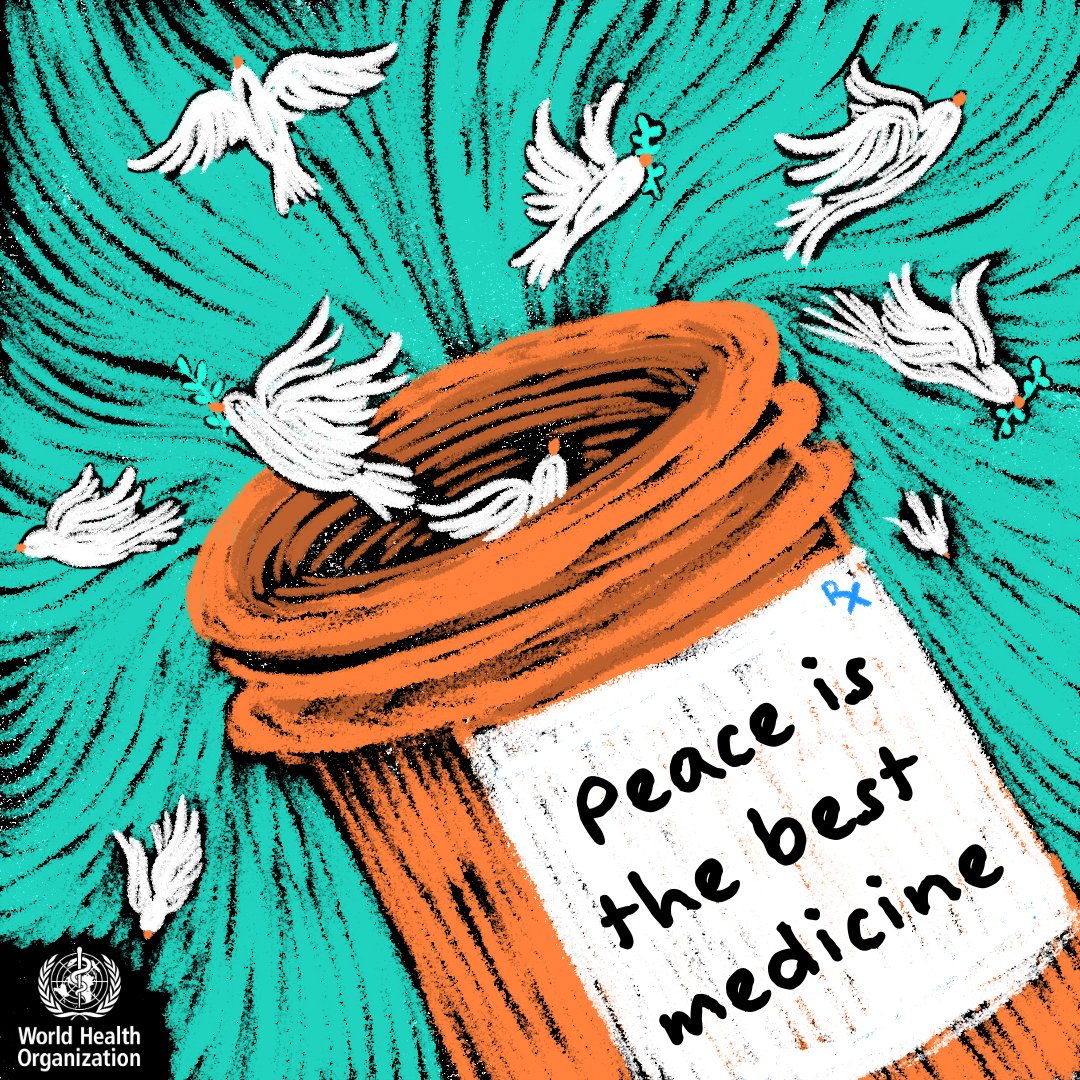
WHO calls on all parties to protect civilians and health care, ensure unimpeded and sustained humanitarian access, and pursue de-escalation of the conflict so communities can begin to recover and move towards peace https://t.co/kt4EHUSY0v
Do you have an impactful research idea?
One that could improve patient care or advance scientific excellence?
Apply for the ESMO Leadership & Career Development Award, offering protected research time, leadership & communication training by 3 May 26
🔗https://t.co/D9zzaCsxzy
#Oncology #ESMOYOC
@TeresaSAmaral@E_de_Azambuja@DrAngelaLamarca@Rodrosb
It's a common assumption that life improves with greater wealth and more access to technology. But as the new Global Mind Health report from @sapien_labs shows, that’s not always the case. Researchers found that young people, in particular, are not thriving, and, in fact, “the wealthier the country, the worse the mind health of its young adults.”
The report identified four aspects of modern life driving this trend: diminished family bonds, diminished spirituality, smartphones at an increasingly young age, and increased consumption of ultra-processed food.
“These patterns point clearly toward the need for upstream, structural change—focused not only on treatment, but on the environmental factors shaping young minds in the first place,” the report concludes. “While not every mechanism or pathway of these driving factors is fully understood, the risks of inaction are too great.”
You can read the full report here: https://t.co/L412qwwRXO
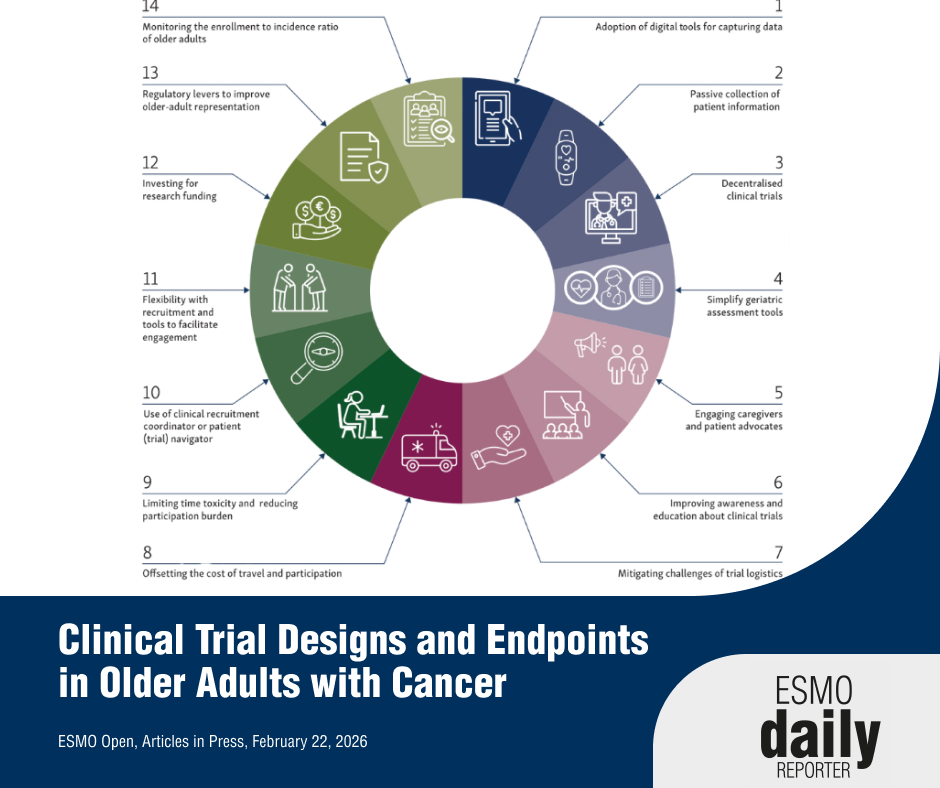
Why are older adults still not properly considered in #ClinicalResearch?
In the #ESMODailyReporter, @AnnaMislang & @CapuBaldini highlight key barriers and stress the need to integrate #QoL, functional independence and patient priorities in trial design.
📌https://t.co/yPVNvoaRTh
📣 #PatientAdvocate Workshops at #ESMORareCancers26
13–14 Mar
✅ #HTA & patient input
✅ Rare cancer research
✅ Care via reference centres, guidelines & outcomes
✔️ Registration required | ESMO Advocates: reduced fee, late 11 Feb
❌ No travel grants
🔗 https://t.co/hT9ZkA4LFQ
#GenderMedicine ≠ women’s health. Misconceptions persist due to sex & gender data gaps in #ClinicalTrials and poor reporting. Integrating these factors is vital for fair, evidence-based care.
More in the #ESMODailyReporter 📌https://t.co/scpL6ukl6a