This is a huge finding.
I hate keeping patients NPO all day, just to have the OR cancel my case at 3pm.
Turn out we don’t actually need them to be NPO.
Chances anesthesia groups will sign on to this? Zero.
Why would they? That’s one less reason they can cancel a case.
New Publication!!
Comparing EUS guided Gastroenterostomy vs Enteral stenting for GOO.
EUS-GJ remains Effective and safe with lower rates of reintervention.
Thank you @gastroReddy for mentorship.
https://t.co/0ghJlelPs8
Thanks to @AmCollegeGastro and @UICDom team for a great opportunity to visit Chicago as an ACG Edgar Achkar Visiting Professor. We debated everything from advanced polypectomy techniques to the role of #LLMs in medical training...
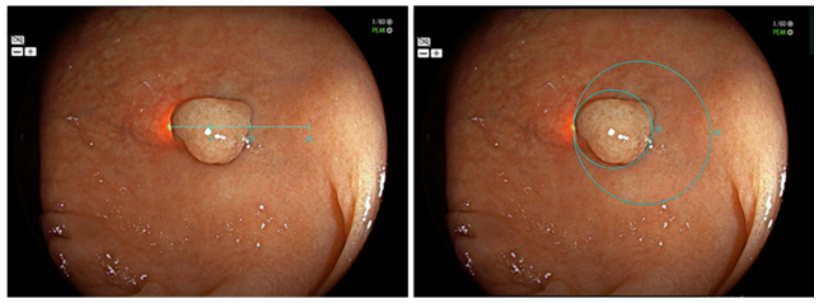
510k clearance for first automated polyp-measurement tool, SCALE EYE by @FujifilmUS. Requires BOTH a laser-equipped colonoscope + computer vision software. Provides a linear or circular virtual measurement.
https://t.co/IPevRTmhO3
*Video and images shown with full, written informed consent from the patient.
Our first ESD of 2024, performed last week, using our saline-immersion technique (SITE)-facilitated, tri-tunnel variation of the pocket-creation method (PCM). The lesion was a 12 x 9cm laterally spreading tumour involving the ileocaecal valve, caecum and ascending colon*. Dissection speed: 28.3 mm^2/min.
SITE, which we first described in 2016, enhances patient comfort (avoiding the need for deep sedation), obviates the need for any traction (through buoyancy), enhances optical clarity (through elimination of dissection-related smoke, fat micelles, debris and through intrinsic magnification), and enhances visualisation of vessels and bleeding points.
The use of saline (not water) is critical for conductivity. High-effect, forced coagulation enables very effective knife-alone management of vessels and any bleeding, and this, coupled with the use of self-assembling protein matrix gel (Purastat), obviates the need for the use of coagulation forceps. All these factors contribute to increased efficiency, effectiveness and patient comfort.
Histopathology of the specimen confirmed complete (R0) resection and showed that the lesion consisted of a low grade dysplastic lesion without any evidence of invasive malignancy, confirming cure.
ESD is an endoscopic microsurgical technique which affords an en bloc, organ-preserving, minimally invasive cure for such lesions, which unlike piecemeal resection, offers R0 with virtually no risk of recurrence; this latter point eliminates the need for tight surveillance and related patient inconvenience/risk, also reducing cost and environmental impact.
Onwards and upwards for the betterment of minimally invasive care for all our patients!
We've worked closely with some of the foremost endosonographers around the world to facilitate #EUS training and education online. Visit our #EndoscopicUltrasound Video Library today to access many recorded clinical cases: https://t.co/JescLnsT0f
#CookGastro#MedEd#GITwitter
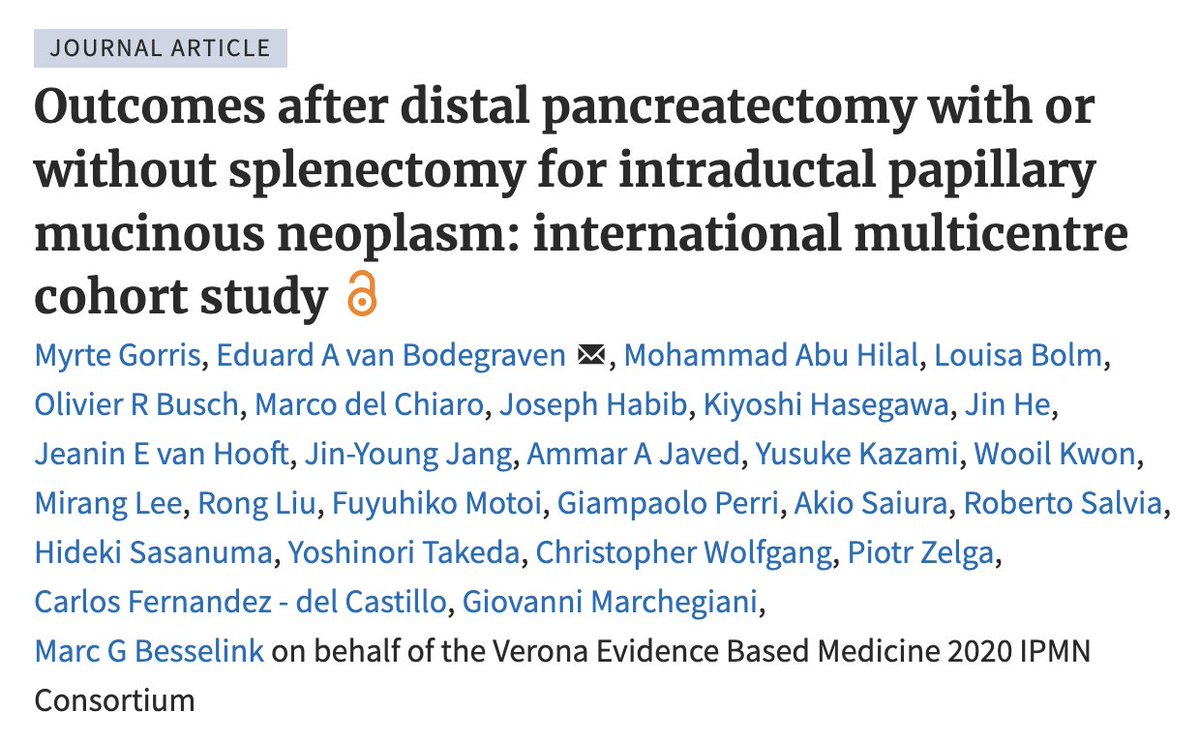
Distal pancreatectomy for IPMN 🍇 with or without splenectomy ?!
🦀 Malignancy 30% out of 700
🫘 Spleen preserving ⬇️ blood loss, OR time, hospital stay but 🟰 overall survival
🍒 Node mets 7%
Once malignancy not suspected spleen can be preserved 👌
👉https://t.co/RAzWAYh51A
The first milestone 💫 of 2024 is out!
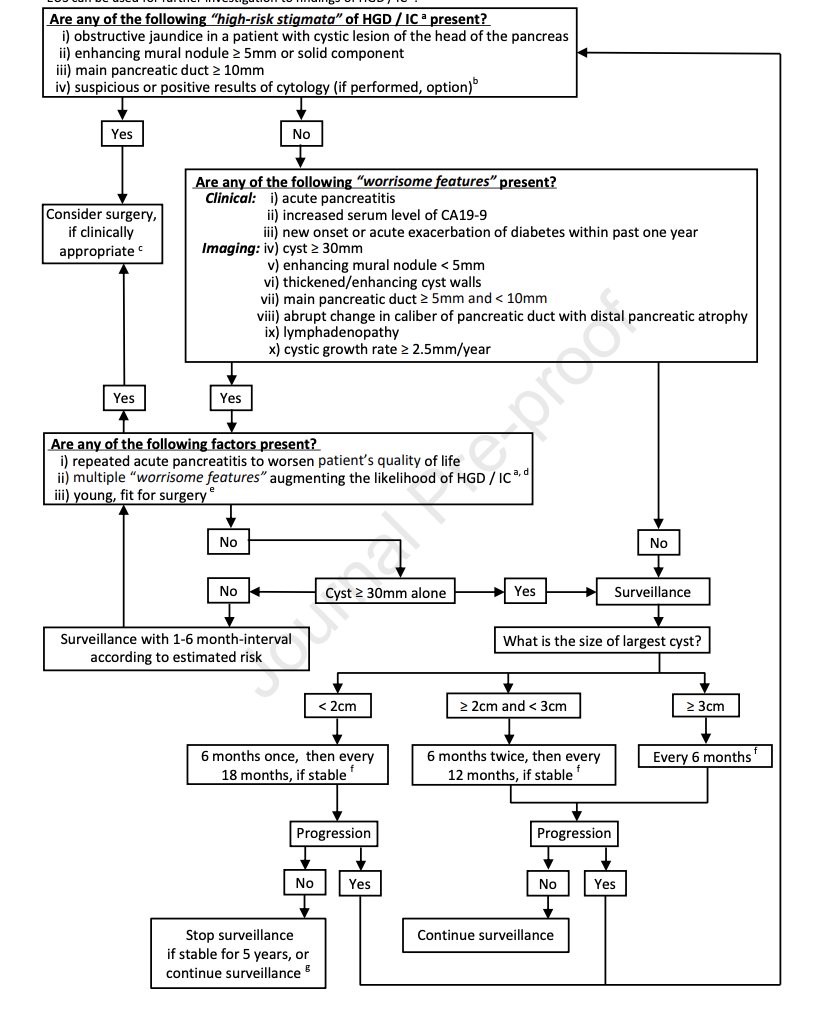
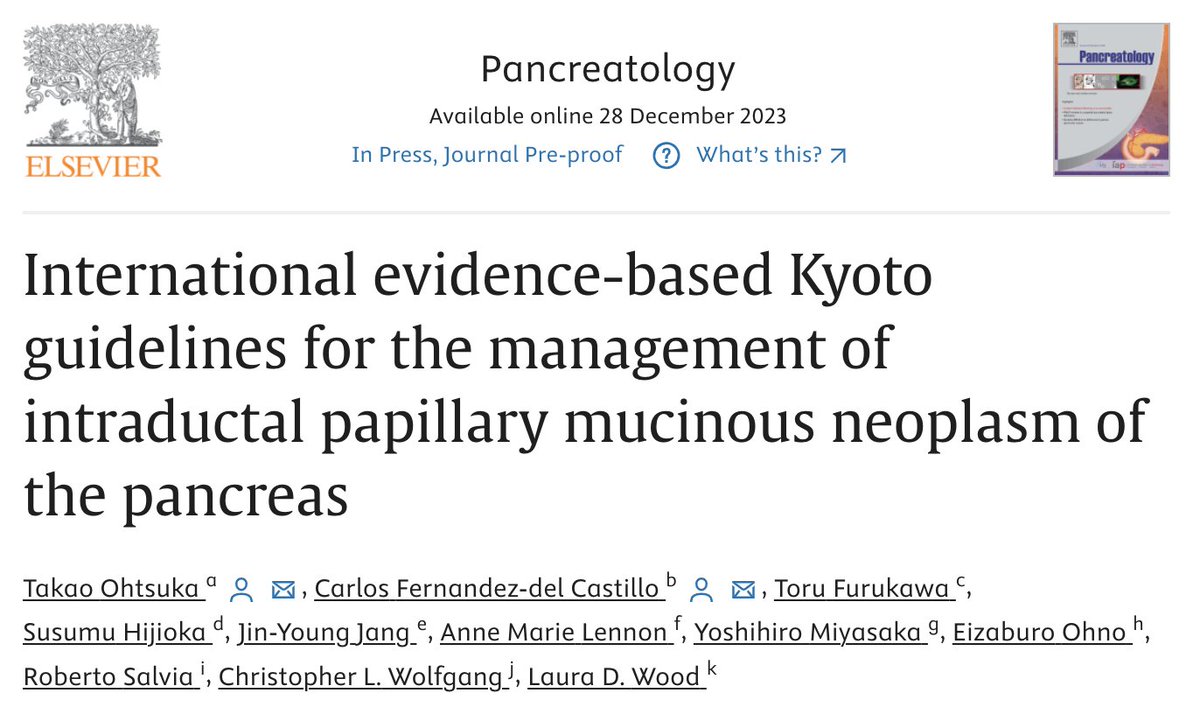
Updated IAP Guidelines 🍇 for IPMN
🔑 New key role of EUS
🔴 HRS remain same
🟡 WF slightly revised / dynamically evaluated
🟢 Possible STOP surveillance for Trivial BD-IPMN!
🫵 Are you going to apply them?! 🧐
https://t.co/RbX2iNYBNb
The fellows course lectures at #ChicagoLive might be the most entertaining yet educational in 2023.
Travel scholarships are available for fellows to attend. Sign up today!
https://t.co/P6tALpOnZ5
👀 image @drdeepakmadhu
Imaging can be deceiving so it’s important to include:
Seiwarts, top of tumor, top of gastric fold, diaphragm, distal aspect of tumor on all Endoscopy reports in esophageal cancer.
Siewarts + TNM ➡️ TX algorithm
#oncology#MedEd#Cancer#GITwitter
In GIE, ASGE releases the first North American guideline for endoscopic submucosal dissection (ESD). Using GRADE as their methodological review tool, experts identified EMR and ESD recommendations. https://t.co/9cPJIzHwsF
Underwater EMR in the duodenum:
♦ Utilize 10 or 15 mm only
♦ irrigate with water while snare is open to allow grasping the maximum amount of tissue within the snare
♦ To avoid sliding of the snare, place it in the resection bed for stability
♦inspect potential bleeding spots