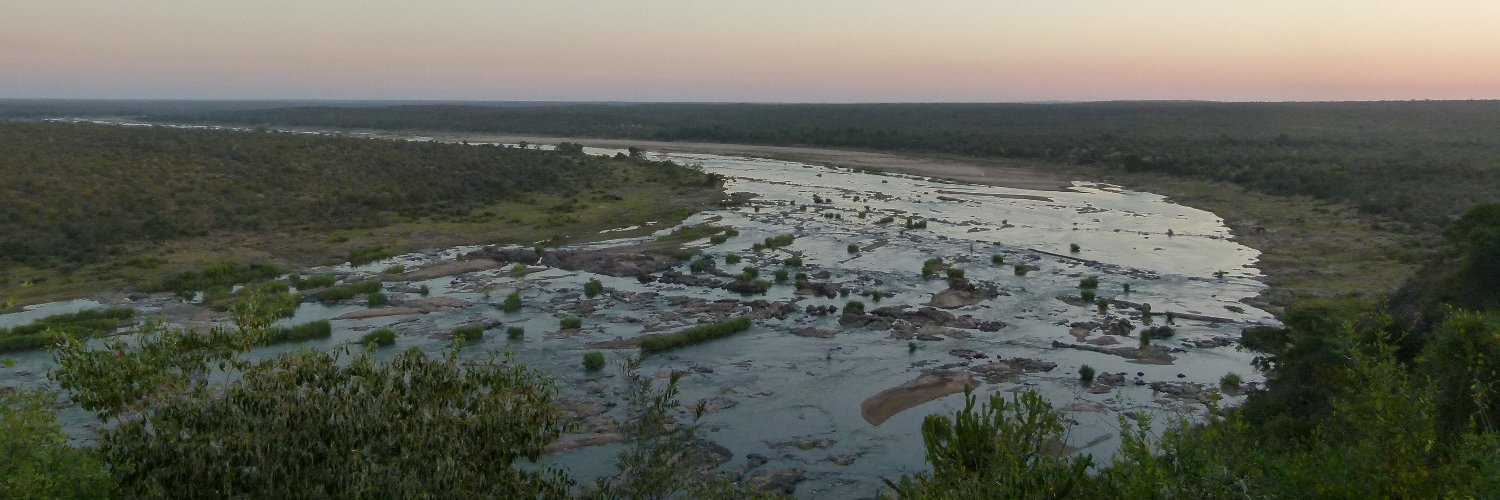
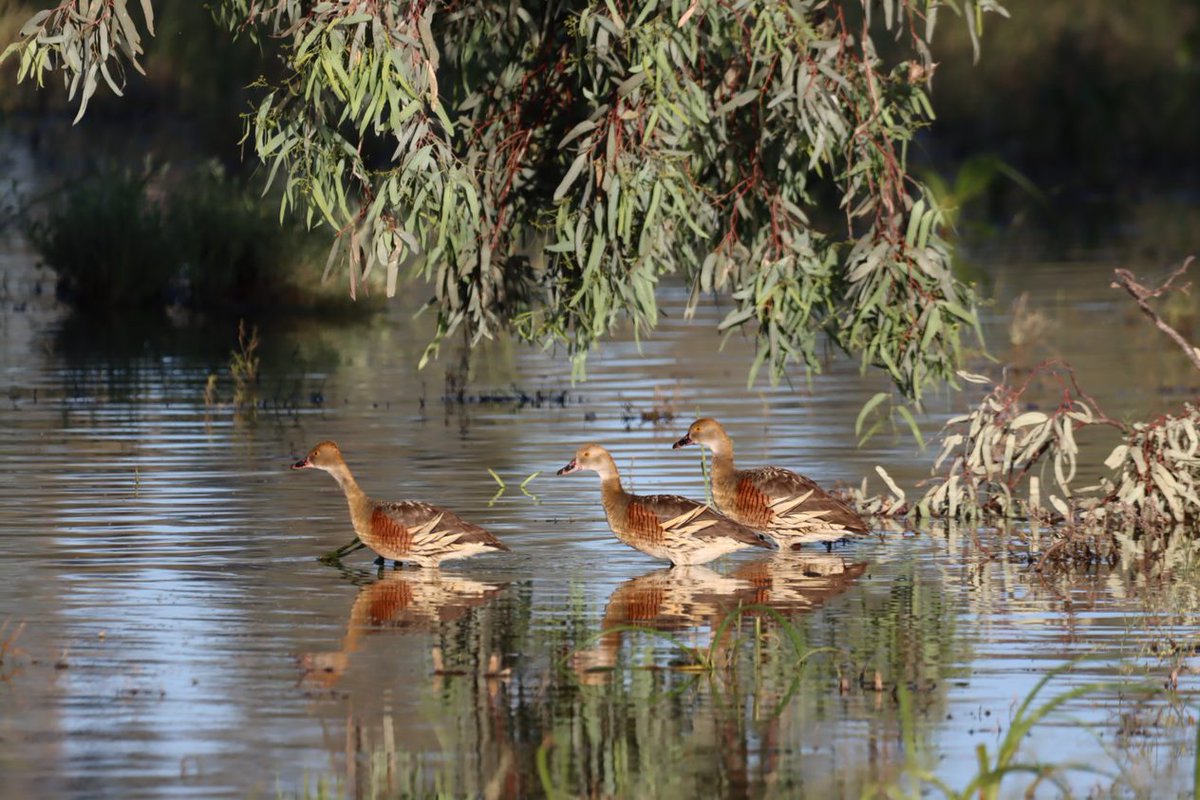
Following the large inundation event Flow-MER scientists Jared Reid and Emeritus Professor Nick Reid undertook a waterbird survey. Many parts of the floodplain were still wet, providing great habitat for waterbirds.
https://t.co/gBexXQ2OAh
As part of the Flow-MER program, scientists investigate what impact Commonwealth environmental water flows are having on fish, birds, vegetation and river connectivity in the Murray-Darling Basin.
Read the full story: https://t.co/d3zyR4vvqe
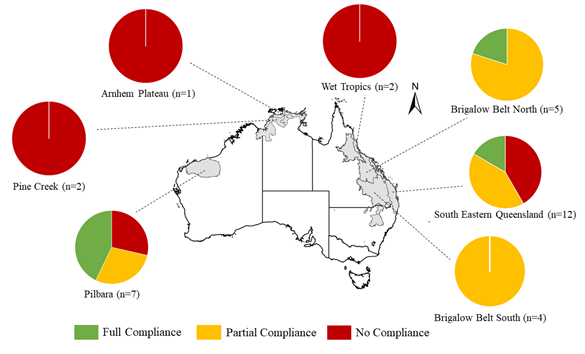
How much field survey data informs decisions about new development under the #EPBC Act? Do baseline surveys meet minimum requirements? We looked at surveys conducted for the endangered northern quoll as part of the EPBC referral process – and the results were concerning.
First draft of CBD #post2020 Global Biodiversity Framework calls for net gain in natural systems. Are current biodiversity offsets policies well-positioned to help deliver these gains? Where are they falling short?
Preprint: https://t.co/Qxo90VyqmE
The importance of ‘net gain’ biodiversity policies is growing. But what do these commitments *mean*, & will they actually help us achieve biodiversity recovery targets of the Post-2020 Global Biodiversity Framework?
Our new preprint led by @J_Simmonds_AUS
https://t.co/H9girTc4D5
In our new paper we propose a goal for species in the post-2020 Global Biodiversity Framework that strives to end extinctions and recover populations of all species https://t.co/hRODFPBYXl @UQscience @TheWCS@BirdLife_News@RSPBScience@IUCN@IUCNssc@UniofNewcastle
Scientists including @philipjkmcgowan @RikeBolam @MairLouise warn that early drafts of the Post-2020 Global Biodiversity Framework do not go far enough to trigger the actions needed to address the alarming decline of species around the world https://t.co/XjAmQFNJjn @SciencesNCL
What are the barriers to better impact mitigation, and where to next for #biodiversity#nonetloss? Register and join our @IUCN_CEM webinar this thursday to hear from a fantastic lineup of speakers from industry, government and civil society https://t.co/dumszJrj4m
Interested in biodiversity offsets and better outcomes from the mitigation hierarchy? Join us on 10th December for a webinar to discuss the future of impact mitigation and ecological compensation, hosted by @IUCN_CEM's new Thematic Group! https://t.co/55ns8JYCl0
This paper is about Canada, but could easily be about Australia: EIS needs improvement. Set minimum survey effort requirements, measurable targets/thresholds for important biodiversity features, and use strategic approaches to capture cumulative effects. https://t.co/z7x5rZbo9Q
LISTEN UP 👂big news 🐨 from our Yourka Reserve on Jirrbal & Warrungu country in FNQ where we’ve just spotted the first Koala in 13 years!!! 👏 👏 👏
Yourka is at the northernmost edge of the Koala’s distribution but has bands of suitable tree species 👍
Audio: @QldEnvironment
Biodiversity offsetting 'markets' are odd & interesting. In places regulators under pressure to relax trading rules to make them work more 'effectively'. But we argue (in new BioCons paper https://t.co/Pjhra2WWbg) this comes with big biodv risks. Let's talk offset flexibility. /1
Managed to sneak some fish (and food) talk in amongst Australia's national budget news 🍽️🐠
What are you really eating? How threatened ‘seafood’ species slip through the law and onto your plate https://t.co/SyWc9ppHIS via @ConversationEDU
Big news out of #ntaustralia !
Beetaloo Basin gas fracking wells to be challenged by new Aboriginal corporation in bid to protect environment - ABC News https://t.co/wlxCGehR2t