BLS unemployment data for April: 3.6% for all vets (3.9% in March), 4.0% for OIF/OEF era vets (4.5% in March), 4.3% for the nation (4.3% in March). Fourth straight month of declines for both veterans numbers.
I want to thank @PureTalk for their support of America’s Warrior Partnership and their commitment to our nations military, veterans, and their families!
A couple of months ago, I switched our three family phones from a national carrier to Puretalk. My monthly bill went from $260/month to $124/month without loss of service quality.
I also switched @AWPartnership work phones to Puretalk. Despite our team being in the remote areas of Arizona and Alaska we never lost cell coverage and saved almost 40% on our monthly bill.
Take my advice. Look at Puretalk. It’s easy to change and easier to save money.
Mr Secretary - we agree 100%! Our Nation needs to follow the data to characterize the veteran at greatest risk for suicide base on their military service, VA experience, and where they live!
The Fox Grant is essential to everyone’s success - greater outreach and engagement. Congress must be renew for at least 5 years, but the VA needs to provide better administration of the program!
@AWPartnership@SenateVA@DeptVetAffairs@HouseVetAffairs
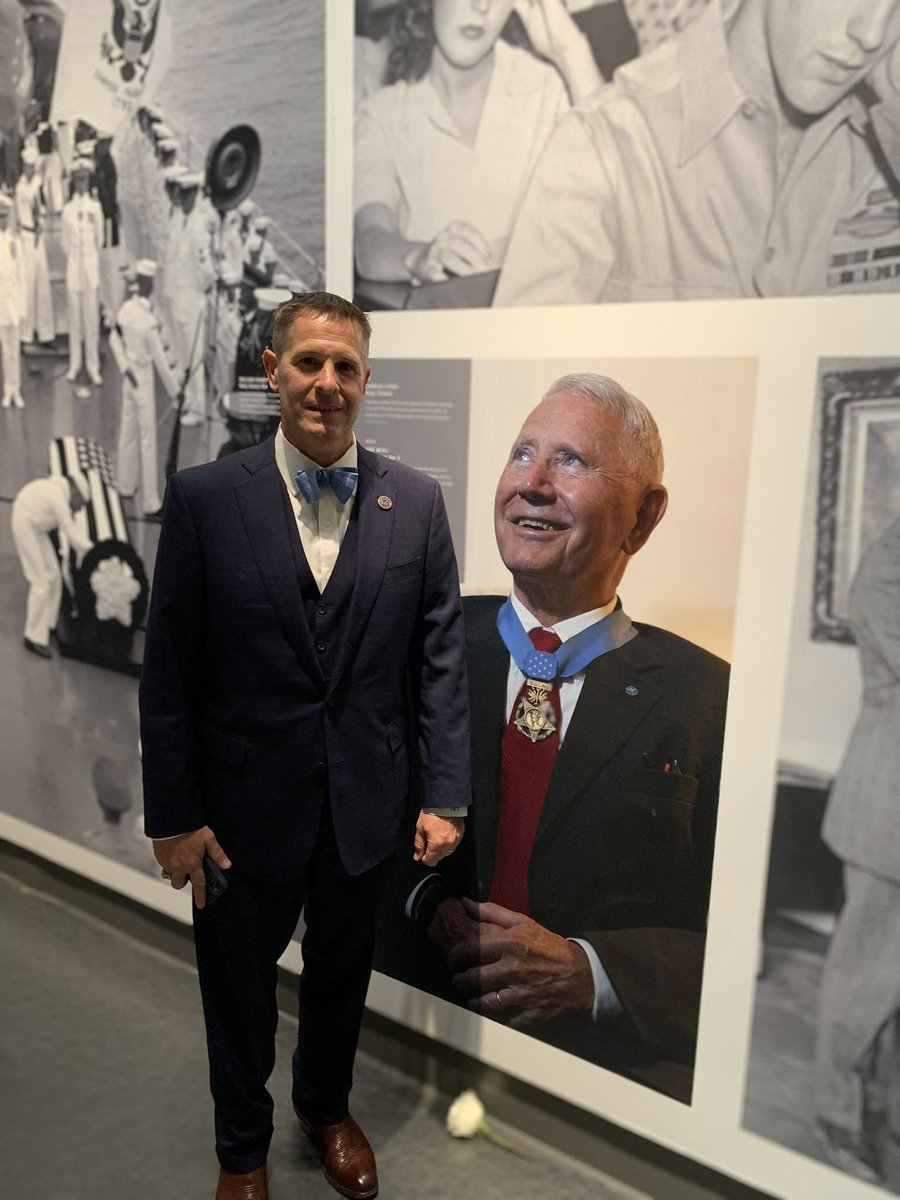
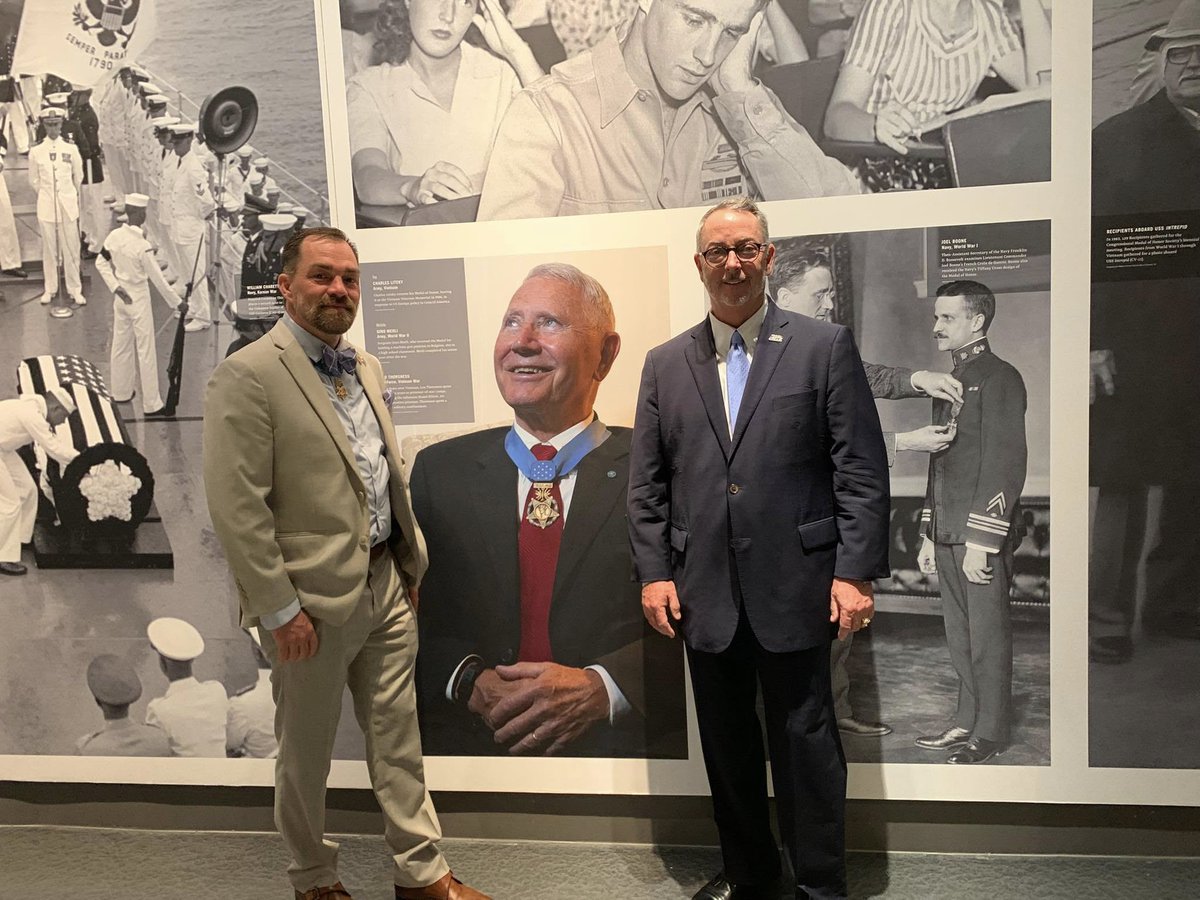
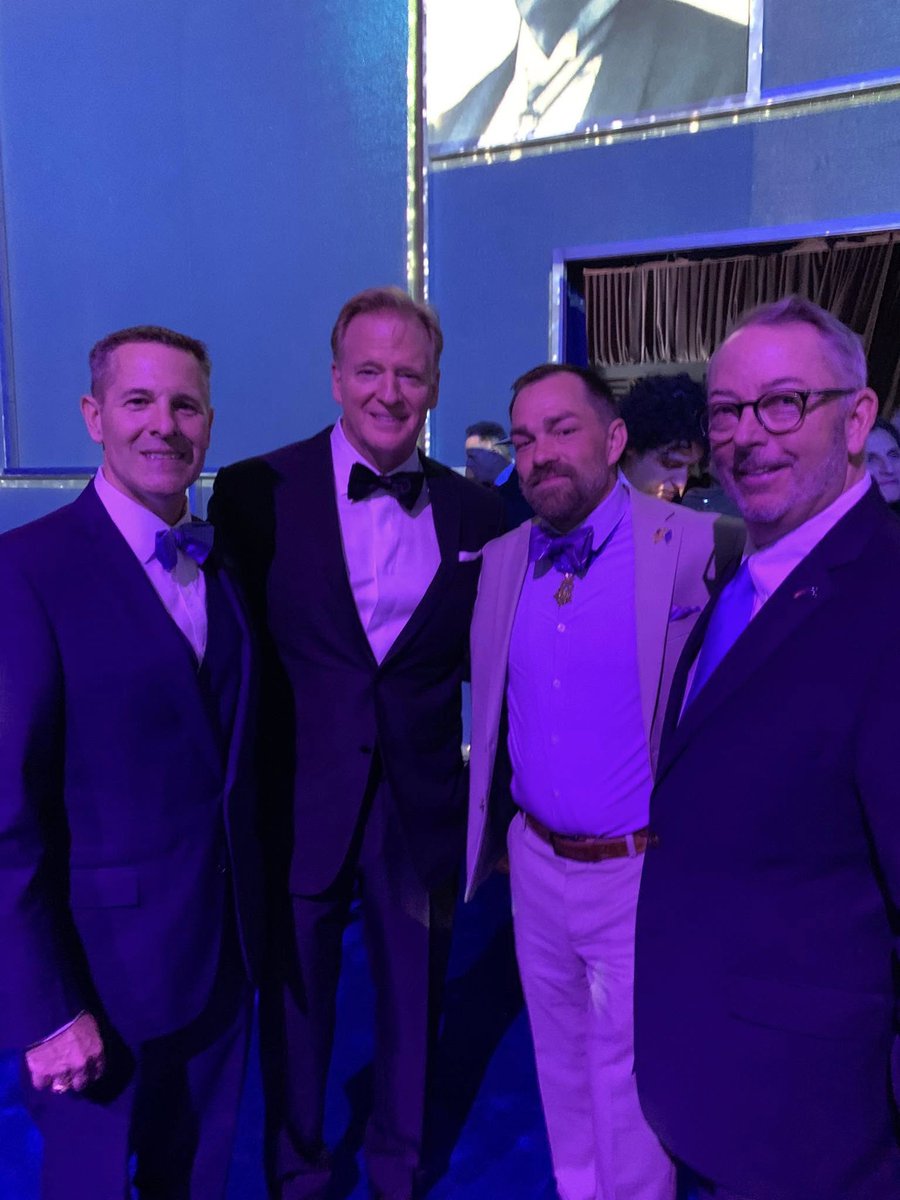
Jim Lorraine, joined by board members Clint, Sal, and Jay, had the honor of attending the ribbon cutting for the Medal of Honor Museum in Arlington, Texas. This museum holds the stories of the thousands of MOH recipients, including AWP co-founder, the late Leo K. Thorsness.
Jim Lorraine, joined by board members Clint, Sal, and Jay, had the honor of attending the ribbon cutting for the Medal of Honor Museum in Arlington, Texas. This museum holds the stories of the thousands of MOH recipients, including AWP co-founder, the late Leo K. Thorsness.
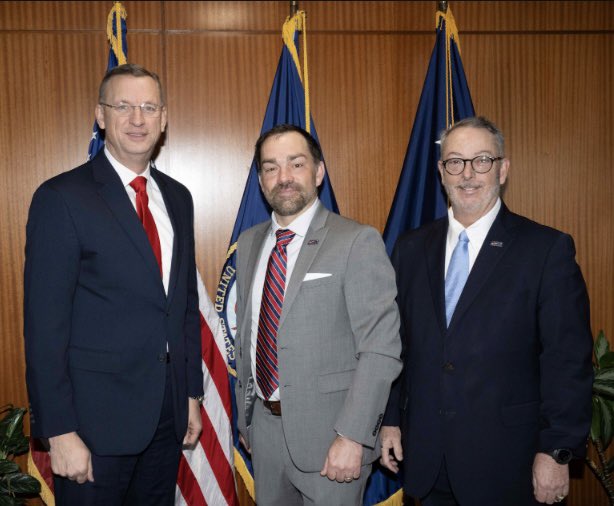
Last week,@AWPartnership Emeritus Board Member - Clint Romesha and I met with Department of Veterans Affairs Secretary Doug Collins to talk how improving the quality of life for veterans will reduce the rate of deaths of despair (suicide, overdose, and alcohol self harm) while also building confidence in a Department (VA) that is the best recruiter for the Department of Defense.
We look forward to a strong partnership and success, because “Together, we can do better.”
@DeptofDefense @DeptVetAffairs
Over the past two weeks, my colleague Cheree Tham and I traveled to Ukraine on behalf of America's Warrior Partnership to assist our client - SCM/Metinvest, the country’s largest company, in integrating the Community Integration Model for the demobilization and repatriation of thousands of employees who defended Ukraine against the Russian invasion.
SCM has been deeply impacted by the war, with many employees, ore mines, and steel mills, including the Mariupol Steel Plant, located in Russian-occupied areas. The plant became a symbol of Ukrainian resistance, where thousands perished, and 4,000 soldiers and civilians were taken prisoner. In response, SCM established Heart of Azovstal, a non-governmental organization dedicated to repatriating prisoners of war, supporting displaced families, coordinating aid for wounded veterans, and preparing for mass demobilization.
Since the war began, approximately 45,000 Ukrainian service members have been killed, with another 57,000 experiencing amputations. As these veterans transition back into civilian life, Ukraine faces the challenge of reintegration in a society profoundly changed yet unified in its national identity.
Throughout our trip, we encountered a passionate and hopeful veteran and civilian community, from Kyiv’s capital to Bucha—where a civilian massacre occurred—and Kamianske, an industrial city near Dnipro. Veterans share a universal bond, regardless of nationality, and Ukraine's veteran support ecosystem is growing, offering opportunities for collaboration.
Communities like Bucha and Kamianske are proactively preparing for demobilization, committed to adapting to returning veterans rather than forcing veterans to adapt to them. Ukraine’s definition of a veteran includes individuals from six Ministries who have served in combat zones for at least 30 days. The Ministry of Veterans Affairs, established in 2014, remains under-resourced and relies on other government agencies for support. At local levels, various overlapping services exist for veterans and their families, underscoring the need for a customized, flexible approach to reintegration.
As Ukraine moves forward, it must ensure a sustainable model that recognizes the sacrifices of its defenders while equipping them to contribute to a resilient, post-war society.
@AWPartnership@metinvest
Elections generally bring significant changes. The next few months will see an abundance of legislation and policies more focused on short-term reactions and less on addressing long-term systemic and cultural change for our veterans and their families or the sustainment of the all-volunteer military.
At the root of the problem, veterans don’t feel the Department of Veterans Affairs (VA) has their back. While VA self-reporting shows enrolled veterans have trust in the VA, these reports survey only a fraction of the national veteran population. The fact is that almost half of our veterans aren’t enrolled or eligible for Department of Veterans Affairs (VA) services, and the majority of those not enrolled do not trust the VA.
The VA and the nation must recalibrate their perception of veterans and demonstrate that the VA has the back of every service member and their families for life. This cultural shift will increase the quality of life for 7-10% of the nation and improve the recruitment opportunities for the Department of Defense (DoD) because the VA is the best recruiter for DoD.
The VA can lead this cultural shift but requires a whole-of-nation approach involving federal and state governments, industry, educational institutions, nonprofits, and donors, as well as legacy and emerging media outlets spreading the simple truth: that many veterans are successful, healthy, active in business and community, and committed to our nation's success. PTSD doesn’t plague all veterans and is not isolated to only veterans.
If systemic change does not grow beyond the Washington DC advocacy groups and union representatives, then it will result in fathers, mothers, aunts, uncles, brothers, sisters, friends, and mentors recommending against military service to their loved ones who are considering their options.
However, there are immediate and long-term steps we can take as a nation to refocus our national veteran's culture.
1. Define a veteran as any person (Active Duty, National Guard, Reserve) who raised their hand and swore an oath to defend the Constitution through military service and was not dishonorably discharged.
a. Traditional National Guard and Reserve are not considered veterans by the VA or US Census.
2. Recruit and retain every veteran into the VA with levels of services and programs focused on lifetime membership and support, including automatic VA enrollment for transitioning servicemembers
a. The VA must apolitically communicate with all veterans to build a cohesive group and demonstrate their lifelong commitment to all veterans by responding with a one-size-fits-one approach.
3. Recognize that DoD and the VA are linked by moving the administration's veteran’s portfolio from the Domestic Policy Counsel to the National Security Council in both the White House and Office of Management and Budget.
4. Use current legal authority to allow veterans to access non-VA physical or behavioral health within private insurance standards of time and distance, but also require a measure of face-to-face continuity of care.
5. Expand the authority to hold sub-standard VA employees accountable for their poor performance and lack of customer service to help rebuild trust and confidence in the VA.
6. Support a grant process for community-based government and nongovernment veteran service organizations to serve as an extension of the VA.
7. Created a joint VA/Armed Services select committee in the House and Senate to address transitional military/veteran issues and legislative and budget alignment.
8. Streamline the VA claims and benefits system to reduce veterans' frustration, anger, and loss of confidence when dealing with the Veterans Benefits Administration.
9. Recognize that suicide prevention is a complex issue and not just a mental health issue by moving the Suicide Prevention Office from within the Mental Health Department of the Veterans Health Administration to become a direct report to the Secretary of Veterans Affairs.
10. Require any congressionally chartered Veteran Service Organization to disclose their major donors so veterans and the American people know who they represent when they testify before Congress.
These policy transformations are vital. While there will be many discussions and deliberations along the way, we can improve the lives of veterans so long as everyone agrees that changes are needed. This is just the beginning, and many more changes will be required.
But the biggest change remains the most difficult: it is imperative that we change the narrative to remind Americans that not all veterans are broken, disabled, and needy. In fact, veterans' deeds and actions demonstrate that they are not only a vital population of our nation but also flourishing leaders in our communities and continue to serve long after they leave the military.
@AWPartnership
As the Marine’s barrage us with reminders that it’s their birthday and we get ready for Veterans Day I do interviews for America's Warrior Partnership (AWP’s). Every outlet wants to talk about veterans struggling with post traumatic stress disorder (PTSD).
The issue facing Veterans is that everyone thinks all veterans have PTSD and most think PTSD means you’re damaged goods. This narrative must end.
AWP’s research over the last 10 years indicates 85% of veterans are flourishing, growing, and serving (14.9M). The remaining 15% (2.6M) of veterans need help that is not singular such as housing or employment, but complex.
Like the story of the women who swallowed the fly and eventually succumbed to the compounding interventions, the veteran leaves work to drive far from home for a one-hour appointment that always lasts 4 hours.
- Which leads to lower income.
- Which hurts more because of inflation of rent or food, or gas requiring tough choices.
- Which leads to bills not being paid.
- Which leads bank to repossessing her car.
- Which leads to loss of employment, access to healthcare, affordable food, loss of cell phone (social connection) and mobility freedom.
- which leads to deeper struggles.
- Which leads to homelessness.
- Which led to deeper hopelessness (depression).
- Which led to social isolation.
- Which deepens their hopelessness to the point life was not worth this crap.
BUT I ONLY GET ASKED ABOUT PTSD!!!
PTSD, depression, and hopelessness are outcomes of greater issues facing 15% of veterans who are struggling.
Opportunities:
1. Improve access: The system is just not holistic enough to address systemic veteran issues such as access to local, consistent, prompt healthcare.
2. Help your military connected employees: Employers do not understand that the veteran system is not user friendly and are unable to assist.
3. Financial institution actions: The economy hurt everyone, including veterans. Don’t wait until a cross to help veterans and their families.
4. Collaborate: The majority of veteran serving programs are singularly focused on one issue and do not actively collaborate.
5. Learn more: The public does not know enough about PTSD, traumatic brain injury (TBI) and post traumatic growth training.
6. Tell the whole story: Everyone tells the story of all veterans, not just the 15%!!!!
If you know a veteran, tell a veteran about AWP.
“Together, we can do better”
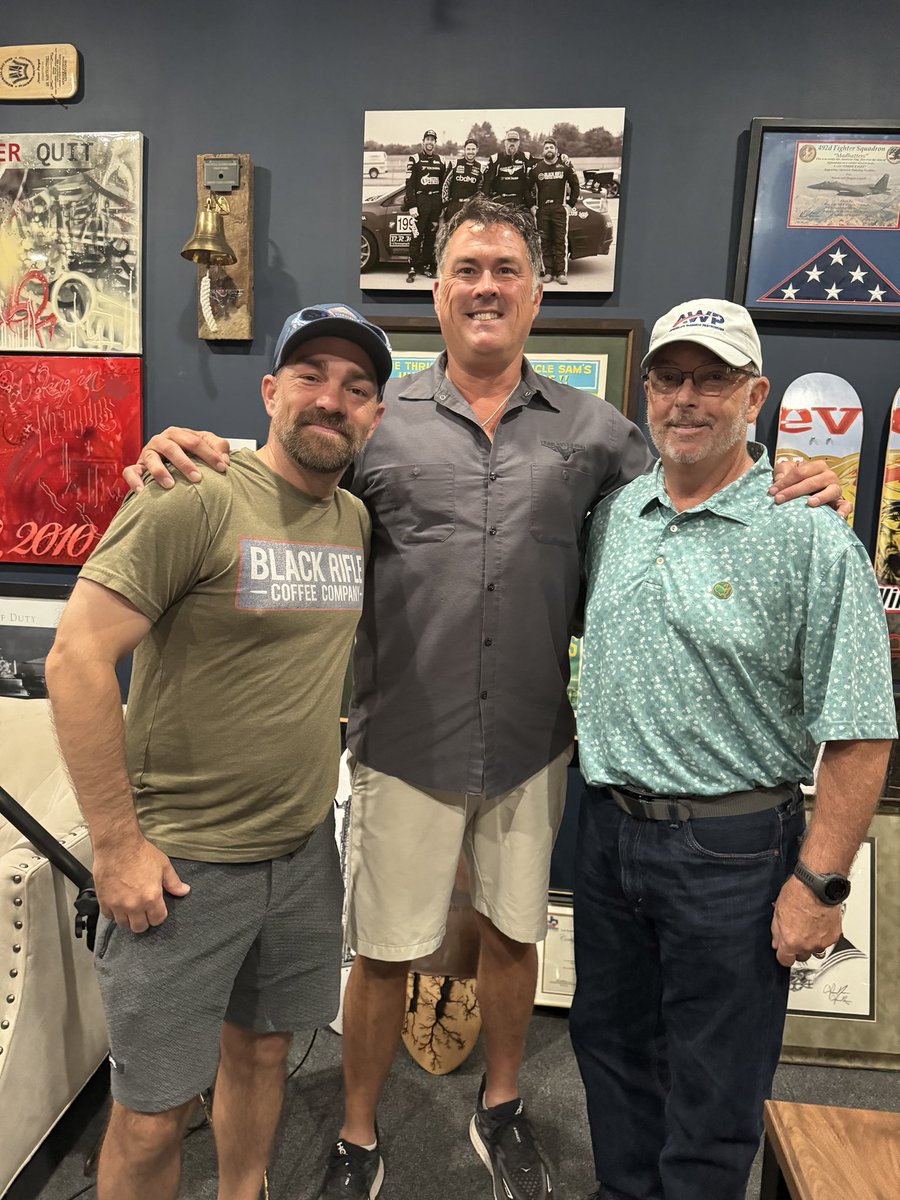
I spent some time in Houston this week for meetings with talk radio host @JesseKellyDC, @PureTalk Will Curry, and a podcast for longtime friend @MarcusLuttrell and his great wife Mel from Team Never Quit. @AWPartnership board member Clint Romesha joined me.
Help AWP help Vets!
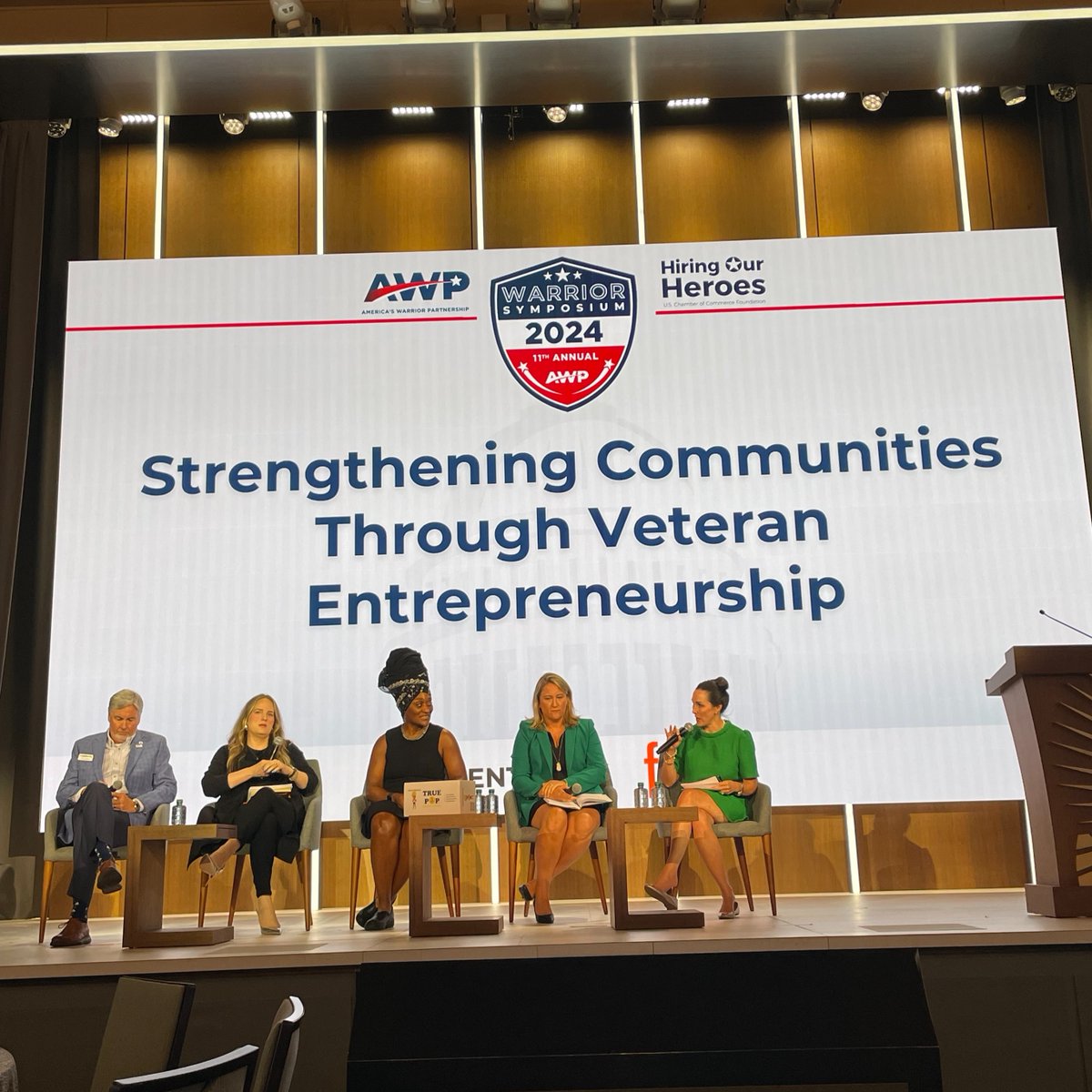
Today Dog Tag was proud to attend the @AWPartnership annual #WarriorSymposium24. @hiringourheroes
Dog Tag CEO Meghan Ogilvie sat on the panel 'Strengthening Communities Through Veteran Entrepreneurship,' moderated by Dog Tag board member, Vivian Greentree, Ph.D.
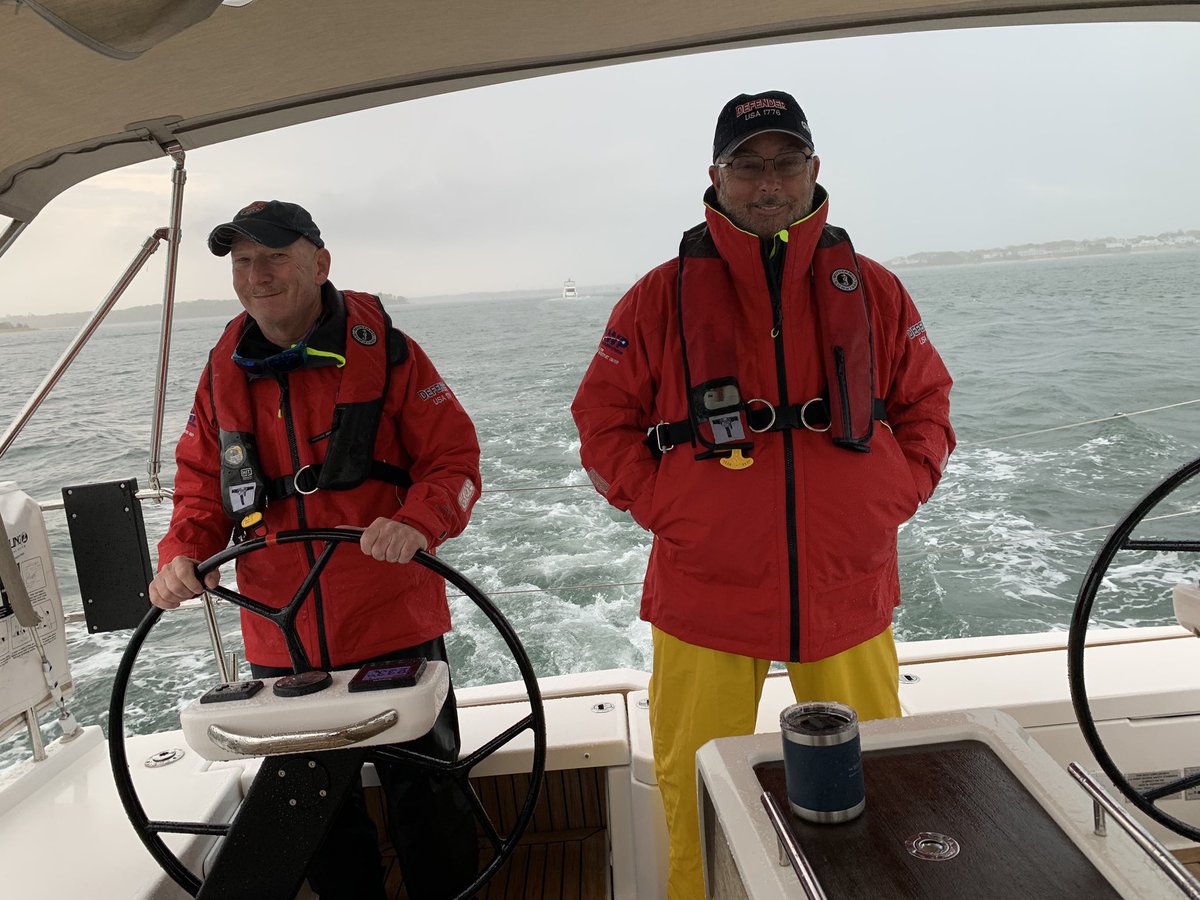
Yesterday was a warm sunny day, while today was filled with rain, lightning, rough seas, and poor wind direction.
The contrast between yesterday and today highlighted for me how life can change for the worse, but with support of friends/family and an experienced team, obstacles can be overcome.
For veterans and their families facing negative changes there are local and national experts to connect you to resources to improve your quality of life. You are not alone.
Together, we can do better.
@thewestportgp@AWPartnership@figawirace
Today marks 10 years at @MilitaryTimes for me -- it really is surprising that they haven't found a way to kick me out yet. Many thanks to my patient sources and mostly kind co-workers (they all have terrible sports opinions) for keeping me going.