@Eviljohna@NWSAtlanta Yeah was really weird.. but it moved like a cloud.. also it’s right over the Chattahoochee so updraft / downdraft? But seeing it wasn’t scary at all it just looked like a sideways cloud… here’s a gif:
Astrocytes May Hold the Key to Brain’s Vast Memory Capacity
Researchers have proposed a groundbreaking model suggesting that astrocytes—star-shaped brain cells once thought to serve only supportive roles—may be key to the brain’s immense memory storage capacity.
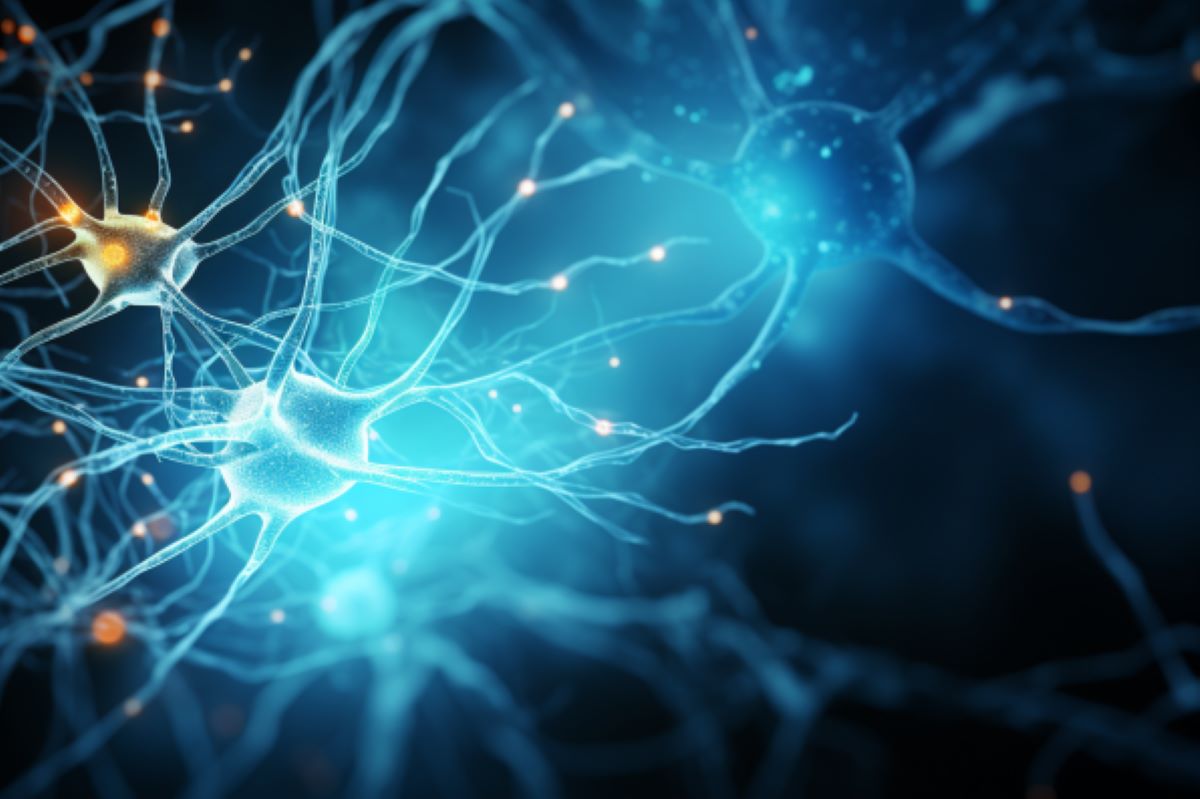
Unlike neurons, astrocytes communicate through calcium signaling and influence neurons at synapses, forming “tripartite” connections that link multiple neural elements.
The team modeled these astrocyte-neuron interactions using dense associative memory networks, which can store far more information than traditional neuron-only models.
They hypothesize that astrocyte processes act as individual computational units, encoding memory through patterns of calcium flow and releasing gliotransmitters to affect synapses.
This arrangement could explain how the brain stores massive amounts of information efficiently.
The model also has implications for artificial intelligence, offering a biologically inspired framework to enhance memory and learning in machines.
There are six depression biotypes.
The dominant ‘one-size-fits-all’ diagnostic approach in psychiatry leads to cycling through treatment options by trial and error, which is lengthy, expensive and frustrating.
Married Minds: Oral Microbiota May Mediate Shared Anxiety
A new study suggests that the transmission of oral microbiota between newlywed couples may influence the development of depression and anxiety symptoms.
Researchers followed 1,740 couples married for six months and compared healthy spouses to those partnered with individuals who exhibited insomnia and depression-anxiety (DA) traits.
Over time, the healthy partners of DA-phenotype individuals showed worsening scores in sleep quality, depression, and anxiety assessments.
These psychological changes coincided with shifts in the oral microbiota, with microbial profiles of the healthy spouses increasingly resembling their affected partners.
Specific bacteria, such as Clostridia and Veillonella, were more abundant in affected individuals and correlated with altered cortisol levels in their spouses.
Although the findings are associational, they raise intriguing possibilities about microbial influence on mental health within intimate relationships.
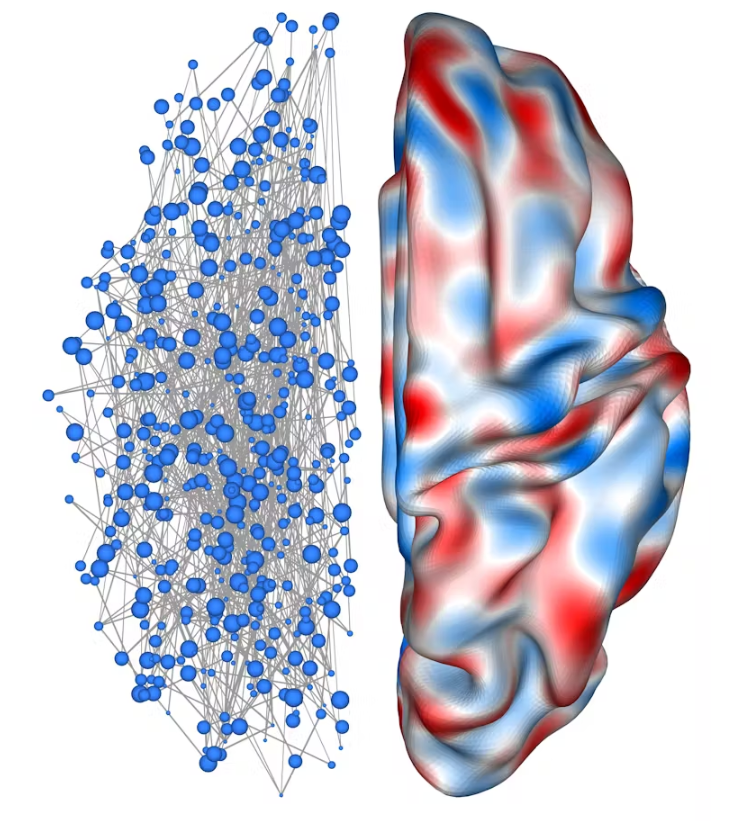
These findings are from a study in @biorxivpreprint which leveraged cross-species functional neuroimaging to examine whether variability in brain functional connectivity reflects distinct biological mechanisms. https://t.co/ztghlM3EKl 2/9
Brain Overgrowth Linked to Autism Symptom Severity
Researchers have found a link between brain overgrowth and the severity of social and communication symptoms in children with autism spectrum disorder (ASD).
The study, involving over 900 children, used MRI scans and brain organoids to show that children with more severe symptoms tend to have significantly larger brains.
This enlargement is associated with altered activity of the enzyme Ndel1, which plays a key role in neuron development and may affect brain size.
The findings suggest new possibilities for understanding the biological mechanisms underlying ASD and its varying symptom severity.
1/3
Groundbreaking research shows MS drug, ponesimod, could be a game-changer for treating Alzheimer’s. ✅ Reduces neuroinflammation ✅ Reprograms microglia cells ✅ Improves memory.
https://t.co/0seJITZn5N
#neuroscience
1/2
“Neural mechanisms underlying uninstructed orofacial movements during reward-based learning behaviors” by Takayuki Yamashita et al. Current Biology
https://t.co/MVxktqgZOY
2/2