Do animals care about fairness? Our new, preregistered meta-analysis - using data from 23 papers (thanks to all authors for sharing!) - finds no evidence for a sense of justice in nonhuman animals. Check out @oded_ritov's thread below
Do animals care about fairness? Our new meta-analysis suggests they don't: "Are Nonhuman Animals Inequity Averse? A Meta-Analysis", w\ @cvoelter, @nicholaraihani, and @JanEngelmann5, out now as a pre-print: https://t.co/oYUZW1fvgw 1/11
Are humans the only species that communicates when a collaborator is missing information?
@TownrowLuke and I show that our closest relatives, bonobos, can track when a partner is knowledgeable or ignorant, and tailor communication accordingly @PNASNews
https://t.co/OOJerxAOzi
Do animals get jealous like people? New @BerkeleyPsych research looks at years of studies into whether non-human animals have a similar sense of fairness. The answer is more nuanced than it may seem. https://t.co/eCsGaaGeOO
Very excited to have this published! No evidence for inequity aversion in nonhuman animals: a meta-analysis of accept/reject paradigms, w/ Christoph Völter, @nicholaraihani , & @JanEngelmann5 : https://t.co/CHLyRO4RwP
So pleased to finally see this paper in print. In what we think is one of the largest meta-analyses of animal behaviour, we find no evidence for inequity aversion in nonhumans (in accept/reject paradigms). Led by @oded_ritov & with @JanEngelmann5 & Christoph Völter. 👇
🚨Call for abstracts🚨 CO3 is in Albuquerque, New Mexico, USA, March 26-29th 2025, and features 5- and 10-min talks, posters, the Early Career Award talk, and a Master Lecture by Professor Suzanne MacDonald. Don't miss it! Deadline: December 13, 2024.
Dorsa is brilliant, kind, and fundamentally *curious* about the world and humanity.
I love the way she thinks, and her lab will undoubtably become an intellectual powerhouse!
📢 PhD position in human, ape, or dog cognition @JohnsHopkins - please RT!
We study how animals think, & what makes the human mind unique
Deadline: Dec 1
Learn more here: https://t.co/o0pQPas6Sn
And here: https://t.co/Qq73pcK933
And in QT'd thread
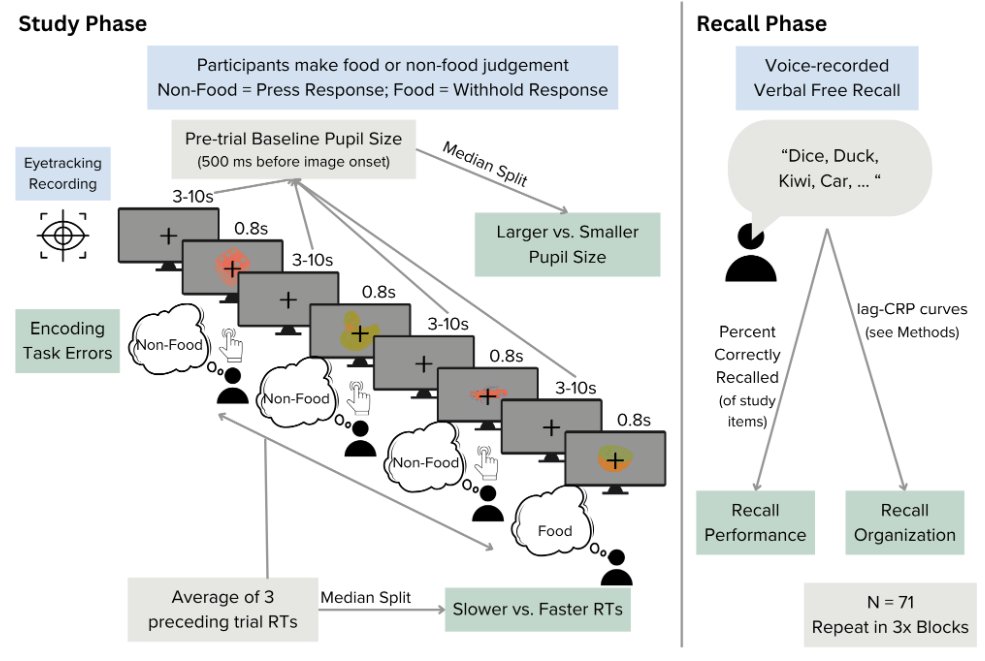
Our attention waxes and wanes over time. How does this influence the way our memories are organized?
Pupil size at encoding, an index of attention, predicts the temporal structure of subsequent memory
Super proud of @manasijkumar for this work! 👀
https://t.co/kfMaqm2vkY
We are looking for two PhD students interested in cumulative culture in great apes. By using observational, experimental and computational methods, we aim to test whether precursors of human culture are present in chimpanzees and bonobos.
https://t.co/33C16VwPNc
📢The DISC Lab is hiring a lab manager (flex start day)!
More research info here: https://t.co/uDBeexH2s6
Min salary = $44,550 w/ generous benefits: https://t.co/p2FgbtX8S8
Apply here by 6/17: https://t.co/pTJZz5prYr
👉🏾Please share widely!
Important read @ScienceMagazine
https://t.co/zpRCbhuJjP
‘The constraints imposed by fieldwork are often incompatible with high publication rates, journal impact factors, and citation count’
New paper alert! 🚨
Late to sharing this, but here's a short review of a decade of work with @GCsibra on how infants represent giving, and why it matters (for event cognition and the origins of the relational mind).
Thread below! 🧵👇
https://t.co/51e9hpTxZc
1/15
Proud of this review with @AlisonGopnik ! -
'The development of human causal learning and reasoning'
- now available here: https://t.co/Io7Kt1DL05 @NatRevPsych
We review the development of human-unique causal understanding from an 'interventionist' perspective, outlining
Great psychologist turned philosopher @marielgoddu and I wrote this review of the development of human causal learning, 20 years worth of comparative, developmental, philosophical and computational work. Empowerment included. Free to read at this link. https://t.co/RVCtUg0ItV
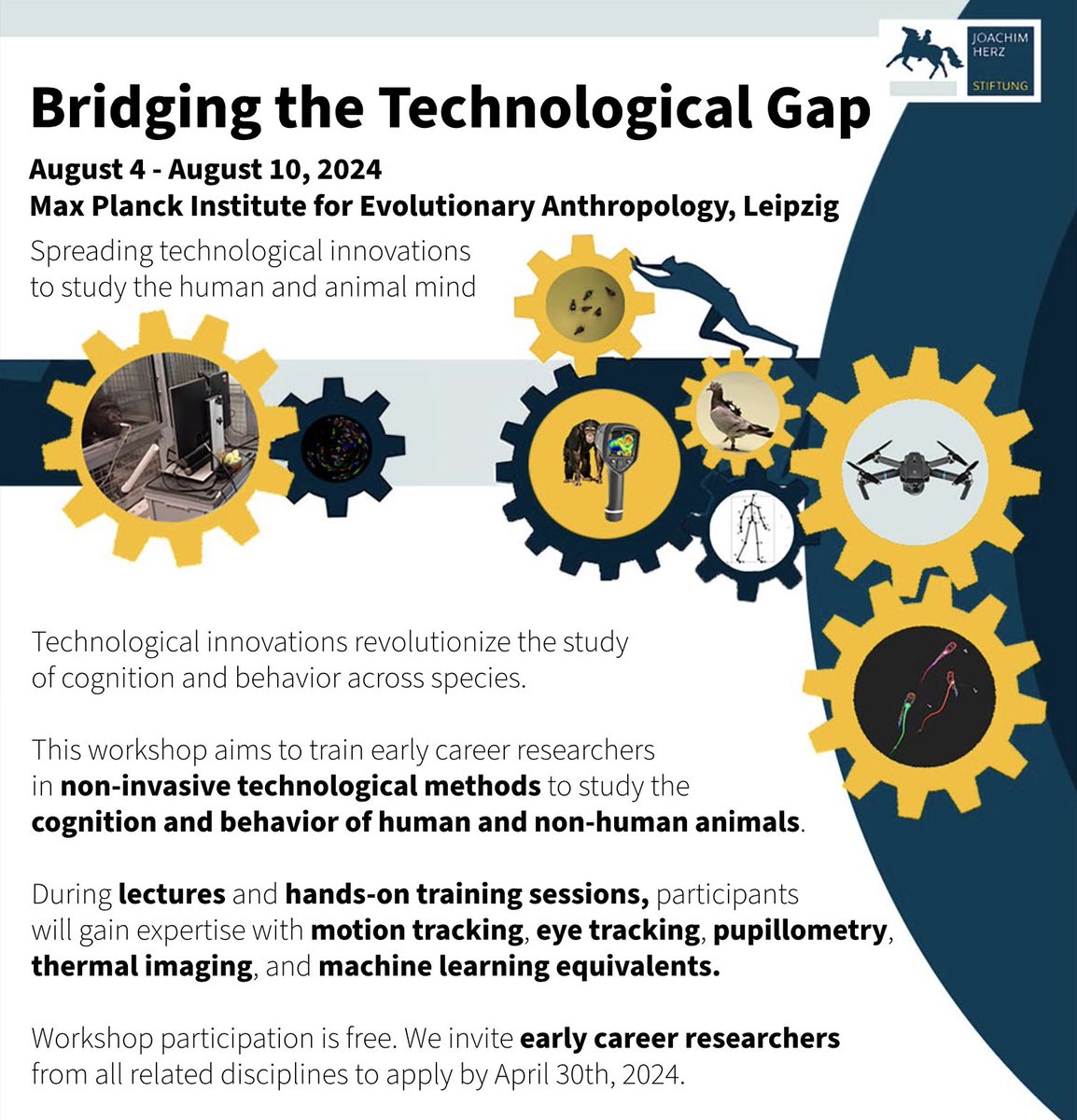
It is happening again!
Join our workshop
✨BRIDGING THE TECHNOLOGICAL GAP✨
to learn about technological innovations to study the human and animal mind.
Apply here: https:/www.eva.mpg.de/comparative-cultural-psychology/events/2024-btg2/