RPE biologist and physician scientist studying the pathogenesis of dry macular degeneration. Passionate about mentorship, science, patients, and family.
I'm grateful beyond words for the opportunity Mr. Grosfeld has provided to advance dry age-related macular degeneration (AMD) research at @UMKelloggEye. I look forward to directing this initiative and welcome new ideas for tackling this devastating disease. #maculardegeneration
NEW: An $11.5 million gift from Philanthropist James Grosfeld will fuel innovation in dry age-related macular degeneration research, the leading cause of irreversible blindness in people over 50.
https://t.co/nH38p3rIxH
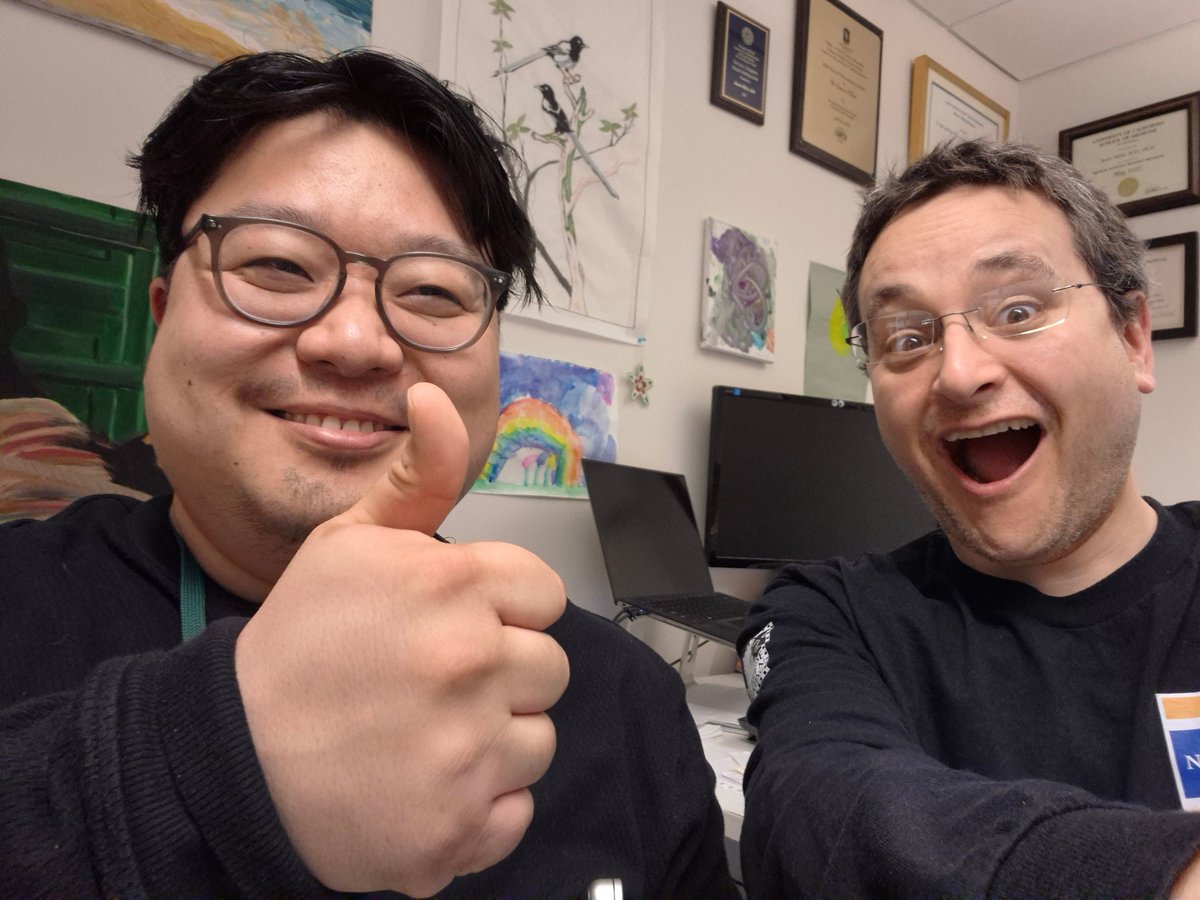
Postdoc extraordinaire John Han had a check-in meeting with me last week in which he dropped a huge pile of exciting data in my lap, including cool findings linking RPE metabolism to deposits. This pic doesn't do justice to my giddiness. Science=hard but cool findings=exhirating.
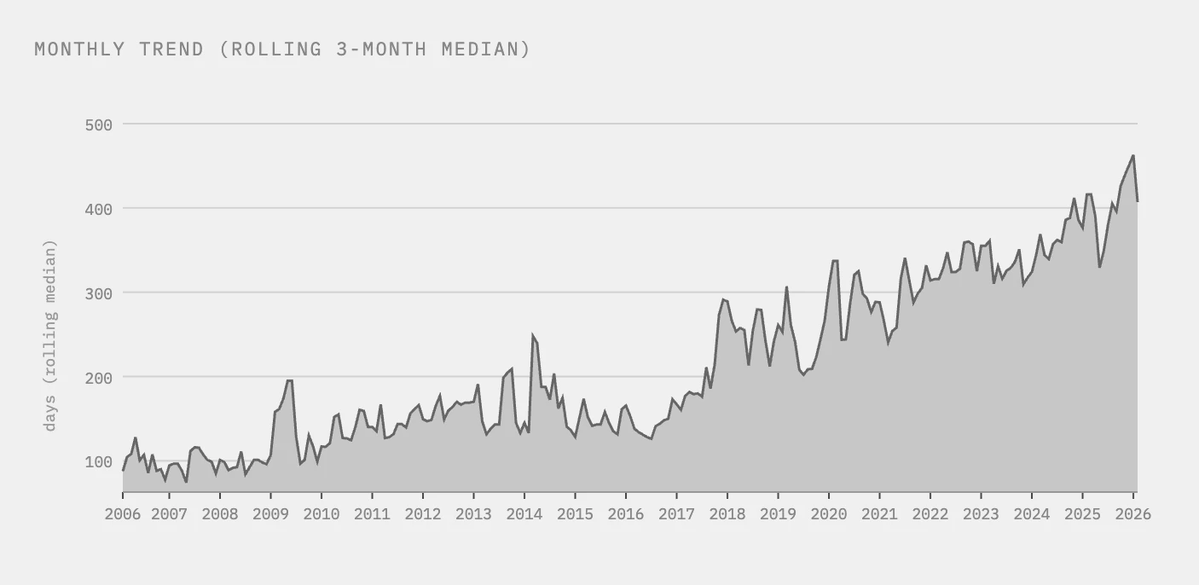
This absolutely shocking graph underscores how much high profile publishing is on an unsustainable path. This can't keep going on this trend if any researcher wants to survive without complete burnout and exhaustion.
When I sent our senior graduate student Kaitlyn a Jason-esque tome of ideas to consider for a paper she is writing via SLACK, here was her pithy response.
Science funding was insanely rough this year, and it was easy to fall into a trap of being demoralized. But the teamwork and can-do spirit of our lab really did lift me. Read about these awesome characters of the Miller lab: https://t.co/D0uavUzn1s
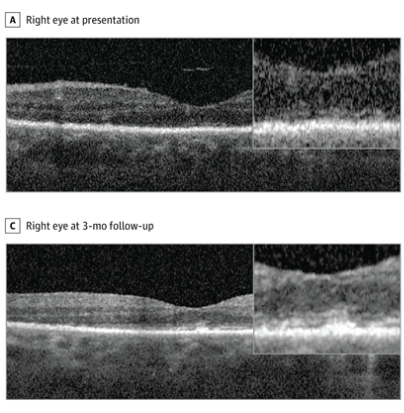
So we treated with plasma exchange to remove culprit antibodies, and ellipsoid zone recovered as did vision (to a degree) after 3 months of treatment - to 20/60 in each eye. 3/3 https://t.co/LHCmuYwjk1
A clinical🧵. Starting checkpoint inhibitor therapy for cancer can result in double-whammy, where cancer-associated retinopathy accelerates as the checkpoint inhibitor unleashes already primed immune response. In this case, hand motion vision in both eyes after a few weeks. 1/3
More ONL remained than you'd expect with hand motion vision, so we postulated some antibody-mediated photoreceptor dysfunction rather than photoreceptor death accounted for decreased vision, akin to the mechanism for autoimmune encephalitis. 2/3
I appear to have forgotten the memo to not wear salmon pants to Retina Society meeting this past month. With part of the @UMKelloggEye contingent plus alumni.
Overheard at #RD2025 meeting and @_BrightFocus sponsored #AMDMacularFastTrack as career advice by Rob Mullins: "Basic scientists, please talk to clinicians. Clinicians, please talk to basic scientists. Physician-scientists, you probably already talk to yourselves." FACT!
I learned a lot participating in the upcoming chapter in Ryan's Retina 8th edition about mitochondrial DNA mutations and retinal degeneration. Thanks to Deborah Ferrington and Peng Shang @DohenyEye and John Han, post-doc in our lab, for collaborative co-authorship.
Ryan's Retina is one of the most prominent retina textbooks for medical experts. The latest edition will have three chapters from Kellogg Eye Center faculty!
Thankful that graduate students are talking about the sheer feeling of doom and chaos that exists in American science right now. A large part of America's innovation can be traced to education and research from our universities and that is being wiped away.
@sfortma2@JExpMed Seth, especially appreciative of seeing the whole thread. I have to stop thinking of RPE by itself! Is lipid accumulation known to happen in choroid itself (not just Bruch's)? CONGRATS on this monumental project @sfortma2 !
A piece of great news. We will look for small molecule inducers of RPE autophagy that do not directly inhibit mTOR as a therapeutic for dry AMD (mTOR inhibition is not great for RPE health). And then study better ways to get inducers to the RPE in vivo.
🎉 Exciting News from Kellogg Eye Center! 🎉 Congratulations to Tom Wubben & Jason Miller for being selected as the 2025 recipients of the Edward N & Della L Thome Memorial Foundation Awards in AMD! 🏆✨ Their work is a testament to excellence in AMD research. 🥳👏
At the Ryan Initiative for Macular Research (RIMR - https://t.co/MO8NVQXOPe), we discussed whether AMD is one or multiple diseases. TLDR: There are key subtypes, but they blend into each other and we need more sophisticated analysis to better distinguish. https://t.co/pWzyBJmeI3
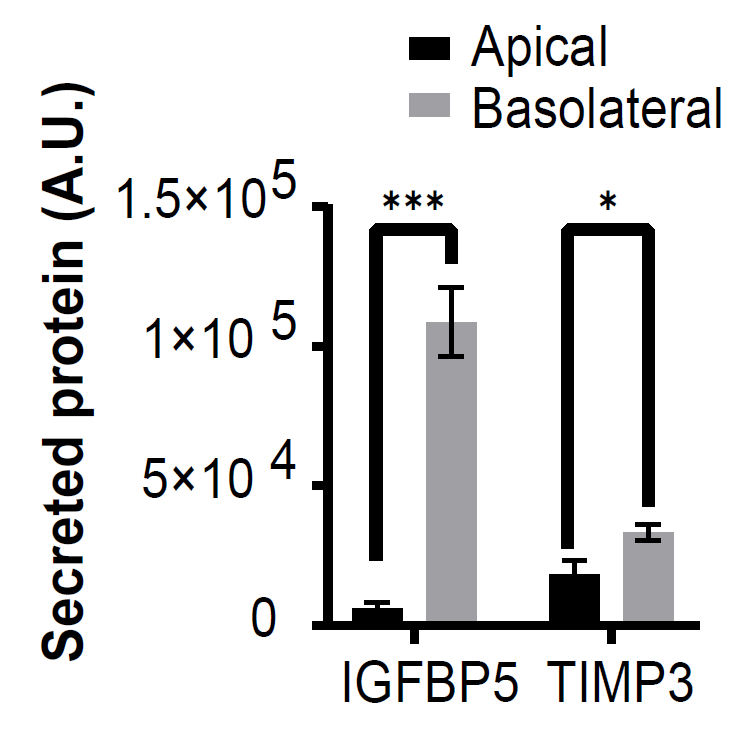
We sought a better marker of basal polarized secretion in the RPE, compared to VEGF (low abundance) and TIMP3 (multiple bands on WB). With some bioinformatics on existing datasets, we found IGFBP5! Highly expressed, highly polarized to basal side. https://t.co/4NZQKaRCVZ
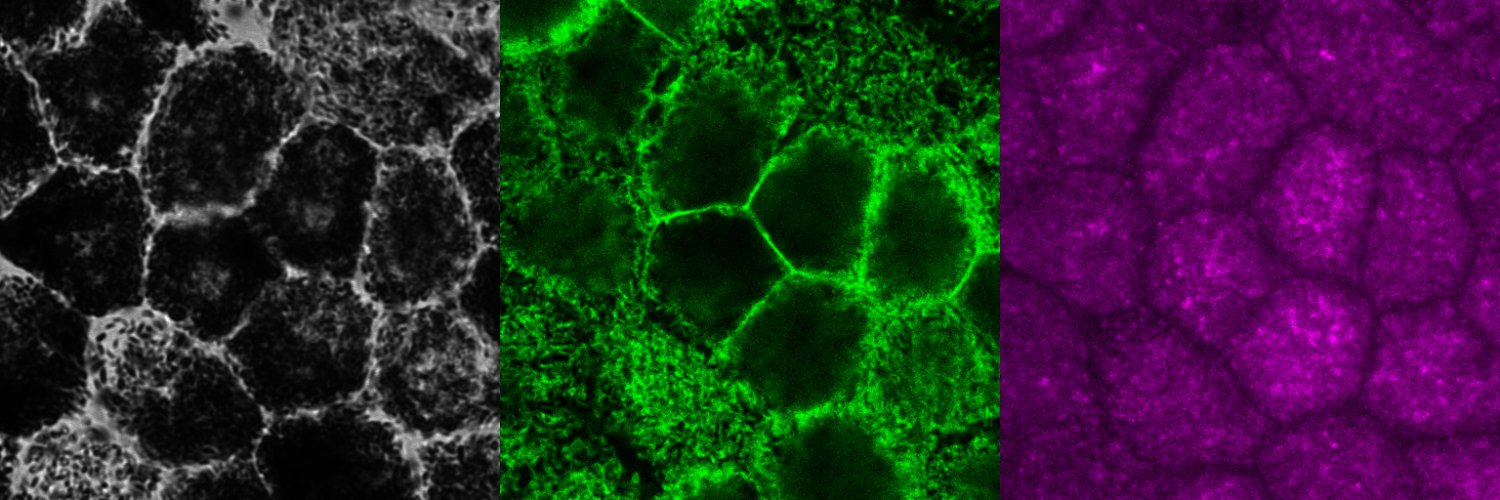
Thanks to @RPB_org [https://t.co/O7rUFabouS] for a career development award to study the cross-talk between mitochondria and peroxisomes in handling lipids in the RPE, and ways to harness peroxisomal capacity as a therapeutic for AMD.









![JasonMLMiller's tweet photo. Thanks to @RPB_org [https://t.co/O7rUFabouS] for a career development award to study the cross-talk between mitochondria and peroxisomes in handling lipids in the RPE, and ways to harness peroxisomal capacity as a therapeutic for AMD. https://t.co/RedpVtwj96](https://pbs.twimg.com/media/GeEJXTcawAAk8Pt.jpg)


