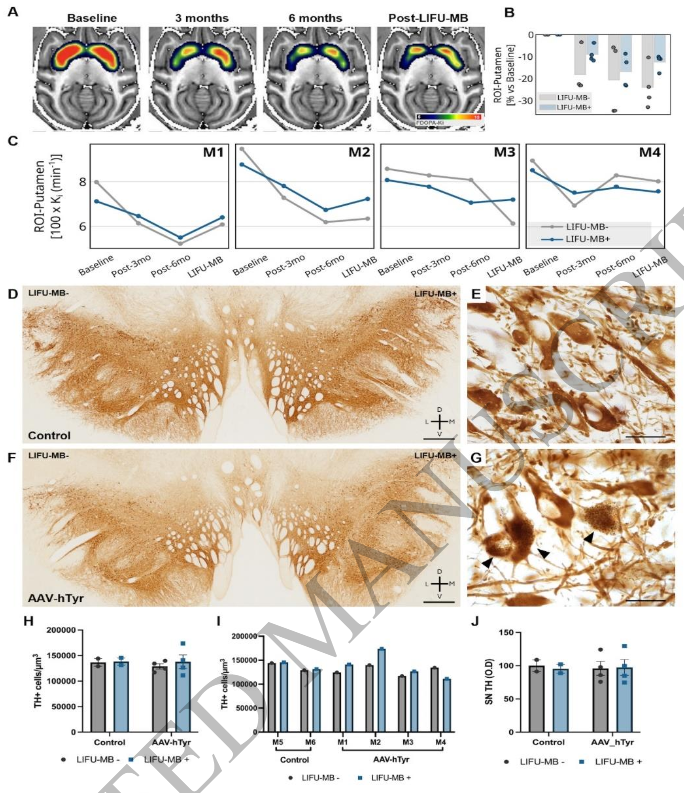
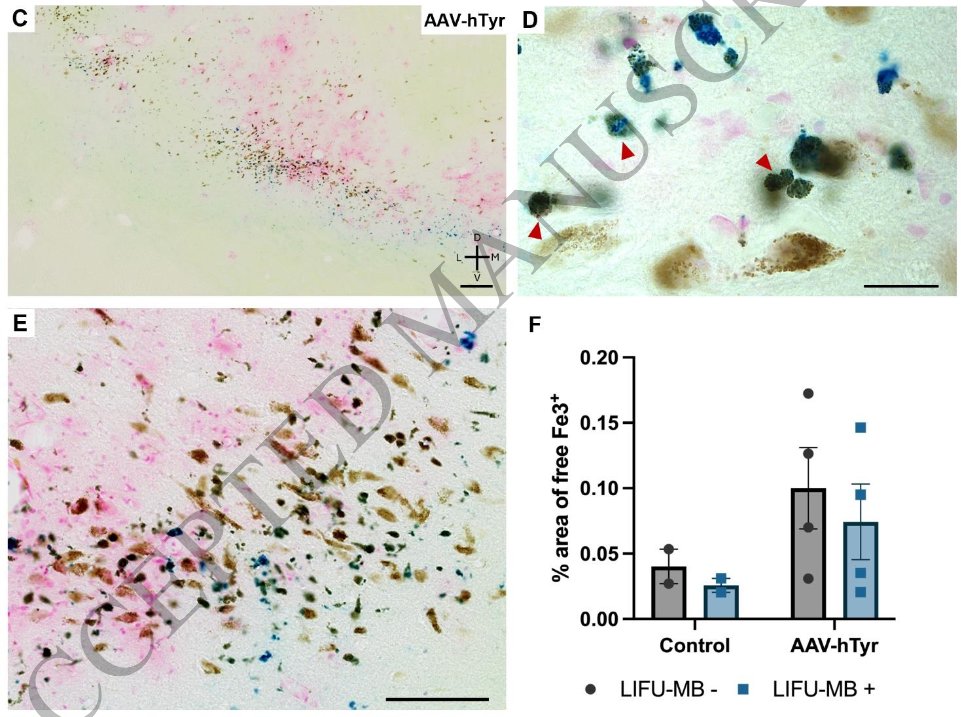
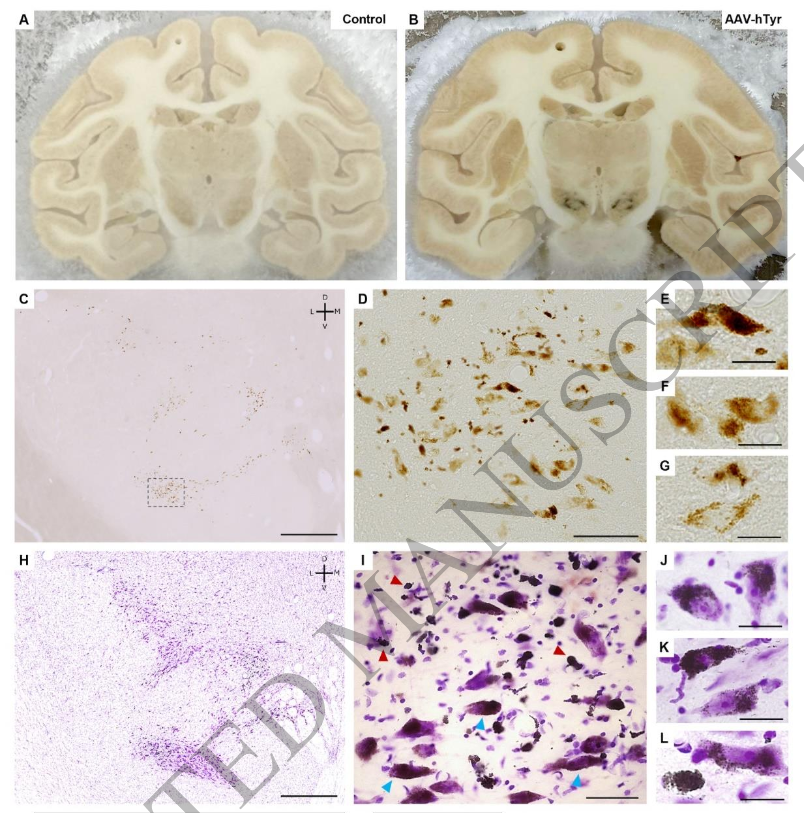
Researchers report early, non-invasive "Low-intensity focused ultrasound combined with microbubbles" intervention can counteract mechanisms linked to excessive neuromelanin accumulation in a non-human primate model that overexpresses human tyrosinase
https://t.co/6kuB5myANS
Esteban-García et al. show that using focused ultrasound combined with microbubbles to temporarily open the BBB over the substantia nigra reduces neuromelanin accumulation and associated pathological changes in a primate model of Parkinson’s disease. https://t.co/YKkPNlP59v
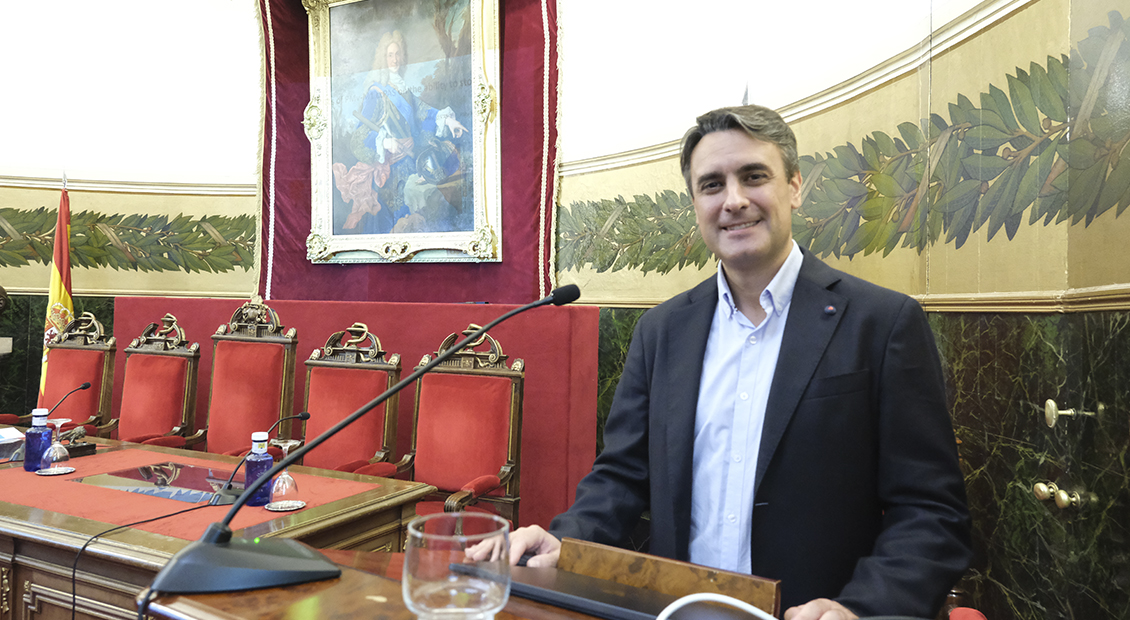
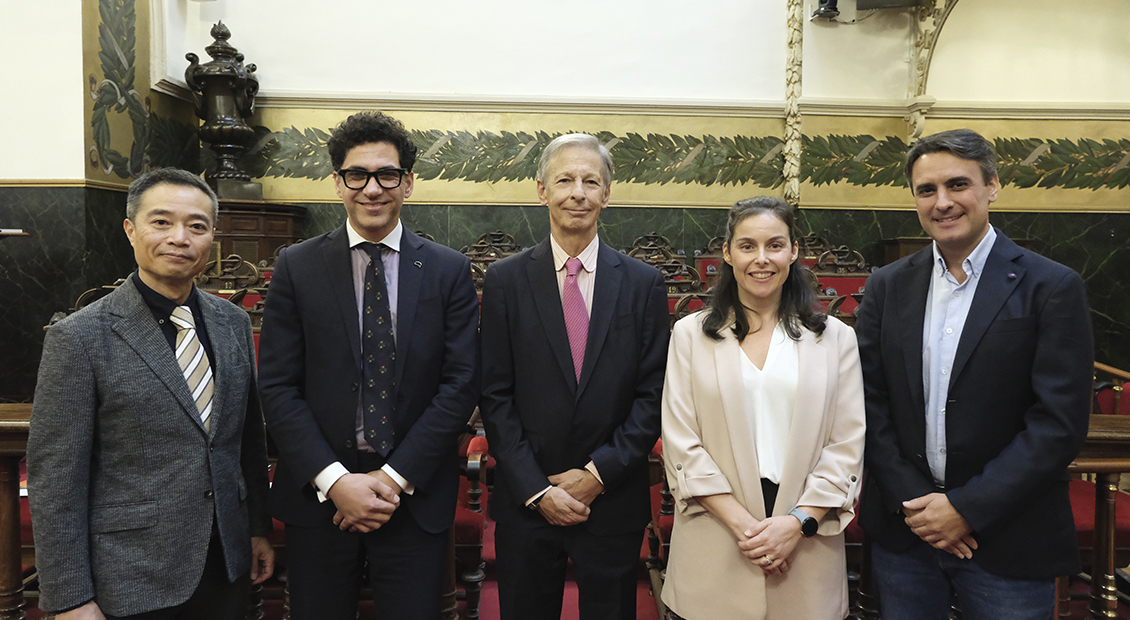
"Analizar las neuronas dopaminérgicas en subtipos tendrá un gran impacto en la comprensión de enfermedades neurológicas y en el desarrollo de nuevas terapias", afirmó el Prof. Javier Blesa, investigador del HM CINAC en el simposio Boston Scientific de la Semana Cajal de la RANME.
No te pierdas nuestra Semana Cajal del 14 al 17 de octubre: conferencias magistrales de ponentes nacionales e internacionales y actividades divulgativas en torno a la figura del Dr. Santiago Ramón y Cajal, nuestro primer Premio Nobel español: https://t.co/LU2fUlKN8X
In @eLife: Molecular and spatial transcriptomic classification of midbrain dopamine neurons and their alterations in a LRRK2G2019S model of Parkinson’s disease https://t.co/8YUEYLfrlD
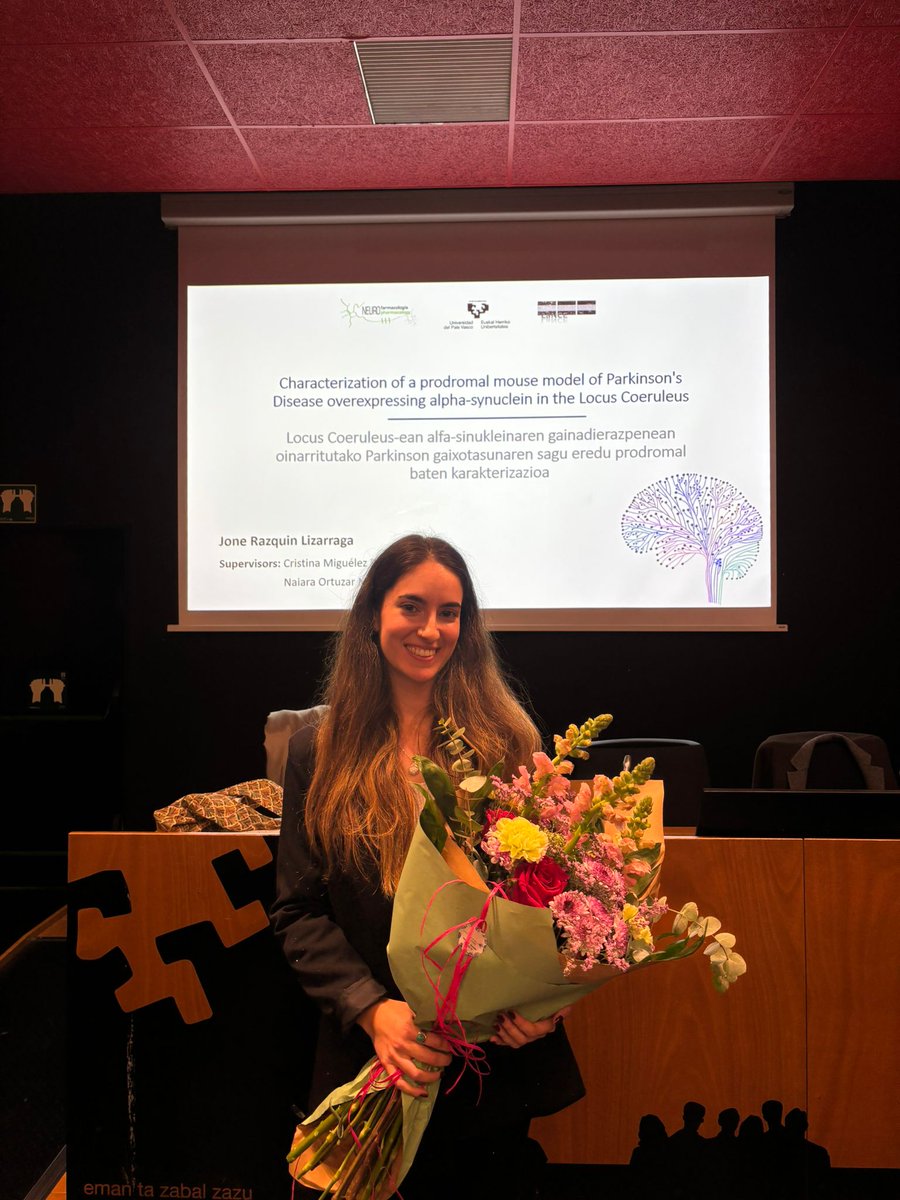
January 23rd, the day @jone_razquin officially became a doctor! 👩🎓✨Zorionak, Jone, your hard work over the years was shown in a brilliant defense. Wishing you all the best in your next chapter. The Locus team will cheer you on every step of the way 💪.
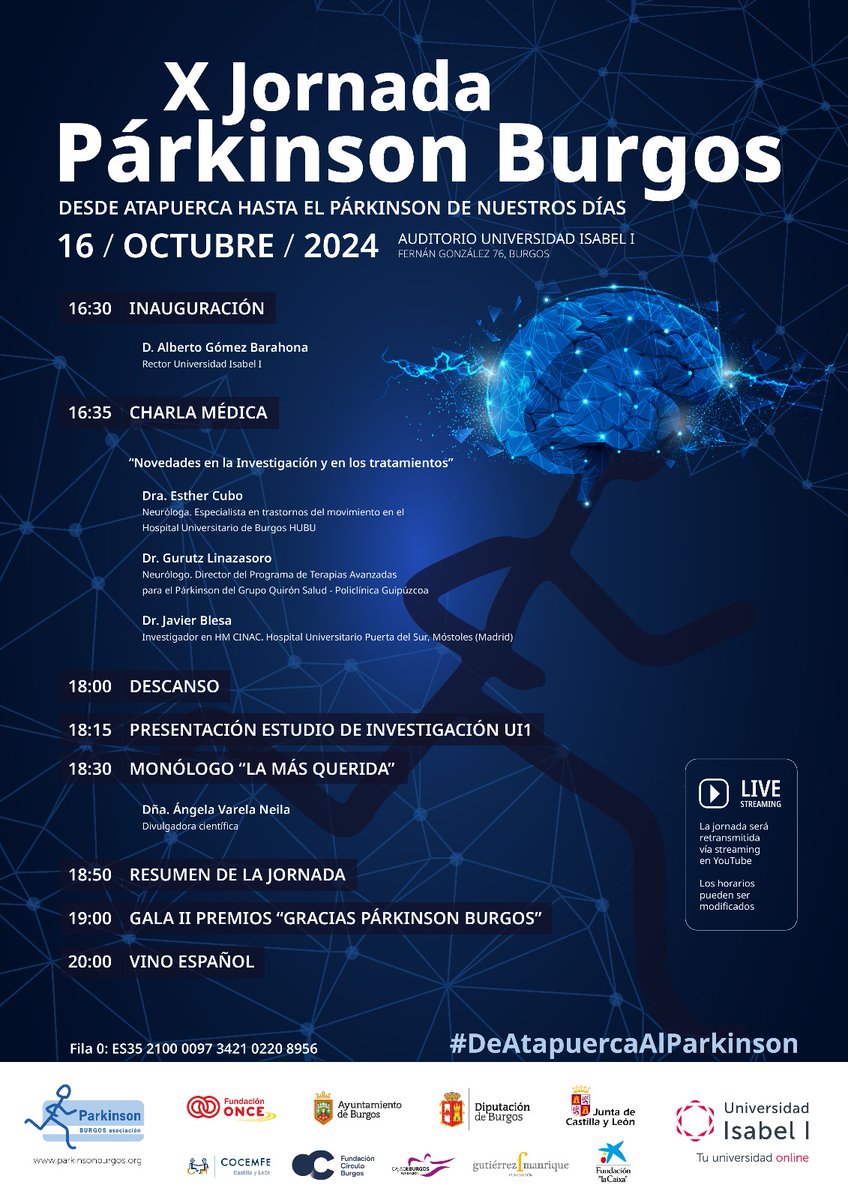
No te pierdas la X Jornada #PárkinsonBurgos en colaboración con @ui1Universidad. 🗓️Este miércoles 16 de octubre a partir de las 16:30 en el Auditorio de la Universidad Isabel I. Charlas, presentaciones y la II Entrega de Premios "Gracias Párkinson Burgos", ¡te esperamos!
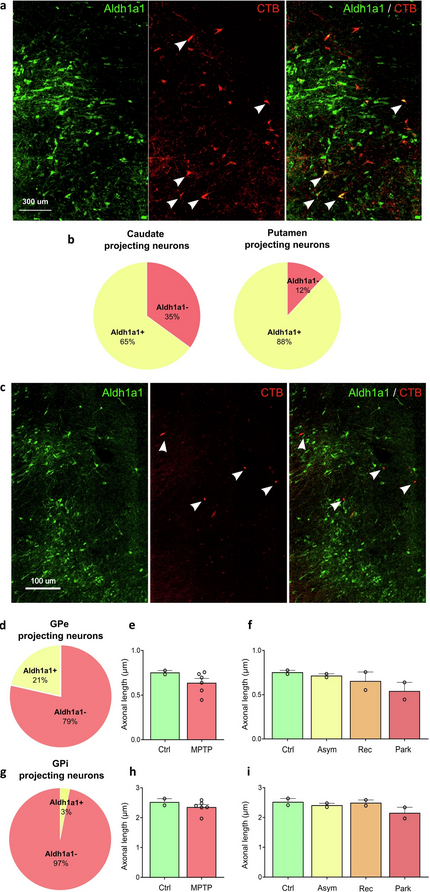
Calbindin & Girk2/Aldh1a1 (nigrosome) define resilient vs vulnerable dopaminergic neurons in a primate #Parkinsons (MPTP) model
https://t.co/36PqcbNiVN
New study finds MR-guided focused ultrasound blood brain barrier opening of the nigrostriatal system is a feasible & well-tolerated approach in 3 patients with #Parkinsons; Pilot data could "facilitate delivery of putative neurorestorative molecules"
https://t.co/hJMaws671p
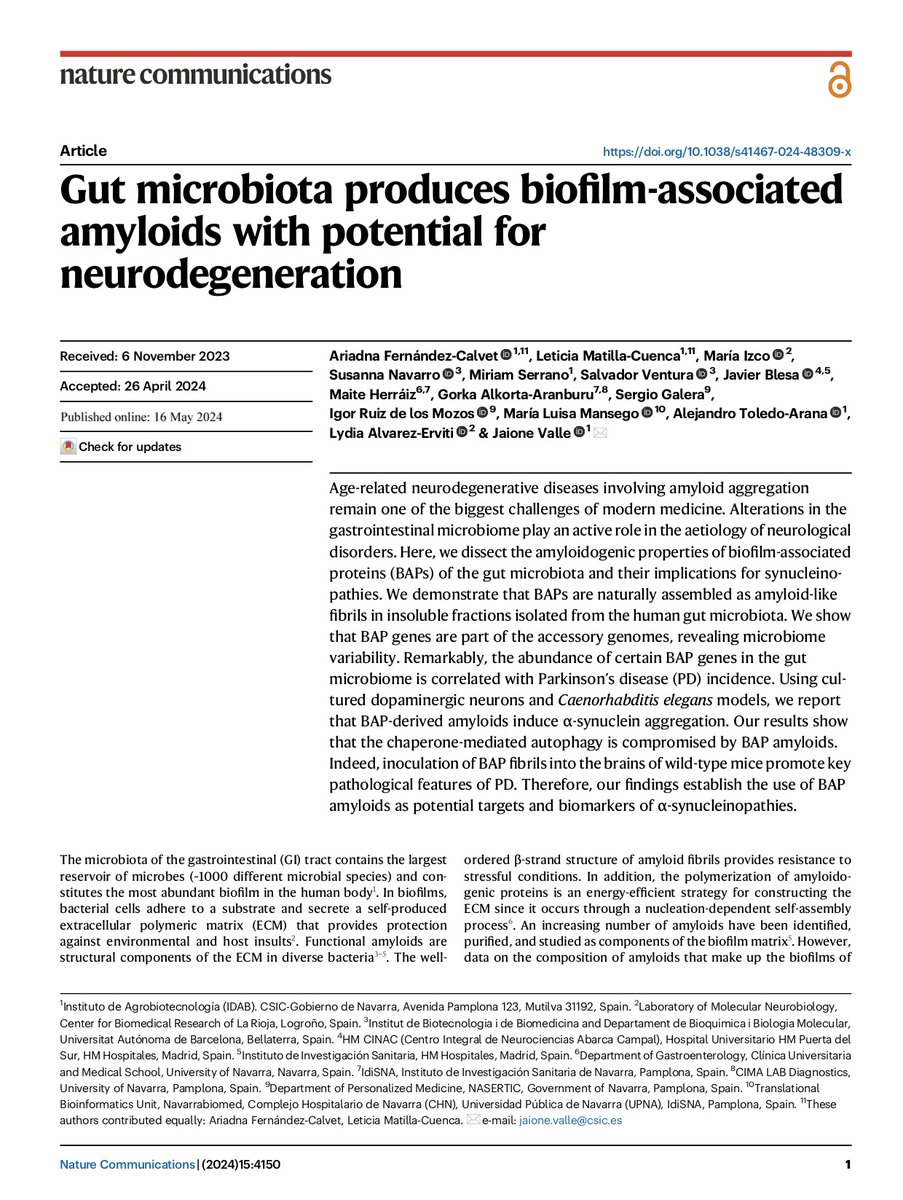
🎉 Excited to share our latest paper in
@NatureComms We show that biofilm-associated proteins from intestinal microbiota form amyloid structures that exacerbate alpha-synuclein pathologies
https://t.co/RyN2NfQ8gJ
A white paper summarizing the recent focused ultrasound for gene and cell therapy workshop hosted by the Foundation is now available. The workshop brought together leading experts to explore the transformative potential of focused ultrasound in treating neurodegenerative diseases.
The comprehensive white paper reviews the workshop’s presentations, discussions, and action items and can be accessed here: https://t.co/8Q7sgy6xeb
Advances in Parkinson's Disease: 200 Years Later (2018) by Natalia López-González Del Rey, Ana Quiroga-Varela, Elisa Garbayo, Iria Carballo-Carbajal, Rubén Fernández-Santiago, Mariana Monje @msmonje, Inés Trigo-Damas, Maria Blanco-Prieto, @JavierBlesa
https://t.co/M2deo4frDp
Focused ultrasound + gene therapy for Parkinson’s disease is the topic of the Foundation’s sixth “most clicked” news story of 2023
# 6: A preclinical study in Madrid, Spain, used focused ultrasound plus #microbubbles to deliver gene therapy across the blood-brain barrier (BBB). Gene therapy has incredible potential to prevent, stop, or treat #Parkinsons disease.
Read the article: https://t.co/hCjnkA40y4
The blood-brain barrier enables your brain to function reliably, but for decades it’s also been a nuisance for drug developers. @yasemin_sap reports: https://t.co/OsWr2GSaAd