"Whacha readin'"
"The Book of the Dead"
"Egyptian or Tibetan?"
"Huh... it doesn't say..."
"...you're not reading the Necronomicon by the mad Arab Abdul Alhazred are you?"
"N-no..."
"You sure?"
"...no...."
@S_N_SES@TrillaGz What's up with the idea that it's impossible for Arabs to exist outside of Arabia prior to Islam
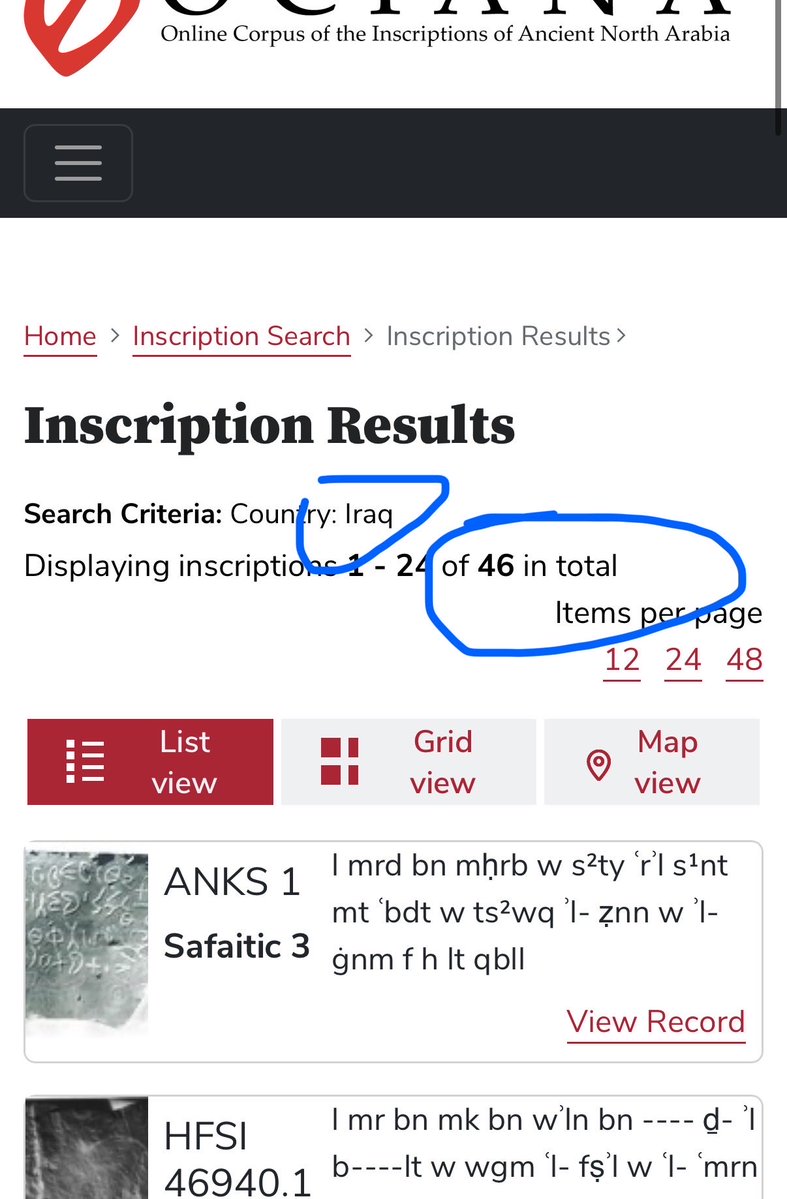
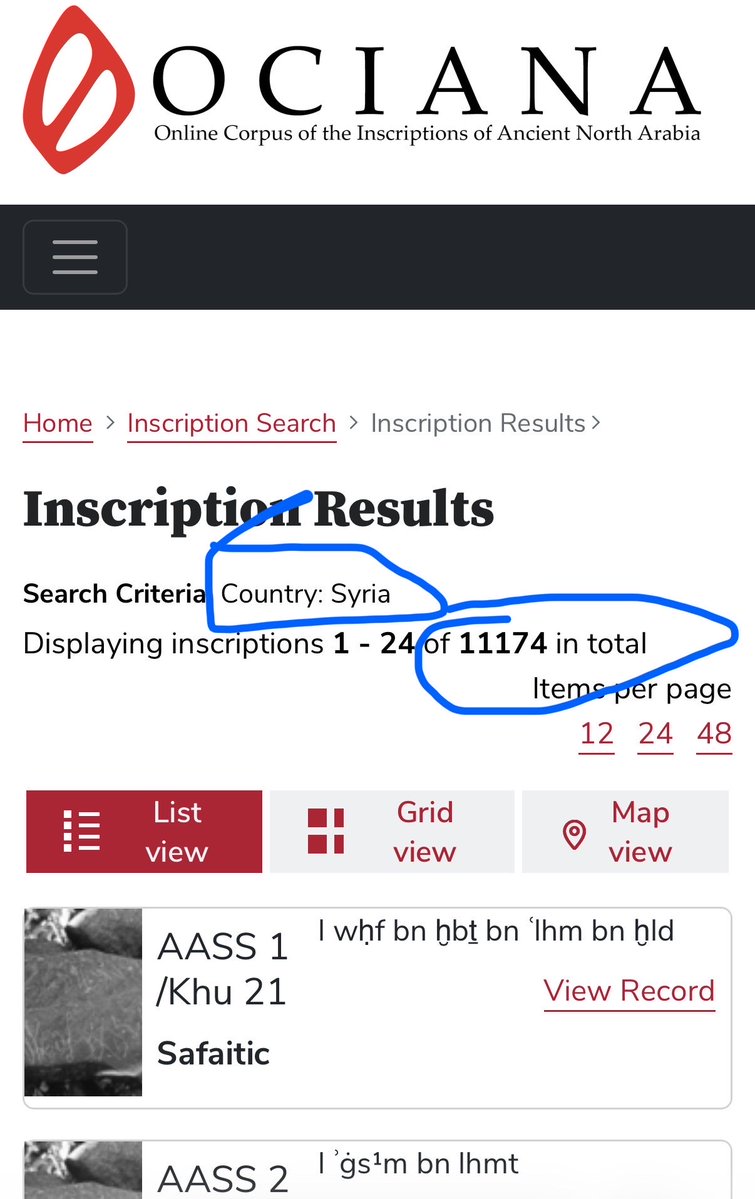
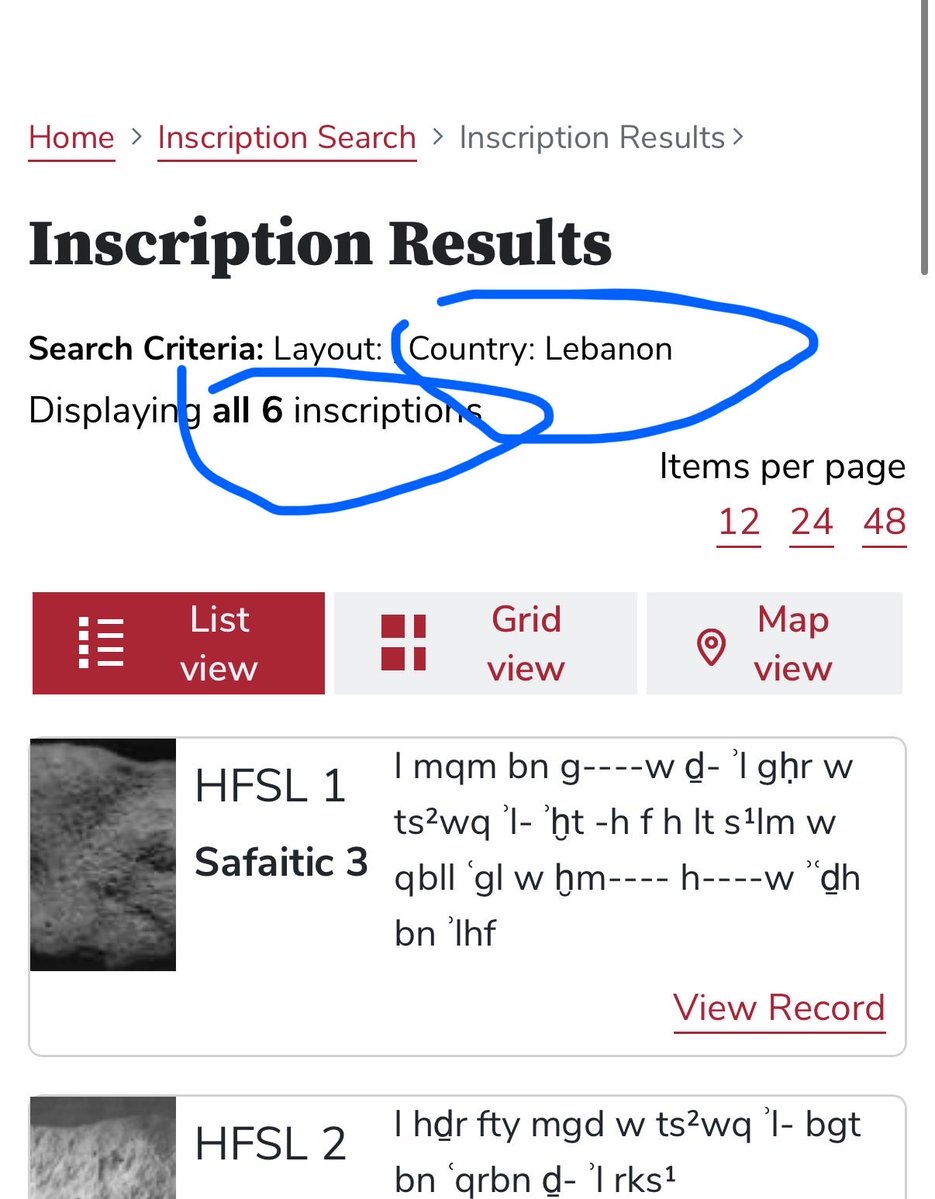
Just read the OCIANA corpus dude
You'll find thousands of inscriptions outside of Arabia during the Pre Islamic Period
@TrillaGz@BinhamidAli@willsextonx Not that I disagree but I'd like to correct you here, Arabic scripts emerged several times
Ancient South Arabian and Ancient North Arabian scripts do not descend from Phoenician though nor do they descend from Nabataean, Only the Modern Arabic script descends from Nabataean
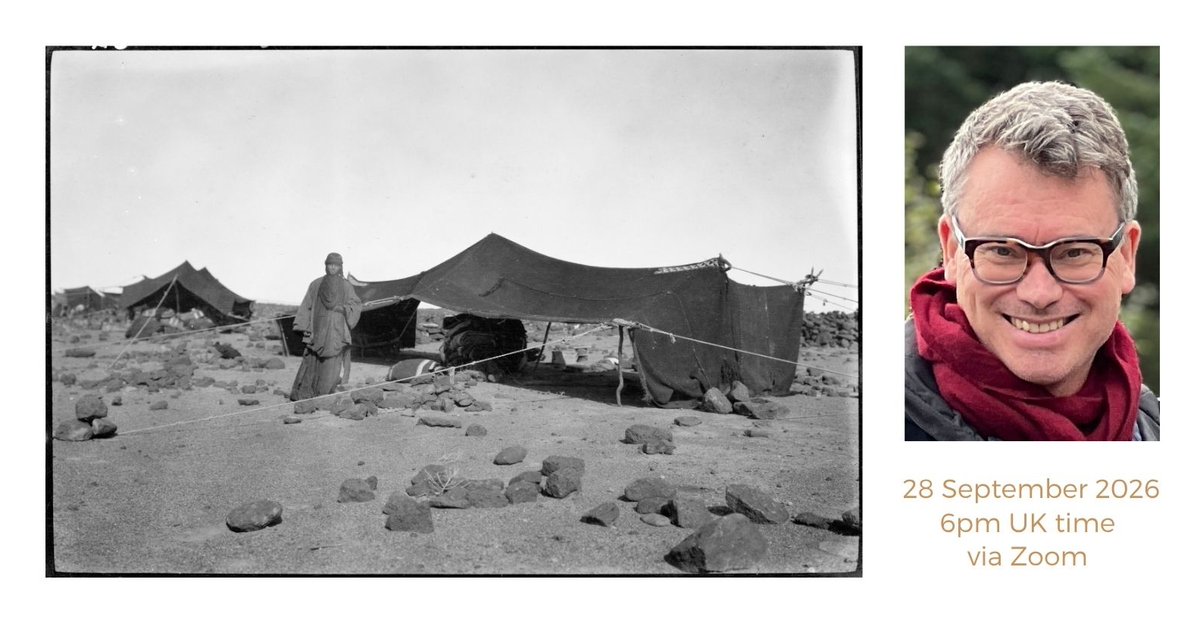
New IASA Lecture on our YouTube channel!
"I am beginning to wonder what profit I shall get out of it all" Exploring Gertrude Bell's Journey to Arabia & Its Significance by Professor Mark Jackson
https://t.co/TWgokfzwmF
New post on our website!
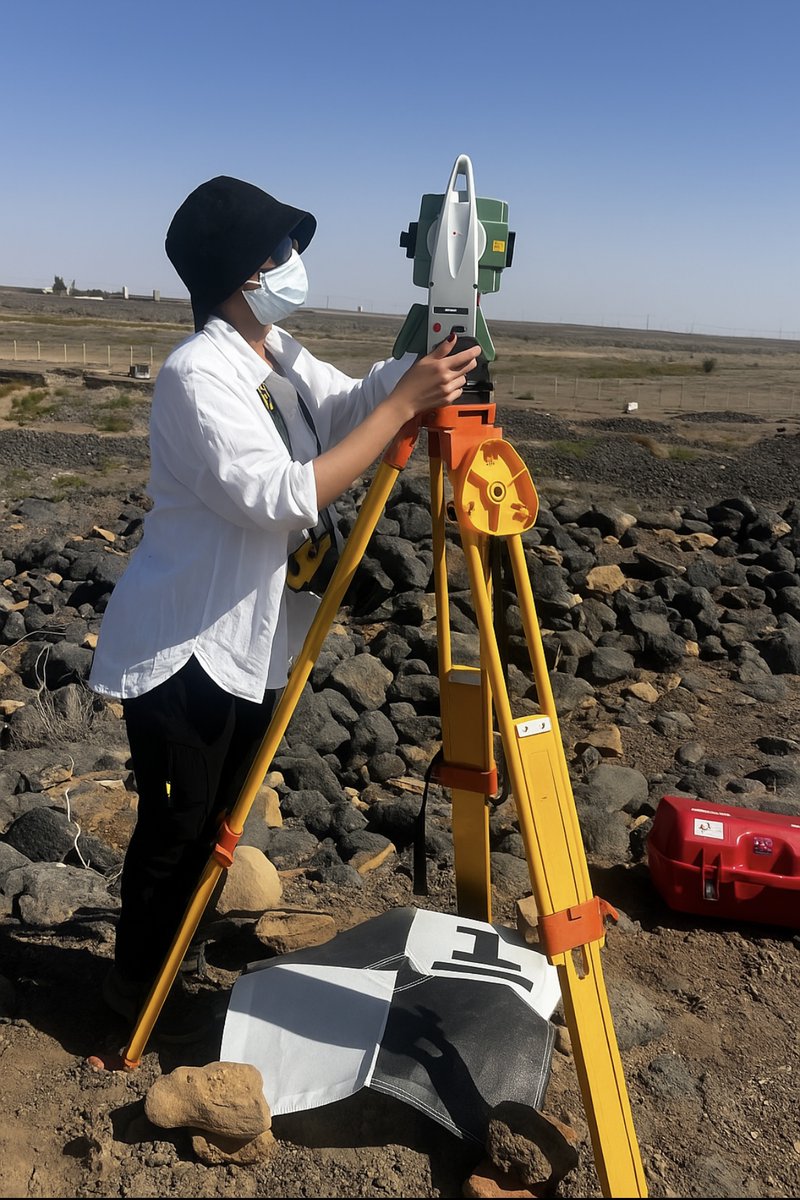
Ahlam Alshammari's full report on Fieldwork on the Development of Defensive Forts in Central Arabia, undertaken with the support of an IASA Grant
https://t.co/Vl3D1z0B9o
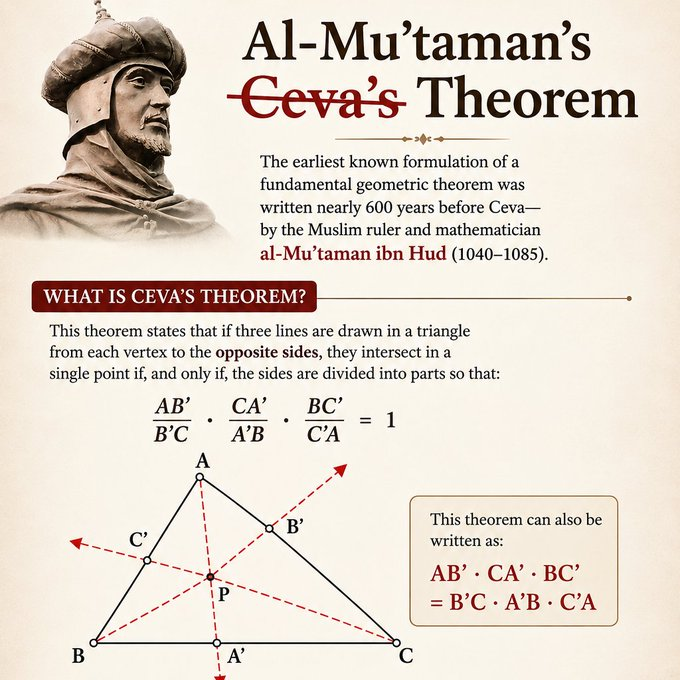
One of geometry's most famous theorems is known today as Ceva's Theorem, after its publication in Europe in 1678. Yet the earliest known formulation appears nearly 600 years earlier in the work of the Muslim ruler and mathematician al-Mu'taman ibn Hud.
Al-Mu'taman Billah (d. 1085) was a mathematician, geometer, and the king of the Taifa of Zaragoza in Andalus (Spain).
At a time when the taifa kingdoms of al-Andalus faced mounting pressure from the Christian north, al-Mu'taman devoted himself to one of the most ambitious mathematical projects of the medieval world: the Kitāb al-Istikmāl ("Book of Perfection"). It aimed to bring together and further develop the geometric work of Euclid, Archimedes, Apollonius, Menelaus, and Muslim mathematicians.
For generations, students have learned about Ceva's Theorem, named after the Italian mathematician Giovanni Ceva, who published it in 1678.
It states that "if three lines are drawn from the vertices of a triangle to the opposite sides, those three lines meet at a single point if and only if a specific relationship between the divided side lengths holds."
Yet modern historians of mathematics have shown that the theorem's earliest known formulation appears nearly six centuries earlier in the work of al-Mu'taman.
Ceva's name became attached to the theorem because his work circulated throughout Europe, while al-Mu'taman's manuscript was largely lost and remained unknown to later generations for centuries.
Thank you to everyone who has sent in submissions to the next IASA Bulletin. Due to unforeseen circumstances we are extending the deadline from 2nd to 9th October, so it's not late to spread the word to friends and colleagues if you have not already done so. 😁
Details below.
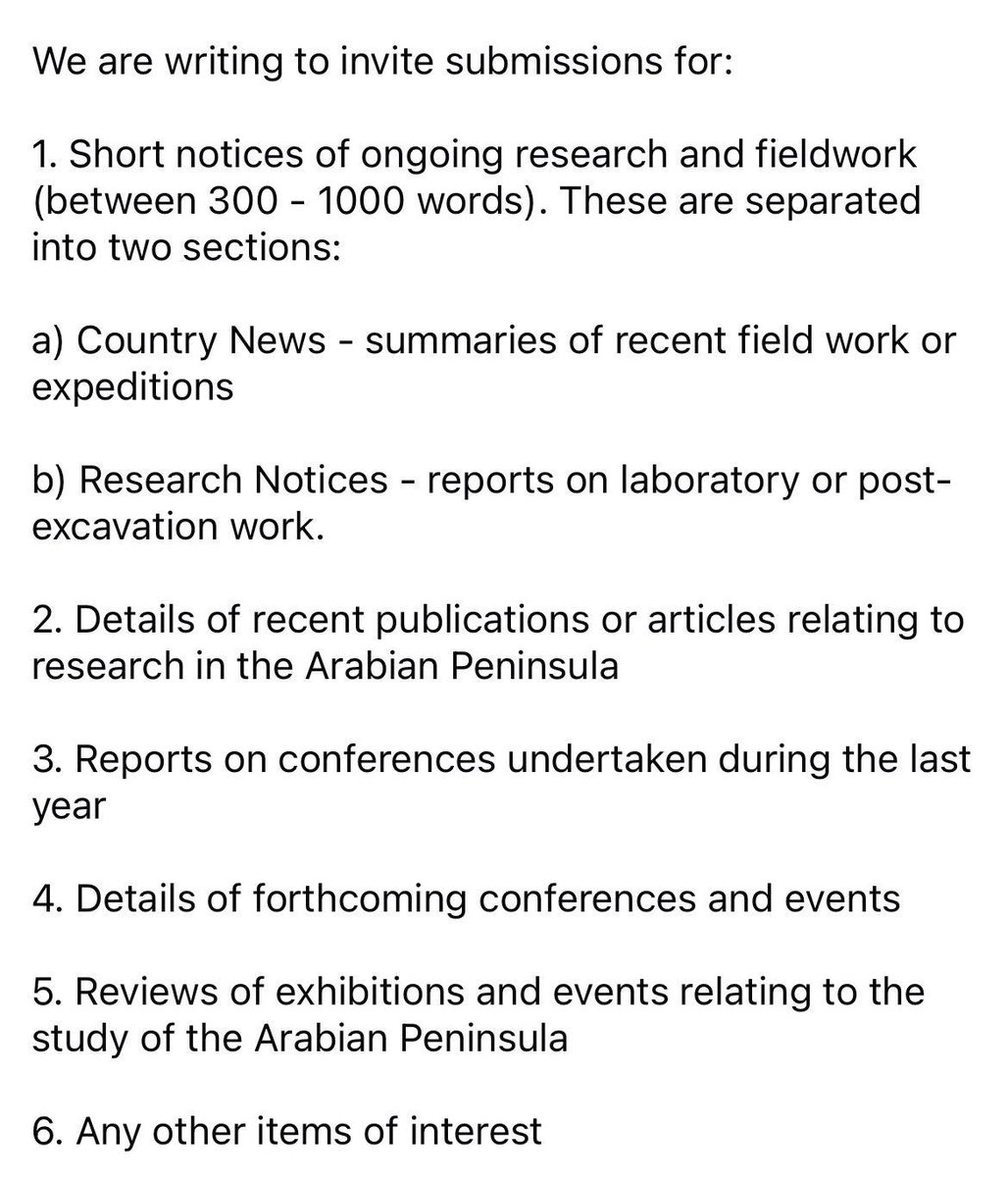
Call for contributions for the next IASA Bulletin (Autumn 2026).
The IASA Bulletin compiles notices on research, publications, fieldwork, museum updates, societies, conferences and events in the Arabian Peninsula as well as feature articles and book reviews.
@AkhilKumarSaho8@DrHughT The Entire Arabian peninsula was a small tribe and not a region? Or do you just mean Arabs, if the latter then I should get @arabic_bad to drop a Safaitic inscription on your foot
Today, NASA announced PRIMA, a new space telescope that will explore long-standing mysteries around the formation of planets, stars, black holes, and even how water on Earth came to be. https://t.co/am7EPkNYof