@megankatenelson As an author of a nonfiction book eg history, taught in college classes, does it affect your writing knowing that most of your readers are going to be scanning/skimming through what you work so hard to write?
To my progressive and liberal friends: This piece is not for you. I know you'll have some disagreements with it. I'll bet, though, that you know someone who is more conservative than you. This is to give them a reason to vote FOR Joe Biden.
I’m so glad this is available to watch: Nikole Hannah-Jones in conversation with Henry Louis Gates, Jr.: "The New York Times’ 1619 Project" | The Hutchins Center for African & African American Research https://t.co/woaDB3VbCP
@lizcovart @bostonathenaeum If you can’t make that night, he’ll be speaking the night before at the JFK library and it will be webcast and taped: https://t.co/28QahD7BQX
@drhardesty @lizcovart Jacqueline Carr's After the Siege: A Social History of Boston 1775-1800, https://t.co/unAxSftwcl, has a first chapter on life during the Siege using private letter exchanges.
We're looking forward to your TWO visits to Boston this fall!
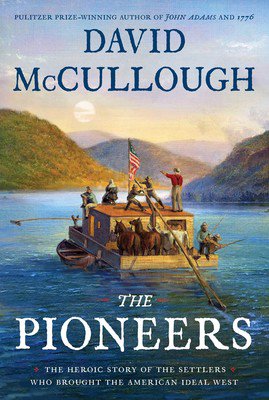
Interesting read about pressures on public history by community and national self-image as told through comments on McCullough’s new book. Is poor history the means for saving the teaching of history?
1. I'd like to add my thoughts to the conversation about David McCullough's problematic new book "The Pioneers." McCullough's book is centered on the town of Marietta, OH, and for 4 years I lived and worked in Marietta as a professor of early American history at Marietta College.