Cold water doesn’t narrow your blood vessels or make food harder to digest. It’s an easy way to cool down and hydrate when you’re hot. More on water: https://t.co/92W3IDViUl
What do raspberries, peas, lentils, and black beans have in common? They’re all high in fiber, which is great for your lungs. Research suggests people who eat more fiber have lungs that work better than those who don’t eat much fiber. Other fiber-rich foods include whole-wheat spaghetti, baked beans, chia seeds, quinoa, pears, and broccoli. https://t.co/6cUuP3MFnq
Milk is frequently recommended as a great way to help prevent osteoporosis. Drinking milk daily has also been shown to reduce the progression of osteoarthritis, or inflammation of the joints, in the knees of women. https://t.co/zOTdh59lfm
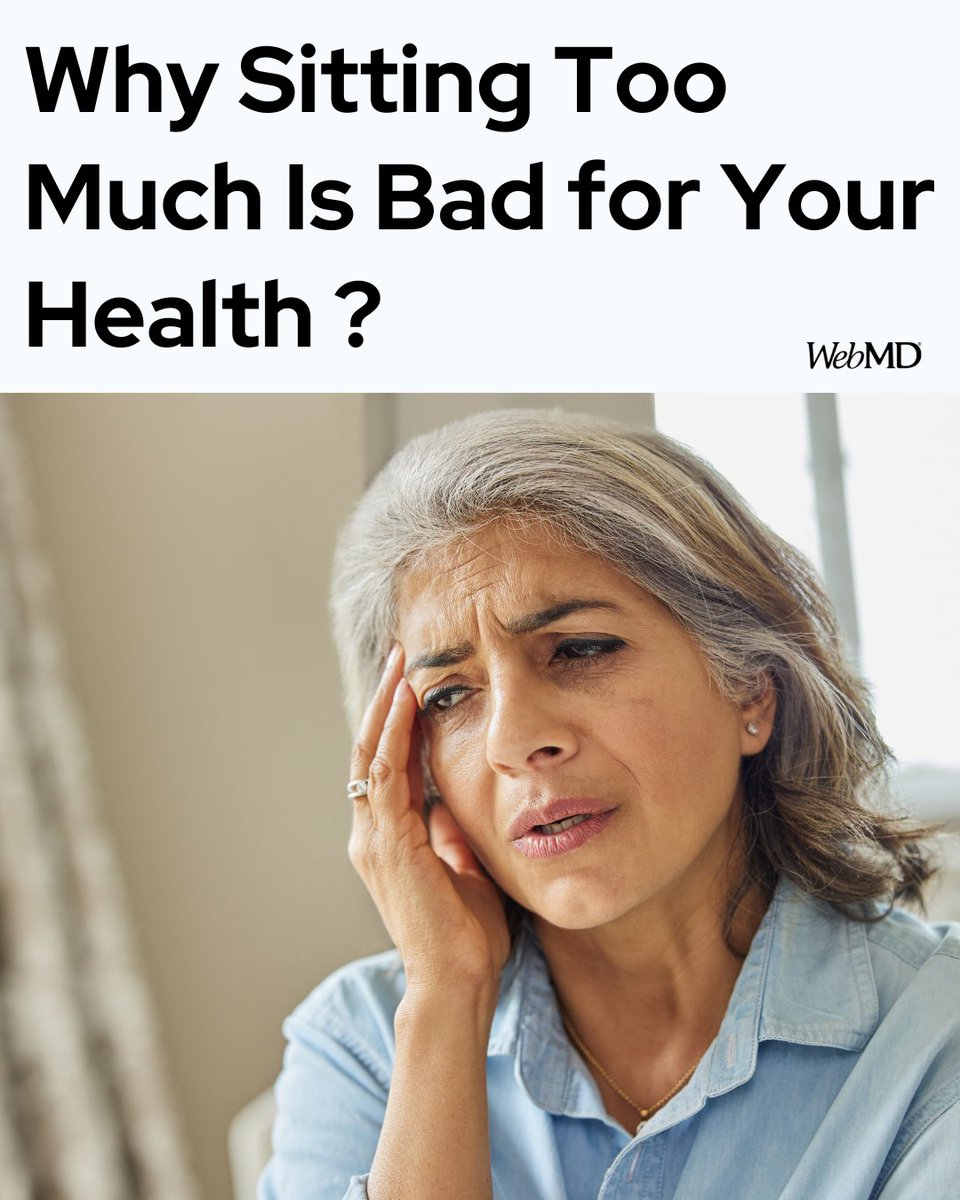
If you sit too much, your brain could look just like that of someone with dementia. Sitting also raises your risk of heart disease, diabetes, stroke, high blood pressure, and high cholesterol, which all play a role in the condition. Moving throughout the day can help even more than exercise to lower your risk of all these health problems. https://t.co/MHKKfCMzux
It’s early yet, but some research shows a healthy diet and regular exercise can slow the progress of prostate cancer. More studies are under way. In the meantime, cut back on sugar. Eat leaner meats and lots of colorful fruits and veggies. Stay away from fatty dairy products. When you hit the gym, do both cardio and weights. https://t.co/Mrg6Bty2Ld
There are a number of #anxiety disorders, and each one has unique symptoms, but there’s one symptom they all have in common: consistent fear or worry about things that may happen now or in the future. Find out more here: https://t.co/Qfdxa8OG8h
Your body is made up mostly of water. Find out what your body does when you don’t have enough and how to tell if you’re dehydrated. https://t.co/opXRKvGVfB
Too much sitting and too little exercise, among other things, might irritate and inflame the sciatic nerve, the largest in the human body. It runs from the bottom of your spine through your hips and down the back of your leg, which is where you’ll feel the pain when it’s pinched. It will radiate from the hip and might be mild, sharp, tingly, numb, or even like an electric shock. https://t.co/uUyH1wOl4Y
Did you know?
Knee to Chest exercise can help you strengthen and improve flexibility in your muscles to support your lower back. Doing this back-strengthening exercise daily will ease lower back pain and prevent future episodes by strengthening your abdominal, hip, and back muscles. Lower back pain may be recurring or a one-time experience, getting moving may help -- try these simple exercises: https://t.co/rBCb7FLddA
Your liver works hard to filter toxins and support digestion. The foods you eat can help it thrive — or make it work harder. Learn which foods may support liver health and which ones to limit. https://t.co/fXsmanmGul
Our body needs only a small amount of sodium. We should get about 1,500 milligrams of it every day. But the average American takes in about 3,400. Too much salt can lead to a stroke, heart disease, and high blood pressure. But how do you know if you take in too much salt? https://t.co/YllnFH86fR
Healthy eating is important for everyone, but certain foods are especially good for issues that affect women -- like brittle bones, pregnancy, and breast cancer, to name a few. These "super foods" are rich with nutrients (often more than one!) that will help to protect your body and keep it working well, even as you age. https://t.co/CtqQSYuYJ2
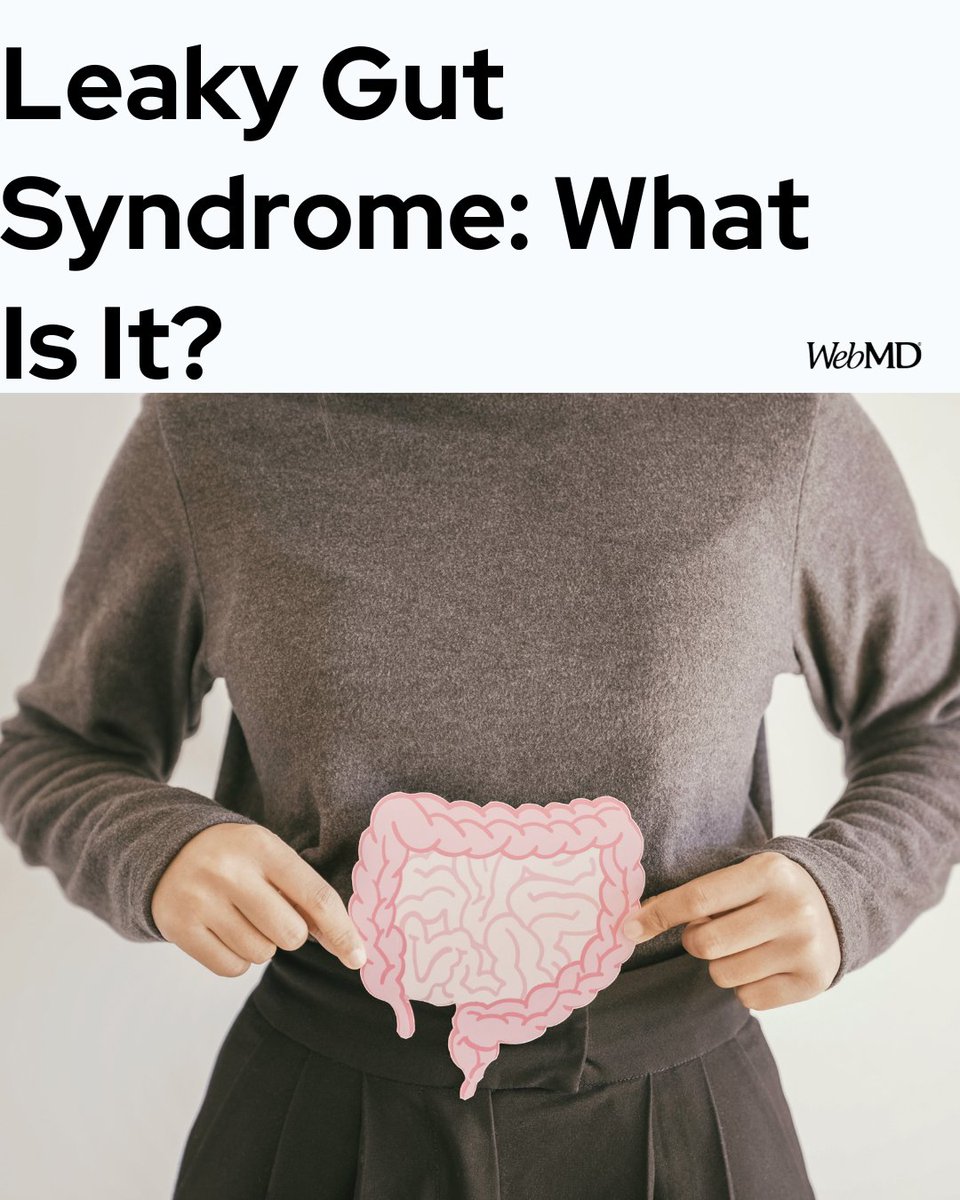
Leaky gut syndrome is not a diagnosis taught in medical school, but instead points to a group of common symptoms that has not yet lead to a diagnosis. A possible cause of leaky gut is increased intestinal permeability or intestinal hyperpermeability. That could happen when tight junctions in the gut, which control what passes through the lining of the small intestine, don't work properly. That could let substances leak into the bloodstream. https://t.co/U6oeS9Dv8J
Diabetes happens when your blood sugar stays too high over time. There are several types, but the main forms are Type 1 and Type 2.
Type 1 diabetes is an autoimmune disease and generally isn’t preventable. Type 2 diabetes happens when your body can’t use insulin properly. This is called insulin resistance. You can help limit this resistance with lifestyle changes.
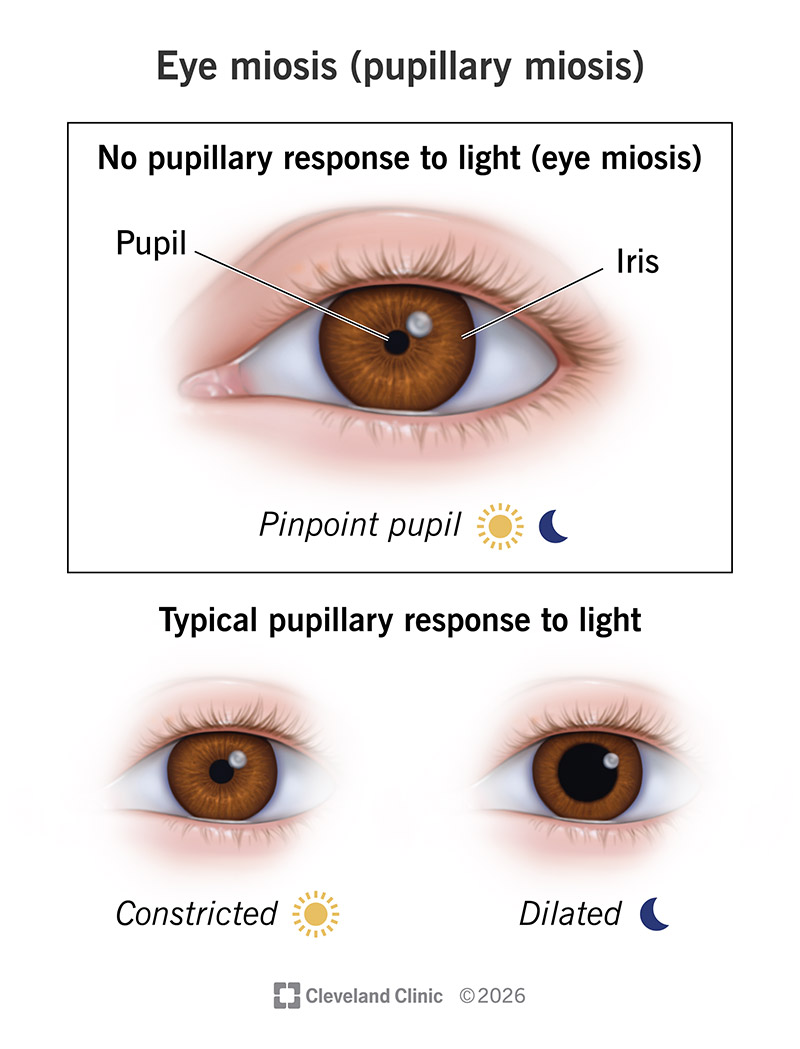
Eye miosis means something is making the pupils in one or both of your eyes smaller than usual. They may be very small, like pinpoints. Everything from eye conditions and medication side effects to injuries can cause miosis. A healthcare provider will recommend treatments for the condition or injury that’s causing the miosis. Your provider will give you an eye exam. You may need tests, like a CT scan or MRI, or blood or urine tests. Visit a healthcare provider or eye doctor as soon as you notice any changes in your eyes or vision. Especially if your eyes hurt. The sooner a provider diagnoses what’s causing the miosis, the better.
While food can’t cure what ails you, certain ones have the power to help symptoms and give your body a boost. Learn about some healing foods: https://t.co/KFd663unUq
One of the tools your doctor may use to dial back your blood pressure is DASH -- Dietary Approaches to Stop Hypertension. It’s not a diet but a way of eating. You cut back on salt, load up on fruits and veggies, and round out your meals with whole grains, fish, poultry, nuts, legumes, and low-fat dairy. https://t.co/ELzjxLXzR0
Knee replacement is a serious surgery that takes many hours and has a long recovery. It helps people with disabling knee pain and extreme cartilage deterioration, but it doesn't last forever. Cartilage restoration is an option for some. https://t.co/I8ogrXLrxd