We built the first app that lets you travel the world by saving money
Credit cards give you points for spending
Symphony rewards you with points for saving
Earn a fixed 5% APY, plus points transferable to the largest airlines and hotels
Let your savings take you places
My contrarian take as a former reporter is that most startups don't *need* to be in a big financial publication like Bloomberg, WSJ - and probably shouldn't be.
It may look nice on a pitch deck or get attention on social media for a day - but if it isn't your target audience, it won't provide real traction.
As I shared on @apyx_fi's podcast, it's so important to have the proper narrative-market fit.
The best teams balance maximum reach with relevant reach and will hunt down distribution where their target users already are.
At @StrataMedia_, we help teams shape their narratives and put them in front of the correct audiences that actually would engage with them and provide ROI.
TLDR: Don't just go for big names. Strategize around targeting the right audiences and the best distribution for that.
“Most importantly, founders are helping each other. That part matters the most.” Great read @bunsen 👏
Agree with you, people in Miami genuinely want to support other founders. Goal is to create jobs and build - I can feel the shift happening too.
The vibes in Miami feel pretty fantastic right now. The outcomes is the best I’ve seen.
Founders are getting funded. Companies are getting built. Investors are showing up. People are taking real swings.
Most importantly, founders are helping each other.
That part matters the most.
Miami tech has always had a chip on its shoulder. For years, people asked “is there actually anything happening there?” and the answer was annoying because there was, it was just early, uneven, and hard to explain without sounding defensive.
Now you can feel the compounding.
A founder raises and immediately starts making intros for the next founder.
Someone gets a customer and shares the playbook.
Someone meets a great operator and passes them to three other companies.
Someone writes a small angel check into a person who probably would have been ignored by the traditional network.
That’s how ecosystems actually get built.
People helping people climb.
As a result:
1. The ladder here feels more open.
In a lot of places, tech feels like a prestige maze. Right school, right company, right fund, right dinner, right group chat.
Miami is still messy enough that the doors are not all locked yet.
A kid from FIU can meet a founder.
A first-time founder can get in front of angels.
An operator can become a founder.
A community builder can become the connective tissue for an entire scene.
That’s special.
2. The energy is ambitious without being miserable.
People are working hard, and it doesn’t feel like everyone is trying to win by making everyone else feel behind.
There’s less “I missed the last wave” energy.
More “what can I build, who can I help, and how do we make this city more legit” energy.
That is a much healthier default.
3. The wins create mobility.
When a Miami company raises, hires, exits, or even just survives long enough to become credible, the whole city gets a little stronger.
Employees learn.
Founders recycle capital.
Operators level up.
Angels get created.
Customers become references.
People outside elite tech networks get a shot.
This is the part I care about the most.
Tech should be one of the last great engines of social mobility.
Miami still feels like a place where that can be true.
4. The best people here are still accessible.
There is ego everywhere. It’s tech. Let’s be serious.
Most of the newly transplanted rich folks are meeting local founders (Larry Page had the founder of an AI co over recently) & investing heavily in Miami (ie Citadel, Palantir grants).
That is new.
And fragile.
The second an ecosystem becomes too status-obsessed, it starts eating itself.
Miami has a real chance to avoid that because the culture is naturally relationship-driven. People here remember who helped them. They remember who showed up. They remember who was around before it was obvious.
People will still roll their eyes at Miami tech.
That’s fine.
They rolled their eyes at crypto.
They rolled their eyes at remote work.
They rolled their eyes at Florida.
They rolled their eyes at half the people who ended up building real things.
Miami does not need to be SF.
Miami has its own edge: immigrant ambition, sales culture, hospitality, finance, crypto DNA, Latin America access, weird builders, local pride, and a community that still feels small enough for one generous person to make a meaningful difference.
That is a very good setup.
The outcomes are getting better.
The founders are getting sharper.
The capital is getting more serious.
The network is getting denser.
And the best part is that it still feels early enough that anyone serious can show up and matter.
Pretty fantastic vibes tbh.
Makes sense. Brands that still underestimate women and Gen Z are already behind.
Culture, loyalty, and spending habits are being shaped in real time and collaborations like AP x Swatch prove luxury knows exactly where attention is heading.
Watched few podcasts with Audemars Piguet’s CEO Ilaria Resta.
AP x Swatch collab seems to be about selling to women, which she says is AP’s most “underdeveloped” opportunity.
Royal Pop can ride the Labubu keychain wave.
Women are <20% of AP sales but clear trend for the demographic. She says 45% of women will own a mechanical watch by 2030. Growing interest in complications but current designs don’t fit the wrist well. AP working on watched with smaller dimensions.
Resta took over as CEO in 2023 after spending past two decade building brands in beauty products (Firmenich) as well as hair products and homecare (P&G).
One of her first moves was to stop classifying AP watches as either men’s or women’s.
AP currently sells 50,000 watches a year and does ~$3B (compared to Rolex, which sells 1.2 million units a year and does $13B+ annual). Seems AP has room to increase supply without becoming too ubiquitous and tapping women’s market makes a ton of sense.
***
Interview (2025): https://t.co/52C2S5ov4c
CNBC with some watch stats: https://t.co/uOwKR1PWdW
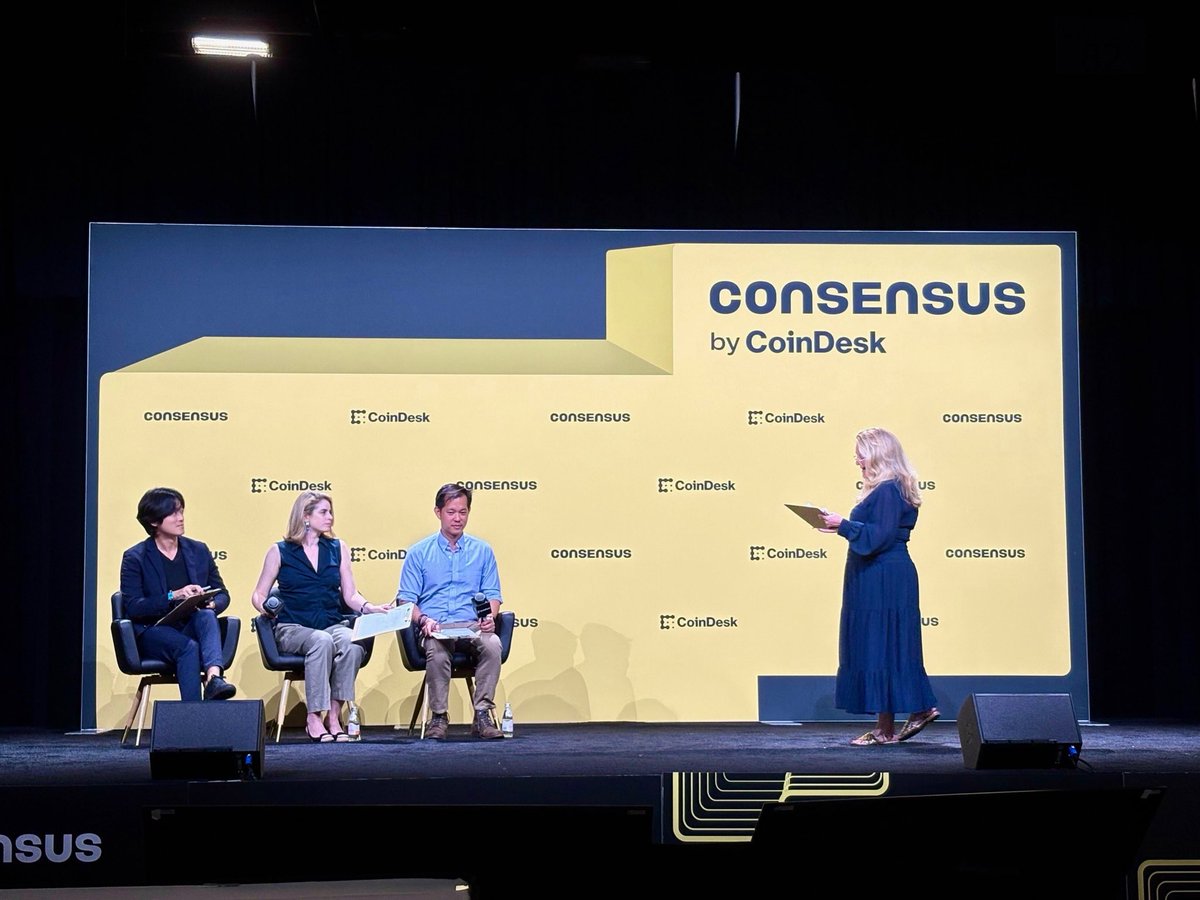
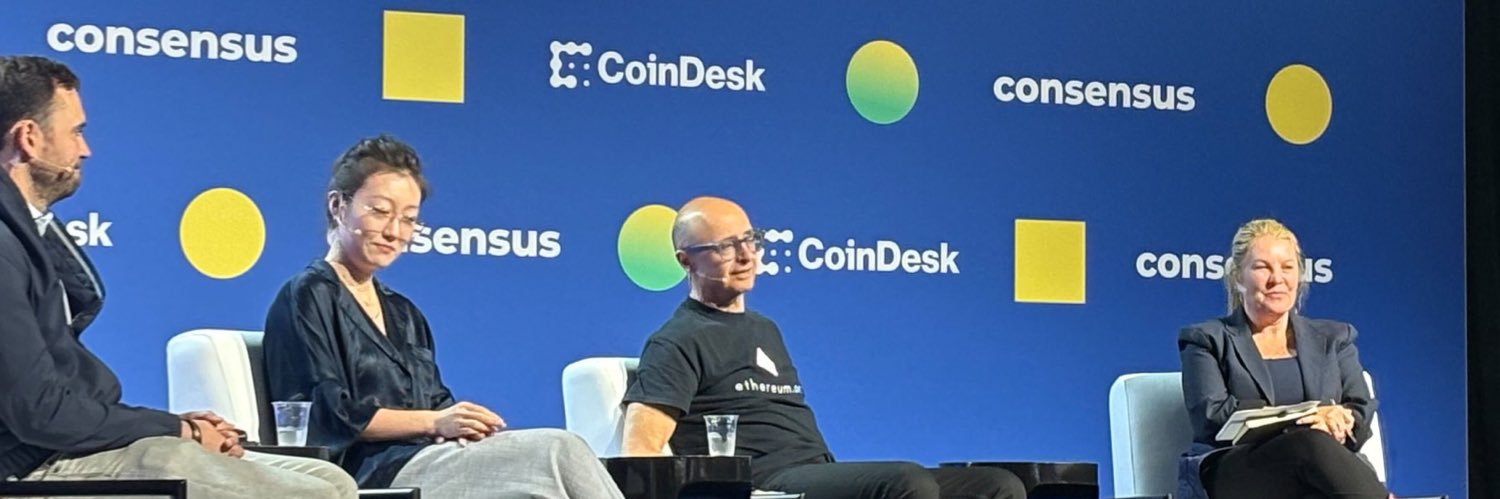
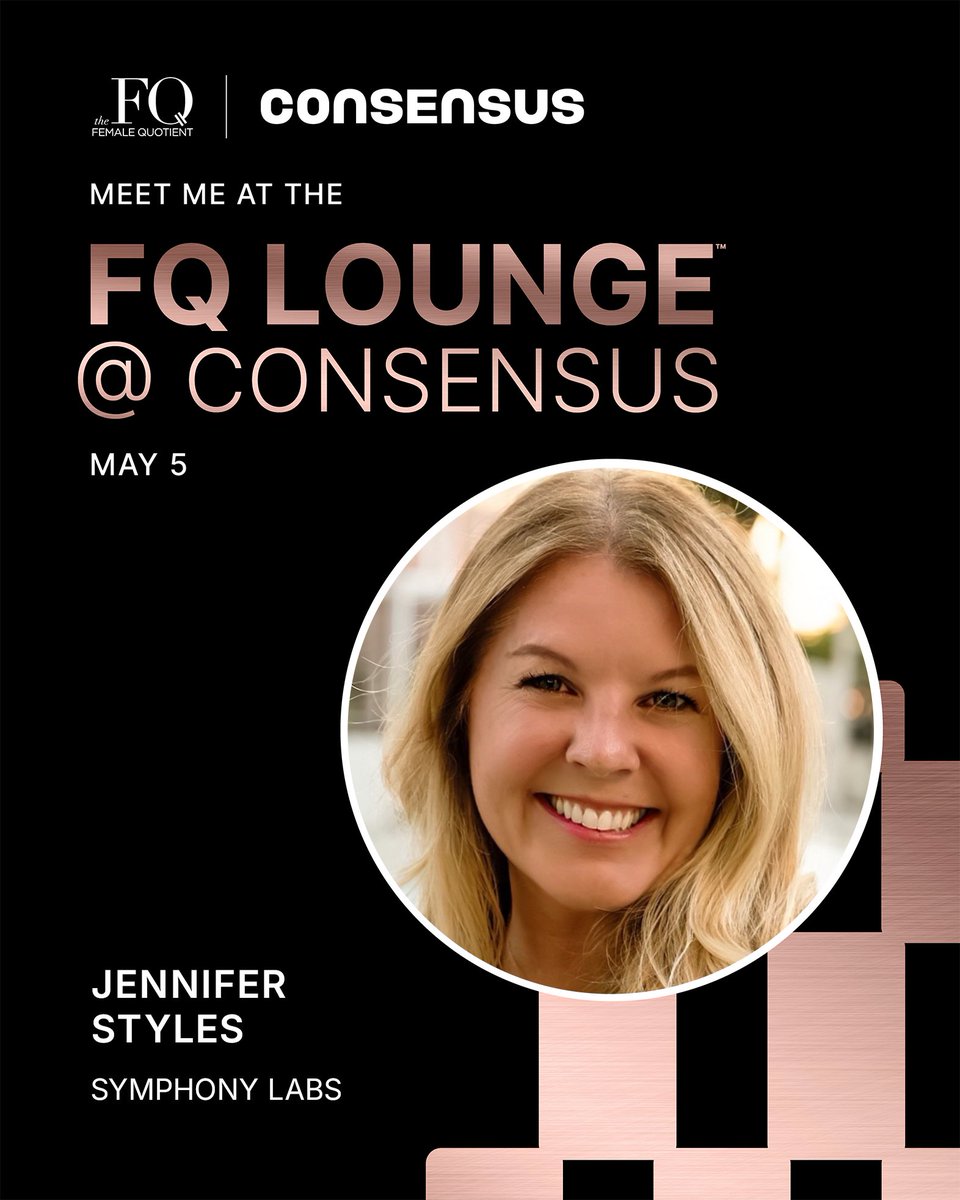
Are you heading to @consensus2026 in Miami next week?
Come say hello at @femalequotient I’ll be joining Lindsey Dickman, EVP at Kantar, and Natasha Madan, Head of Marketing at Intuit Credit Karma, for a conversation on Human Intelligence: Leadership in the Age of Digital Identity.
Date: Tuesday, May 5
Session time: 3:10PM - 3:40PM ET
@pmarca These roles are incredibly valuable, and often underestimated.
In my opinion, it was an important component in the success of WeWork, we had incredible programming, experiences and most of our members naturally enjoyed connecting, learning, and living w purpose.
@andruyeung couldn’t agree more. These roles are valuable, and often underestimated.
It was a real secret sauce at WeWork. There was something magical about watching connections form, programming come to life, and stories not just being told, but actually landing w consumers.
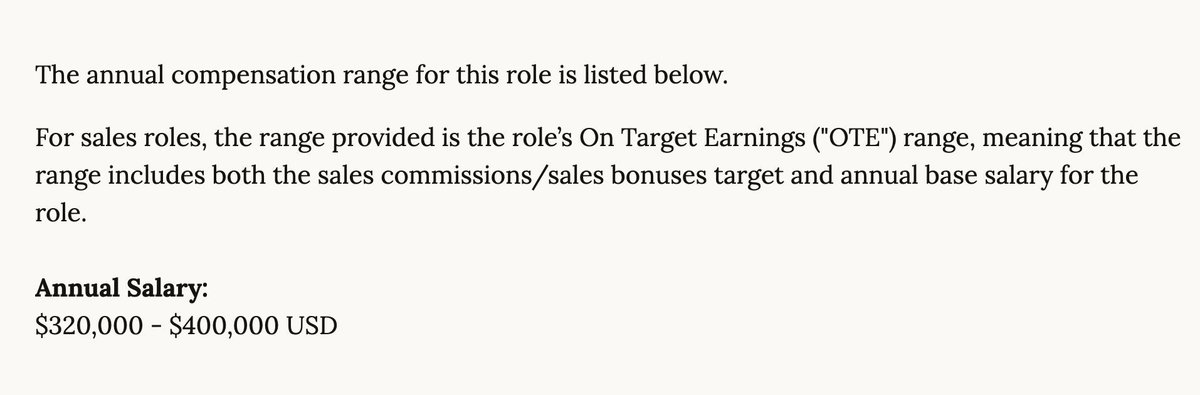
Anthropic is paying up to $400,000 a year for an events role.
They're looking for someone to own the execution of brand experiences that translate Anthropic's values into physical moments.
This person will produce everything from intimate thought-leadership gatherings to large-scale industry activations.
The top AI research lab in the world recognizes that to cross the chasm and reach everyday consumers, they need to lean into hospitality. They need to create visceral, unforgettable IRL experiences that make complex technology feel accessible and human.
They understand that digital channels are getting increasingly saturated. Every feed is flooded with AI content... every inbox is overflowing.
The massive opportunity now is offline, analog, in-person.
The companies that win in the next decade won't just have the best product but the most emotional in-person presence and the most compelling storytelling.
If you're in events, experiential marketing, or brand activations, this is your moment. The biggest tech companies in the world are betting on you.
WHCInsider Editor @haddadmedia identifies the man eating salad while people ducked for cover at Saturday night’s White House Correspondents’ Dinner: CAA’s Michael Glantz
That’s a wrap on the Eve Wealth Summit.
Utterly epic. Genuinely magical.
The women in that room, each and every one of you — unreal.
So honored to hold space for this community.
See you next time.