Why respect is a massive issue at work. Research shows that for employees, “feeling respected” is 17.9 times more powerful a predictor of an organisation’s overall culture score than the average factor (& almost twice as strong as the 2nd most important factor, supportive leadership).
As leaders, we may show disrespect repeatedly in seemingly small ways that have a very negative impact on people & culture, eg, by showing disregard for others’ effort, expertise, time or failing to include them.
Three strategies:
1) Make "multitasking" an unacceptable behaviour
2) Treat other people’s time like gold
3) Teach & evaluate listening skills
https://t.co/DSiJUBi6Gy. By Jim Detert in @mitsmr. Graphic by @gapingvoid.
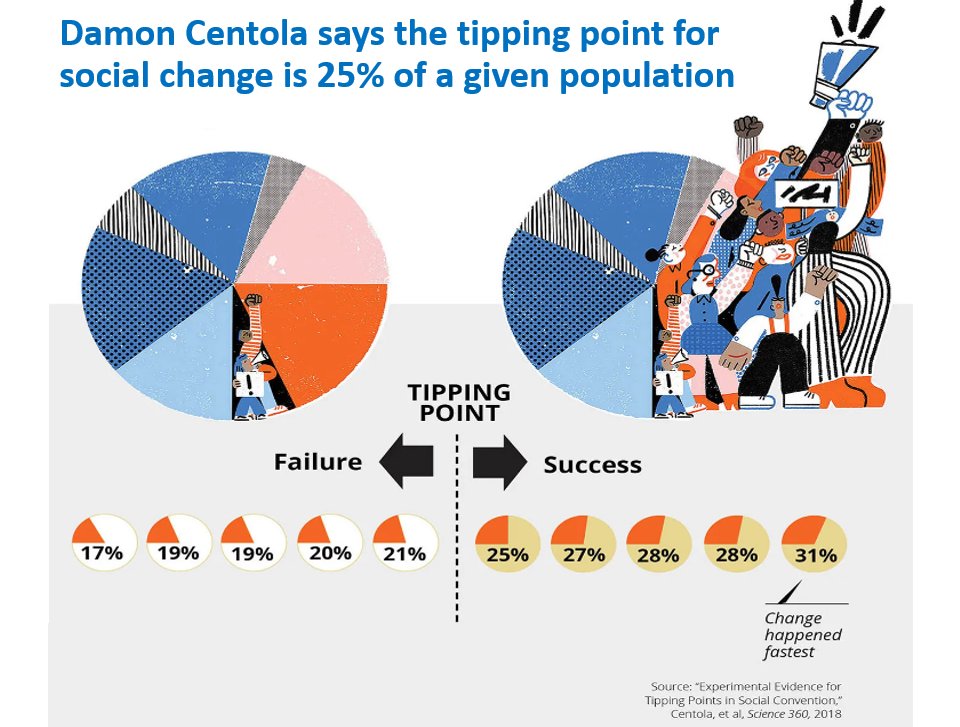
How many people does it take to change an organisation, system or culture? In his book "Change, How to Make Big Things Happen", @DamonCentola shows how change became inevitable when 25% of the people were on the side of making the shift - a “committed minority group” driving the change. But how do we get to 25%? Three strategies:
1) Use "non violent" change processes: where people can come into the change, make it their own, be part of a co-creative process & see/feel their stamp on the change.
2) Adopt the "Active, Sustained 3.5% Rule": a much smaller group actively engaged at the heart of the change, sustained over time.
3) Adopt the "Law of One Person and One Step": where we don’t need to train everybody, but instead, coach a small group of people to create a non-violent resistance to the old ways of working & bring new ways in.
https://t.co/N9UfEooWgw. By @dastillman
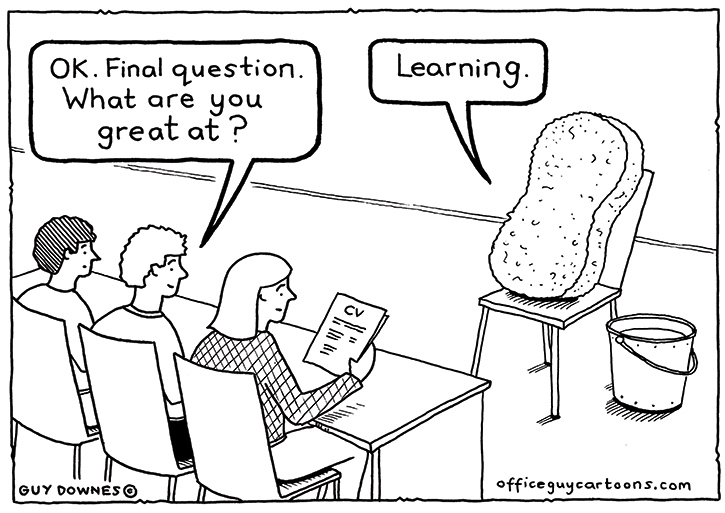
As leaders, we want to build learning systems & learning organisations. That means we need to role model being continuous learners. It can be hard to make space for personal learning when our roles are so full on. Here are five ways to keep learning, even when we feel depleted:
1) Challenge our beliefs about our capacity to learn;
2) Start with topics that solve urgent problems;
3) Don’t limit ourselves to learning via formal programmes;
4) Make an emotional connection to learning - in line with what matters to us rather than the expectations of others;
5) Work with our brains, not against them - evidence-based approaches that increase retention.
https://t.co/DUbckiAkDG. By Nihar Chhaya in @HarvardBiz. I've paired this with a cartoon from @OfficeGuyToons that makes me smile. Always keep learning! Be a sponge!
We invest significant time/resources into upskilling people at work - whether it is improvement methods, or interpersonal skills or compliance or technical training. But does it deliver? Research shows only 12% of employees actually apply new skills learned from training provided by their employers.
So here is a good new article about how to make workplace training work. Advice incudes:
1) Be clear about the purpose of the training & consider ways to reinforce learning from one-off sessions: continuous learning opportunities are needed to foster long-term change.
2) Omit content rather than condense it: too much information can keep participants from retaining any of it
3) Equip people to know what questions to ask, rather than assume the training will give them the answers
4) Acknowledge the wider benefits of training sessions, such as building rapport, creating collaborative opportunities, generating ideas & fostering a sense of community around specific topics or initiatives
https://t.co/99mfy0nPJK. By @TheDecision_Lab.
Not all disappointing outcomes are failures. Some lead to improvements in your process.
Success is about more than the results you achieve. It's also about the growth you attain.
Progress is more than how close you come to your goal. It's how far you've come from your start.
In my experience, people don't resist change because they have "resistant personalities" or because of "human nature". They mostly resist because of the way we go about introducing or implementing the change or imposing it on them. @Digitaltonto suggests five major categories of change resistance, most of which can be less of an issue if we think about them beforehand:
1) Lack Of Trust: by focussing on what's new & different, there's a danger that leaders communicate changing values. Need to focus on shared values & creating a sense of safety around the change conversation.
2) Change Fatigue: the change needs to be seen in the context of all the other initiatives that are happening.
3) Competing Incentives and Commitments: we shouldn't have to "incentivise" people to take part in change. If the change has real value, we should be able to find people who are enthusiastic about it & want to make it work.
4) Switching Costs: what we experience in the here & now always seems more tangible/concrete than the more distant benefits of change, which many will suspect will never come.
5) Identity, Dignity & Sense of Self: people's sense of identity can act as one of the strongest barriers against change. We resist things that challenge our perceptions of ourselves, including loss of status. Helping people navigate the fear of losing their identity & see new possibilities emerge is crucial for successful change outcomes.
https://t.co/9MdXSJwqkR. Graphic adapted from @FLIMPStudios.
Discover how AI is transforming #LTC, enhancing outcomes, and improving experiences for both residents and staff. Learn from industry leaders Roxana Sultan @VectorInst, @DrGuerriere, @PhilVlach, and Cheryl Field @PointClickCare. #TiLTC2024: https://t.co/ZFAtAsNUPm
Thank you, @JillDunlop1, for visiting our Village!
Your support for #LTC and the #LivingClassroom programs is truly appreciated. It was wonderful to showcase the collaboration between our educators, students, caregivers, and residents.
#LTC#Education
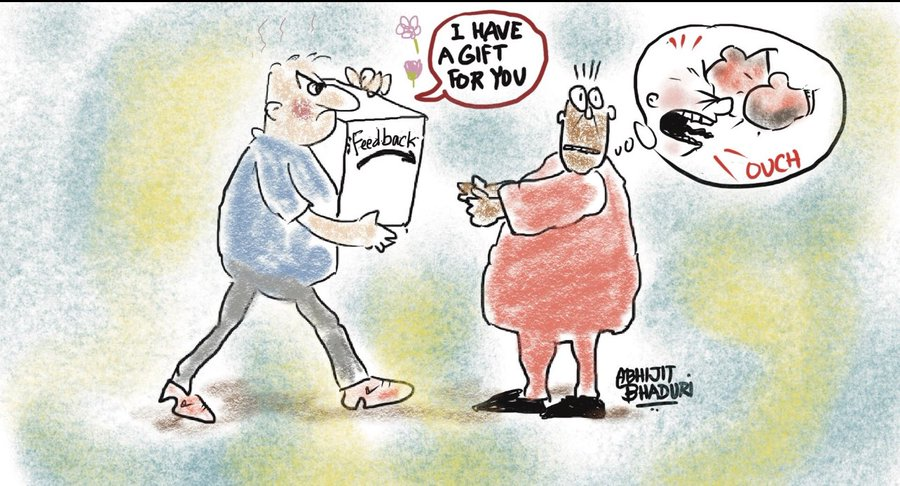
We keep being told that "feedback is a gift". But who really welcomes unsolicited negative feedback? Brain research shows it often triggers a “fight or flight” response, flooding our brains with stress hormones & limiting our ability to absorb information. @dastillman says it's much more effective to use a "Rose, Thorn, Bud" approach to giving feedback:
1) Rose: something that’s positive, working well.
2) Thorn: gaps, clear negative issues.
3) Bud: areas of potential growth that are present but not fully realised.
https://t.co/hRrDq5l0Ko. Graphic by @AbhijitBhaduri
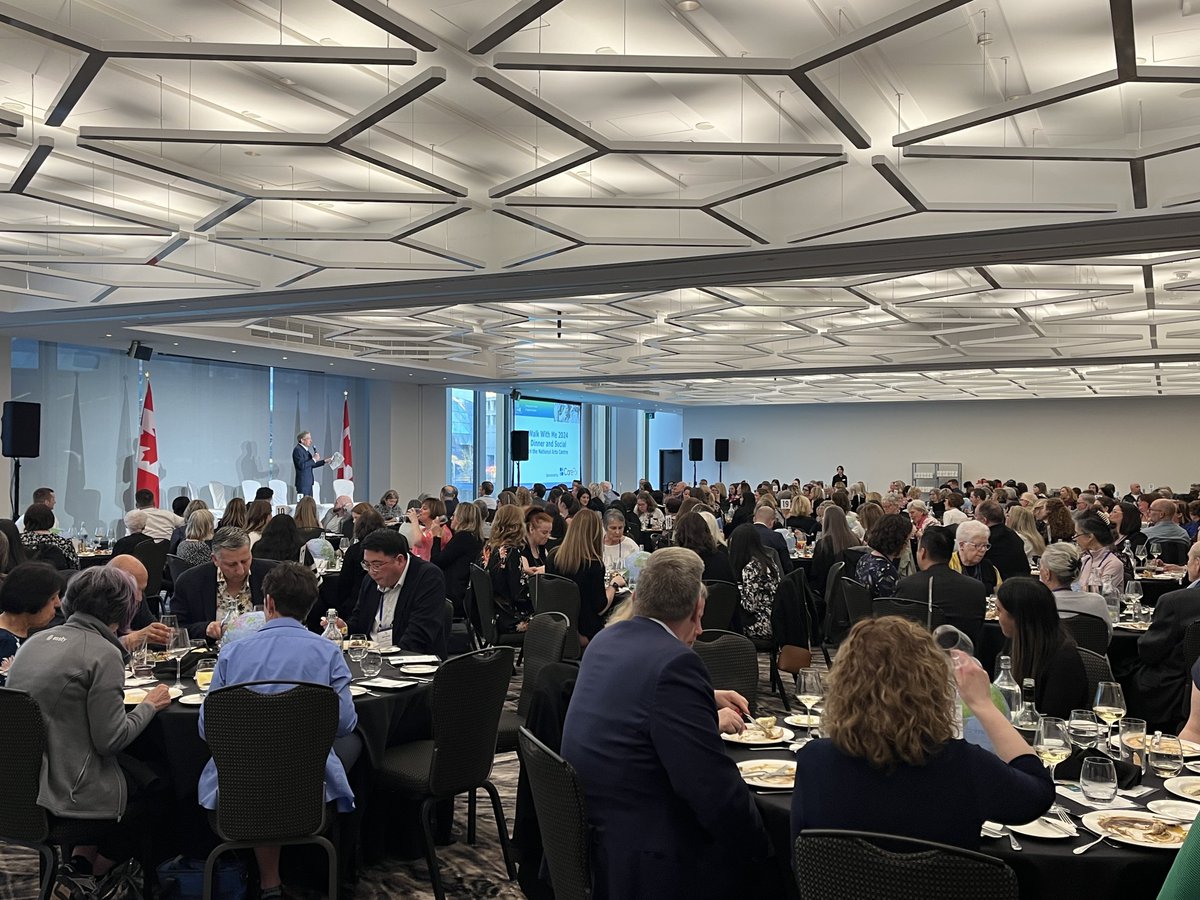
#WalkWithMe2024 was amazing and we are extremely grateful to our knowledgeable speakers, amazing sponsors and inspiring attendees for making it such a success. We hope you feel just as energized as we do about creating an age-friendly world for older adults!
The RIA has big plans for the next few years! We are excited to release our 2024 - 2029 Strategic Plan, which will guide our efforts to find innovative solutions that enhance care and quality of life for older adults: https://t.co/XT2aZbLU72
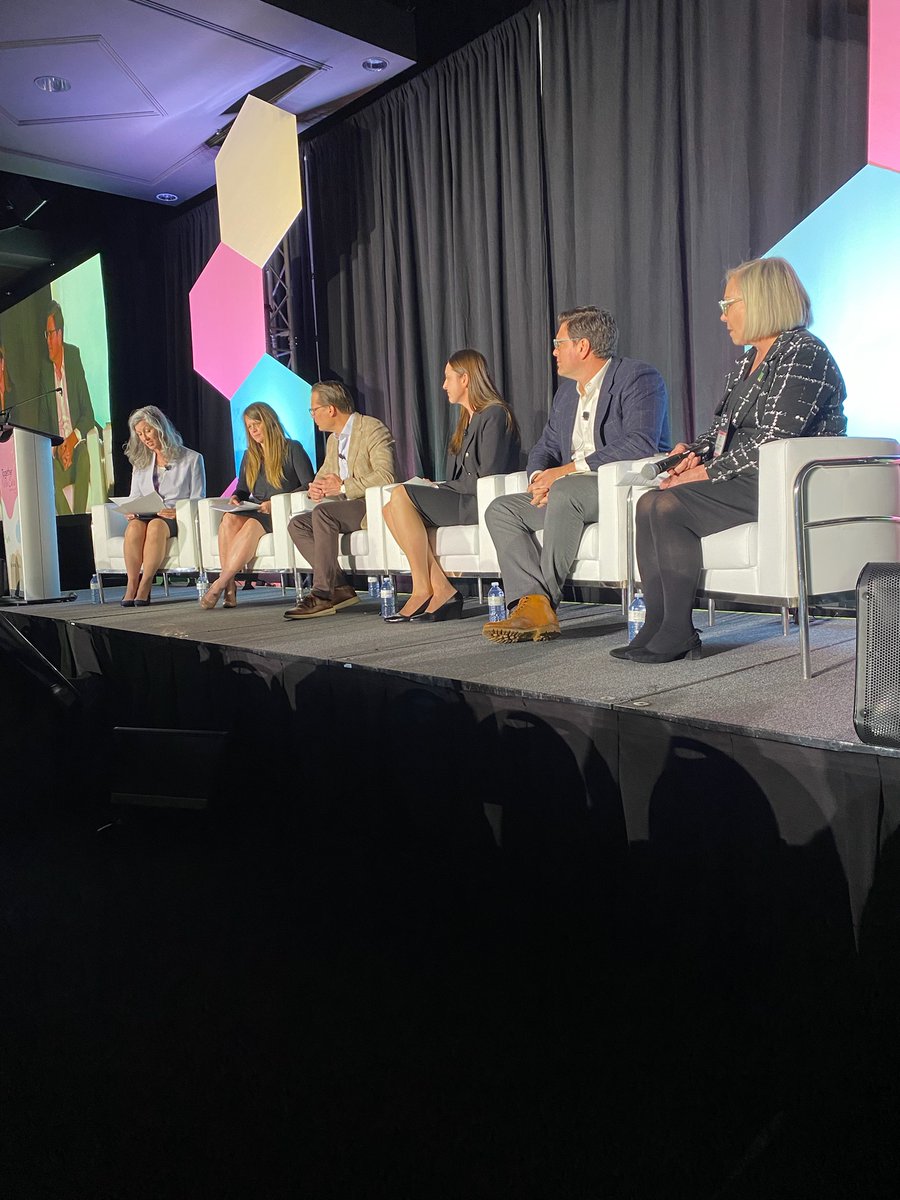
As the Baby Boomer generation ages, a significant demographic transformation is in progress. Panelists explored multi-sector planning approaches for the future of seniors’ housing and care.
The hallmark of an open mind is refusing to let your ideas become your identity.
If you define yourself by your opinions, questioning them is a threat to your integrity.
If you see yourself as a curious person or a lifelong learner, changing your mind is a moment of growth.
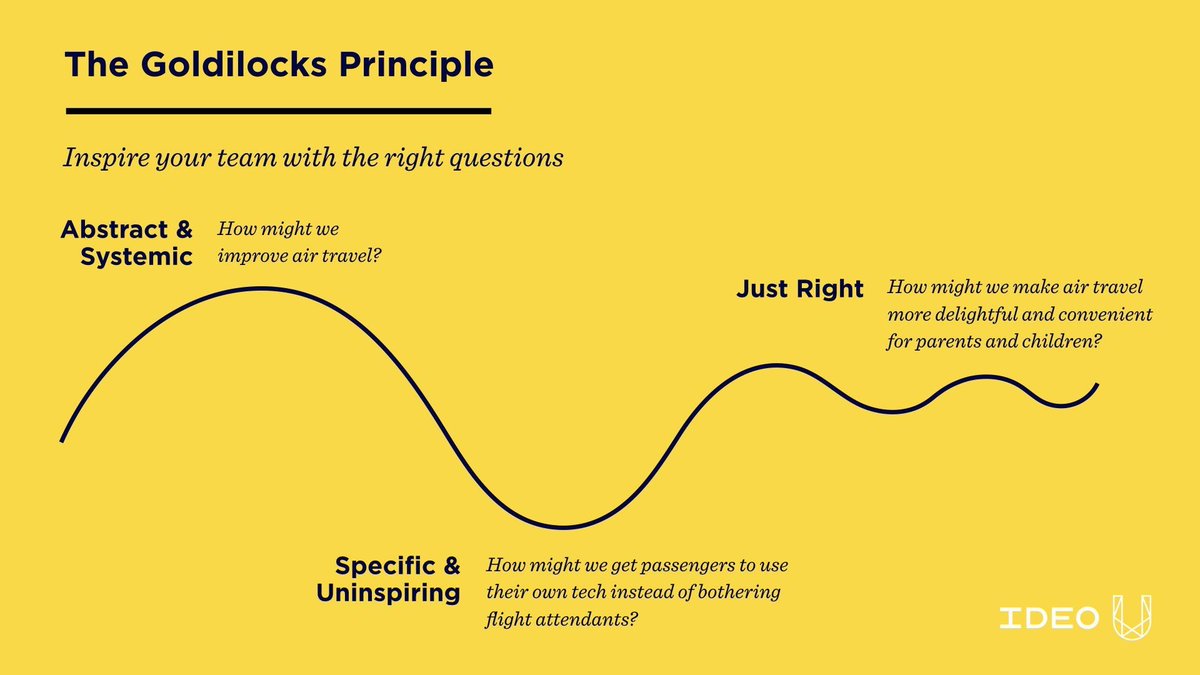
Sometimes as leaders we feel we have to know all the answers when people in our teams come to us with questions. If we don't know, we might look weak. @ideo says we should flip that thinking. We should see our leadership role as helping others to focus on the right questions, to frame the challenges they face. IDEO proposes the "Goldilocks principle" for question framing:
- not so high level that it is abstract & impractical
- not so low level that nothing will improve:
https://t.co/zZT1rhP4RG
Chris-Anne has served the residents and team members of Schlegel Villages for more than 25 years in the Waterloo Region. She began as a newly graduated Registered Nurse in Winston Park and navigated many new opportunities.
Watch this #StoryOfGrowth ↗️ https://t.co/muFfy8OamH
Embracing diversity on World Religion Day! 🌟 Today, let's celebrate the rich tapestry of beliefs that make our world vibrant and unique. May understanding, tolerance, and respect unite us as we acknowledge the beauty of every faith. 🕊️
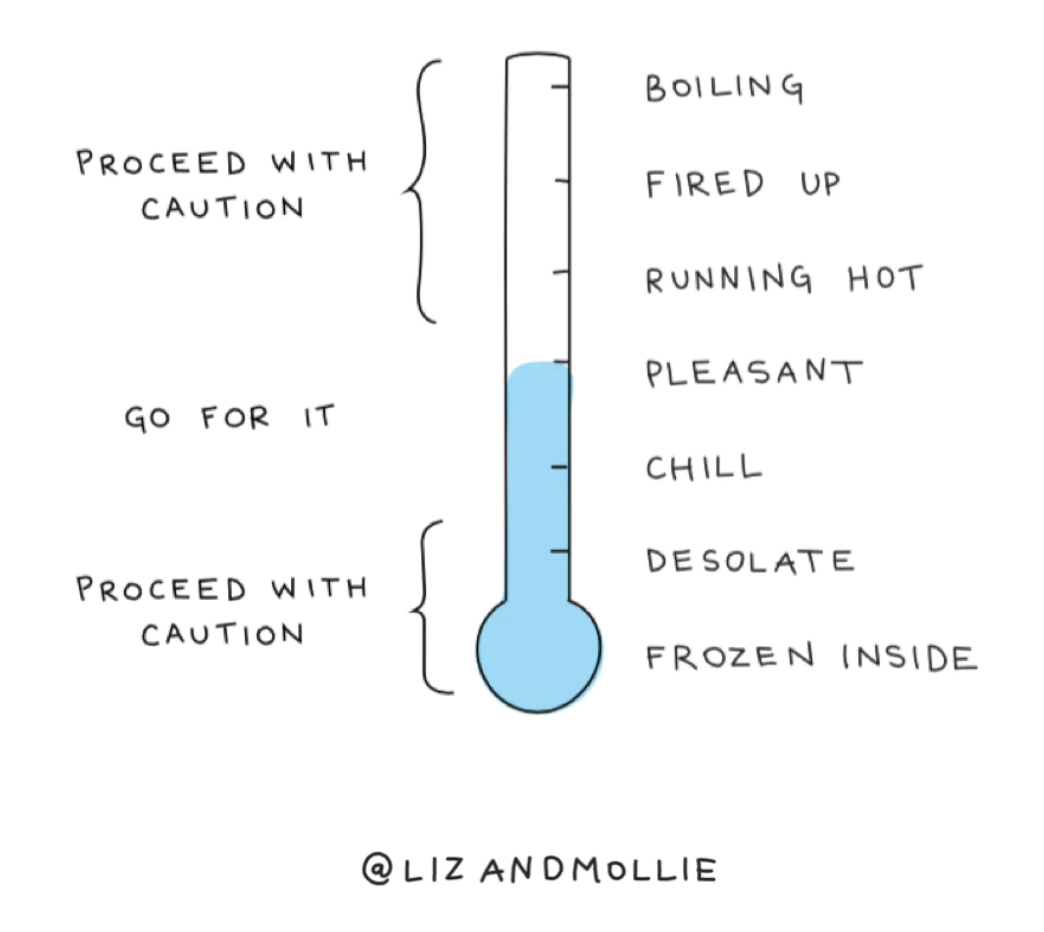
A sign of emotional intelligence is refusing to let feelings dictate decisions.
Feelings are electrical signals in the brain. We don't choose every sensation, but we are responsible for how we react.
Emotions are rarely calls to action. They're usually cause for reflection.
https://t.co/qEUjMN0b1Z