I asked GPT for a framework of AI literacy similar to the Info Lit. The result looks quite legit:
1. Understanding AI Authority
2. AI Development as a Process
3. AI's Impact and Value
4. Exploration of AI as Inquiry
5. AI as a Collaborative Effort
6. Strategic Interaction with AI
Created a Python script to grab and export weekly popular Chinese books from https://t.co/Zh0loKtdSJ in to a csv. https://t.co/M7urn1doDj
With special thanks GPT-4o 🤖
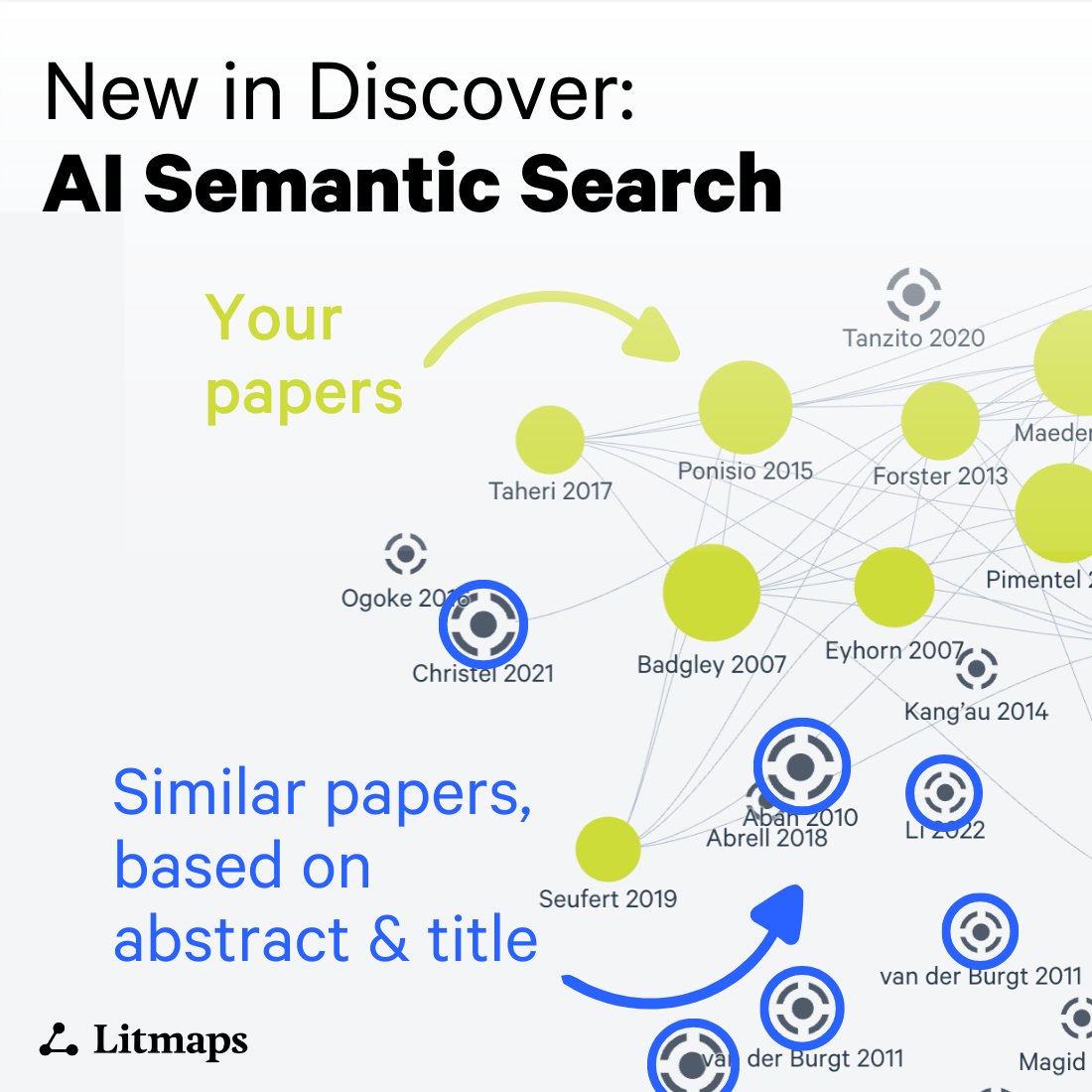
We're excited to share our newest algorithm: the AI Semantic Similarity Search!
Go beyond citation search to find similar papers based on title and abstract similarity.
To try it out for yourself, just go to Discover within our app, and set your algorithm to Semantic Search.
Semantic Search helps you discover articles beyond the citation network. It finds papers that are most similar to your own based on keywords, title and abstract. This makes it especially useful for:
- finding new papers
- getting different perspectives
- discovering unexpected connections
Use the Discover algorithm that's right for you:
Top Connected: Find relevant, connected papers based on the citation network. Useful for: discovering impactful papers in your topic.
Co-Author Search: Find the most relevant works based on what papers authors in you original collections have worked together on. Useful for: finding key authors and their papers.
Semantic Search: Find relevant papers based on content similarity. Useful for: finding less-cited work and spotting new connections.
With 3 different algorithms to now choose from, Discover won't let you miss a thing.
[Blogged] A round-up of the Open Access Week 2023 in Oct 2023, where policies, discussions, resources about author rights retention, APC alternatives, open data sharing, open publishing infrastructure are highlighted. https://t.co/D8x7yWpBwX
#OAWeek2023#OpenAccess
Talk to your data via AI using https://t.co/xIwKCUofyw
Massive upgrade in v0.98:
GPT-4 enables better code,
Explains codes, results, or statistics in general,
Upload a 2nd file,
EDA reports!
Demo: https://t.co/mABaOcWCju
Talk I gave for HKU library open-access week is now online:
"Open Science & Peer Community In are the future of science"
My perspective about the horrific publishing system and our need to move to diamond open access and community initiatives.
Video:
https://t.co/RWkotGMZ33
Happy #OpenAccessWeek! 🔓Our latest blog shares how to access and convert data from ORCID’s Public Data File, as well as how @nrobinsongarcia + @EC3metrics used the open data for research. Read more here ➡️https://t.co/hGsPEBleR0 #oaweek2023
[Blogged] Where the Scholars Go in the https://t.co/eOMnVWQuE1 Era?
In Sep 2022 I had a blogpost on Twitter for scholarly communication. Then the takeover hit... Noe one year on, let's survey the #TwitterMigration and reflect on what's next for academics
https://t.co/j8tNrYhxIj
"Since the pilot agreement began in July 2022, only 20% of UC authors have chosen to publish OA — far fewer than with UC’s other open access agreements"
UC to End Funding Support for Open Access Publishing with IEEE in 2024; Reading Access Will Continue https://t.co/QulzPm6Qtg
Why Utrecht University is missing in the THE ranking. A conscious choice:
- Rankings foster competition; UU wants to focus on collaboration
- Quality of entire university cannot be captured in one number.
- Data and methods used are questionable.
https://t.co/A6RrrwkrG0
A new #AIIndex2023 is out now. This year’s report presents a more thorough technical performance chapter, original data about large language & multimodal models, and more. Find the latest trends in AI’s R&D, technical progress, and societal impact: https://t.co/yTUPPw0q0j
🖥️ We have a FREE online #bioinformatics course for #biologists starting on 9 October!
Check out the course trailer to discover how this can support your #DataScience career.
📽️ https://t.co/WT5ub2c6p2
📎 Visit our course page for info on how to sign up: https://t.co/SBb8kK9jyV
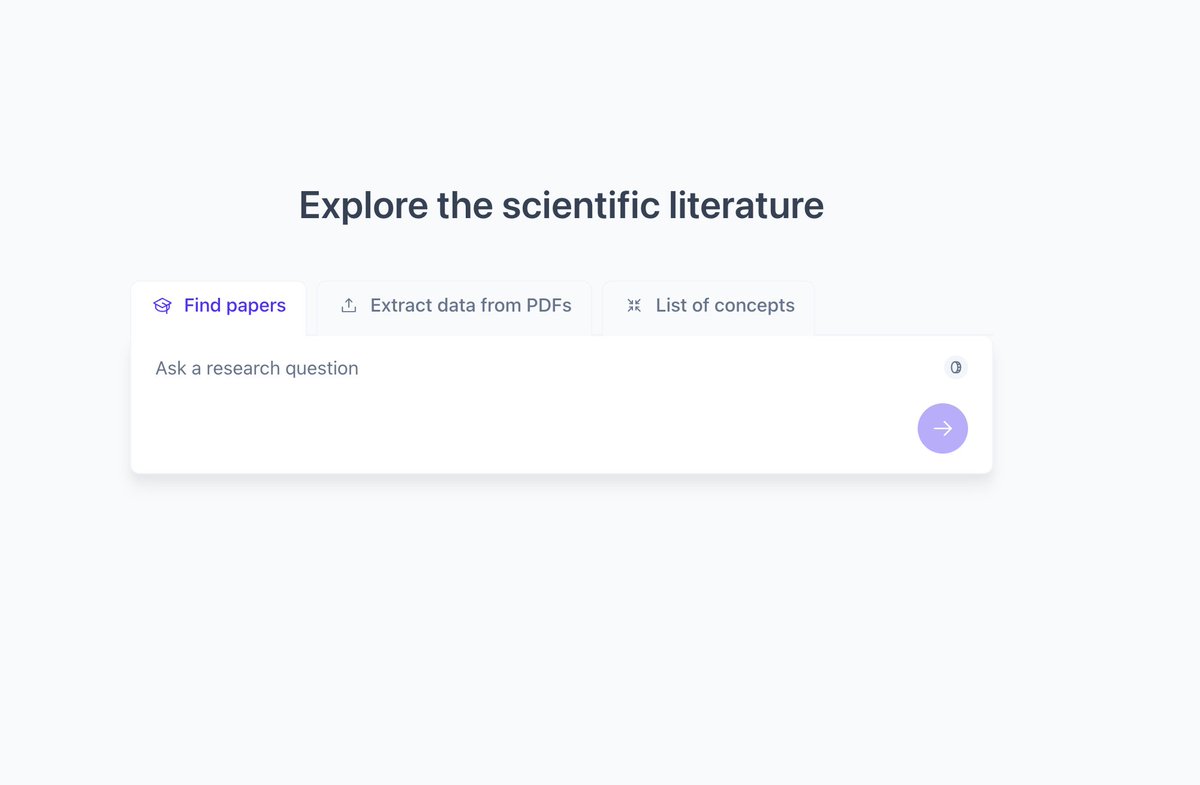
1/ Announcing our spinoff from @oughtinc into a public benefit corporation, our $9 million seed round, and a much more powerful Elicit!
This new Elicit takes the components of the popular literature review workflow and extends them to automate more research workflows.
ACS introduces an option to remove embargo of green open access (e.g. self-archiving) of manuscripts by paying an article development charge (ADC)... A creative and predictable way to help researchers meet funder requirement while finance ACS itself.
https://t.co/GjhnR3byuN
Biology + health science researchers: want to make your papers more accessible in an eyes-free setting by adding alt text descriptions to your figures?📊Join our study here: https://t.co/5vzd0l2tFb
No prior alt text writing experience necessary!
Pls forward to relevant parties






![Jenniference's tweet photo. [Blogged] Where the Scholars Go in the https://t.co/eOMnVWQuE1 Era?
In Sep 2022 I had a blogpost on Twitter for scholarly communication. Then the takeover hit... Noe one year on, let's survey the #TwitterMigration and reflect on what's next for academics
https://t.co/j8tNrYhxIj https://t.co/Oxv86PtCCf](https://pbs.twimg.com/media/F8xzzQbbYAA7tAy.png)