We often hear that "computer vision has been solved.” But is it really so?
🚀 Excited to share our new work: 𝗖𝗩-𝗔𝗿𝗲𝗻���: 𝗔𝗻 𝗢𝗽𝗲𝗻 𝗕𝗲𝗻𝗰𝗵𝗺𝗮𝗿𝗸 𝗳𝗼𝗿 𝗜𝗻𝘀𝘁𝗿𝘂𝗰𝘁𝗶𝗼𝗻𝗮𝗹 𝗖𝗼𝗺𝗽𝘂𝘁𝗲𝗿 𝗩𝗶𝘀𝗶𝗼𝗻 𝗣𝗿𝗼𝗯𝗹𝗲𝗺 𝗦𝗼𝗹𝘃𝗶𝗻𝗴 𝘄𝗶𝘁𝗵 𝗛𝘂𝗺𝗮𝗻-𝗔𝗜 𝗖𝗼𝗹𝗹𝗮𝗯𝗼𝗿𝗮𝘁𝗶𝘃𝗲 𝗣𝗿𝗲𝗳𝗲𝗿𝗲𝗻𝗰𝗲𝘀.
In this paper, we define 𝗶𝗻𝘀𝘁𝗿𝘂𝗰𝘁𝗶𝗼𝗻𝗮𝗹 𝗰𝗼𝗺𝗽𝘂𝘁𝗲𝗿 𝘃𝗶𝘀𝗶𝗼𝗻 𝗽𝗿𝗼𝗯𝗹𝗲𝗺 𝘀𝗼𝗹𝘃𝗶𝗻𝗴 𝗶𝗖𝗩𝗣𝗦 as a broader formulation of image editing: given a real input image and a natural-language instruction, a system must produce an edited output that realizes the requested transformation while satisfying explicit preservation, geometric, physical, and usability constraints.
🧩 To support this direction, we introduce 𝗖𝗩-𝗔𝗿𝗲𝗻𝗮, an open benchmark designed for professional-grade visual editing and problem solving.
𝗖𝗩-𝗔𝗿𝗲𝗻𝗮 contains:
✅ 12K high-resolution real-image instruction pairs
✅ 16 instruction-based visual task types
✅ Tasks spanning restoration, enhancement, computational photography, physically grounded object insertion, semantic manipulation, geometry-driven structural editing, and typography recovery
✅ Real-world images with native aspect ratios and high-resolution details
🔍 We also introduce 𝗖𝗼𝗴𝗥𝗲𝘁𝗿𝗶��𝘃𝗲𝗿, a dual-track retrieval and curation pipeline that combines targeted web search, agentic query refinement, verification, and traceability to construct diverse and legally traceable benchmark data.
⚖️ For evaluation, we propose 𝗔𝗰𝘁𝗶𝘃𝗲 𝗘𝗹𝗼, a human-AI collaborative preference protocol. Instead of relying purely on automatic metrics or fully human annotation, Active Elo combines:
1. 𝗖𝗩-𝗝𝘂𝗱𝗴𝗲, a logic-gated, multi-dimensional VLM evaluator
2. selective routing of ambiguous high-quality comparisons to expert human raters
3. reliability-weighted Elo updates to aggregate mixed human and AI supervision
This allows us to evaluate models at scale while preserving alignment with expert human preferences.
📊 We benchmark 21 systems, including proprietary, open-source, and agentic models. Our results reveal persistent gaps in instruction adherence, physical reasoning, structural control, and fine-grained detail preservation.
🤖 Finally, we develop 𝗖𝗩-𝗔𝗴𝗲𝗻𝘁, a lightweight agentic baseline that combines planning, editing, and verification. The results suggest that closed-loop reasoning is a promising direction for professional-grade instruction-following visual editing.
💡 The main takeaway: as visual AI moves toward real workflows, the challenge is no longer only to generate visually plausible images. Models must also understand intent, preserve constraints, reason about structure and physics, and verify whether the edit actually solves the requested visual problem.
𝗣𝗿𝗼𝗷𝗲𝗰𝘁: https://t.co/Jzl3UhtD7m
𝗖𝗼𝗱𝗲: https://t.co/ShuNqGnCc4
#ComputerVision #GenerativeAI #MultimodalAI #ImageEditing #AIAgents #Benchmarking #CVArena #TAMU
BREAKING: Claude can now research like a Stanford PhD student.
Here are 9 insane Claude prompts that turn 40+ research papers into structured literature reviews, knowledge maps, and research gaps in minutes (Save this)
🚀 Excited to share that our paper "𝗥𝗲-𝗔𝗹𝗶𝗴𝗻: 𝗔𝗹𝗶𝗴𝗻𝗶𝗻𝗴 𝗩𝗶𝘀𝗶𝗼𝗻 𝗟𝗮𝗻𝗴𝘂𝗮𝗴𝗲 𝗠𝗼𝗱𝗲𝗹𝘀 𝘃𝗶𝗮 𝗥𝗲𝘁𝗿𝗶𝗲𝘃𝗮𝗹-𝗔𝘂𝗴𝗺𝗲𝗻𝘁𝗲𝗱 𝗗𝗶𝗿𝗲𝗰𝘁 𝗣𝗿𝗲𝗳𝗲𝗿𝗲𝗻𝗰𝗲 𝗢𝗽𝘁𝗶𝗺𝗶𝘇𝗮𝘁𝗶𝗼𝗻" has been accepted to EMNLP 2025 (Main Track)! 🎉
Large Vision-Language Models are game-changers ⚡️— they enable powerful multimodal applications across domains. But one major issue remains: hallucinations 👀. These errors limit trust and make deployment in real-world scenarios risky, especially in embodied applications such as autonomous vehicles and robotics.
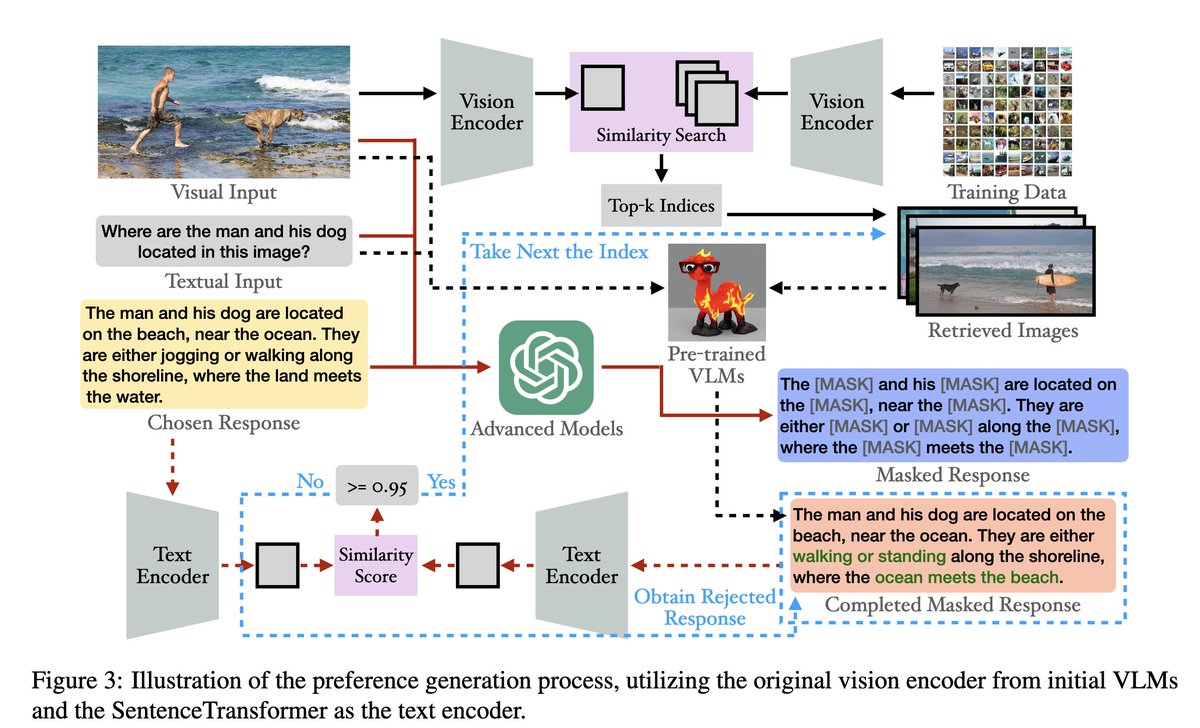
We introduce a new fully-open framework called 𝗥𝗲-𝗔𝗹𝗶𝗴���� that tackles this challenge head-on using the interplay of two awesome techniques, RAG + DPO with some tailored designs:
• 🔍 𝗥𝗲𝘁𝗿𝗶𝗲𝘃𝗮𝗹-𝗔𝘂𝗴𝗺𝗲𝗻𝘁𝗲𝗱 𝗣𝗿𝗲𝗳𝗲𝗿𝗲𝗻𝗰𝗲𝘀: Instead of brute-force preference data, we use image retrieval to generate more realistic visual-textual contrasts, creating a dual-preference dataset.
• 🧠 𝗿𝗗𝗣𝗢 (𝗿𝗲𝘁𝗿𝗶𝗲𝘃𝗮𝗹-𝗮𝘂𝗴𝗺𝗲𝗻𝘁𝗲𝗱 𝗗𝗶𝗿𝗲𝗰𝘁 𝗣𝗿𝗲𝗳𝗲𝗿𝗲𝗻𝗰𝗲 𝗢𝗽𝘁𝗶𝗺𝗶𝘇𝗮𝘁𝗶𝗼𝗻): An extension of DPO that incorporates visual preference objectives during fine-tuning, grounding outputs in actual visual cues.
• 📈 𝗦𝗰𝗮𝗹𝗮𝗯𝗹𝗲 & 𝗥𝗼𝗯𝘂𝘀𝘁: Our method consistently reduces hallucinations across VLM sizes and architectures, while also improving general VQA benchmarks.
• 🌍 𝗜𝗺𝗽𝗮𝗰𝘁: By improving trustworthiness, RE-ALIGN opens the door to safer applications in healthcare, autonomous driving, and beyond.
This milestone is a step toward building more reliable and aligned multimodal AI systems. 🙌 Immensely grateful to my brilliant co-authors for making this journey possible!
📄 Preprint: https://t.co/hWCcwgSVuL
🌐 Website: https://t.co/mdkE7yTOR1
💻 Code: https://t.co/B5W0GrfxXw
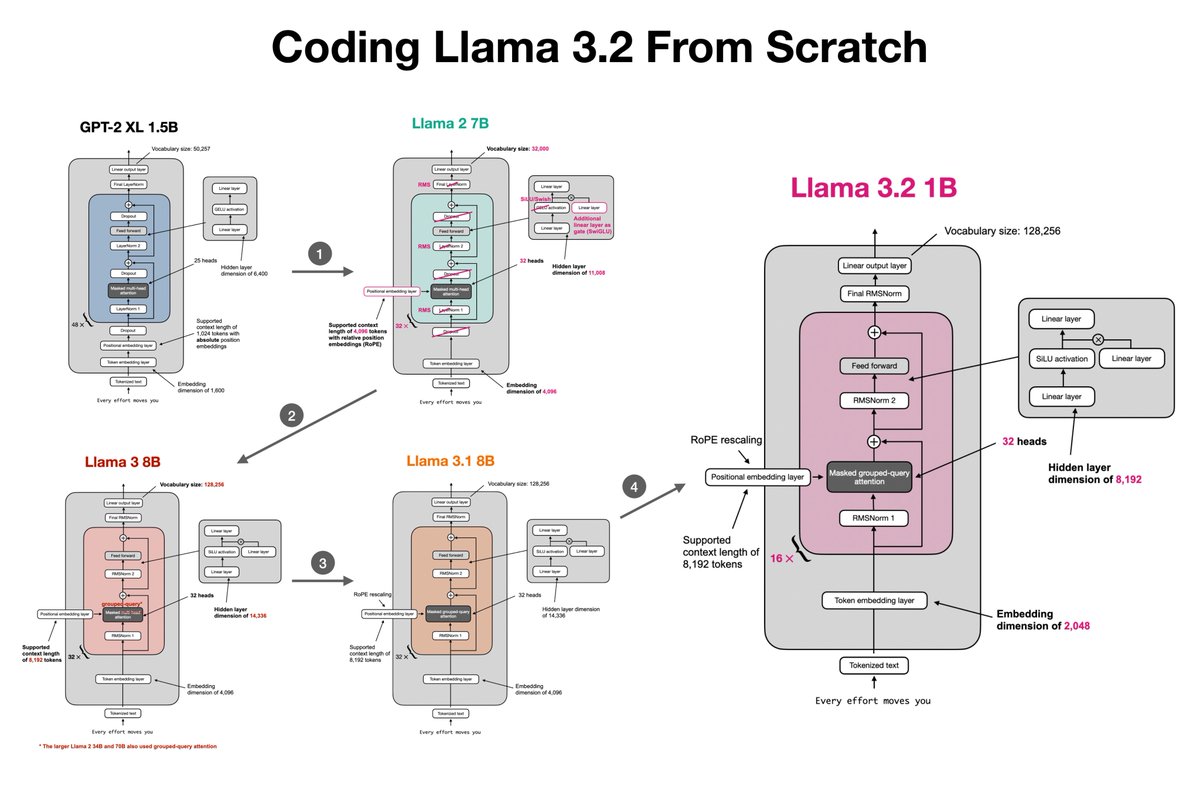
The Llama 3.2 1B and 3B models are my favorite LLMs -- small but very capable.
If you want to understand how the architectures look like under the hood, I implemented them from scratch (one of the best ways to learn): https://t.co/ODlwRfONOz
Interested in what density models (e.g., EBMs) and Lyapunov functions have in common, and how they can help provide for safe(r) reinforcement learning? @katie_kang_'s new BAIR blog post provides an approachable intro to Lyapunov density models (LDMs): https://t.co/MiHkzw2us0
Let’s rush to 200k followers and talk about when you can start earning GMT during this weekend’s Discord AMA! To get there, we are doing another Uncommon Genesis Sneaker giveaway by 10th April! To enter the crowd prize:
1⃣ Follow us
2⃣ Retweet
3⃣ Tag 3 friends & comment below
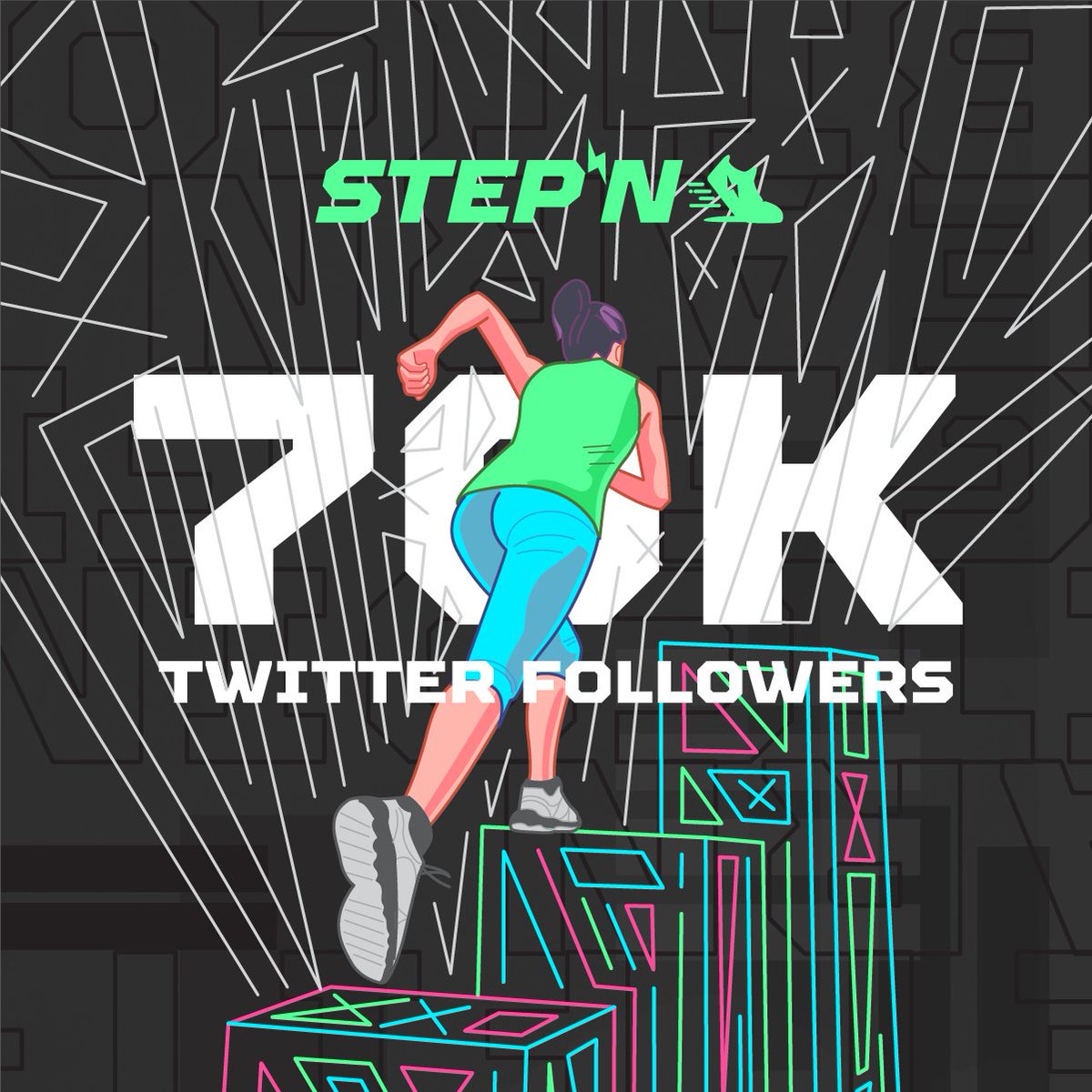
We reached 70k followers milestone! To thank to our users, we will give away ONE uncommon and TWO common Shoeboxes to three lucky winners if we reach 100k followers by 30th Mar! To enter the crowd prize:
1⃣ Follow us on twitter
2⃣ Retweet
3⃣ Tag three friends and comment below
How to make steady progress in my research?
I worked so damn hard but "IT JUST DOESN'T WORK!"😤
How can I unblock myself quickly and make good progress toward the goals?
Below I compiled a list of tips that I found useful. 👇
"Fair Mixup: Fairness via Interpolation"
Happy to share that the work done during my internship at IBM Research AI was accepted at ICLR 2021!
Paper: https://t.co/uN28ntnwfV
Code: https://t.co/vaQigPhooR
with Youssef Mroueh
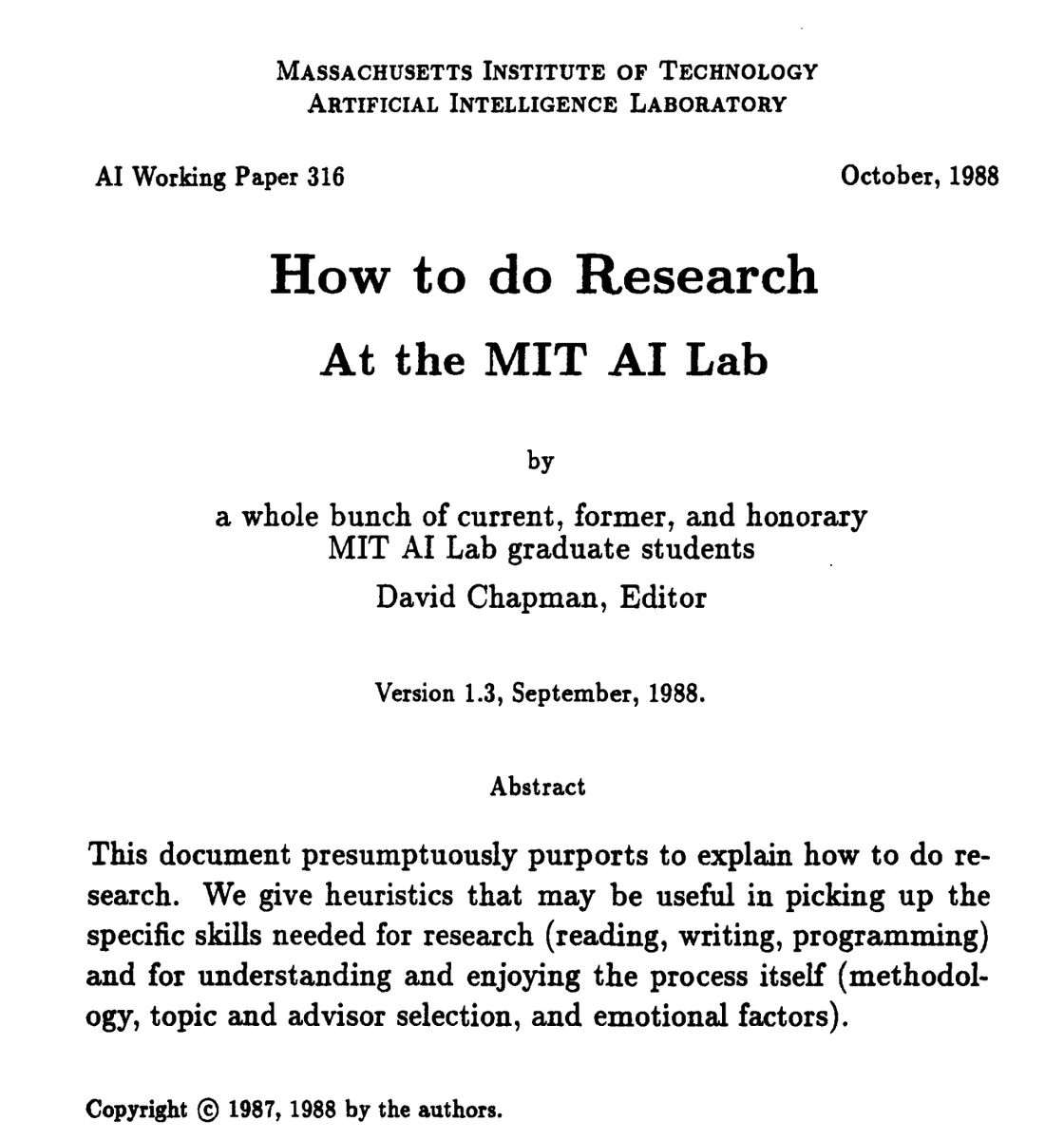
https://t.co/XvpCWnnSjg How to do Research
At the MIT AI Lab (1988).
Almost all advices are still valid more than three decades later. Highly recommended.
I had a TON of fun talking to Lex about the game-theoretic perspective on coordinating with people and value alignment, capitalizing on leaked information from humans, modeling humans as rational under different beliefs, and also personal stories! https://t.co/JcJGLkdNZz
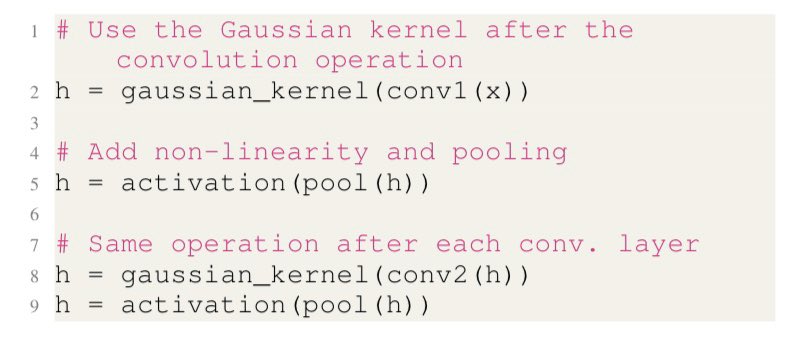
CNNs are biased towards high-frequency textural information.
New work on fixing CNN's over-reliance on texture through a curriculum that exposes texture slowly.
Results in better features that generalize both to new datasets and to new tasks.
Paper: https://t.co/clqThZHxbh
If you’re looking for a paper for your Friday readings, maybe check out our new work!
Joint work with @hugo_larochelle & @animesh_garg!
If you want to improve your CNN but don’t want to add trainable parameters or add any regularization loss, give our paper a try! 🙂