🔥 BREAKING: President Trump just WALKED OUT to a ROARING crowd at the 2026 Patriot Games final in Ohio, followed by young athletes behind him
This is EPIC!
These young patriots love their president 🇺🇸
They will NEVER forget that 47 was here to watch them 👏🏻
WNBA PANICS After MAGA EXPOSES Them!
Lara Trump addresses the latest panic of the woke WNBA. Lara sits down with @LibbyEmmons and @RealTheoWold to discuss the deteriorating WNBA, Charlie Kirk's assassination, the coddling our college youth, birth tourism and more!
ARE YOU MAGA OR GOP ??
The traditional or establishment wing of the GOP has long resisted the MAGA movement for a mix of ideological, stylistic, and power-related reasons, even as MAGA has become the dominant force among rank-and-file Republicans (around 62% identifying as such by 2026).
Core policy clashes stand out. Pre-Trump Republicans prioritized free trade, global markets, and free-market orthodoxy favored by the Chamber of Commerce and business donors. MAGA’s tariffs, industrial policy, and “America First” protectionism reverse that, appealing more to working-class voters in trade-impacted areas while alienating classical free-traders. Foreign policy divides them too: traditionalists favor robust alliances, interventionism, and strong support for institutions like NATO; MAGA leans more restrained or transactional, prioritizing domestic concerns over endless overseas commitments. Immigration hardlines and cultural populism further widen the gap with more moderate, business-oriented conservatives.
Style and institutional norms matter deeply. Many establishment figures view Trump’s confrontational rhetoric, personal loyalty demands, and disruption of conventions as a break from conservative emphasis on character, rule of law, and institutional continuity. They see it as a personality-driven movement rather than principled conservatism, accusing it of prioritizing grievance and cult of personality over limited government or fiscal restraint.
Power dynamics fuel resistance. MAGA’s primary challenges have ousted or sidelined incumbents, consultants, and the old donor class, reducing the influence of Never Trumpers and traditional leaders. Some fear long-term electoral costs, arguing the movement alienates suburban moderates and independents even as it expands the base elsewhere.
In short, resistance stems from defending pre-2016 Republican orthodoxy—free markets, internationalism, and institutional norms—against a populist realignment that has remade the party around nationalism and working-class priorities. While most of the GOP has adapted, the holdouts persist among the remaining non-MAGA minority.
@_SmokeyGirl25@Laura2Mustang@Biblicallybassd@CharlyMcLeod@ToniLL22@Coastie69ers@Elah_Elam@LeighAnnCox@laura_7771@Ellis5ol@AK2MX2K@NoTucker_real@Okieboy63
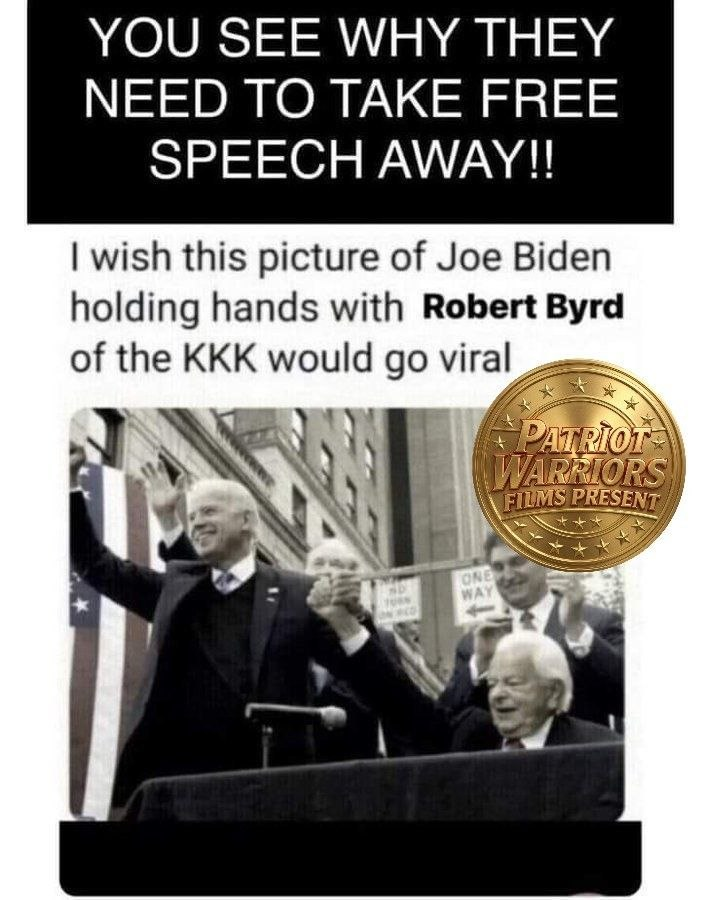
When a Democratic calls you "Racist" simply remind them of their History.
The Democratic Party traces its origins to the 1790s Jeffersonian Democratic-Republicans, coalescing as a formal organization in the 1820s–1830s around Andrew Jackson’s populism, states’ rights, and opposition to elite institutions. By the mid-19th century it dominated the South, where it strongly defended slavery and its expansion into western territories.
The party split in 1860 over the issue—Southern Democrats nominating John C. Breckinridge on a pro-slavery platform, Northern Democrats backing Stephen Douglas—helping elect Republican Abraham Lincoln and precipitating the Civil War.
After the Confederacy’s defeat, Southern white Democrats opposed Republican Reconstruction policies that granted civil and voting rights to freed Black Americans. In this context the Ku Klux Klan emerged in late 1865 or early 1866 in Pulaski, Tennessee, founded by six former Confederate soldiers as a social club that quickly evolved into a violent white-supremacist organization.
Its first Grand Wizard, Nathan Bedford Forrest (a former slave trader and Democrat), spoke at the 1868 Democratic National Convention. The Klan was never officially created or directed by the Democratic Party itself; it was a grassroots group. However, because most white Southerners were Democrats after the collapse of the Whigs, the vast majority of early Klansmen were Democrats.
It functioned as a de facto paramilitary force aiding Democratic “Redeemers” by terrorizing Black voters, Republican officials, and teachers to suppress Republican strength and restore white Democratic control of Southern state governments.
Congressional Enforcement Acts (1870–71) and federal prosecutions largely dismantled the first Klan by the mid-1870s, by which time Democrats had regained the Solid South through a combination of violence, intimidation, and later legal disenfranchisement.
A second Klan revival after 1915 drew members from both parties, though it retained strong Southern Democratic ties and influenced the fractious 1924 Democratic convention.
@BelannF@Outs45@Marte97044Linda@smith10279@EricR_WeeK@RedTsunami77@Bernadette99797@CrystalSin22064@lah3309@Boho_Sam_@1109Patricia@NancyMar2025@UnsinkableDolly@LindaNTx@Libertys_Belle@A_RottieLover