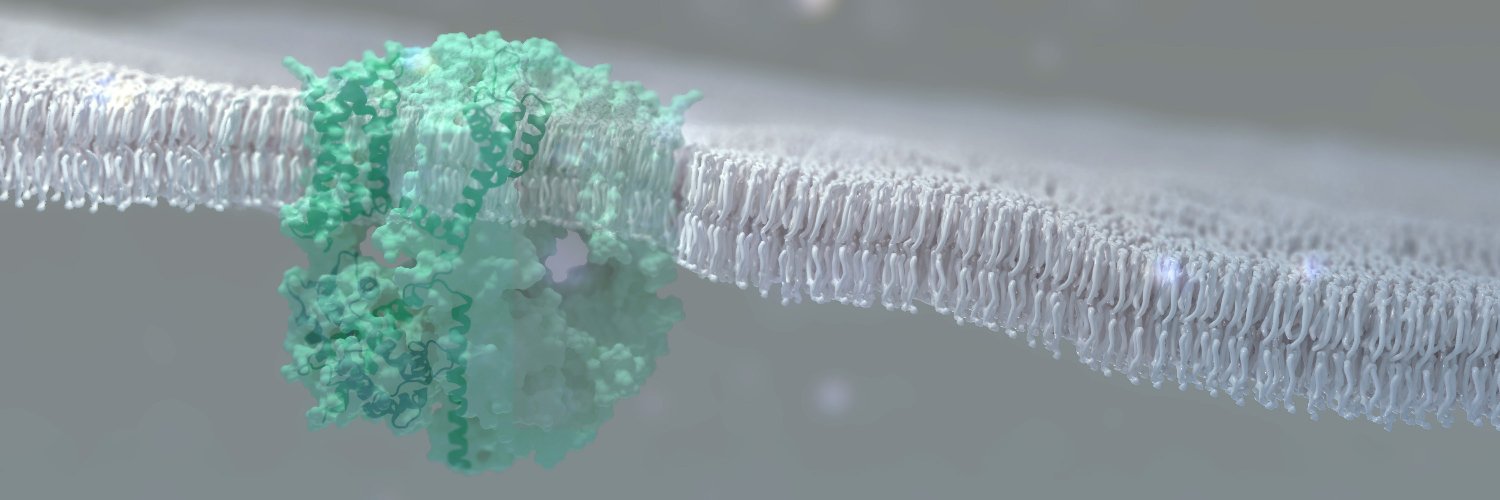
Excited to share our new paper in NSMB! We reveal the architecture of the Norrin signaling complex and use these insights to design synthetic Norrin mimics, taking a step toward developing strategies to restore the BRB. https://t.co/lX8RqLX3ov
St. Jude scientists identified ZMYND8 as a major regulator of CD8+ T-cell exhaustion. Targeting the gene improved immune function and enhanced immunotherapy, offering a potential new strategy to strengthen anti-tumor responses in solid tumors. https://t.co/IcGyfQADmN
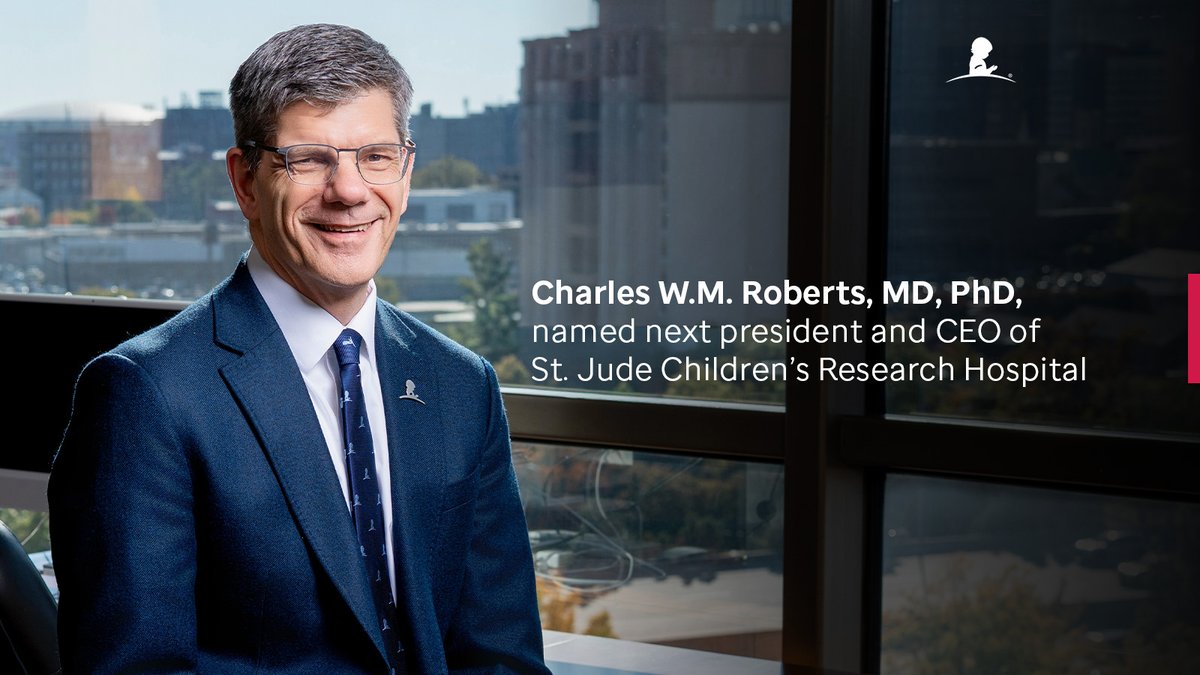
St. Jude has named Charles W.M. Roberts, MD, PhD, internationally recognized physician-scientist and director of the St. Jude Comprehensive Cancer Center, as its seventh president and CEO. The announcement is part of a planned leadership transition.
Under his leadership, the Cancer Center has grown in scope and impact, earning the National Cancer Institute’s top ���Exceptional” rating in both reviews and the best score in institutional history each time.
Dr. Roberts’ background in cancer epigenetics, clinical care and collaborative leadership has helped shape major efforts that connect researchers, clinicians and partner institutions to move discovery forward.
Scientists led a multi-institute collaboration to create PanNDA, a first-of-its-kind atlas mapping proteomes across six neurodegenerative diseases and more than 10,000 brain proteins. PanNDA can be used as a resource to advance diagnosis and treatment. https://t.co/4ZEu0ze78I
Excited to share our lab's latest discovery today in @Nature: "orthosteric molecular glue” (OMG) inhibitors - a new drug design strategy that achieves substrate-dependent potency, i.e., substrate selectivity, with conventional orthosteric inhibitors. https://t.co/U5Y6JBoJql
Happy to share our new publication on KCNQ1. In this work, we reveal a cool molecular mechanism that modulates the tissue-specific function of KCNQ1 through its beta subunits, KCNE1/3, which provides different voltage and PIP2 (GPCR) sensitivity for gating https://t.co/KA92pmf1qg
A new paper from the #MacKinnonLab in @PNASNews finds that while Kv2.1 and EAG1 are from distinct architectural classes of voltage-dependent ion channels, the way the voltage sensors gate their pores is very similar. #RockefellerScience
https://t.co/h7UIKFFGlM
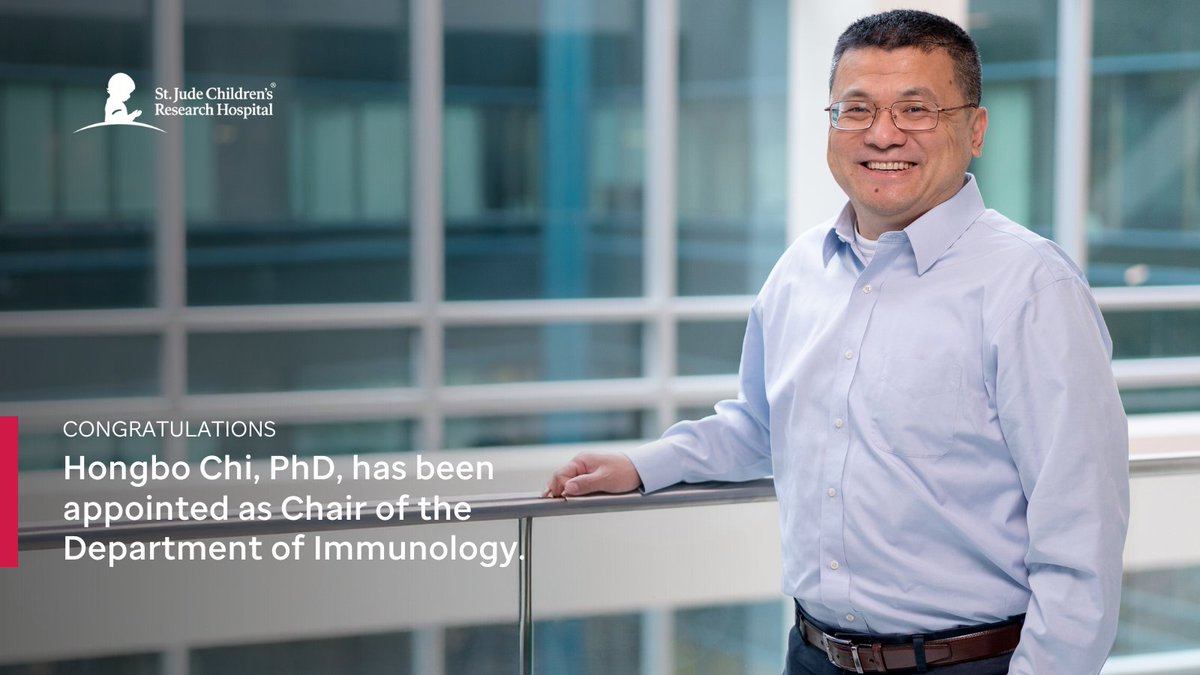
We’re excited to announce Hongbo Chi, PhD, as the new Chair of the St. Jude Department of Immunology. His leadership will advance our mission to find cures for catastrophic childhood diseases.
Our researchers, in collaboration with the Medical College of Wisconsin, have discovered how chemokines and G protein-coupled receptors (GPCRs) selectively bind to control how cells move. https://t.co/nGi6Ou5Bg5
Beautiful work from @JunminPengLab and @Yanshen73854711 in @CellCellPress
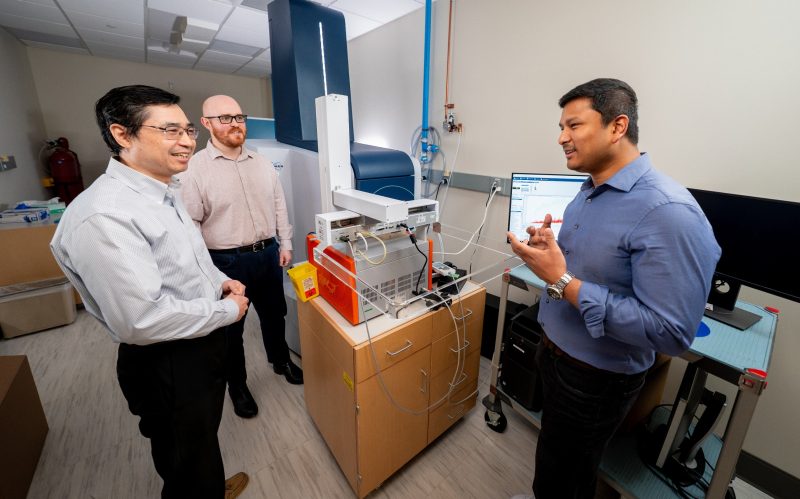
Turnover atlas of proteome and phosphoproteome across mouse tissues and brain regions: https://t.co/nyUA2qa4G1
Explore this amazing resource here:
https://t.co/Z2bCOKSzs5