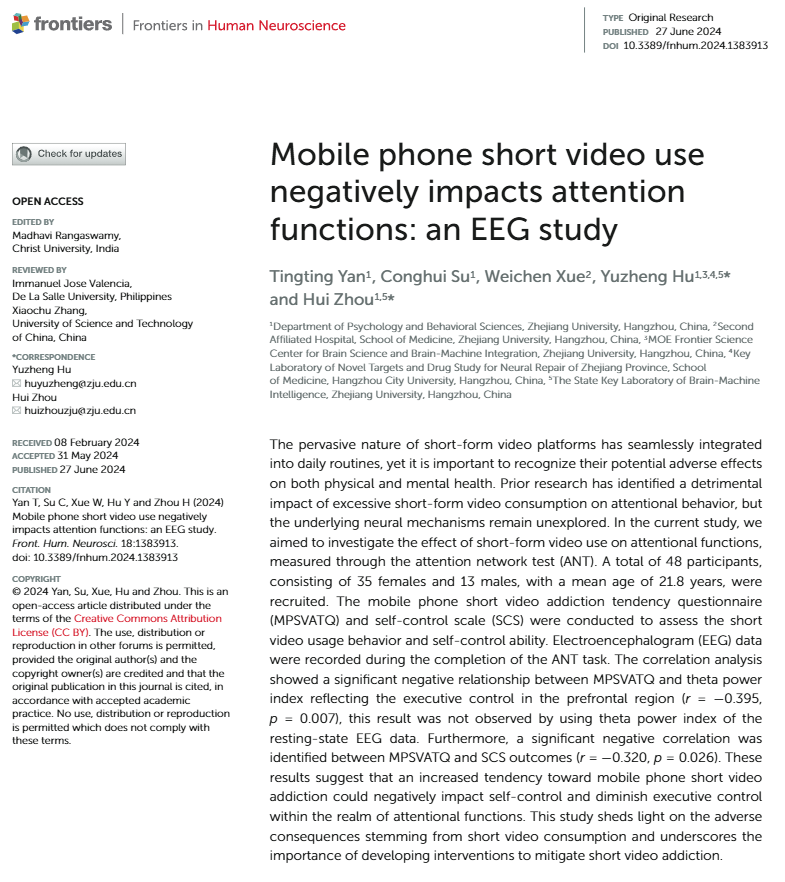
This is why everyone working on the same targets in biotech/pharma (VCs) hurts everyone. 220 clinical trials of TIGIT inhibs cost ~$3.5Bn & involved 15,000 patients. None worked. Herding amplifies loss in an industry that has a 95% failure rate. https://t.co/3ZA9Zmy35E
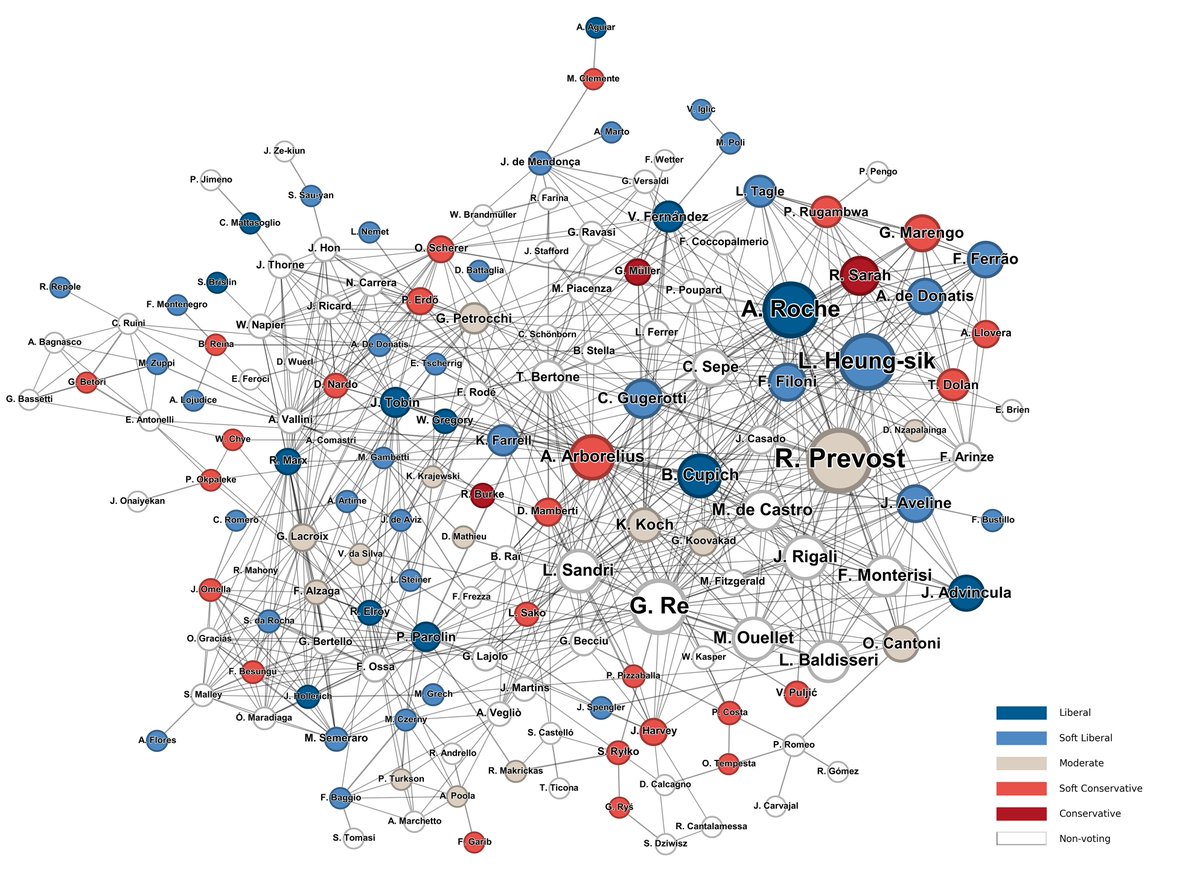
How we "guessed" the Pope using network science: inside the cardinal network. A study by me, Beppe Soda and Alessandro Iorio. Article: https://t.co/xQ0fTmpVxb @Unibocconi
Rory McIlroy might be leading the Masters
But he’ll never know the feeling of taking this long walk at 7:50am for an All Hands Meetings
I wouldn’t trade places with him
"Pipeline in a product" = one SAE away from trading below cash
"Platform technology" = throw a bunch of indications at the wall to see what sticks
"Sufficient cash runway" = secondary incoming
A diffusion-based machine learning strategy for creating potent and diverse antimicrobial peptides
The rise of drug-resistant microbes poses a serious global health threat, and antibiotics alone often struggle to stop opportunistic infections. Antimicrobial peptides have emerged as promising alternatives by disrupting bacterial and fungal membranes. Yet, searching for active peptides in the vast chemical space is time-consuming, and most current computational methods fall short of producing sufficiently novel and effective sequences, especially for antifungal targets.
Wang et al. introduce a pipeline that couples a latent diffusion model with a variational autoencoder and molecular dynamics filtering to design new antimicrobial peptides. In the generative stage, they encode known peptides as latent variables using a transformer-based autoencoder, then apply a diffusion model to sample new points in this latent space. This approach balances broad exploration of the peptide sequence landscape with precise control over target properties. After generating candidate sequences, the authors filter them using an ensemble classifier, clustering algorithms, and coarse-grained molecular dynamics simulation to predict membrane-disrupting capabilities. By reintroducing only high-ranking candidates, they achieve a pipeline that generates a wide spectrum of sequences, many of which show potent activity against bacterial and fungal pathogens.
From 40 synthesized peptide candidates, 25 displayed experimentally confirmed antibacterial or antifungal properties. Two peptides, AMP-24 and AMP-29, stood out for their broad-spectrum activity and low toxicity, showing strong in vivo efficacy in mouse models of Acinetobacter baumannii lung infection and Candida glabrata skin infection. These results illustrate how integrating diffusion-based models with biological filtering can not only accelerate AMP discovery but also expand the range of novel, clinically promising peptides for combatting resistance.
Paper: https://t.co/qzE0saIEJ6
Thrilled to share our latest insights on the surge in US-China biotech dealmaking! 🌍💊 We dive into the why, the who, and the how—plus what it means for the future of drug development. Don’t miss it! 🚀 #Biotech#Innovation”
Artificial intelligence in drug development
Drug discovery has long struggled with high costs and low success rates, hindered by the complexities of disease mechanisms and the massive chemical space to explore. Recent advances in artificial intelligence (AI)—from large language models (LLMs) to sophisticated machine learning frameworks—aim to overcome these bottlenecks, accelerating the identification of viable drug targets, expediting virtual screening, and optimizing clinical trials. By sifting through extensive multi-omics and real-world datasets, AI-driven methods can decipher intricate biological pathways, predict toxicity, and streamline regulatory compliance in ways that human-led, trial-and-error paradigms cannot match.
Zhang and colleagues provide a comprehensive overview of how AI is applied throughout drug development, spanning from target identification and molecular design to preclinical evaluation and clinical monitoring. They discuss how new machine learning tools, such as generative models and specialized LLMs, enable deeper insights into disease biology and chemical diversity, thereby reducing the time and cost of discovering active compounds. Drawing on examples of AI-based activity prediction and drug repurposing, the authors show that even real-world, noisy datasets—such as electronic health records and insurance claims—can yield actionable results for complex conditions, paving the way toward personalized treatments.
Their review also highlights remaining hurdles to AI-augmented drug development, including sparse data, interpretability challenges, and the need for more robust cross-industry collaboration. Yet there is confidence that with continued innovation, AI will increasingly function as a co-pilot rather than a mere assistant in modern pharmaceutical research, helping deliver better, safer medications faster. By integrating knowledge-driven approaches and improved data stewardship, the field stands at the threshold of an era in which AI significantly boosts both efficiency and innovation in drug development.
Paper: https://t.co/uBjplUySKh
Incredible: machine learning used to design proteins to bind snake venom. Proteins with remarkable stability, binding affinity, and near-atomic-level agreement with computational models were made and proven by protecting mice from lethal envenomation. https://t.co/VsqDF5o78V
@LifeSciVC agreed. and the best way to improve the biotech talent bottleneck is to give promising, emerging management teams the opportunity to prove themselves vs concentrating most of the capital behind a relatively small number of established executives.
https://t.co/hzPpMP9Ur4