My latest for @BriefingAfrica
Far from marking democratic consolidation, the country’s 2025 polls have exposed the fragility of political legitimacy under a system increasingly defined by repression, exclusion and electoral authoritarianism.
https://t.co/PPuQx4KQn7
Security forces in the Democratic Republic of Congo #DRC fired tear gas and used whips on Friday to disperse opposition leaders and supporters protesting in #Kinshasa against efforts by President Félix Tshisekedi to amend the Constitution and seek a controversial third term in office.
Police had been deployed around the Palais du Peuple, which houses the country’s parliament, to enforce a ban on demonstrations. Despite the restrictions, opposition figures led by Martin Fayulu attempted to hold the protest.
Fayulu, who ran in the 2023 presidential election, was injured during the clashes. Images shared on social media show him with blood on his shirt, though the circumstances of his injury were not immediately clear.
President Tshisekedi's government has banned any protests.
The tensions come just days after the National Assembly overwhelmingly approved a referendum bill on June 9. The proposed legislation is now awaiting review by the Senate before it can be signed into law by President Félix Tshisekedi.
The bill outlines conditions for organizing a referendum that triggers constitutional reforms that keeps Tshisekedi in power beyond his second and constitutionally final term, which expires in 2028.
The opposition has termed it as a "constitutional coup" and vowed to block President Tshisekedi's ambitions through large-scale nationwide protests.
"If the people want me to have a third term, I will accept," Tshisekedi said in May, signalling his public support for the constitutional reform.
When #Senegal’s government uncovered $13 billion in hidden, unrecorded debt left behind by former President Macky Sall’s regime, Prime Minister Ousmane Sonko led debt audit revealed part of the national debt had been concealed, prompting the International Monetary Fund, IMF to immediately freeze and suspend its $1.8 billion lending programme.
Then disagreements emerged regarding the handling of this issue.
President Faye insisted on a pragmatic, compromise-driven path. He was willing to accept IMF-mandated austerity measures, including politically sensitive cuts to energy and fuel subsidies, to steady the economy and unlock the frozen funds to get more funding from IMF.
Prime Minister Sonko declined this approach and instead advocated for a sovereignist approach. Sonko fiercely opposed bowing to foreign lenders. He resisted cutting subsidies, imposing taxes and demanded a renegotiation of oil, gas and mining contracts with multinational companies.
Then a complete deadlock in the government.
Their disagreements also extend to the handling of legal cases.
Several former officials who served under President Macky Sall are accused of mismanagement and involvement in the political violence that claimed dozens of lives between 2021 and 2024.
President Faye favored a more cautious, reconciled approach. Fearing that aggressive prosecutions of the former regime would destabilize the state, fracture the security apparatus and alienate key institutional actors, Faye resisted hardline judicial purges.
As Prime Minister, Sonko pushed heavily for accountability, retributive justice, demanding that the amnesty law (passed by Sall's regime to shield his officials upon exit) be repealed so that Sall's former ministers, police chiefs and judicial officials could be tried for corruption, financial mismanagement and the deaths of youth protesters.
Ultimately, the government became entirely dysfunctional.
Faye used his executive power to reclaim sole control of the state, firing Sonko to build a government in his own image.
By securing the second-highest political office in the country, Sonko has effectively flipped the power dynamic. He went from a subordinate role inside the executive branch to leading an independent branch of government.
Faye will find his executive powers severely limited by a hostile legislature, and a ruling party that is not his own, leaving him with no choice but to wait until November 2026 to legally dissolve parliament.
Source: Local sources, @France24 (Debt crisis).
Organized crime is evolving into a global, tech-enabled threat.
From cyber scams to drug trafficking, criminals are expanding their reach & causing real harm.
A new UNODC research brief examines how these groups operate and profit: https://t.co/dYyn1hp7RJ
Hey VIP Tribe,
There are many important Bills at public participation stage. This is your opportunity to read and submit your views.
Among those currently open are:
• The Finance Bill, 2026
https://t.co/SiMMDjACnN
• The Referendum Bill, 2026
https://t.co/5Q9x6eHN0A
• Public Finance Management (Amendment) Bill, 2026
https://t.co/Jg7uhZy9Mr
• Public Finance Management (National/County Governments) (Amendment) Regulations, 2026
https://t.co/jjdfltROje
• Draft Public Finance Management (E-Citizen System Management) Regulations, 2026
https://t.co/7SgvNv27YC
• Consideration of the Estimates of Revenue and Expenditure for the National Government for FY 2026/2027 and the Medium-Term.
Most submission deadlines fall between 24th–29th May 2026.
Please don’t sit this one out. #VIP
The 21st-century #imperialism is unlike that of the 19th and 20th centuries; Neocolonialism is developing through hypocrisy. There is a stark and obvious gap between what the imperialist powers claim to support—sovereignty, global peace, and development—and what they actually do: extraction deals, military interventions, and political manipulation. The tragic part of this narrative is that most leaders on the African continent collaborate with foreign actors at the expense of their nations’ ultimate long-term interests.
Read Analysis: https://t.co/HdPK8BylFD
@ROAPEjournal@CiruMuriuki@KatieSandwell@alexdpking@gndmediauk@wmnjoya @Udadaisi @samar42@ReginaldOduor@samar42@Farida_N@jacobin@jkobuthi@realoyungapala@johngithongo
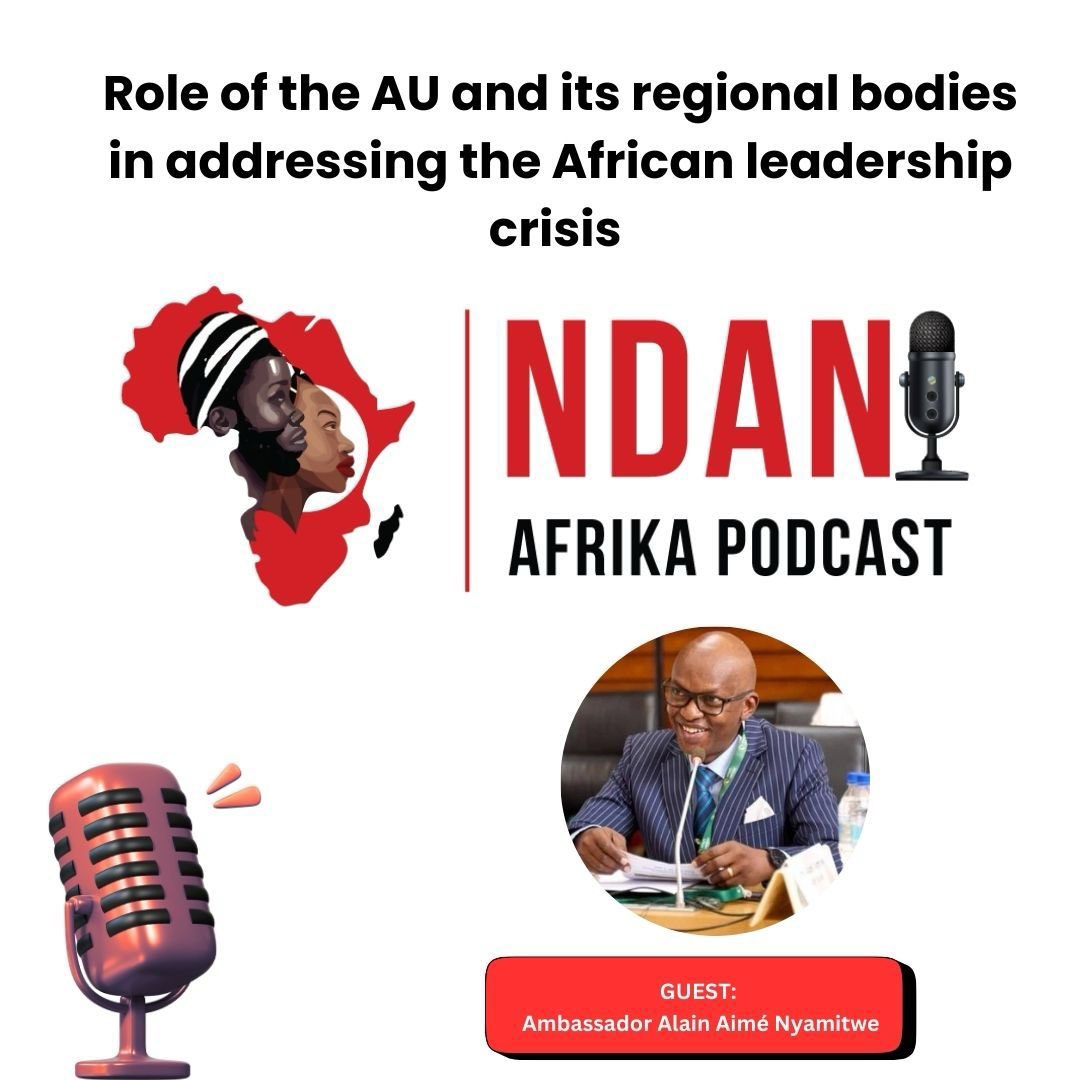
New episode alert 🥳🥳🥳
Current state of elections in Africa.
Elections are held, but legitimacy remains contested. The moment calls for serious introspection.
https://t.co/CZRd3fCmgB
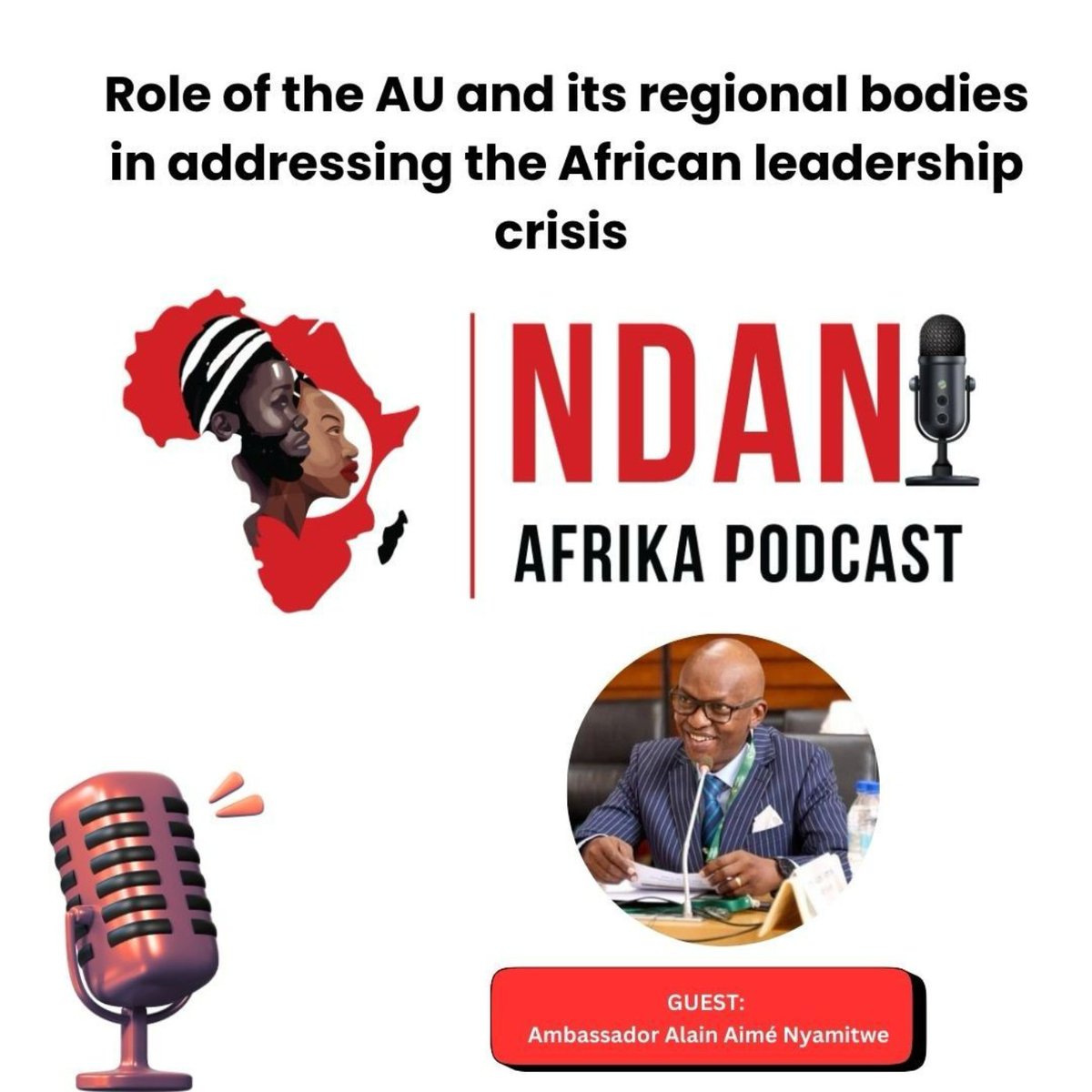
🎙️Our latest episode of the @NdaniAfrik podcast, features Amb. @nyamitwe examining the role of the @_AfricanUnion & its regional bodies in shaping electoral processes across the continent.
🔗Listen to the full episode here: https://t.co/ktN9FHGxvs
Despite high levels of intimidation and violence, Ugandan opposition candidates continue to contest presidential and legislative races, channeling Uganda’s youthful population’s demands for more jobs, freedoms, and transparency.
#UgandaDecides2026
https://t.co/VyT0DCPmNJ
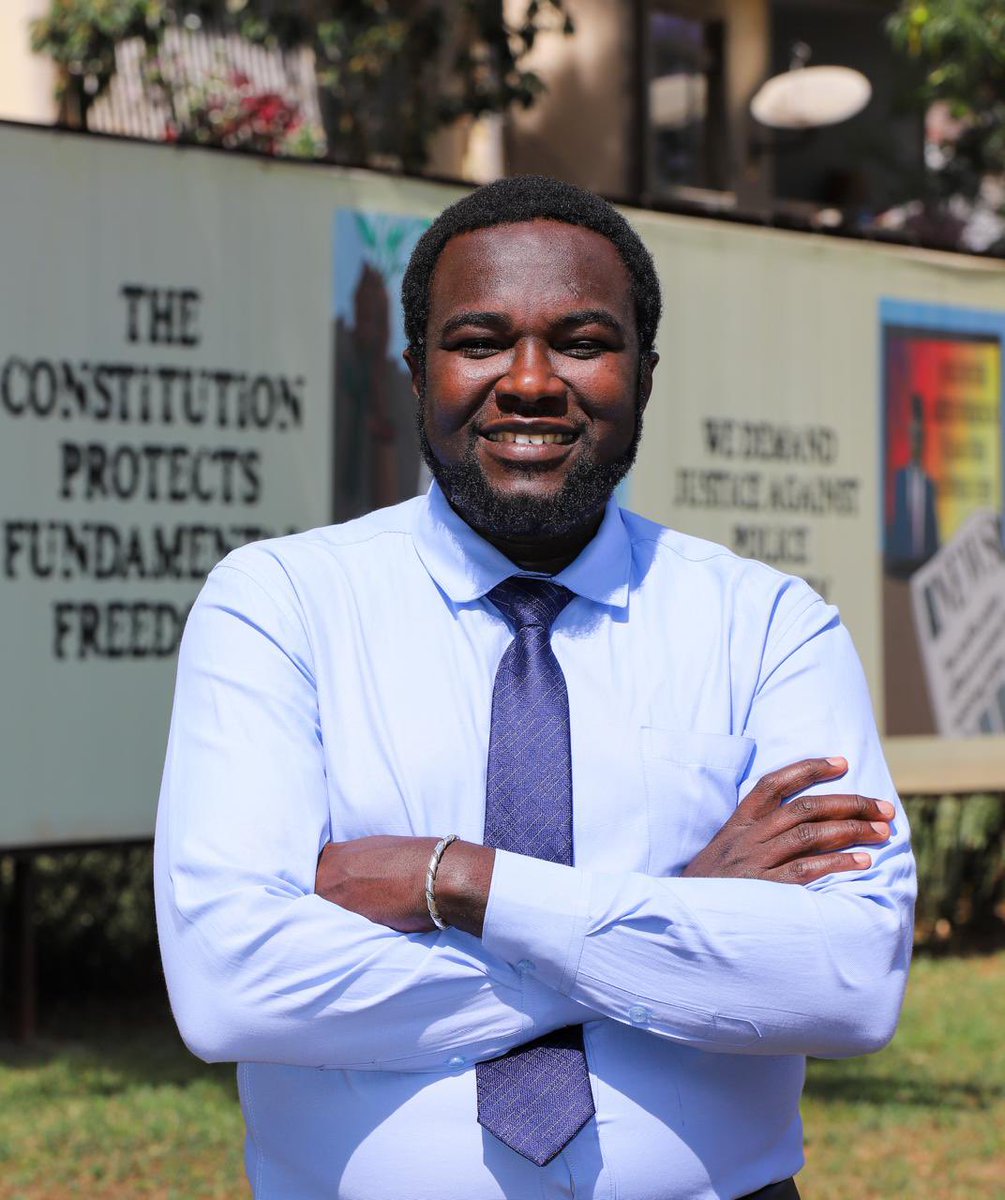
Martin Mavenjina is more than just a name in Kenya’s legal circles, having played a key role in the country’s transitional justice movement. He arrived in Kenya in from Uganda 2013 to join the Kenya School of Law and went ahead to build a life and career dedicated to advancing human rights. He rose from an intern in 2014 to a Senior Legal Advisor at the Kenya Human Rights Commission (KHRC), where his work transformed the lives of thousands.
Mavenjina’s most notable achievement is his work with the survivors of colonial-era atrocities. He was part of @thekhrc team that was instrumental in securing compensation and reparations for over 5,000 Mau Mau survivors and their dependents. His efforts didn’t stop at financial redress; he was central to the design and the 2016 launch of the Mau Mau memorial monument at Uhuru Park, an event presided over by the late Prime Minister Raila Odinga, to ensure that the history of these heroes was permanently etched into Kenya’s landscape.
While his professional life flourished, so did his personal one. He met his wife Christine at the Kenya School of Law. After six years of dating and a traditional wedding in 2019, they legally married in April 2023. Together, they have two children, a seven-year-old and a four-year-old daughter, both born and raised in Kenya. His wife, a dedicated public servant, currently works for the Kenyan government.
The trajectory of Mavenjina’s life changed abruptly on July 5, 2025. Returning from a meeting of the Africa Judges and Jurists Forum in South Africa, he landed at Jomo Kenyatta International Airport (JKIA) at 10:30 PM. Despite his passport being stamped for entry, he was intercepted by immigration officers.
What began as a “routine check-up” turned into a 50-minute detention where officials claimed they were “waiting for orders from above.” Despite having a valid work permit and being in the process of applying for Kenyan citizenship, Martin was surrounded by six National Intelligence Service (NIS) officers and forcibly deported to his home country, Uganda. He was escorted onto the plane without his luggage, separated from his family without a legal explanation.
The impact of this deportation is deeply personal. At the time, his wife was in Sweden pursuing her Master’s degree, forcing her to cut her studies short to return to their children. Mavenjina who had been balancing both parents’ roles, is now only able to see his children via video calls.
“The children are suffering; they are wondering where their father is,” Mavenjina shares.
His deportation occurred amidst a crackdown on civil society. At the time, the KHRC was challenging government “shoot to kill” orders and road blockades. Following his expulsion, KHRC offices were attacked by goons just before the Saba Saba protests.
Despite these challenges, Mavenjina was recently elected to the board of the International Commission of Jurists (ICJ). Today, the call remains for the Kenyan government to allow a husband, father, and dedicated human rights defender to return home to the country he has served for over a decade.
Last month, I attended the East Africa Law Society Annual Conference in Addis Ababa, where Professor Makau Mutua and I were both speakers. Makau, a founder and longtime chair of the KHRC for nearly 30 years, currently serves as the Senior Advisor on Constitutional Affairs and Human Rights in the Executive Office of the President. During our time there, I asked him about Mavenjina’s fate; he assured me he is working on the matter. It is my sincere hope that @makaumutua can ensure Mavenjina is home with his family for Christmas. Bringing him back to his family isn't just a request; it’s a human right.
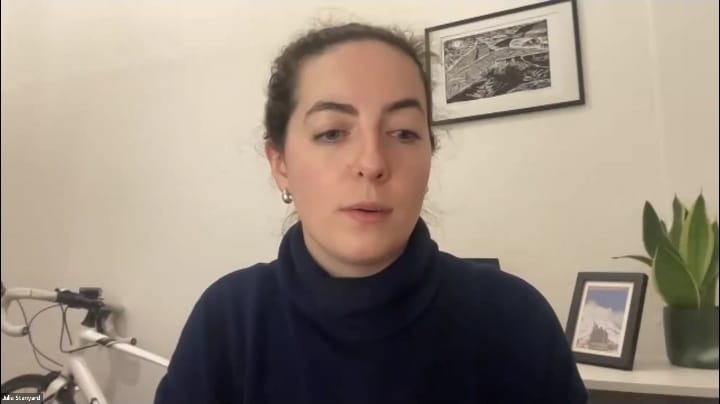
Today, HOAIPS successfully hosted a #PeaceTalks session on Transnational Organized Crime in Africa, with a focus on the #HornOfAfrica.
Prof. Phil Williams delivered an excellent presentation on organized crime trends, governance gaps & response strategies.
📢 PeaceTalks+ | Upcoming Webinar
🧭 Transnational Organized Crime in the Horn of Africa
🗓 18 December
⏰ 6:00–7:30 PM (EAT)
🎤 Prof. Phil Williams
🎙 Moderator: Janet Sankale